
 Visa i rummet
 Skicka
 Dela
Dela
 Detaljer
 Studentguide för konstverk

 Ladda ner
 Liknande objekt
 Röntgen
 Bildspel
 Besökstatistik
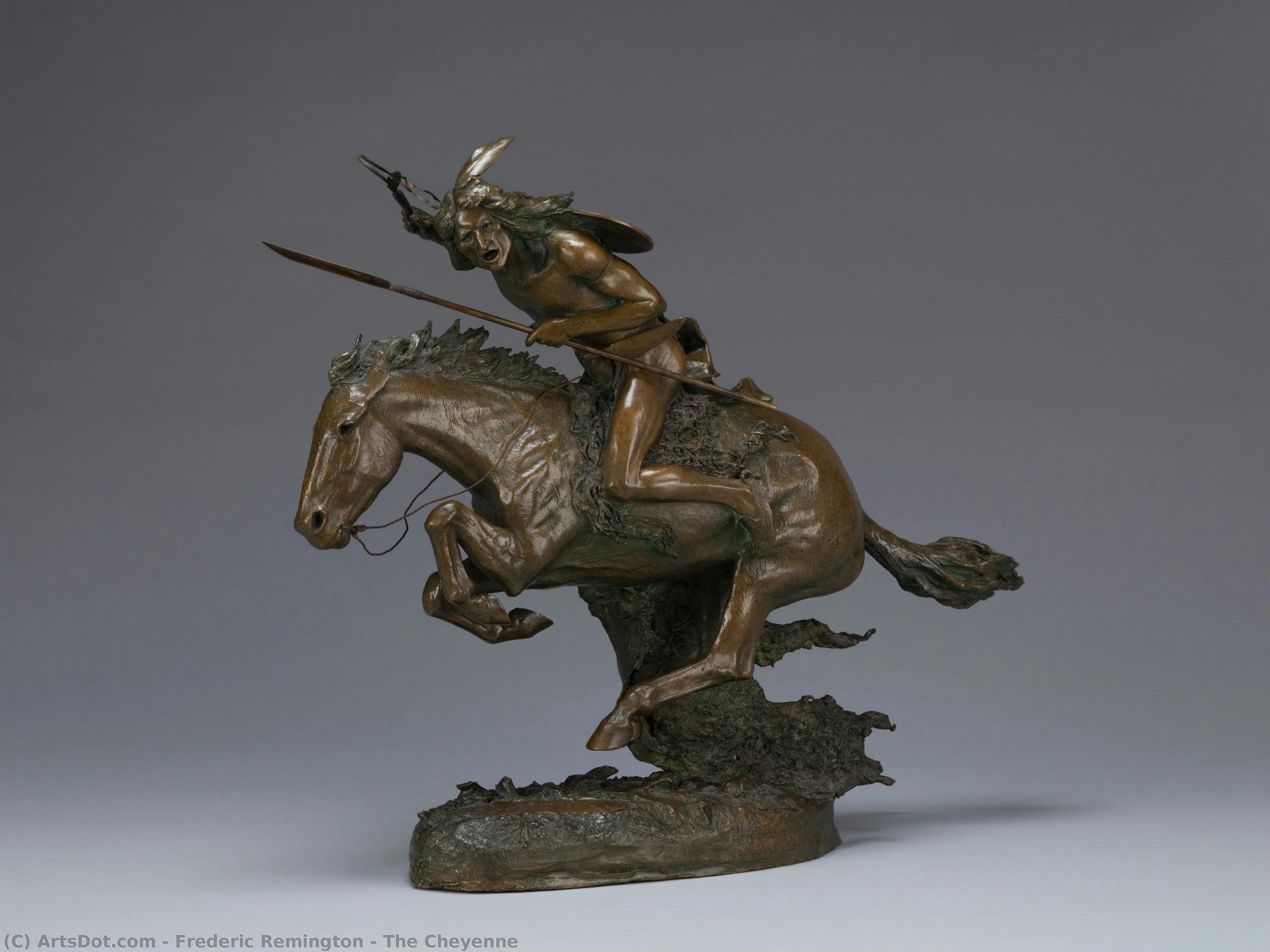
The Cheyenne


 Läs mer
Giclée / Konsttryck
Giclée- eller canvasprint av museumskvalitet med snabb produktion och flexibla ytbehandlingsalternativ. ( Köp handmålat konstverk Byt till digital bildförsäljning)




P118B Skr10

P118H Skr10

P118W Skr10

P438Z Skr10

P508JH Skr12

P508YH Skr12

P805H Skr10

P805Z Skr10

P919BZ Skr10

P919G Skr10

P919XJ Skr10

P959ZH Skr10

P968JZ Skr12

W106C Skr8

W218G Skr10

W218JH Skr8

W218Y Skr10

W307PJ Skr10

W316G Skr10

W316PJ Skr8

W316Y Skr10

W398PJ Skr8

W4111J Skr10

W500HY Skr15

W500JH Skr15

W692G Skr12

W849H Skr8

W940BG Skr15

W953PJ Skr8




Välj bland våra förinställda storlekar som motsvarar konstverkets ursprungliga proportioner.

Ange den bredd och höjd du behöver, för att passa din ram eller din vägg. Ett tryck kan endast beskäras, aldrig göras större än bilden, vilket innebär att ett format med en annan formform leder till att en del av bilden går förlorad. Vi skickar en digital mockup för godkännande innan vi trycker något. Bilden som visas på denna sida visar inte den faktiska beskärningen — det är endast mockuppen som gör det.
Leverans över hela världen () på 2 veckor istället för standard 4/5 veckor. (22 oktober)

Fri expressfrakt över hela världen

Högkvalitativ linnecanvas

Fullständig fraktförsäkring

Garantier för återbetalning av tullavgifter

Garantier för exakt färgåtergivning

100 dagars returrätt vid fabrikationsfel

100% pengarna tillbaka-garanti

Mängdrabatt erbjuds
 Glasalternativet är endast tillgängligt i storlekar under 110 cm.

The Cheyenne
Giclée / Konsttryck
Reproduktionsstorlek
-


Totalpris
Skr 787
A Frozen Moment of the Wild West
Frederic Remington’s “The Cheyenne,” completed in 1901, isn't merely a depiction of a Native American warrior; it’s a meticulously crafted distillation of the last vestiges of the untamed American West. This bronze sculpture, cast by Roman Bronze Works, captures a fleeting instant – a moment of intense action and profound connection between man and horse, set against the vast, unforgiving landscape that defined the era. Remington, a pivotal figure in shaping the Western artistic narrative, wasn’t simply documenting; he was actively constructing an idealized vision of frontier life, one imbued with romanticism and a touch of melancholy for a disappearing world.

Dynamic Composition and Lost-Wax Casting
Remington’s genius lies not just in his subject matter, but also in the masterful execution of his vision. The sculpture is a prime example of lost-wax casting, a technique that allows for incredible detail and fluidity in bronze. Observe how the rider's muscles ripple with exertion as he leans forward, spear held high, ready to defend his territory. The horse, depicted mid-gallop – ears flared, tail streaming behind – appears almost to be dissolving into the air, embodying the speed and power of the wild. The sculptor’s attention to anatomical accuracy is remarkable; every sinew, every ripple of muscle, contributes to a sense of palpable energy. Note particularly the intricate detailing on the headdress, a symbol of leadership and tribal identity, and the meticulously rendered moccasins gripping the horse's flanks.
Symbolism of the Plains Warrior
“The Cheyenne” is rich in symbolic meaning. The rider’s posture – alert, focused, and ready for action – speaks to the warrior ethos that defined this culture. The spear and quirt represent not just tools of war, but also symbols of protection and authority. The buffalo robe draped over the horse's back isn’t simply a practical saddle; it’s a potent reminder of the tribe’s deep connection to the land and its resources. The setting itself – a vast, open expanse under an expansive sky – reinforces the theme of freedom and independence, yet also hints at vulnerability in the face of encroaching civilization. The sculpture subtly evokes the tension between tradition and change that characterized this era.
A Legacy of the American West
Frederic Remington’s “The Cheyenne” is more than just a beautiful bronze; it's a powerful artifact of its time, offering a glimpse into a rapidly vanishing world. Created during a period of significant upheaval and transformation in the American West, the sculpture reflects both the romanticized ideals of frontier life and the complex realities of Native American culture. Today, “The Cheyenne” stands as a testament to Remington’s artistic skill and his enduring contribution to our understanding of the American West – a poignant reminder of a bygone era and a celebration of the spirit of those who shaped it. It's a piece that continues to resonate with viewers, prompting reflection on themes of identity, freedom, and the relationship between humanity and nature.
Frågor och svar
Vilket museum har originalet till "The Cheyenne"?
"The Cheyenne" av Frederic Remington visas på Denver Art Museum, Denver, United States of America. Museilistan avser originalverket, inte reproduktioner.
Hur balanserar "The Cheyenne" ljus och mörker?
"The Cheyenne" av Frederic Remington har registrerats med en ljusstyrka på balanced och en luminans på Soft Shadow.
Kan jag se "The Cheyenne" av Frederic Remington på min egen vägg innan jag köper den?
Sidan för AR-förhandsvisning av "The Cheyenne" av Frederic Remington använder förstärkt verklighet (AR) för att visa konstverket i ditt eget utrymme, på en kompatibel enhet.
Om konstnären
A Chronicler of the Vanishing West: The Life and Art of Frederic Remington
Frederic Sackrider Remington, född i Canton, New York, den 4 oktober 1861, var ingen produkt av det västernland han så levande målade. Han var snarare en österlänning som skapade sin konstnärliga identitet genom fascination och en dedikerad studie av ett landskap som i stort sett hade försvunnit. Hans bakgrund antydde ett liv långt borta från dammiga stigar och kavalleriattacker – franska basiska arv blandat med starkt republikanska nya englandsrötter, en far som var krigskolonnell och tidningsredaktör, samt kopplingar till det kända Remington Arms-imperiet genom avlägsna släktingar. Trots detta var det en tidig exponering för militära teman, kombinerat med en rastlös anda och ett skarpt öga för berättande, som ledde honom på vägen mot att bli kanske den mest igenkännliga konstnären av den amerikanska västern. Hans barndom flyttades till Bloomington, Illinois, sedan tillbaka till Canton och slutligen till Ogdensburg, New York, men hans fantasi fanns fångad av berättelser om friluftsliv. Även om han initialt pekades i en militär utbildning vid Vermont Episcopal Institute, låg Remingtons sanna talang inte i att följa order, utan i att observera och tolka världen omkring honom genom konst. En kort vistelse vid Yale University bekräftade detta; fotboll och skissande hade mycket större attraktion än formell akademisk sysslor.Från Illustratör till Målare: Skapandet av en Konstnärlig Vision
Remingtons konstnärliga resa började inte med storslagna dukar, utan med bläck och papper. Hans första publicerade verk, en teckning för *Yale Courant*, signalerade tidigt ett begåvningsfullt sinne för att fånga handling och berättelse. En avgörande resa till Montana 1881 tände hans livslånga besatthet av västern. Detta var inte bara en turists blick; Remington sökte att fördjupa sig i kulturen, observerade cowboys, indianer och landskapet självt. I början försökte han ranching och gruvdrift, men dessa visade sig vara misslyckade, vilket frigjorde honom att helt ägna sig åt konst. Återvändande till öst etablerade han snabbt sig själv som en illustratör för tidningar som *Harper’s Weekly* och *Collier’s*, hans dynamiska skildringar av västernscener fångade en nationell publik som längtade efter berättelser om gränslandet. Dessa illustrationer var inte bara rapportering; de var fyllda med drama, energi och en romantiserad syn på västern som resonerade djupt hos allmänheten. Genom detta arbete finslipade Remington sina färdigheter i komposition, fångande rörelse och förmedlande av känslor – kvaliteter som senare skulle definiera hans målningar. Han fick minimal formell utbildning bortsett från några skissklasser vid Yale och en kort period på Art Students League, utvecklade istället ett distinkt stil som karaktäriserades av energiska penseldrag, djärva färger och fokus på realism blandat med dramatiskt uttryck.Att fånga en Försvinnande Värld: Teman och Stil
Remingtons konst är oåtskild från en specifik tidpunkt i amerikansk historia – den sista tiden av det gamla västern. Hans målningar bebos av ikoniska figurer: robusta cowboys som driver boskap, stoiska indianer som står inför förflyttning och U.S. Cavalry-soldater engagerade i både hjältemodiga strider och tragiska konflikter. Han tvekade inte att skildra de hårda realiteterna i gränslandets liv, men hans konst tenderar ofta till en romantiserad framställning, som betonar mod, äventyr och kollisionen av kulturer. Hans målningar är inte bara historiska dokument; de är suggestiva berättelser som utforskar teman om heroism, förlust och den oundvikliga frammarschen av utveckling. Remingtons stil utvecklades över tid, från mer täta, akademiskt influerade skildringar till mer lösa, uttrycksfulla penseldrag. Han var en mästare på att fånga rörelse – hästar som galopperar över slätter, cowboys som kämpar med boskap och soldater som stormar in i strid. Han använde ofta snabba skisser och fotografier som referensmaterial, men hans konst överskred alltid ren imitation, fylld med sin egen unika vision och emotionella intensitet. Kända verk som *My Ranch*, *Waiting in the Moonlight*, *Ridden Down* (1905) och *The Long-Horn Cattle Sign* (1908) exemplifierar hans förmåga att fånga både den stora och den sårbara aspekten av det amerikanska västern.Arv och Bestående Inverkan
Frederic Remington dog oväntat 1909 i ålder av 48 år, lämnade efter sig en enorm verktygslåda som fortfarande fångar publikens uppmärksamhet idag. Hans inflytande på västernkonst är obestridligt; han målade inte bara västern, han *definierade* den för generationer av amerikaner. Han etablerade ett visuellt språk för gränslandet – en ikonografi av cowboys, indianer och kavalleri som blev djupt rotad i allmänhetens fantasi.- Hans verk inspirerade otaliga andra konstnärer, inklusive N.C. Wyeth och Zane Grey.
- Frederic Remington Art Museum i Ogdensburg, New York, står som ett testamente till hans bestående arv, bevarar en omfattande samling av hans målningar, skulpturer och arkivmaterial.
- Hans konst visas fortfarande i stora museer över hela landet, inklusive Metropolitan Museum of Art och Amon Carter Museum of American Art.

Frederic Remington
1861 - 1909 , USA
Snabbfakta
- Artistic Movement Or Style: Västerländsk amerikansk konst
- Artists Or Movements Influenced By This Artist:
- N.C. Wyeth
- Zane Grey
- Date Of Birth: 4 oktober 1861
- Date Of Death: 26 december 1909
- Full Name: Frederic Sackrider Remington
- Nationality: Amerikansk
- Notable Artworks:
- My Ranch
- Waiting in the Moonlight
- Ridden Down (1905)
- The Long-Horn Cattle Sign
- Place Of Birth: Canton, USA
Relaterade artiklar
The Enduring Legacy of Bronze Sculpture: A Collector's Guide to Form & Cultural Significance
Explore the rich history & enduring appeal of bronze sculpture with expert insights for collectors at OriginalUniqueArt. Learn about casting techniques, iconic artists, and collecting tips to build a discerning art collection.

10 Bronsskulpturer Som Förändrade Konsthistorien – Upptäck Mästerverken
Utforska 10 legendariska bronsmästerverk som revolutionerade konsten! Lär känna Michelangelo, Rodin och andra ikoniska skulptörer. Hitta inspiration & museumskvalitativa konsttryck på OriginalUniqueArt.com – för en tidlös inredning.

Bronsålderns Mästerverk: 10 Skulpturer Som Förändrade Konsthistorien | OriginalUniqueArt
Upptäck 10 legendariska brons skulpturer som revolutionerade konsthistorien! Lär känna Rodin, Michelangelo och andra mästare. Köp museumkvalitativa repliker & hitta inspiration för din inredning på OriginalUniqueArt.com.
The Enduring Legacy of Bronze: History, Technique & Artistic Expression for the Collector
Explore the rich history & enduring appeal of bronze sculpture with expert insights for collectors at OriginalUniqueArt. Learn about casting techniques, iconic artists, and collecting tips.

The Enduring Legacy of Bronze: A Historical & Artistic Exploration for the Collector
Explore the rich history & enduring appeal of bronze sculpture with expert insights for collectors at OriginalUniqueArt. Learn about casting techniques, iconic artists, collecting tips & contemporary interpretations.

