German Expressionism · 1914
Fighting Forms (Franz Marc, 1914)
Franz Marc (1880–1916) skapade Fighting Forms. Den är från 1914. Det tillhör German Expressionism-rörelsen. Den är utförd i Oil On Canvas. Verket finns bevarat på Bayerische Staatsgemäldesammlungen i München, Tyskland. Måtten är 91 × 131 cm.
- 1914
- Oil On Canvas
- 91 × 131 cm
- Bayerische Staatsgemäldesammlungen, München

 Förhandsvisa

 Handmålad oljemålning
 Skicka
 Dela
 Faktablad för elever


 Ladda ner
 Liknande objekt
 Röntgen
 Bildspel
 Frågor och svar

 Statistik
Fighting Forms i korthet
- Titel
- Fighting Forms
- Konstnär
- Franz Marc (1880–1916)
- Konstnär född i
- München, Tyskland
- Datum
- 1914
- Material
- Oil On Canvas
- Mått
- 91 × 131 cm
- Utställningsplats
- Bayerische Staatsgemäldesammlungen, München, Tyskland
- Rörelse
- German Expressionism
- Motiv
- expressionism, conflict, red, black, animals, anxiety
Vad föreställer Fighting Forms?
A Symphony of Conflict: Unpacking the Power of Franz Marc’s *Fighting Forms*
Franz Marc's 1914 painting, *Fighting Forms*, isn’t merely a visual representation; it’s an intensely felt experience. Created during a period of escalating anxieties surrounding the impending First World War, this work embodies the core tenets of Expressionism – a movement dedicated to conveying subjective emotions and inner turmoil rather than objective reality. Marc, a founding member of Der Blaue Reiter, sought to capture not just what he saw, but how he *felt*, channeling his spiritual concerns into a language of vibrant color and dynamic form. The painting immediately confronts the viewer with a swirling vortex of red and black, hues that instinctively evoke danger, struggle, and perhaps even death. Yet, within this apparent chaos lies a profound sense of yearning – a desperate plea for understanding amidst the looming darkness.
- The Palette of Emotion: Marc’s masterful use of color is paramount. The dominant reds represent aggression, violence, and the destructive forces threatening to consume humanity. These fiery tones are juxtaposed with the darker blacks and browns, symbolizing the unknown, the unconscious, and the inevitable consequences of conflict.
- Animal as Symbol: As a lifelong devotee of the animal kingdom, Marc frequently employed them as symbolic figures in his work. While not explicitly depicted here, the forms themselves suggest a primal struggle – a dance between predator and prey, life and death. This connection to the natural world provides a grounding element within the painting’s emotional intensity.
Deconstructing Abstract Forms: A Language of Tension
The composition of *Fighting Forms* is deliberately abstract, eschewing realistic representation in favor of conveying raw emotion. The swirling shapes aren't meant to depict specific objects or figures; instead, they embody the very essence of conflict – a chaotic interplay of opposing forces. Marc’s brushwork is loose and gestural, emphasizing movement and energy over precise detail. Notice how the lines seem to vibrate with an almost palpable tension, mirroring the anxieties of the era. The painting feels less like a static image and more like a captured moment of intense emotional upheaval – a visual representation of a battle waged not just on the battlefield, but within the human psyche.
Technique & Materials: Executed in oil on canvas, Marc’s technique is characterized by bold strokes and an expressive application of paint. The layering of colors creates depth and dynamism, while the loose brushwork contributes to the painting's overall sense of movement and urgency.Historical Context: A Precursor to War
To fully appreciate *Fighting Forms*, it’s crucial to understand its creation within the context of 1914. Europe was teetering on the brink of war, and Marc, like many artists of his time, felt a deep sense of foreboding. His work reflects this anxiety – not through explicit depictions of warfare, but through an exploration of the underlying emotions that fueled it: fear, uncertainty, and the potential for destruction. *Fighting Forms* can be seen as a visual meditation on the fragility of peace and the ever-present threat of violence. It’s a poignant reminder of how art can serve as a powerful reflection of its time.
A Legacy of Emotional Resonance
Franz Marc's *Fighting Forms* remains a profoundly moving work of art, continuing to resonate with viewers over a century later. Its abstract forms and emotionally charged colors capture the anxieties of a turbulent era while simultaneously offering a glimpse into the artist’s deeply held spiritual beliefs. Reproductions of this powerful painting offer an opportunity to bring its intensity into any space, prompting contemplation on themes of conflict, spirituality, and the enduring human condition. Consider how the vibrant hues might transform a room – injecting it with a sense of urgency and introspection.
Vilket museum har Fighting Forms?
Bayerische Staatsgemäldesammlungen
München, Tyskland
Historien bakom Bayerische Staatsgemäldesammlungen Ursprunget till Bayerische Staatsgemäldesammlungen har sina rötter i år 1799, då Centralgemäldegaleriedirektion grundades. Institutionen, som är belägen i München i Tyskland, tog sin början som ett noggrant sammanställt rum avsett för kungliga samlingar. Detta tidiga syfte speglar en era då konsten existerade inom adelns privata sfärer, innan den genomgick en förvandling till den offentliga resurs som den utgör idag.


Högupplösta bilder av Fighting Forms

Allmän egendom: konstnären avled 1916.
Andra storlekar, beskärningar och källhänvisningar →Franz Marc, Fighting Forms (1914).
Franz Marc (1880–1916), Fighting Forms, 1914, oil on canvas, Bayerische Staatsgemäldesammlungen, München, Tyskland. Allmän egendom Bild: OriginalUniqueArt.com.
Frågor om Fighting Forms besvarade
Var kan jag se originalet av "Fighting Forms" av Franz Marc?
Originalet av "Fighting Forms" finns att se på Bayerische Staatsgemäldesammlungen, München, Tyskland.
När skapades "Fighting Forms"?
"Fighting Forms" av Franz Marc skapades år 1914.
Vilken teknik har använts för "Fighting Forms"?
"Fighting Forms" av Franz Marc är utförd i Oil On Canvas. Reproduktionerna strävar efter att återge teknikens särpräglade utseende.
Vilka är måtten på originalet av "Fighting Forms" av Franz Marc?
"Fighting Forms" mäter 91 x 131 cm i sin originalform. Originalmåtten är en bra referens när du väljer storlek på en reproduktion.
Vad föreställer "Fighting Forms" av Franz Marc?
Teman som återfinns i "Fighting Forms" av Franz Marc inkluderar expressionism, conflict, red, black, animals, anxiety, war, forms. Tillsammans sammanfattar de verkets motiv.
Är bilden av "Fighting Forms" av Franz Marc fri att återge?
När det gäller upphovsrätt är "Fighting Forms" allmän egendom – upphovsrätten har löpt ut.
Vilken konstnär tillskrivs "Fighting Forms"?
"Fighting Forms" tillskrivs Franz Marc.
Vilken konststil tillhör "Fighting Forms" av Franz Marc?
"Fighting Forms" är ett verk inom German Expressionism. Denna stilriktning anger den konstnärliga tradition som verket tillhör.
Vilken period av Franz Marcs karriär tillhör "Fighting Forms"?
"Fighting Forms" representerar Franz Marcs Late Period.
Om konstnären, Franz Marc

1880–1916, Tyskland
Franz Marc
Tidigt liv, familj och utbildning Franz Marc föddes i München, Tyskland, i ett hem där landskapets visuella språk redan var djupt etablerat. Hans far, Wilhelm Marc, verkade som professionell landskapsmålare, vilket gav en direkt, om än inte helt förutsägbar, introduktion till konstens mekanik. Denna familjära koppling innebar att hantverkets verktyg var närvarande från början, men Marcs väg var inte en rak linje från arv till duk. Innan han helt ägnade sig åt måleriet tillbringade han en tid med att brottas med teologin, en period av andligt sökande som senare skulle diktera intensiteten i hans visuella produktion.
Andra verk av Franz Marc
 Blå häst I1911
 otitlad (4325)
 De Stora Blå Hästarna1911
 Tyrol1914
Essäer om Fighting Forms
 The Visceral Language of Emotion: Exploring Representations of Intense Feeling in Art HistoryExplore the profound history of emotional representation in art. Discover how masters like Goya evoked feeling & the impact of affect theor…
 25 Masterpieces by Franz Marc: The Soul of German ExpressionismFranz Marc co-founded the Blue Rider movement in Munich. See 25 works including The Large Blue Horses and Tyrol from the era of Expressioni…
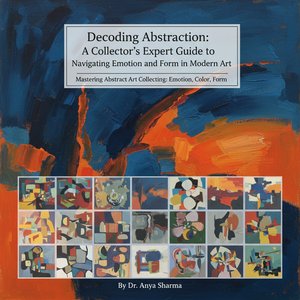 Bortom Representation: Att Tolka Känsla och Mening i Modern Abstrakt KonstUtforska den fascinerande världen av abstrakt konst! Lär dig tolka färg, emotion och mening i modernismens mästerverk. Expertguider, kända …