Visa i rummet
 Skicka
 Dela
Dela
 Detaljer
 Studentguide för konstverk

 Ladda ner
 Liknande objekt
 Röntgen
 Bildspel
 Besökstatistik
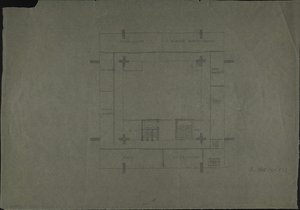
DEVELOPMENT SCHEMES. Existing buildings / development as currently intended / development as it should be intended
 Acrylic On Canvas
- WallArt
- Architectural Drafting
 47.0 x 36.0 cm
 Bauhaus Dessau Foundation
 Läs mer
Konstverket som visas på denna sida skyddas av upphovsrättslagen, vilket innebär att vi inte lagligt kan skapa eller sälja en identisk reproduktion. Detta skydd upprätthålls genom internationella avtal såsom den Bernkonventionen och genom nationella lagar, inklusive de som fastställs av Amerikansk upphovsrättslag – Titel 17. Alla rättigheter förbehållna. Återgivning av konstverk är förbjuden utan skriftligt tillstånd från WahooArt.
Denna metod följer fullt ut upphovsrättsliga regler eftersom den inte innebär kopiering eller duplicering av det skyddade konstverket. Istället är det en kreativ nytolkning – en ny målning som är influerad av originalet men inte identisk med det.
Giclée / Konsttryck
Giclée- eller canvasprint av museumskvalitet med snabb produktion och flexibla ytbehandlingsalternativ. ( Köp handmålat konstverk Byt till digital bildförsäljning)




P118B Skr10

P118H Skr10

P118W Skr10

P438Z Skr10

P508JH Skr12

P508YH Skr12

P805H Skr10

P805Z Skr10

P919BZ Skr10

P919G Skr10

P919XJ Skr10

P959ZH Skr10

P968JZ Skr12

W106C Skr8

W218G Skr10

W218JH Skr8

W218Y Skr10

W307PJ Skr10

W316G Skr10

W316PJ Skr8

W316Y Skr10

W398PJ Skr8

W4111J Skr10

W500HY Skr15

W500JH Skr15

W692G Skr12

W849H Skr8

W940BG Skr15

W953PJ Skr8




Välj bland våra förinställda storlekar som motsvarar konstverkets ursprungliga proportioner.

Ange den bredd och höjd du behöver, för att passa din ram eller din vägg. Ett tryck kan endast beskäras, aldrig göras större än bilden, vilket innebär att ett format med en annan formform leder till att en del av bilden går förlorad. Vi skickar en digital mockup för godkännande innan vi trycker något. Bilden som visas på denna sida visar inte den faktiska beskärningen — det är endast mockuppen som gör det.
Leverans över hela världen () på 2 veckor istället för standard 4/5 veckor. (22 oktober)

Fri expressfrakt över hela världen

Högkvalitativ linnecanvas

Fullständig fraktförsäkring

Garantier för återbetalning av tullavgifter

Garantier för exakt färgåtergivning

100 dagars returrätt vid fabrikationsfel

100% pengarna tillbaka-garanti

Mängdrabatt erbjuds
 Glasalternativet är endast tillgängligt i storlekar under 110 cm.

DEVELOPMENT SCHEMES. Existing buildings / development as currently intended / development as it should be intended
Giclée / Konsttryck
Reproduktionsstorlek
-


Totalpris
Skr 787
Franz Ehrlich’s Development Schemes: A Blueprint for Vision
This meticulously crafted architectural drawing by Franz Ehrlich, dated unknown but originating from the mid-20th century, transcends mere technical documentation; it embodies a profound reflection of modernist ideals and the ambition to reshape urban landscapes. Executed in black ink on paper—a testament to traditional drafting techniques—the artwork presents a striking visual narrative that speaks volumes about its creator’s artistic sensibilities and intellectual engagement with the burgeoning field of architectural planning.- Subject Matter: The drawing focuses squarely on urban development, depicting detailed plans for constructing new buildings alongside existing structures. It's not simply about construction; it’s about reimagining spaces and integrating them harmoniously into the broader cityscape.
- Style & Technique: Ehrlich adheres to a distinctly architectural drafting style—characterized by orthogonal projection and prioritizing dimensional accuracy over artistic embellishment. The use of hatching patterns subtly conveys depth and shading, lending an illusion of realism to the schematic representation. Precise lines delineate building outlines and structural elements, reflecting the meticulous attention to detail demanded by professional architects.
- Historical Context: Produced during a period marked by significant architectural experimentation—particularly influenced by the Bauhaus movement—the drawing embodies the modernist ethos of functionality, simplicity, and rational design. The Bauhaus’s emphasis on uniting art and craft aimed to liberate architecture from ornamentation and elevate it to a higher level of aesthetic expression.
- Composition & Visual Elements: The image is dominated by three horizontal rows of building designs arranged in a grid format—a deliberate choice that underscores the systematic planning inherent in urban development schemes. A rectangular border frames the artwork, reinforcing its formal character and conveying a sense of seriousness.
- Symbolism & Emotional Impact: Beyond its technical precision, the drawing evokes a powerful feeling of order, control, and optimism—reflecting the belief that architecture could contribute to creating more efficient and aesthetically pleasing environments. It’s a visual manifesto for shaping cities according to enlightened principles.
Detailed Examination of Drawing Techniques
Ehrlich's masterful use of hatching is particularly noteworthy. Rather than relying on shading gradients, he employs dense lines to simulate tonal variations within the building facades—a technique that maximizes clarity and minimizes visual distortion. The density of hatching corresponds directly to the perceived level of illumination, creating a convincing illusion of depth without resorting to perspective conventions. This deliberate stylistic choice underscores Ehrlich’s commitment to conveying spatial information accurately while maintaining an understated aesthetic sensibility.Exploring Connections to Bauhaus Ideals
The drawing's stylistic lineage can be traced directly back to the Bauhaus school in Dessau, where Ehrlich honed his artistic skills during a formative period of experimentation and innovation. Like other Bauhaus architects, Ehrlich championed the concept of “Gesamtkunstwerk”—a holistic approach to design that integrates various art forms into a unified aesthetic experience—rejecting the decorative excesses of Victorian architecture. This commitment to functionality and simplicity aligns perfectly with the drawing’s core message: architecture should serve humanity's needs while elevating its visual beauty.A Legacy of Precision and Vision
Franz Ehrlich’s “Development Schemes” remains a compelling exemplar of modernist architectural drafting—a testament to his artistic talent and intellectual curiosity. Its enduring appeal lies not only in its technical accuracy but also in its ability to communicate a powerful vision for shaping urban spaces—a vision rooted in the belief that architecture could contribute meaningfully to improving human life and fostering a more harmonious relationship between art and society.Frågor och svar
Vilken är den övergripande stämningen i "DEVELOPMENT SCHEMES. Existing buildings / development as currently intended / development as it should be intended" av Franz Ehrlich?
"DEVELOPMENT SCHEMES. Existing buildings / development as currently intended / development as it should be intended" har en Serene atmosfär.
Vilken är den emotionella tonen i "DEVELOPMENT SCHEMES. Existing buildings / development as currently intended / development as it should be intended" av Franz Ehrlich?
"DEVELOPMENT SCHEMES. Existing buildings / development as currently intended / development as it should be intended" av Franz Ehrlich förmedlar en Reflective emotionell ton.
Var rekommenderas det att visa Portrait-formatet av "DEVELOPMENT SCHEMES. Existing buildings / development as currently intended / development as it should be intended"?
Med sin Portrait-form rekommenderas en reproduktion av "DEVELOPMENT SCHEMES. Existing buildings / development as currently intended / development as it should be intended" för ett Living Room.
Om konstnären
tidigt liv och utbildning
Franz Ehrlich, en hyllad tysk arkitekt, kalligraf och grafisk designer, föddes 1907. Hans formativa år präglades av en medfödd fallenhet för konsten, vilket ledde honom till den berömda Bauhaus-skolan i Dessau mellan 1927 och 1930. Denna prestigefyllda institution spelade en avgörande roll i att forma Ehrlichs konstnärliga perspektiv och introducerade honom för tidens avantgardistiska rörelser.konstnärlig karriär och kommunistisk tillhörighet
Ehrlichs koppling till det kommunistiska partiet fick en djupgående inverkan på både hans liv och hans karrombana. År 1935 arresterades han och fängslades av naziregimen, en händelse som i grunden förändrade riktningen för hans konstnärliga strävanden. Trots dessa enorma prövningar fortsatte Ehrlich att bidra till konstvärlden och lämnade efter sig ett arv som är både inspirerande och tankeväckande.notabla verk
Bland Ehrlichs mest framstående verk återfinns:- 800 år. Das Buch [Boken]. Grundplan och vyer (utställningsställ för Leipzigmässan), ett bevis på hans innovativa ansats till design och arkitektur.
- Prof. Dr. Baumanns husutförande (grundplan), som uppvisar hans expertis inom arkitektonisk planering.
- 1933 (foto-skulpturalt reklamprojekt), en unik förening av fotografi och skulptur som belyser hans experimentella natur.
museer och samlingar med Ehrlichs verk
OriginalUniqueArt.com rymmer en omfattande samling av Ehrlichs verk, inklusive de som nämnts ovan. Även Bauhaus Dessau Foundation (Dessau-Roßlau, Tyskland) utgör ett betydelsefullt arkiv för hans konstnärliga gärning.arv och betydelse
Franz Ehrlichs bidrag till konstvärlden är mångfacetterade och speglar hans breda spektrum av intressen och talanger. Hans erfarenheter, både kreativa och personliga, erbjuder värdefulla insikter i skärningspunkten mellan konst och politik under ett avgörande ögonblick i den tyska historien.- se fler av Ehrlichs verk på https://OriginalUniqueArt.com/@/franz-ehrlich
- utforska Bauhaus Dessau Foundation och dess samling på Bauhaus Dessau Foundation (Dessau-Roßlau, Tyskland)
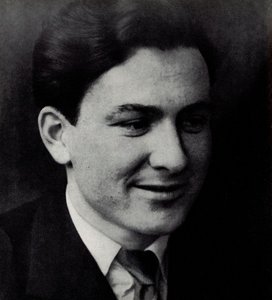
Franz Ehrlich
1907 - 1984 , Tyskland
Snabbfakta
- Artistic Movement Or Style: Bauhaus, Expressionism
- Artists Or Movements Influenced By This Artist:
- Bauhaus
- Ung kommunistisk liga
- Artists Who Influenced This Artist:
- Walter Gropius
- Moholy-Nagy
- Klee
- Joost Schmidt
- Date Of Birth: 1907
- Date Of Death: 1984
- Full Name: Franz Ehrlich
- Nationality: Tysk
- Notable Artworks:
- 800 ÅR. FRAMEWORK WALL 3
- Untitled (HKB I eller II)
- Målning med fiol
- Place Of Birth: Reuth, Tyskland
Relaterade artiklar

Edmund Dulac: A Master of Golden Age Illustration – Exploring Myth, Symbolism & Art Nouveau Legacy
Explore the captivating world of Edmund Dulac, a master of Golden Age illustration! Discover his enchanting fairy tales, Art Nouveau style, and lasting influence on art & design. Learn about *The Rubaiyat* and more.

The Refined Aesthetic of Victorian Illustration: A Study in Narrative & Technique
Explore the captivating world of Victorian illustration! Discover Pre-Raphaelite influences, key artists like Rossetti & Stephens, and the era's rich narrative detail. A deep dive for art enthusiasts.

Angelo Chiacchio: A Mid-Century American Illustration Master & the Rise of Commercial Art
Explore the captivating world of Angelo Chiacchio, a master of mid-century American illustration. Discover his evolution, signature style, and lasting impact on commercial art & design. Learn about his legacy at the Museum of American Illustration.
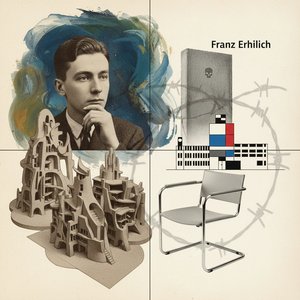
Franz Ehrlich: Bridging Expressionism, Bauhaus & the Shadows of History
Explore the life of Franz Ehrlich, a pivotal Bauhaus architect whose career spanned Expressionism, resistance during Nazi Germany, and GDR reconstruction. Discover his complex legacy & view museum-quality reproductions at OriginalUniqueArt.

Kay Rasmus Nielsen: A Golden Age Illustrator's Enchanting Legacy of Symbolism & Narrative
Explore the captivating world of Kay Rasmus Nielsen, a celebrated Golden Age illustrator renowned for his Art Nouveau fairy tale art & Disney contributions. Discover his unique style, enduring legacy, and how to collect his enchanting works.