Förhandsvisa
 Skicka
 Dela
Dela
 Visa detaljer
 Guide
Guide

 Ladda ner
 Liknande objekt
 Röntgen
 Bildspel
 Q&A
Q&A Statistik
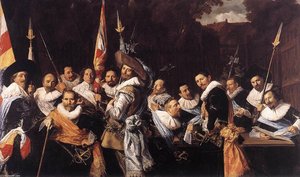
Herman Langelius


 Visa mer
Giclée / Konsttryck
Giclée- eller canvasprint av museumskvalitet med snabb produktion och flexibla ytbehandlingsalternativ. ( Beställ handmålad reproduktion Byt till digital bild)




P118B Skr10

P118H Skr10

P118W Skr10

P438Z Skr10

P508JH Skr12

P508YH Skr12

P805H Skr10

P805Z Skr10

P919BZ Skr10

P919G Skr10

P919XJ Skr10

P959ZH Skr10

P968JZ Skr12

W106C Skr8

W218G Skr10

W218JH Skr8

W218Y Skr10

W307PJ Skr10

W316G Skr10

W316PJ Skr8

W316Y Skr10

W398PJ Skr8

W4111J Skr10

W500HY Skr15

W500JH Skr15

W692G Skr12

W849H Skr8

W940BG Skr15

W953PJ Skr8




Välj bland våra förinställda storlekar som motsvarar konstverkets ursprungliga proportioner.

Ange den bredd och höjd du behöver för att passa din ram eller vägg. Ett tryck kan endast beskäras, aldrig göras större än originalbilden, vilket innebär att ett format med en annan proportion leder till att en del av bilden går förlorad. Vi skickar en digital mockup för godkännande innan vi påbörjar tryckningen. Bilden som visas på denna sida visar inte den faktiska beskärningen — det är endast mockuppen som gör det.
Leverans över hela världen () på 2 veckor istället för standard 4/5 veckor. (30 oktober)

Fri expressfrakt över hela världen

Högkvalitativ linnecanvas

Fullständig fraktförsäkring

Garantier för återbetalning av tullavgifter

Garantier för exakt färgåtergivning

100 dagars returrätt (endast vid fel)

100% pengarna tillbaka-garanti

Mängdrabatt erbjuds
 Glasalternativet är endast tillgängligt i storlekar under 110 cm.

Herman Langelius
Giclée / Konsttryck
Storlek på reproduktion
-


Slutgiltigt pris
Skr 804
The Intimate Gaze of Herman Langelius
Frans Hals’s “Herman Langelius,” painted around 1660, is more than just a portrait; it's a window into the soul of a man caught in a moment of quiet contemplation. This remarkable work, currently residing in the Musée de Picardie in Amiens, France, exemplifies Hals’s signature style – a masterful blend of realism and expressive brushwork that captures not only physical likeness but also an underlying sense of character and emotion. The painting depicts Herman Langelius, a Dutch Protestant minister, presented in a half-length pose, his gaze fixed directly upon the viewer with an intensity that is both arresting and profoundly human.
Hals’s technique here is particularly noteworthy. He employs a loose, almost impressionistic approach to rendering the figure, eschewing meticulous detail in favor of capturing the essence of Langelius's presence. Notice how the brushstrokes are visible, creating a textured surface that seems to vibrate with life. The chiaroscuro – the dramatic contrast between light and shadow – is expertly utilized, drawing attention to Langelius’s face and hands while subtly obscuring the background, further emphasizing his isolation and introspective mood. Hals was known for this technique, often referred to as “wet-on-wet,” where he applied paint while it was still wet, allowing colors to blend and merge organically.
A Baroque Masterpiece: Context and Style
“Herman Langelius” firmly situates itself within the vibrant context of the Dutch Golden Age. This period, roughly spanning from the mid-16th to the early 18th centuries, witnessed an unprecedented flourishing of art, science, and commerce in the Netherlands. Hals was a central figure in this artistic revolution, pushing boundaries with his innovative portraiture and genre scenes. His work stands apart from the more formal and idealized portraits favored by some of his contemporaries, instead embracing a sense of immediacy and spontaneity that reflects the dynamism of everyday life.
The painting’s Baroque style is evident in its dramatic lighting, rich textures, and emphasis on emotional expression. Baroque art, which flourished throughout Europe during this period, sought to evoke strong emotions in the viewer through grand gestures, intense colors, and dynamic compositions. Hals masterfully translates these principles into his portrait of Langelius, creating a work that is both visually stunning and emotionally resonant.
Symbolism and Character
Beyond its technical brilliance, “Herman Langelius” is rich in subtle symbolism. The subject’s direct gaze invites the viewer to engage with him on a personal level, suggesting a shared understanding or perhaps even a silent dialogue. His slightly melancholic expression hints at a contemplative nature, reflecting the burdens and responsibilities of his role as a minister. The dark clothing he wears also speaks to the solemnity of his profession.
Interestingly, Hals often painted what are known as “tronies”—studies of facial expressions rather than commissioned portraits. This approach allowed him to explore a range of human emotions and personalities without being constrained by specific requests from clients. The painting’s focus on Langelius's face—particularly his eyes—is a testament to Hals’s ability to capture the essence of a person through a single, powerful image.
A Timeless Portrait: Reproduction Possibilities
OriginalUniqueArt offers high-quality reproductions of “Herman Langelius,” allowing art lovers worldwide to experience the beauty and power of this iconic painting. Our meticulous printing process faithfully captures Hals’s distinctive brushwork and vibrant colors, ensuring that your reproduction will be a stunning addition to any home or office. Whether you're seeking an authentic representation for personal enjoyment or a sophisticated piece for interior design, our reproductions provide a remarkable way to connect with one of the Dutch Golden Age’s most celebrated artists.
Explore the full details and order your own reproduction today at OriginalUniqueArt.
Frågor och svar
Vilken palett och vilken dominerande färg definierar "Herman Langelius"?
Färgidentiteten i "Herman Langelius" av Frans Hals I: en Earthy-palett, dominerad av Phthalo Green (#282322).
Hur upplevs ljusstyrkan i "Herman Langelius" av Frans Hals I?
Den upplevda ljusstyrkan i "Herman Langelius" av Frans Hals I är deep_shadow. Den kan anpassas efter ljuset i det avsedda rummet.
Vilken färgpalett används i "Herman Langelius"?
"Herman Langelius" av Frans Hals I använder en Earthy färgpalett. Paletten sammanfattar verkets övergripande färgkaraktär.
Konstnärsbiografi
Frans Hals I: A Life in Paint
Frans Hals I was a Dutch painter born in Antwerp, Belgium, around 1580. Though his early life remains somewhat shrouded in mystery, he rose to become one of the most important figures of the Dutch Golden Age, celebrated for his innovative portraiture and genre scenes. His artistic legacy continues to inspire artists today.Early Life and Training
Details surrounding Hals’s formative years are scarce. It is believed he received initial artistic training in Antwerp, a prominent center for painting at the time – a place brimming with artistic ambition and experimentation. However, due to religious and political upheaval, his family relocated to Haarlem in the Netherlands. He became a member of the Haarlem Guild of St. Luke in 1610, marking the formal beginning of his professional career and solidifying his position within the influential artistic community of Haarlem.Artistic Style and Development
Hals distinguished himself through a remarkably fresh and spontaneous style. Unlike many of his contemporaries who favored meticulous detail, Hals employed a loose and expressive brushstroke. This technique imbued his paintings with a sense of immediacy and vitality, capturing the personality and character of his subjects in a way that was revolutionary for its time. He wasn’t merely recreating appearances; he sought to convey emotion and spirit. His portraits weren't simply likenesses; they were psychological studies—a daring departure from traditional artistic conventions. Hals excelled at depicting fleeting moments – laughter, conversation, or contemplation – as if frozen in time. Furthermore, his masterful use of light and shadow added depth and drama to his compositions, creating an atmosphere that drew viewers into the scene.Notable Works
While Hals produced a wide range of works, he is best known for his portraits. Some of his most celebrated paintings include:- The Laughing Cavalier (1624) – This iconic masterpiece exemplifies Hals’s ability to capture character and movement with breathtaking realism. The subject's joyous expression embodies the spirit of the era, showcasing Hals’s unparalleled skill in portraying human emotion.
- Malle Babbe (c. 1633-1635) – A striking portrayal of an elderly woman, Malle Babbe, exemplifies Hals’s profound understanding of age and personality. The painting captures the subtle nuances of expression and gesture, revealing a remarkable sensitivity to human experience.
- Portraits of the Regents of the Old Men's Home in Haarlem (1664) – Demonstrating his mastery of group portraiture, Hals skillfully captured the dignity and camaraderie of these distinguished figures. The composition is dynamic and engaging, reflecting Hals’s innovative approach to depicting multiple subjects simultaneously.
Influences and Legacy
Determining Hals’s direct influences is challenging, as he developed a highly individual style. However, it’s likely he was aware of the work of earlier Flemish painters like Pieter Bruegel the Elder – artists who similarly embraced realism and dramatic storytelling. His innovative approach to portraiture profoundly impacted subsequent generations of artists. Hals influenced figures such as Adriaen Brouwer and Johannes Vermeer, fostering a tradition of expressive brushwork and psychological insight. He championed a style that prioritized capturing emotion over mere representation, paving the way for Impressionist painters who sought to convey atmosphere and feeling. His legacy endures in museums across Europe and beyond, ensuring that Hals’s groundbreaking vision continues to inspire admiration and study.
Frans Hals I
1580 - 1585 , Belgien
Kortfakta
- Artistic Movement Or Style: Dutch Gouda Åldern
- Artists Or Movements Influenced By This Artist:
- Adriaen Brouwer
- Johannes Vermeer
- Artists Who Influenced This Artist: ['Pieter Bruegel den Äldre']
- Date Of Birth: c. 1580
- Full Name: Frans Hals I
- Nationality: Nederländska
- Notable Artworks:
- Leende Riddaren
- En äldre man med en rik sammetsmössa
- Place Of Birth: Antwerp, Belgien
Relaterade artiklar

Nederländsk Guldålder: Topp 10 mästerverk som definierade epoken – konst & heminredning
Utforska de 10 ikoniska mästerverken från den nederländska guldåldern! Lär känna Rembrandt, Vermeer och Hals – deras teknik & berättelser. Hitta konsttryck och inspiration för din heminredning på OriginalUniqueArt.com. Upptäck hela samlingen online!

Nederländsk Barock: Topp 10 Mästerverk som Definierade Epoken – Konst & Inredning
Upptäck de 10 ikoniska mästerverken som definierade nederländsk barock! Lär känna Rembrandt, Vermeer och andra stora konstnärer. Hitta inspiration & museumkvalitativa reproduktioner på OriginalUniqueArt.com – för ditt hem eller din samling.

Golden Age Reflections: Dutch Baroque Painting & Cultural Innovation
Explore the Dutch Golden Age of painting! Discover key artists like Vermeer & ter Borch, their innovative techniques, and the rich cultural context behind these Baroque masterpieces. Learn about collecting & appreciating this iconic art period.

Frans Hals I: Innovation, Intimacy & the Dutch Golden Age Portrait
Explore the revolutionary portraiture of Frans Hals I, a master of the Dutch Golden Age. Discover his innovative techniques, captivating character studies & lasting impact on art history. Learn more at OriginalUniqueArt.

Rembrandts 25 Mästerverk: En Konsthistorisk Resa för Hemmet
Utforska Rembrandts 25 mest ikoniska målningar! Lär känna historien bakom mästerverken, hans unika teknik och barockens ljusspel. Köp exklusiva konsttryck & tavlor online på OriginalUniqueArt.com – för en tidlös inredning.