
 Skicka
 Dela
Dela
 Visa detaljer

 Ladda ner
 Liknande objekt
 Bildspel
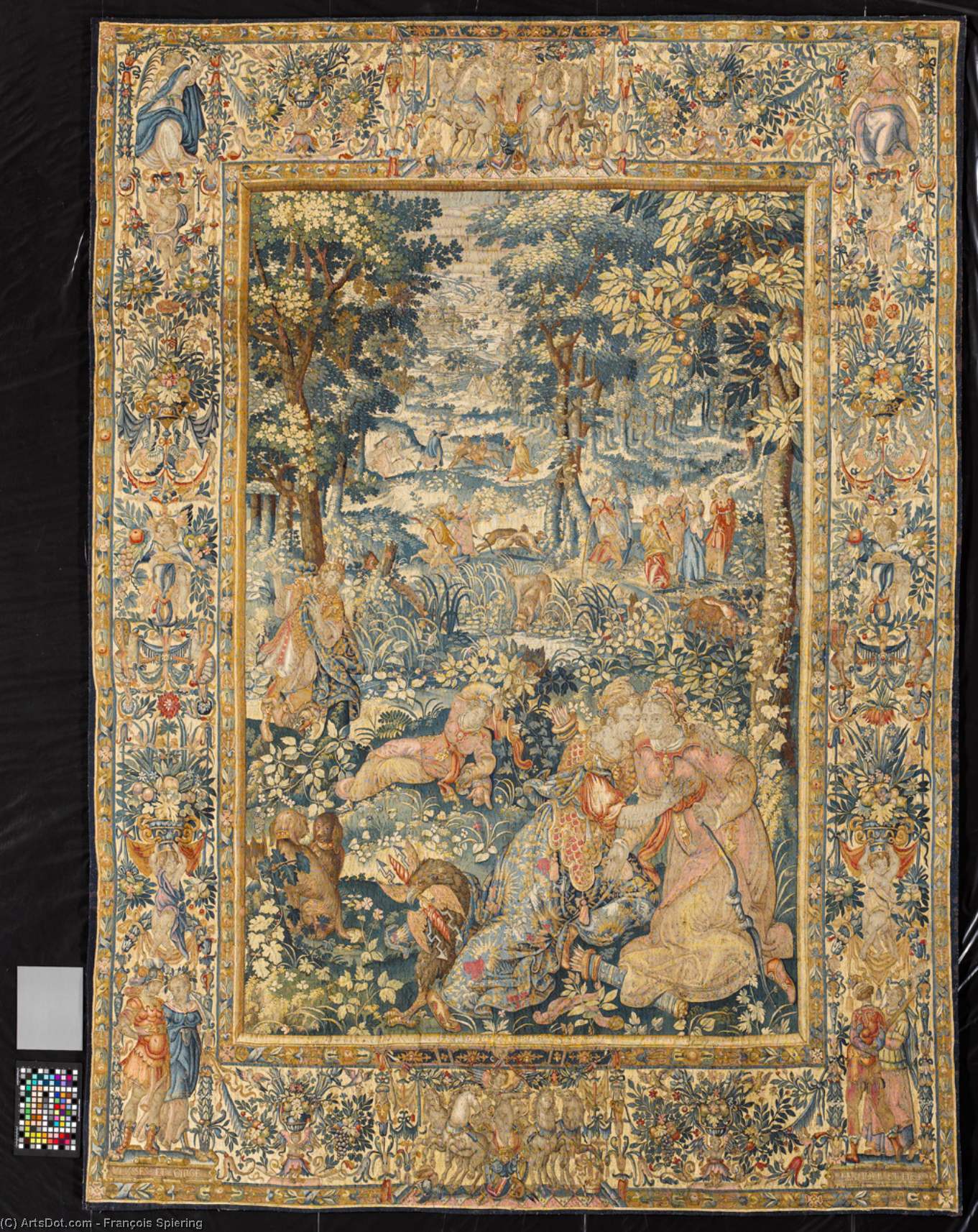
Jupiter and Callisto
 Tapestry
- Textile
- Baroque
 1593
1593- Early Modern
 360.0 x 260.0 cm
 Rijksmuseum
 Visa mer
Giclée / Konsttryck
Giclée- eller canvasprint av museumskvalitet med snabb produktion och flexibla ytbehandlingsalternativ. ( Beställ handmålad reproduktion Köp högupplöst bild)




































Välj bland våra förinställda storlekar som motsvarar konstverkets ursprungliga proportioner.

Du kan ange egna mått för att passa en specifik ram eller yta. Om det valda måttet inte överensstämmer med originalbildens proportioner kommer vi antingen att beskära konstverket eller utöka bilden med en speglad eller enfärgad kant. En digital mockup skickas för ditt godkännande innan produktionen påbörjas.
Vänligen notera att förhandsvisningen på skärmen inte återspeglar den faktiska beskärningen eller utökningen. Endast mockuppen visar den slutgiltiga kompositionen korrekt.
Även om anpassade storlekar är möjliga, rekommenderar vi att du väljer ett mått från den fördefinierade listan för att bevara de ursprungliga proportionerna.
Leverans över hela världen () på 2 veckor istället för standard 4/5 veckor. (18 augusti)

Fri expressfrakt över hela världen

Högkvalitativ linnecanvas

Fullständig fraktförsäkring

Garantier för återbetalning av tullavgifter

Garantier för exakt färgåtergivning

60 dagars returrätt (endast vid fabrikationsfel)

100% pengarna tillbaka-garanti

Mängdrabatt erbjuds
 Glasalternativet är endast tillgängligt i storlekar under 110 cm.

Jupiter and Callisto
Giclée / Konsttryck
Storlek på reproduktion
-


Slutgiltigt pris
$ 80
Om samlarobjektet
A Tapestry Woven from Myth and Drama
Behold this magnificent depiction of Jupiter and Callisto, a monumental work that transports the viewer into a realm where classical mythology unfolds with breathtaking grandeur. This is not merely a woven scene; it is an immersive narrative, executed in the opulent style characteristic of the late Baroque period. The sheer scale—a vast expanse measuring 360 by 260 centimeters—commands attention, inviting one to lose themselves within its richly detailed embrace. One can almost feel the weight and texture of the threads underfoot as the eye wanders across the lush, pastoral landscape that serves as both setting and character in this divine drama.
Mastery in Textile Artistry
The technique employed here is nothing short of miraculous: meticulous tapestry weaving. The artist, working with wool and silk threads, achieved a depth and luminosity rarely seen outside of the finest royal commissions. Observe how the weaver has manipulated the materials to create an illusion of three-dimensional space. The composition masterfully guides the eye through foreground action into a receding background, utilizing perspective so convincingly that the forest seems endless. The interplay between the dense, layered foliage and the smooth drapery of the figures speaks to an unparalleled technical virtuosity. It is a testament to the patient hands of a master artisan.
Baroque Drama and Divine Intervention
The stylistic hallmarks of the Baroque era are unmistakable. Dramatic lighting carves out moments of intense illumination against deep, velvety shadows, heightening the emotional stakes of every interaction. The lines guiding the composition are predominantly curvilinear, echoing the natural flow of the bodies and the sweeping curves of the abundant flora. While the subject matter centers on a divine encounter—suggesting themes related to Diana or Artemis's domain—the overall feeling is one of profound, dramatic narrative tension. It captures that quintessential moment where the gods intervene in the affairs of mortals, blending love, fate, and divine will into a single, breathtaking tableau.
Symbolism of the Verdant World
Every element within this tapestry seems imbued with symbolic meaning. The vibrant forest is more than just scenery; it represents fertility and untamed nature. The presence of delicate animals, such as deer and rabbits, grounds the divine drama in the rhythms of the natural world. The rich palette—dominated by deep blues, verdant greens, earthy browns, and flashes of gold—enhances this symbolic resonance. These colors speak of abundance, mystery, and the enduring power of nature juxtaposed against the eternal concerns of Olympus.
An Heirloom for the Connoisseur
To bring such a piece into your home is to acquire not just decoration, but a profound cultural artifact. It speaks to an appreciation for history, mythology, and unparalleled craftsmanship. Whether adorning a grand salon or serving as a breathtaking focal point in a library, this reproduction offers the collector, the designer, and the admirer alike a tangible connection to the artistic heights of the late sixteenth century. It is drama woven into permanence.
Konstnärsbiografi
François Spiering: Master of Dramatic Biblical Visions
Born in Flanders, Belgium, around 1549 and passing away in 1631, François Spiering remains a captivating figure within the history of Northern Renaissance art. While often overshadowed by his contemporaries, Spiering’s distinctive style – characterized by dramatic compositions, meticulous detail, and a masterful command of color – secured him a prominent place as a leading painter of biblical scenes and portraits during his time. His legacy is particularly evident in the collections of institutions like Fontainebleau and Cherbourg, where his works continue to draw admiration for their emotional intensity and technical brilliance.
Spiering’s early life remains somewhat shrouded in mystery, though it's believed he honed his skills within the bustling artistic environment of Antwerp. The city was a major center for textile production, particularly carpet weaving, and many painters found employment designing intricate patterns and figurative scenes for these luxurious creations. This connection to the tapestry workshop profoundly shaped Spiering’s career, influencing his compositional choices and his ability to render complex narratives with remarkable clarity. He arrived in Delft around 1592, seeking new opportunities after disruptions in Antwerp, establishing a thriving business that quickly gained renown.
The Tapestry Master: Technique and Influence
Spiering’s most celebrated work lies within the realm of tapestry design. He wasn't merely a decorator; he was a storyteller who translated biblical narratives into visually arresting images. His tapestries, often commissioned by wealthy patrons, were not simply decorative objects but powerful statements of faith and artistic skill. A key element of his technique involved meticulous attention to detail – from the folds of drapery to the expressions on the faces of his figures – creating a sense of palpable realism that was remarkably advanced for its time. He employed a vibrant color palette, utilizing rich reds, blues, and golds to heighten the drama and emotional impact of each scene.
Spiering’s workshop attracted talented assistants, most notably Karel van Mander the Younger, whose designs contributed significantly to the company's output. Van Mander’s ambition led him to eventually establish his own workshop, a move that resulted in a notable dispute over commissions. The influence of Spiering is also seen in the work of Pieter and Aert Spiering, his sons, who continued the family business after his death, preserving and expanding upon their father's artistic legacy.
Notable Works: Dramatic Narratives
Several of Spiering’s works offer compelling glimpses into his artistic vision. “Amadigi Rescuing Oriana” (1598) exemplifies his ability to convey intense emotion through dynamic composition and carefully rendered figures. The scene, drawn from Amadigi di Gaula by Tasso, is filled with dramatic tension as Amadigi attempts to rescue his beloved Oriana. “The Meeting between David and Abigail” showcases his skill in depicting intimate moments of human interaction, capturing the vulnerability and uncertainty of the characters involved. His “Scenes from the Amadigi di Gaula” further demonstrate his capacity for complex storytelling, bringing the epic poem to life with vivid detail and emotional resonance.
Legacy and Historical Significance
François Spiering’s contribution to 16th-century art extends beyond his individual works. He represents a pivotal link between the Mannerist style of Fontainebleau and the emerging Baroque aesthetic. His dramatic compositions, rich color palettes, and meticulous attention to detail foreshadowed many of the characteristics that would define later generations of artists. His tapestries, now housed in museums like Fontainebleau and Cherbourg, provide invaluable insights into the artistic practices and cultural values of his time. Furthermore, research by institutions like the RKD (Koninklijk Instituut voor Kunstgeschiedenis) continues to shed light on the life and work of this often-overlooked master, ensuring that his legacy endures.
His connection to Delft’s artistic community is also noteworthy; he was a respected figure within the city's guild system, contributing significantly to its vibrant cultural landscape. The influence of Spiering can be seen in the work of subsequent generations of artists, solidifying his place as a key player in the development of Northern Renaissance art.

françois spiering
1549 - 1631 , Belgium
Kortfakta
- Artistic Movement Or Style: Renaissance, Mannerism
- Artists Who Influenced This Artist: ['None],\n "Artists or movements influenced by this artist": [None']
- Date Of Birth: 1549, Flanders, Belgium
- Date Of Death: 1631
- Full Name: François Spiering
- Nationality: Flemish
- Notable Artworks:
- Amadigi Rescuing Oriana
- The Meeting between David and Abigail
- Scenes from the Amadigi di Gaula
- Place Of Birth: Flanders, Belgium
Relaterade artiklar

Barockens dramatik: Att föra prakt och känsla in i samtida interiörer
Upptäck barockens dramatik och lyx! Lär dig hur du integrerar denna klassiska stil i ditt hem med våra experttips och inspirerande exempel. Skapa en palatskänsla idag!

The Dramatic Flourish: Exploring the Baroque Movement's Enduring Legacy in Art History
Explore the dramatic world of Baroque art! Discover iconic artists like Caravaggio & Rubens, defining techniques, and its lasting impact on art history. Expert insights for collectors & enthusiasts at OriginalUniqueArt.

Barockens Mästerverk: Topp 10 konstverk som definierade en epok – OriginalUniqueArt.se
Upptäck barockens 10 största mästerverk! Caravaggio, Rembrandt, Bernini och fler. Lär känna historien bakom ikoniska målningar & skulpturer. Köp reproduktioner av hög kvalitet på OriginalUniqueArt.com – för en lyxig heminredning.
Echoes of Olympus: Mythological Narratives in Western Art Through the Ages
Explore the captivating history of mythological narratives in Western art! From ancient Greece to modern masterpieces, discover iconic artworks & symbolism. Expert analysis and high-quality reproductions at OriginalUniqueArt.

The Visceral Stage: Exploring Dramatic Narratives & Emotional Intensity in Baroque Art
Explore the dramatic world of Baroque art! Discover iconic masters like Caravaggio & Rembrandt, their techniques, and the movement's lasting impact. Expert insights for collectors & enthusiasts at OriginalUniqueArt.


