
 Förhandsvisa
 Skicka
 Dela
Dela
 Visa detaljer
 Guide
Guide

 Ladda ner
 Liknande objekt
 Röntgen
 Bildspel
 Frågor och svar
 Statistik
A Lady on Her Day Bed

- 57.0 x 68.0 cm


 Visa mer
Giclée / Konsttryck
Giclée- eller canvasprint av museumskvalitet med snabb produktion och flexibla ytbehandlingsalternativ. ( Beställ handmålad reproduktion Byt till digital bild)




P118B Skr10

P118H Skr10

P118W Skr10

P438Z Skr10

P508JH Skr12

P508YH Skr12

P805H Skr10

P805Z Skr10

P919BZ Skr10

P919G Skr10

P919XJ Skr10

P959ZH Skr10

P968JZ Skr12

W106C Skr8

W218G Skr10

W218JH Skr8

W218Y Skr10

W307PJ Skr10

W316G Skr10

W316PJ Skr8

W316Y Skr10

W398PJ Skr8

W4111J Skr10

W500HY Skr15

W500JH Skr15

W692G Skr12

W849H Skr8

W940BG Skr15

W953PJ Skr8




Välj bland våra förinställda storlekar som motsvarar konstverkets ursprungliga proportioner.

Ange den bredd och höjd du behöver för att passa din ram eller vägg. Ett tryck kan endast beskäras, aldrig göras större än originalbilden, vilket innebär att ett format med en annan proportion leder till att en del av bilden går förlorad. Vi skickar en digital mockup för godkännande innan vi påbörjar tryckningen. Bilden som visas på denna sida visar inte den faktiska beskärningen — det är endast mockuppen som gör det.
Leverans över hela världen () på 2 veckor istället för standard 4/5 veckor. (9 november)

Fri expressfrakt över hela världen

Högkvalitativ linnecanvas

Fullständig fraktförsäkring

Garantier för återbetalning av tullavgifter

Garantier för exakt färgåtergivning

100 dagars returrätt (endast vid fel)

100% pengarna tillbaka-garanti

Mängdrabatt erbjuds
 Glasalternativet är endast tillgängligt i storlekar under 110 cm.

A Lady on Her Day Bed
Giclée / Konsttryck
Storlek på reproduktion
-


Slutgiltigt pris
Skr 809
The Portrait’s Genesis: François Boucher and the Dawn of Rococo
François Boucher's "A Lady on Her Day Bed," painted in 1743, isn’t merely a portrait; it’s a carefully constructed tableau vivant—a snapshot of an era. Born into a family already touched by artistic talent, Boucher’s journey began humbly, apprenticed to François Lemoyne before securing the prestigious Grand Prix de Rome, a gateway to the heart of French art. This early success paved the way for his appointment to the Académie Royale de Peinture et de Sculpture and ultimately, to the role of Premier Peintre du Roi – a position that solidified his status as one of the most influential figures in the burgeoning Rococo style. The painting itself emerged from Boucher’s close collaboration with Madame de Pompadour, the influential mistress of Louis XV, reflecting the refined tastes and opulent sensibilities of the French court. It's a testament to the era’s fascination with pleasure, beauty, and the delicate balance between intimacy and public display.
- Rococo Roots: Boucher masterfully embodies the Rococo movement – characterized by its graceful curves, pastel palettes, and playful subject matter.
- Courtly Patronage: The painting’s creation was intrinsically linked to the patronage system of the French court, shaping both its aesthetic and its narrative.
- A Window into a World: The room depicted offers a glimpse into Boucher's own apartment, revealing his personal style and reflecting the trends of the time – particularly the embrace of Oriental influences.
An Intimate Scene: Marie-Jeanne Buzeau and the Model’s Role
At the heart of "A Lady on Her Day Bed" is Marie-Jeanne Buzeau, a woman whose identity remains somewhat shrouded in history but who nonetheless emerges as a captivating presence. Boucher frequently employed his wife as a model, capturing her likeness in numerous paintings and engravings – a practice that speaks to both their personal relationship and the artist’s desire to portray authentic beauty. The portrait isn't simply a representation of Buzeau; it’s an exploration of femininity, leisure, and the quiet dignity of domestic life. Her pose—relaxed yet poised, her legs crossed with effortless grace—suggests a moment of contemplation, perhaps a stolen respite from the demands of motherhood and household duties. The painting subtly challenges conventional representations of women in art, presenting a figure of serene beauty rather than one defined solely by her role as wife or mother.
Note: Historians believe Buzeau’s pose was deliberately inspired by Titian's Venus of Urbino, creating a witty commentary on classical ideals within the context of Rococo aesthetics.Symbolism and Detail: A Symphony of Refinement
Beyond its immediate beauty, "A Lady on Her Day Bed" is rich in symbolic detail. The porcelain figurine and tea service adorning the hanging étagère—a feature of Boucher’s apartment—are emblems of luxury and Oriental influence, reflecting the fashionable taste for exotic objects during the 18th century. The clock above the bed serves as a subtle reminder of time's passage, while the books suggest an appreciation for learning and intellectual pursuits. The carefully arranged flowers – likely roses and lilies – represent love and purity, further reinforcing the painting’s themes of domestic harmony and refined sensibility. Even the pink hue of the room contributes to the overall atmosphere of tranquility and indulgence.
Key Elements:- Porcelain Figurine: Symbolizes luxury and Oriental influence.
- Tea Service: Represents social status and refined taste.
- Clock: A reminder of time and the importance of leisure.
- Flowers: Represent love, purity, and beauty.
Emotional Resonance: A Moment Frozen in Time
“A Lady on Her Day Bed” transcends its status as a mere portrait; it evokes a profound sense of intimacy and nostalgia. The painting’s soft light, delicate brushstrokes, and carefully composed details create an atmosphere of serene beauty—a world removed from the pressures and anxieties of everyday life. It invites us to step into this private moment, to imagine the quiet pleasures of a leisurely afternoon, and to appreciate the artistry with which Boucher captured a fleeting glimpse of domestic tranquility. The painting’s enduring appeal lies in its ability to transport us back to a bygone era—a time of elegance, refinement, and an appreciation for the simple joys of life. It remains a powerful testament to Boucher's mastery and his profound understanding of human emotion.
Frågor och svar
Är färgerna i "A Lady on Her Day Bed" av François Boucher klara eller dämpade?
Färgen i "A Lady on Her Day Bed" har en mättnad på Balanced Soft och en intensitet på Balanced.
Varför är "A Lady on Her Day Bed" av François Boucher en så pass bra gåva?
Med sin Nostalgic emotionella ton rekommenderas "A Lady on Her Day Bed" av François Boucher som en gåva till Wedding.
Vilka är proportionerna för "A Lady on Her Day Bed" av François Boucher, och hur stor är den?
Formatet för "A Lady on Her Day Bed" är Landscape och originalet mäter 57 x 68 cm. Båda är användbara vid planering av en reproduktion.
Konstnärsbiografi
François Boucher: En Rococo-mästare i Frankrikes Själ
François Boucher (1703–1770) är en av de mest framstående och älskade konstnärerna från 1800-talets tidiga delar, en skicklig hantverkare inom den blomstrande rokokostilen. Hans verk uttrycker den elegans, sensualiteten och lekfullheten som präglade denna inflytelserika stil – en värld av drömmande palats, mytologiska berättelser och ett överflöd av skönhet.
En Början i Paris: Familjens Påverkan
François Boucher föddes den 29 september 1703 i Paris, Frankrike. Hans konstnärliga resa började under sin fars ledning, Jean Boucher, en mångsidig konsthandlare och målare. Redan som ung visade François ett stort intresse för skapande och fick tidigt lära sig grunderna i färg, form och komposition. Han var inte bara en talangfull individ utan också en del av en familj med konstnärliga rötter – en bakgrund som skulle forma hans utveckling.
Från Lemoyne till Prix de Rome
Vid sjutton års ålder fångade François Lemoynes målning uppmärksamhet hos den unga Boucher. Detta ledde till ett kort men avgörande lärlingskap under Lemoynes pennan, där han snabbt absorberade den senare stilens lätthet och ljushet – en rokokokänsla som skulle bli hans signum. Efter bara tre månader fortsatte Boucher sin utbildning hos gravören Jean-François Cars, vilket gav honom värdefull erfarenhet inom grafisk konst. Året 1720 nådde han ett monumentalt mål: han vann prestigefyllda Grand Prix de Rome, en tävling som öppnade dörrarna till den romerska akademin – en plats där han kunde studera klassiska mästare och utveckla sin egen stil.
Rom och Inspirationen
Bouchers tid i Italien var en transformativ period. Han studerade de antika monumenten, freskerna och målningarna som präglade den romerska kulturen. Han fascinerades av Titian, Tintoretto, Veronese och Tiepolo – konstnärer vars tekniker och kompositioner skulle påverka hans eget arbete djupt. Denna italienska inspiration ledde till en nyfinningsperiod där Boucher började experimentera med ljus, färg och form, vilket resulterade i ett mer dynamiskt och expressivt måleri.
Rococo-Hovkonstnär: Pompadours Favorit
Återvände Boucher till Frankrike 1731 och antogs omedelbart i den kungliga konstakademien. Hans debutmålning, *Rinaldo och Armida* (1734), blev en omedelbar succé och etablerade honom som en av sin tids mest framstående rokokokonstnärer. Han fick snabbt uppdrag att skapa dekorativa målningar för palats och herrgårdar, samt porträtt av adliga familjer. Hans mest inflytelserika kund var Madame de Pompadour, drottningens älskarinna, som blev hans främsta mecenat och gav honom möjlighet att utveckla sin konstnärliga vision.
Teman och Teknik
Bouchers verk spänner över en rad olika teman: mytologi, porträtt, genrebilder och landskap. Han var en mästare på att återge klassiska berättelser med en känsla för elegans och sensualitet. Hans *Breakfast* (1739) är ett exempel på hans förmåga att fånga vardagliga scener med en drömsk kvalitet. Likaså är hans porträtt av Madame de Pompadour, som visar henne i enlighet med rokokostilen – vacker, avslappnad och omgiven av symboliska detaljer. Boucher var också en skicklig landskapsmålare, vars idylliska scener utstrålar en känsla för harmoni och frid.
Ett Arv: Påverkan och Kritik
François Bouchers inflytande sträckte sig långt bortom hans egen tid. Han designade kostymer och rekvisita till teaterproduktioner, skapade tapeter för Beauvais-verkstäderna och samarbetade med Gobelins-fabriken. Hans anställning som *Premier Peintre du Roi* (Kunglig hovmålare) år 1765 cementerade hans status som den ledande konstnären i Frankrike. Trots att senare kritiker ifrågasatte rokokostilens ytlighet, är Bouchers bidrag till konsten obestridligt. Han inspirerade generationer av konstnärer och har lämnat ett bestående intryck på den franska konsthistorien.
Sammanfattning
François Boucher var en produkt av sin tid – en skicklig hantverkare som fångade den rokokos anda med elegans, sensualitet och lekfullhet. Hans verk är ett levande bevis på Frankrikes kulturella blomstring under 1700-talet och hans konst fortsätter att förtrolla och inspirera oss än idag.

François Boucher
1703 - 1770 , Frankrike
Kortfakta
- Artistic Movement Or Style: Rococo
- Artists Or Movements Influenced By This Artist: ['Jean-Honoré Fragonard']
- Artists Who Influenced This Artist:
- François Lemoyne
- Jean-François Cars
- Date Of Birth: 29 september 1703
- Date Of Death: 30 maj 1770
- Full Name: François Boucher
- Nationality: Fransk
- Notable Artworks:
- Rinaldo och Armida
- Frukostmåltiden
- Venus triumf
- Place Of Birth: Paris, Frankrike
Relaterade artiklar
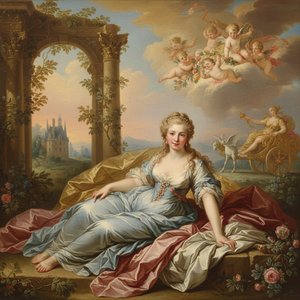
François Boucher: Rococo Master of Myth, Sensuality, and the French Court
Explore the captivating world of François Boucher, master of Rococo painting! Discover his iconic works, aristocratic patronage, and lasting influence on French art history. Learn more at OriginalUniqueArt.

The Rococo Aesthetic: Opulence, Rebellion & the Pursuit of Pleasure in 18th-Century Art
Explore the opulent world of Rococo art! Discover its origins, key artists like Watteau & Boucher, and lasting influence on design. Expert insights for collectors & enthusiasts.
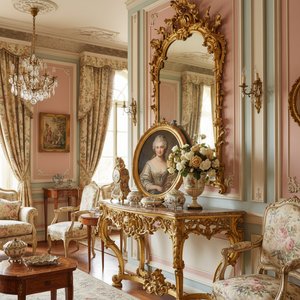
Rokokons mästerverk: Topp 10 konstverk som definierade epoken | OriginalUniqueArt.com
Upptäck rokokons 10 mest ikoniska mästerverk! Lär känna Boucher, Watteau & andra stora konstnärer. Vackra målningar fyllda av pastellfärger och elegans. Hitta din favorit – utforska hela kollektionen online på OriginalUniqueArt.com.

The Allure of Elegance in Art: A Historical & Aesthetic Exploration of Refinement & Grace
Explore the exquisite world of Rococo art! Discover its history, masters (Watteau, Boucher & more), and defining elegance. Expert insights for collectors seeking museum-quality reproductions & custom portraits.
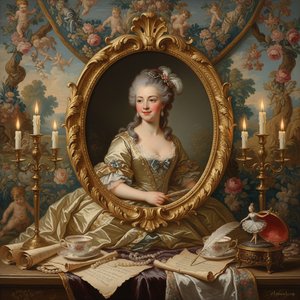
Elegance & Opulence: A Definitive Guide to the Grace and Grandeur of Rococo Portraiture
Discover the breathtaking elegance of Rococo portraiture. Explore an expert guide to 18th-century mastery, from pastel palettes to aristocratic grandeur, and learn how to bring this era of opulence into your home through museum-quality oil reproductions.

