
 Förhandsvisa
 Skicka
 Dela
Dela
 Visa detaljer
 Guide
Guide

 Ladda ner
 Liknande objekt
 Röntgen
 Bildspel
 Frågor och svar
 Statistik
The Nativity

- 53.0 x 60.0 cm


 Visa mer
Giclée / Konsttryck
Giclée- eller canvasprint av museumskvalitet med snabb produktion och flexibla ytbehandlingsalternativ. ( Beställ handmålad reproduktion Byt till digital bild)




P118B Skr10

P118H Skr10

P118W Skr10

P438Z Skr10

P508JH Skr12

P508YH Skr12

P805H Skr10

P805Z Skr10

P919BZ Skr10

P919G Skr10

P919XJ Skr10

P959ZH Skr10

P968JZ Skr12

W106C Skr8

W218G Skr10

W218JH Skr8

W218Y Skr10

W307PJ Skr10

W316G Skr10

W316PJ Skr8

W316Y Skr10

W398PJ Skr8

W4111J Skr10

W500HY Skr15

W500JH Skr15

W692G Skr12

W849H Skr8

W940BG Skr15

W953PJ Skr8




Välj bland våra förinställda storlekar som motsvarar konstverkets ursprungliga proportioner.

Ange den bredd och höjd du behöver för att passa din ram eller vägg. Ett tryck kan endast beskäras, aldrig göras större än originalbilden, vilket innebär att ett format med en annan proportion leder till att en del av bilden går förlorad. Vi skickar en digital mockup för godkännande innan vi påbörjar tryckningen. Bilden som visas på denna sida visar inte den faktiska beskärningen — det är endast mockuppen som gör det.
Leverans över hela världen () på 2 veckor istället för standard 4/5 veckor. (6 november)

Fri expressfrakt över hela världen

Högkvalitativ linnecanvas

Fullständig fraktförsäkring

Garantier för återbetalning av tullavgifter

Garantier för exakt färgåtergivning

100 dagars returrätt (endast vid fel)

100% pengarna tillbaka-garanti

Mängdrabatt erbjuds
 Glasalternativet är endast tillgängligt i storlekar under 110 cm.

The Nativity
Giclée / Konsttryck
Storlek på reproduktion
-


Slutgiltigt pris
Skr 811
A Vision of the Sacred – Francesco di Giorgio’s ‘The Nativity’
Francesco di Giorgio Martini's “The Nativity,” a captivating panel painting from around 1475-1480, transcends mere religious depiction; it’s an immersive experience of Renaissance idealism and architectural vision. Born in Siena during a period of burgeoning artistic innovation, Di Giorgio wasn’t simply a painter; he was a polymath—an architect, engineer, theorist, and sculptor all rolled into one remarkably inventive mind. This particular work embodies his unique approach, seamlessly blending elements of Sienese tradition with the emerging principles of perspective and humanist thought. The painting isn't merely a scene from the biblical narrative; it’s a carefully constructed space, imbued with a sense of serene contemplation and profound spiritual depth.

The composition immediately draws the eye to the central figures: Mary, Joseph, and the infant Jesus, nestled within a simple manger. Di Giorgio masterfully employs a flattened perspective, characteristic of his architectural studies, creating an illusion of depth that’s both elegant and subtly unconventional. The Virgin's pose is particularly striking – a kneeling figure radiating grace and humility, while the baby Jesus rests peacefully on her lap. Joseph stands behind them, a guardian figure rendered with quiet dignity. However, it’s not just the figures themselves that command attention; the background landscape—a distant vista of rolling hills and a rudimentary structure—is equally significant, hinting at Di Giorgio's architectural inclinations.
Architectural Echoes and Northern Influences
What truly distinguishes “The Nativity” is its unusual synthesis of influences. Di Giorgio’s upper register, particularly the arrangement of the angels, clearly echoes the sculptural reliefs of Donatello, a master of dynamic form and expressive emotion. These figures are not static; they seem to be caught in moments of contemplation or perhaps even divine inspiration. Conversely, the lower portion of the painting—the manger scene itself—demonstrates a clear admiration for Girolamo da Cremona’s work on choirbooks from Siena. This juxtaposition of styles – the monumental grandeur of Donatello and the intricate detail of Cremona – creates a fascinating tension within the composition, reflecting Di Giorgio's own intellectual curiosity and his desire to synthesize diverse artistic traditions.
Symbolism and Spiritual Resonance
Beyond its formal qualities, “The Nativity” is rich in symbolic meaning. The muted color palette—primarily earth tones and subtle blues—contributes to the painting’s atmosphere of serenity and reverence. The two birds present – one near the top left corner and another towards the bottom right side – are often interpreted as symbols of hope and divine guidance, further enhancing the painting's spiritual resonance. The carefully chosen placement of these elements suggests a deeper meditation on faith, humility, and the promise of salvation. It’s not simply a depiction of a biblical event; it’s an invitation to contemplate the mysteries of the human condition.
A Legacy of Innovation
“The Nativity” stands as a testament to Francesco di Giorgio Martini's extraordinary talent and his pioneering spirit. His architectural theories, documented in his treatise *Trattato di architettura, ingegneria e arte militare*, were remarkably advanced for their time, anticipating many of the innovations that would characterize Renaissance architecture. The painting itself represents a pivotal moment in Di Giorgio’s artistic development—a transition from the more conventional styles of his early career to a more personal and visionary approach. Reproductions of this remarkable work offer a glimpse into the mind of a true Renaissance polymath, a man who sought to unite art, science, and architecture in a single, harmonious expression.
Frågor och svar
Finns en högupplöst nedladdning av "The Nativity" tillgänglig?
"The Nativity" finns tillgänglig som en högupplöst digital bildnedladdning och kan köpas direkt på dess Digital bild i hög upplösning-sida.
Hur mättad är färgpaletten i "The Nativity"?
Färgpaletten i "The Nativity" har en mättnad på Balanced Soft.
Vilken känsla tillför "The Nativity" av Francesco di Giorgio Martini ett rum?
"The Nativity" av Francesco di Giorgio Martini har en Calm atmosfär och rekommenderas för ett Living Room. Stämningen är vad verket tillför det omgivande rummet.
Konstnärsbiografi
Renässansens universalgeni: Francesco di Giorgio Martinis liv och vision
I det italienska Quattrocentos levande väv framträder få gestalter lika monumentala eller mångfacetterade som Francesco di Giorgio Martini. Som en sann homo universalis sträckte sig hans intellekt över gränserna mellan den sköna konstens eteriska skönhet och ingenjörskonstens rigorösa precision. Martini föddes i Siena 1439 och trädde fram ur en period av djup kulturell transformation, då medeltidens skuggor drevs bort av humanismens ljus. Hans liv var inte blott en karriär inom konsten, utan en livslång strävan efter att förstå universums underliggande geometri, oavsett om den uttrycktes genom en Madonnas känsliga penseldrag eller genom de befästa murarna i en idealstad.
Martinis konstnärliga resa tog sin början under Vecchiettas vakande öga, en mästare inom den sienesiska skolan vars stil föredrog rytmiska, frislika kompositioner. Även om hans tidiga utbildning ingöt en djup respekt för religiös ikonografi och Sienas gracila traditioner, besatt Francesco en outsläcklig törst efter innovation. Han blickade bortom de lokala traditionerna mot det framväxande florentinska intresset för linjärperspektiv och antiken. Denna intellektuella nyfikenhet gjorde det möjligt för honom att transcendera sina föregångares dekorativa natur, och han berikade sina verk med en nyfunnen psykologisk djup och en sofistikerad behärskning av rumsliga relationer som senare skulle eka av Leonardo da Vincis genialitet.
En syntes av ande och struktur
Omfånget av Martinis kreativa produktion är inget mindre än svindlande. Som målare besatt han en sällsynt förmåga att förena det gudomliga med det påtagliga. I mästerverk som Madonna och barnet med helgon och änglar iakttar man en djup ömhet parat med en rigorös strukturell klarhet. Hans religiösa verk, däribland det monumentala Jungfru Marias kröning för katedralen i Siena, uppvisar hans förmåga att syntetisera klassisk storslagenhet med den emotionella kraft som krävs av sakral konst. Han avbildade inte bara heliga figurer; han placerade dem i en värld som kändes arkitektoniskt sund och fysiskt närvarande.
Men att betrakta Martini enbart genom målarens lins är att missa hans sanna genis hjärtslag. Hans bidrag till arkitektur och militärteknik var lika transformativa. Genom sitt Trattato di architettura erbjöd han mycket mer än bara tekniska ritningar; han presenterade en visionär ritning för città ideale—den ideala staden. Hans detaljerade illustrationer och manuskript avslöjar ett sinne besatt av proportionernas harmoni och försvarets strategiska nödvändighet. I dessa skisser ser vi fröna till modern stadsplanering, där skönhet och nytta existerar i en delikat, kalkylerad balans.
En arkitektonisk visionärs arv
Francesco di Giorgio Martinis historiska betydelse ligger i hans förmåga att överbrygga klyftan mellan konstnärens intuition och ingenjörens logik. Han var en man som inte såg någon skillnad mellan gracen i en skulpterad lem och styrkan i en stenbastion. Hans inflytande spred sig genom renässansen och formade hur efterföljande generationer närmade sig begreppet design som en integrerad disciplin. Hans liv, som fick sitt slut i Siena 1502, lämnade efter sig ett arv som fortsätter att resonera inom studierna av både konsthistoria och arkitekturteori.
För att reflektera över hans bestående inverkan kan man betrakta följande pelare av hans storhet:
- Mästerskap i perspektiv: Hans roll i att transformera sienessisk konst från dekorativ tradition till den högrenässansens rumsliga djup.
- Arkitektonisk innovation: Utvecklingen av teoretiska ramverk för stadsplanering och befästningskonst som påverkade århundraden av ingenjörskonst.
- Humanistisk integration: Den sömlösa sammanflätningen av klassisk anatomisk studie med religiös hängivenhet och vetenskaplig undersökning.
- Det polymatiska idealet: Att fungera som en definierande modell för renässansens skapare, där konst, vetenskap och intellekt är oskiljaktiga.

Francesco di Giorgio Martini
1439 - 1502 , Italien
Kortfakta
- Artistic Movement Or Style: Renässans
- Artists Or Movements Influenced By This Artist: ['Leonardo']
- Artists Who Influenced This Artist: ['Verrocchio']
- Date Of Birth: 23 sept 1439
- Date Of Death: 29 nov 1502
- Full Name: Francesco Maurizio di Giorgio Martini
- Nationality: Italienare
- Notable Artworks:
- Nativity
- Coronation
- Place Of Birth: Siena, Italien
Relaterade artiklar

Fra Angelicos 25 Mästerverk: Upptäck Renässansens Andliga Skönhet | OriginalUniqueArt
Utforska Fra Angelicos 25 mest ikoniska mästerverk – en resa genom renässansens andliga skönhet. Upptäck historien bakom varje fresk och panelmålning. Köp museumkvalitativa konsttryck på OriginalUniqueArt.com.
Jacob Henricus Maris: A Master of Dutch Atmospheric Realism & the Intimate Landscape
Explore the captivating world of Jacob Henricus Maris, a leading figure of the Dutch Hague School. Discover his atmospheric landscapes, signature brushstrokes & lasting influence on 19th-century art. Learn more at OriginalUniqueArt.

La Biennales 25 Mästerverk: Konsthistoriens Höjdpunkter i Venedig – Inspirera Ditt Hem med OriginalUniqueArt
Upptäck La Biennales 25 mest ikoniska konstverk i Venedig! Fördjupa dig i berättelserna bakom mästerverk från impressionism till samtida konst. Hitta inspiration & köp museumkvalitativa reproduktioner på OriginalUniqueArt.com.
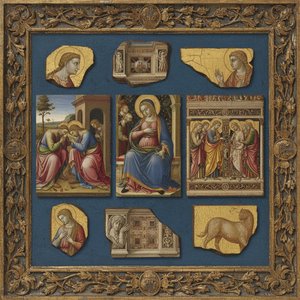
Proto-Renaissance Mästverk: 10 Verk som Formade Konsten – OriginalUniqueArt
Upptäck 10 ikoniska mästerverk från proto-renässansen – Cimabue, Giotto & Duccio. Lär känna historien bakom tidig renässanskonst och italienska målningar. Köp museumkvalitativa konsttryck på OriginalUniqueArt.com!

Giotto di Bondones 25 Mästerverk: Konsthistoriens Bästa Verk för Ditt Hem
Utforska Giotto di Bondones 25 mest ikoniska konstverk! Fördjupa dig i italiensk renässans, fresker & tidig konsthistoria. Hitta inspiration och museumskvalitativa reproduktioner på OriginalUniqueArt.com.


