
 Förhandsvisa
 Skicka
 Dela
Dela
 Visa detaljer
 Guide
Guide

 Ladda ner
 Liknande objekt
 Röntgen
 Bildspel
 Q&A
Q&A Statistik
The Penitent St Jerome

- 47.0 x 34.0 cm


 Visa mer
Giclée / Konsttryck
Giclée- eller canvasprint av museumskvalitet med snabb produktion och flexibla ytbehandlingsalternativ. ( Beställ handmålad reproduktion Byt till digital bild)




P118B Skr10

P118H Skr10

P118W Skr10

P438Z Skr10

P508JH Skr12

P508YH Skr12

P805H Skr10

P805Z Skr10

P919BZ Skr10

P919G Skr10

P919XJ Skr10

P959ZH Skr10

P968JZ Skr12

W106C Skr8

W218G Skr10

W218JH Skr8

W218Y Skr10

W307PJ Skr10

W316G Skr10

W316PJ Skr8

W316Y Skr10

W398PJ Skr8

W4111J Skr10

W500HY Skr15

W500JH Skr15

W692G Skr12

W849H Skr8

W940BG Skr15

W953PJ Skr8




Välj bland våra förinställda storlekar som motsvarar konstverkets ursprungliga proportioner.

Ange den bredd och höjd du behöver för att passa din ram eller vägg. Ett tryck kan endast beskäras, aldrig göras större än originalbilden, vilket innebär att ett format med en annan proportion leder till att en del av bilden går förlorad. Vi skickar en digital mockup för godkännande innan vi påbörjar tryckningen. Bilden som visas på denna sida visar inte den faktiska beskärningen — det är endast mockuppen som gör det.
Leverans över hela världen () på 2 veckor istället för standard 4/5 veckor. (2 november)

Fri expressfrakt över hela världen

Högkvalitativ linnecanvas

Fullständig fraktförsäkring

Garantier för återbetalning av tullavgifter

Garantier för exakt färgåtergivning

100 dagars returrätt (endast vid fel)

100% pengarna tillbaka-garanti

Mängdrabatt erbjuds
 Glasalternativet är endast tillgängligt i storlekar under 110 cm.

The Penitent St Jerome
Giclée / Konsttryck
Storlek på reproduktion
-


Slutgiltigt pris
Skr 803
The Penitent St Jerome: A Renaissance Echo of Spiritual Struggle
Filippino Lippi’s “The Penitent St Jerome,” painted in 1485, is more than just a depiction of a biblical figure; it's a profound meditation on faith, remorse, and the arduous path to redemption. The painting immediately draws the viewer into a world of stark contrasts – the cool, shadowed depths of the cave against the warm glow emanating from the central figure, the rough texture of the stone juxtaposed with the delicate folds of his robe. It’s a scene steeped in emotional intensity, rendered with the meticulous detail and psychological insight characteristic of the Florentine Renaissance.
Lippi masterfully employs perspective to create an immersive experience. The viewer is positioned as if observing St Jerome from a slightly elevated vantage point, peering into the darkness of his refuge. The receding cityscape in the background—a hazy, almost dreamlike vision of Florence—suggests both earthly constraints and the promise of spiritual transcendence. This architectural backdrop isn’t merely decorative; it subtly reinforces the theme of isolation and the struggle between the material world and divine grace.
A Masterclass in Renaissance Technique
The painting is executed primarily in oil on panel, a medium that allowed Lippi to achieve an extraordinary level of realism and luminosity. Note the subtle gradations of color – the deep blues and purples of the shadows, the earthy browns and ochres of the stone, and the rich crimson of the saint’s robe. Lippi's brushwork is remarkably controlled, yet imbued with a sense of movement and dynamism. The texture of the rock face is rendered with astonishing accuracy, inviting the viewer to almost feel its rough surface beneath their fingertips. This attention to detail extends to the folds of the fabric, which appear both weighty and fluid, conveying the saint’s physical suffering.
The pyramidal composition—a hallmark of Renaissance art—anchors the scene and directs the eye towards St Jerome. The figure dominates the center, radiating a quiet intensity that speaks volumes about his inner turmoil. The use of chiaroscuro – the dramatic interplay of light and shadow – further emphasizes this sense of drama and psychological depth. Lippi doesn’t simply depict a saint; he captures the very essence of his struggle.
Symbolism and Spiritual Resonance
“The Penitent St Jerome” is rich in symbolic meaning. The cave itself represents both physical isolation and spiritual retreat, a place where the saint can confront his past sins and seek forgiveness. The stone he uses to beat his chest is a potent symbol of self-flagellation – a practice associated with penance and repentance. The small lion, traditionally an attribute of St Jerome, is barely visible in the background, perhaps suggesting the fading power of earthly dominion and the triumph of spiritual authority.
The presence of the crucifix—a subtle but crucial element—underscores the central theme of redemption through sacrifice. St Jerome’s posture – hunched over, his face etched with sorrow – conveys a profound sense of humility and devotion. The painting isn't merely about suffering; it’s about transformation, about the possibility of finding solace and grace amidst pain and regret.
A Timeless Meditation on Faith
“The Penitent St Jerome” remains a powerfully evocative work of art, offering viewers a glimpse into the complexities of faith, repentance, and the human condition. It’s a testament to Lippi's artistic skill and his profound understanding of the spiritual themes he explored. Reproductions of this masterpiece capture not only its visual beauty but also the emotional weight and timeless resonance of its message – a reminder that even in our darkest moments, redemption is always within reach.
Frågor och svar
Hur intensiv är färgsättningen i "The Penitent St Jerome" av Filippino Lippi?
Färgintensiteten i "The Penitent St Jerome" är Monochromatic. Intensitet beskriver hur starka färgerna upplevs.
Kan jag se "The Penitent St Jerome" av Filippino Lippi i olika ljus?
Röntgenvyn av "The Penitent St Jerome" av Filippino Lippi finns på verkets Röntgenanalys-sida: en interaktiv undersökning av bilden genom elva optiska lager.
Vilken är den övergripande stämningen i "The Penitent St Jerome" av Filippino Lippi?
"The Penitent St Jerome" har en Dramatic atmosfär.
Konstnärsbiografi
Filippino Lippis tidiga liv och utbildning
- Född: April 1457, Prato, Italien
- Död: April 1504
- Föräldrar: Fra Filippo Lippi (målare) och Lucrezia Buti
- Filippino var den utomäktliga sonen till en berömd målare.
- Den tidiga utbildningen under hans far lade grunden för hans konstnärliga karriär. Fra Filippo Lippi, känd för sin lyriska stil och innovativa kompositioner, introducerade Filippino i renässansens tekniker och ideal.
Konstnärlig karriär och utveckling
- Tidiga perioden (1475-1480): Tidiga verk, såsom madonnor, visade en mindre förfinad stil. Dessa tillskrevs initialt en anonym konstnär känd som "amico di Sandro". Denna tid präglades av att Filippino sökte sin egen röst samtidigt som han absorberade influenser från samtida mästare.
- Utveckling (1480-1485): Utvecklingen mot en mer personlig och effektiv stil i verk som *Tobias resor*. Under denna fas började Filippino experimentera med dramatiska ljuseffekter och komplexa narrativer, vilket visade hans växande konstnärliga mognad.
- Mognad (1485-1504): Bemästrande av High Renaissance-stilen, exemplifierat av *Kristi uppenbarelse för Jungfru Maria*. Filippino nådde höjdpunkten av sin karriär och skapade verk som kännetecknades av en harmonisk balans mellan form, färg och komposition.
Stora verk och samarbeten
- Samarbete med Perugino, Ghirlandaio och Botticelli på fresker i Lorenzo de' Medicis villa. Detta prestigefyllda uppdrag gav Filippino möjlighet att arbeta sida vid sida med några av renässansens mest framstående konstnärer och utbyta idéer och tekniker.
- Fullbordan av Masaccios ofullständiga dekoration i Brancacci-kapellet tillsammans med Masolino. Detta projekt var en viktig milstolpe i Filippinos karriär, eftersom det innebar att han fortsatte arbetet med en av renässansens mest inflytelserika freskcykler.
- Anmärkningsvärda verk inkluderar: *Jungfru Marias kröning*, *Tobias och ängeln*, *Sankt Jeronymus* och *Scen ur Sankt Tomas av Aquinos liv*. Dessa verk visar Filippinos mångsidighet och hans förmåga att hantera en mängd olika ämnen och kompositioner.
Influenser och konstnärlig stil
- Tidiga influenser: Sandro Botticelli, Fra Filippo Lippi. Båda dessa mästare hade en djupgående inverkan på Filippinos tidiga utveckling, särskilt när det gäller hans användning av linjer och färg.
- Stilistiska drag: Animering av form och linje, varm kolorism, detaljerade landskap, uttrycksfulla figurer och en blandning av perspektivgeometri med intima interiörer. Filippinos stil kännetecknades av en dynamisk energi och en känsla för realism som var unik för hans tid.
- Romantiska antikviteter: Studier efter romerska antikviteter under hans vistelse i Rom påverkade hans verk, genom att införliva ett antikt vokabulär i sin konst. Detta bidrog till en ökad känsla av monumentalitet och klassisk skönhet i hans kompositioner.
Historisk betydelse och arv
- En ledande florentinsk förespråkare för traditionen med stora freskcykler. Filippino var känd för sin förmåga att skapa storskaliga, komplexa narrativer som fängslade betraktaren.
- Hans inflytande på High Renaissance är obestridligt. Hans verk inspirerade en generation av konstnärer och bidrog till utvecklingen av renässansens stil.
- Verk finns i museer över hela världen, inklusive Uffizigalleriet i Florens. Detta vittnar om hans varaktiga popularitet och betydelse inom konsthistorien.
- Känd för att överbrygga klyftan mellan tidigare renässansstilar och den framväxande High Renaissance-estetiken. Filippino representerade en övergångsperiod i konsten, som kombinerade traditionella tekniker med nya idéer och perspektiv.
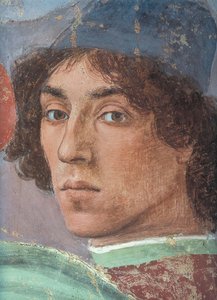
Filippino Lippi
1457 - 1504 , Italien
Kortfakta
- Artistic Movement Or Style: Högrenässans
- Artists Or Movements Influenced By This Artist: ['Raffaellino del Garbo']
- Artists Who Influenced This Artist:
- Fra Filippo Lippi
- Sandro Botticelli
- Date Of Birth: April 1457
- Date Of Death: April 1504
- Full Name: Filippino Lippi
- Nationality: Italiensk
- Notable Artworks:
- Coronation of the Virgin
- Tobias och ängeln
- St Jerome
- Place Of Birth (City And Country): Prato, Italien
Relaterade artiklar

Filippino Lippi: Renaissance Innovation Bridging Faith & Humanism
Explore the captivating world of Filippino Lippi, a Renaissance master bridging faith & humanism through innovative art. Discover his key works, influences, and lasting legacy with OriginalUniqueArt.

Olja på duk: En tidlös teknik – Historik, process och konstnärliga möjligheter
Utforska oljemålningskonsten! Lär dig om flamländsk teknik, materialval och historisk utveckling. Expertguider för både nybörjare och erfarna konstnärer – bevara dina målningar med bästa praxis.

The Enduring Power of Painting: A Historical & Contemporary Exploration of Form and Emotion
Explore the rich history & enduring techniques of oil painting with OriginalUniqueArt. Discover masterpieces, learn about art collecting, and find authentic handmade reproductions crafted by skilled artists.
Filippo Lippi: Bridging Renaissance Devotion & Artistic Innovation
Explore the life & revolutionary art of Filippo Lippi, a pivotal Renaissance painter. Discover his masterpieces, influence on Botticelli, and investment potential. Expert analysis at OriginalUniqueArt.

The Enduring Legacy of Oil on Canvas: Technique, History & Aesthetic Impact
Explore the rich history & techniques of oil painting – from Renaissance masters to Impressionism. Discover pigments, layering methods, and why this timeless medium endures. Expert insights for artists & art enthusiasts.
