

 Visa i rummet
 Skicka
 Dela
Dela
 Detaljer
 Studentguide för konstverk

 Ladda ner
 Liknande objekt
 Röntgen
 Bildspel
 Besökstatistik
Walk in the hills


 Läs mer
Konstverket som visas på denna sida skyddas av upphovsrättslagen, vilket innebär att vi inte lagligt kan skapa eller sälja en identisk reproduktion. Detta skydd upprätthålls genom internationella avtal såsom den Bernkonventionen och genom nationella lagar, inklusive de som fastställs av Amerikansk upphovsrättslag – Titel 17. Alla rättigheter förbehållna. Återgivning av konstverk är förbjuden utan skriftligt tillstånd från WahooArt.
Denna metod följer fullt ut upphovsrättsliga regler eftersom den inte innebär kopiering eller duplicering av det skyddade konstverket. Istället är det en kreativ nytolkning – en ny målning som är influerad av originalet men inte identisk med det.
Giclée / Konsttryck
Giclée- eller canvasprint av museumskvalitet med snabb produktion och flexibla ytbehandlingsalternativ. ( Köp handmålat konstverk Byt till digital bildförsäljning)




P118B Skr10

P118H Skr10

P118W Skr10

P438Z Skr10

P508JH Skr12

P508YH Skr12

P805H Skr10

P805Z Skr10

P919BZ Skr10

P919G Skr10

P919XJ Skr10

P959ZH Skr10

P968JZ Skr12

W106C Skr8

W218G Skr10

W218JH Skr8

W218Y Skr10

W307PJ Skr10

W316G Skr10

W316PJ Skr8

W316Y Skr10

W398PJ Skr8

W4111J Skr10

W500HY Skr15

W500JH Skr15

W692G Skr12

W849H Skr8

W940BG Skr15

W953PJ Skr8




Välj bland våra förinställda storlekar som motsvarar konstverkets ursprungliga proportioner.

Ange den bredd och höjd du behöver, för att passa din ram eller din vägg. Ett tryck kan endast beskäras, aldrig göras större än bilden, vilket innebär att ett format med en annan formform leder till att en del av bilden går förlorad. Vi skickar en digital mockup för godkännande innan vi trycker något. Bilden som visas på denna sida visar inte den faktiska beskärningen — det är endast mockuppen som gör det.
Leverans över hela världen () på 2 veckor istället för standard 4/5 veckor. (23 oktober)

Fri expressfrakt över hela världen

Högkvalitativ linnecanvas

Fullständig fraktförsäkring

Garantier för återbetalning av tullavgifter

Garantier för exakt färgåtergivning

100 dagars returrätt vid fabrikationsfel

100% pengarna tillbaka-garanti

Mängdrabatt erbjuds
 Glasalternativet är endast tillgängligt i storlekar under 110 cm.

Walk in the hills
Giclée / Konsttryck
Reproduktionsstorlek
-


Totalpris
Skr 793
A Vision of Volumetric Stillness
In the vast landscape of twentieth-century Latin American art, few figures command attention with as much whimsical gravity as Fernando Botero. His 1977 masterpiece, Walk in the hills, serves as a profound window into the artist's signature aesthetic, often referred to as "Boterismo." At first glance, the painting presents a scene of quietude: a solitary figure, draped in heavy, dark garments and crowned with a black hat, stands amidst the rolling greenery of a hillside. Yet, beneath this deceptively simple surface lies a complex exploration of form and presence. Botero utilizes exaggerated volumes to breathe life into his subjects, transforming the human figure into a monumental sculpture of flesh and fabric that commands the space it occupies.
The technique employed in this work is a masterful nod to the Naïve Art and Primitivism movements. Rather than striving for hyper-realistic anatomical precision, Botero embraces a deliberate, smoothed texture and a simplified perspective that evokes a sense of timelessness and innocence. This stylistic choice allows the viewer to bypass the distractions of modern complexity and focus on the pure, sculptural essence of the subject. The brushwork is controlled and smooth, creating a surface where light and shadow play softly across the rounded contours of the priest, lending the piece a tactile quality that makes it an exquisite centerpiece for any sophisticated interior.
Symbolism and the Weight of Tradition
Beyond its aesthetic allure, Walk in the hills is a deeply symbolic narrative that invites intense contemplation. The central figure, a priest characterized by a peculiar, cross-eyed gaze, stands as a silent sentinel within the natural world. He holds an umbrella—a curious object to carry on a clear day—which serves as a poignant metaphor for a psychological or institutional defense mechanism. This umbrella represents a barrier, a way of shielding oneself from the external realities of the world, much like the insulating layers of bureaucracy or religious dogma can isolate an individual from true experience. The presence of the cross in his hand further anchors the piece in themes of spirituality and the heavy mantle of tradition.
There is a palpable sense of inertia within the composition; the priest does not move through the hills so much as he exists within them, embodying a state of passive existence. This tension between the vibrant, living landscape and the static, shielded figure creates an emotional resonance that is both unsettling and deeply moving. For the collector, this painting offers more than just visual beauty; it provides a conversation piece that explores the human condition, the concept of isolation, and the delicate balance between protection and disconnection.
An Elegant Addition to the Modern Collection
For interior designers and art enthusiasts alike, a high-quality reproduction of Walk in the hills offers a unique opportunity to introduce character and intellectual depth into a living space. The painting’s palette—a harmonious blend of earthy greens, deep blacks, and soft sky tones—allows it to integrate seamlessly into various decor styles, from contemporary minimalism to classic, traditional settings. Its ability to evoke both a sense of peace and a subtle, underlying critique makes it a versatile and captivating work.
Owning a piece that captures the essence of Botero’s genius means bringing a fragment of Colombian visionary art into one's private sanctuary. Whether placed in a sunlit gallery or a quiet study, this work continues to perform its primary function: inviting the observer to pause, to look closer, and to reflect on the beautiful, voluminous complexities of life itself.
Frågor och svar
Hur förhåller sig motivet i "Walk in the hills" till Fernando Boteros vanliga teman?
Fernando Boteros återkommande teman inkluderar naive art influences, primitivism aesthetic, religious institution critique, societal inertia themes, symbolic religious imagery, exploration of volume, boterismo style development; "Walk in the hills" fokuserar på priest, nature, symbolism, religious, boterismo, hillside, introspection.
Är "Walk in the hills" överlag mer ljus eller mer mörk?
"Walk in the hills" av Fernando Botero har registrerats med en ljusstyrka på shadow och en luminans på Gentle Luminance.
Hur många personer ser "Walk in the hills"?
Statistik för "Walk in the hills" av Fernando Botero finns på verkets Statistik-sida: månatliga besök för verket, besök för konstnärens verk samt uppdelning av nyligen anlända besökare per land och språk.
Om konstnären
Fernando Botero: En Colombiansk Visionär – Liv och Konst
Fernando Botero Angulo, född i Medellín, Colombia 1932, är en av Latinamerikas mest erkända konstnärer. Hans resa började inte i de prestigefyllda konstakademiernas salar, utan mitt i den livfulla vardagen och den barockrika stämningen i hans hemstad. Från tidig ålder, isolerad från de etablerade konstströmmarna, hittade Botero inspiration i Medellíns utsmyckade kolonnadkyrkor och pulserande stadsliv – en formande upplevelse som skulle prägla hans unika konstnärliga vision. Denna tidiga exponering för skönhet och detaljrikedom väckte en primitivistisk känsla, en uppskattning för enkla men kraftfulla former, vilket blev ett kännemärke i hans stil. Initialt lockades han av bullfightingens dramatik, där han finsmakad sina färdigheter genom teckning, men insåg snabbt att hans väg låg bortom arenan och mot en bredare utforskning av form och volym.Boterismens Genesis – En Avvikande Stil
Boteros konstnärliga utveckling präglades av ett medvetet avståndstagande från europeisk modernism. Efter studier i Madrid och Paris, kände han sig desillusionerad över de rådande avantgardistiska rörelserna. Istället vände han inåt, sökte inspiration i de gamla mästarna – Velázquez, Goya och Titian – och återupptäckte kraften i klassisk form. Denna utforskning ledde till födelsen av ”Boterism”, en stil som kännetecknas av generösa, överdrivna volymer. Det handlade inte bara om att måla ”feta människor”, som vissa kritikers förenklade beskrivningar antydde; det var en medveten manipulation av proportioner, en hyllning till sensualitet och överflöd, och en subtil kommentar på sociala och politiska realiteter. Hans figurer – mänskliga, djurlika eller stilla liv – utstrålar en monumental närvaro, fylld av värme och en tyst värdighet. De tidiga 1960-talen såg konsolideringen av denna stil, med målningar som *Presidential Family* (1967) som blev ikoniska representationer av hans växande estetik. Denna verk, i synnerhet, satiriserade subtilt Colombias politiska eliter samtidigt som den visade upp den fängslande attraktionen hos Boteros rundade former.Inflytanden och Inspirationskällor
Boteros konstnärliga resa var starkt influerad av hans barndomsmiljö i Medellín, men också av en djupgående studieresa till Europa. Han fascinerades av den italienska renässansens mästerverk, särskilt målningarna i Uffizierna i Florens och de komplexa freskerna i Vatikanen. Dessa verk, tillsammans med klassisk skulptur och barockarkitektur, blev viktiga inspirationskällor för hans stil. Han studerade också den mexikanska konstens traditioner, särskilt Diego Riveras politiska muralmålningar, som påverkade hans syn på samhället och hans förmåga att använda konsten som ett verktyg för social kommentar. Botero var också en ivrig samlare av gamla mästerverk, vilket ledde till att han kopierade och studerade deras tekniker och idéer – något han senare skulle återkomma till i sina egna verk.Från Målningar till Skulpturer – En Utvidgning av Formen
Efter att ha etablerat sig som en framstående målare, utökade Boteros konstnärliga ambitioner sig till skulptur 1973, efter sin flytt till Paris. Denna övergång visade sig vara transformativ, vilket gav honom möjlighet att utforska form och volym i tre dimensioner. Hans monumentala bronsskulpturer började placeras ut i offentliga rum runt om i världen – parker i New York, Florens och Medellín – och blev älskade landmärken som symboliserade hans konstnärliga vision. Dessa skulpturer var inte bara förstoringar av hans målningar; de hade en unik fysisitet, som inbjöd tittarna att engagera sig med dem på ett taktilt sätt. Utöver måleri och skulptur visade Botero också en mångsidighet genom teckningar och collager, ofta behandlande politiskt laddade ämnen. Hans *Violence* -serie, skapad i reaktion på den eskalerande konflikten i Colombia, är ett kraftfullt bevis på hans engagemang för samhällskommentarer. På liknande sätt visade hans *Abu Ghraib*-serie direkt på misshandlarna i det irakiska fängelset och demonstrerade hans vilja att konfrontera svåra sanningar genom konst.Boteros Arv – En Global Konstnär
Fernando Botero har lämnat ett outplånligt avtryck på den konstnärliga världen. Han blev en kulturell ikon i Colombia, där han generöst donerade statyer och målningar till museer och offentliga utrymmen, vilket cementerade hans plats som en nationell skattkista. Hans verk överträffar geografiska gränser och resonerar med publiken runt om i världen genom sina universella teman om mänsklighet, sensualitet och social kritik. Medan vissa initialt avfärdade ”Boterism” som bara en stilistisk kuriositet, har den nu erkänts som ett betydande bidrag till figurativ konst. Han utmanade konventionella uppfattningar om skönhet och proportioner och inbjöd tittarna att ompröva sina perceptioner av den mänskliga formen. Hans inflytande kan ses i arbetet hos många samtida konstnärer som utforskar teman för kroppsbild, social satir och kulturell identitet. Botero dog 2023 vid 91 års ålder, lämnade efter sig en otrolig samling verk som fortsätter att fängsla och provocera tankar.Nyckeldrag och Ikoniska Verk
- Stil: Boterism – kännetecknas av överdrivna volymer och proportioner.
- Inflytanden: Barock konst, gamla mästare (Velázquez, Goya, Titian), latinamerikansk folkkonst, pre-kolumbiansk konst.
- Teman: Colombias kultur, social satir, politisk kommentar, sensualitet, den mänskliga formen.
- Ikoniska verk: *Mona Lisa, Age Twelve* (1959), *Presidential Family* (1967), *Dancers* (1987), *Death of Pablo Escobar* (1999), *La Paloma de la Paz* (2016).
- Utmärkelser: Internationella Skulpturcentrets livstidsutmärkelse för framstående inom samtida skulptur (2012).

Fernando Botero
1932 - 1959 , Colombia
Snabbfakta
- Artistic Movement Or Style: Boterismo
- Artists Who Influenced This Artist:
- Diego Rivera
- Goya
- Velázquez
- Date Of Birth: 19 apr 1932
- Date Of Death: 15 sep 2023
- Full Name: Fernando Botero Angulo
- Nationality: Colombiansk
- Notable Artworks:
- Mona Lisa, Ålder 12
- Presidentfamiljen
- Dansare
- Place Of Birth: Medellín, Colombia
Relaterade artiklar
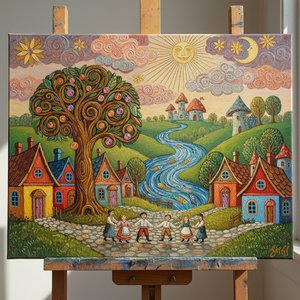
The Unconventional Vision: Exploring the Characteristics, History & Enduring Appeal of Naïve Art
Explore the captivating world of naïve art! Discover its history, characteristics, key artists & collecting tips from OriginalUniqueArt's experts. Find your perfect piece today.

The Pure Charm of Naïve Art: Finding Beauty in Simplicity, Soul, and the Unfiltered Vision
Discover the profound beauty of Naïve Art. Explore how self-taught masters bypass academic tradition to capture raw emotional truth through vibrant color and soulful simplicity. A cultural journey for the true art lover seeking depth beyond convention.

The Untamed Vision: Exploring Naïve Art & Primitivism's Rejection of Convention
Explore the revolutionary world of Naïve Art & Primitivism! Discover how artists challenged academic traditions with raw emotion & unique styles. Learn about Picasso, Rousseau & more at OriginalUniqueArt.
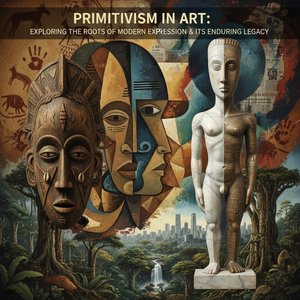
Primitivism in Art: Exploring the Roots of Modern Expression & its Enduring Legacy
Explore the fascinating history of Primitivism in art – its origins, key artists like Gauguin & Picasso, and lasting impact on modern expression. Uncover the complexities of this influential movement with OriginalUniqueArt.
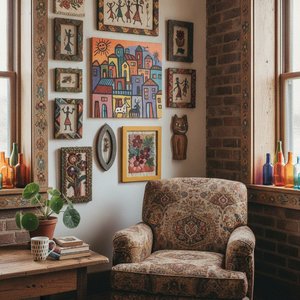
Raw, Bold, Unfiltered: Why Naive Art is the Ultimate Vibe for Your Space
Ditch the boring decor. Discover why Naive Art's raw, bold, and unfiltered aesthetic is the ultimate trend for modern urban spaces. Learn how to use vibrant colors and unstudied sincerity to create a high-impact, authentic vibe in your home or studio.

