Geometric Abstraction · 1954
Study for the (Fernand Léger, 1954)
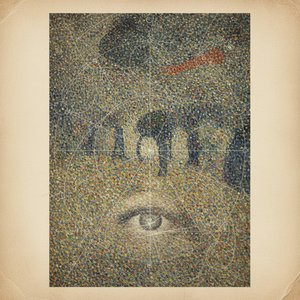
Fernand Léger (1881–1955) skapade Study for the . Den är från 1954. Det tillhör Geometric Abstraction-rörelsen. Den är utförd i Acrylic On Canvas. Verket finns bevarat på Museu do Caramulo i Caramulo, Portugal. Måtten är 38 × 44 cm.
- 1954
- Acrylic On Canvas
- 38 × 44 cm
- Museu do Caramulo

 Förhandsvisa

 Handmålad oljemålning
 Skicka
 Dela
 Faktablad


 Ladda ner
 Liknande objekt
 Röntgen
 Bildspel
 Frågor och svar

 Statistik
Study for the i korthet
- Titel
- Study for the
- Konstnär
- Fernand Léger (1881–1955)
- Konstnär född i
- Argentan, Frankrike
- Datum
- 1954
- Material
- Acrylic On Canvas
- Mått
- 38 × 44 cm
- Utställningsplats
- Museu do Caramulo, Caramulo, Portugal
- Rörelse
- Geometric Abstraction
- Motiv
- musical performance, geometric forms, modern landscape, instrument ensemble, urban scene, animal presence
Vad föreställer Study for the ?
A Symphony of Form and Feeling: Exploring Fernand Léger’s “Study for Breakfast”
Fernand Léger's "Study for Breakfast," completed in 1954, transcends mere representation; it embodies the very spirit of Pointillism—a technique championed by Georges Seurat and embraced wholeheartedly by Léger as a means to convey dynamism and immediacy. This unassuming landscape isn’t simply depicted as it appears before our eyes; instead, Léger meticulously constructs it from countless tiny dots of pigment, creating an illusion of depth and texture that defies conventional painting methods. The resulting image pulsates with energy, mirroring the rhythms of daily life—a quiet morning scene rendered with astonishing precision. It's a masterful demonstration of how abstraction can serve as a conduit for emotion and observation simultaneously.- Style: Pointillism – Léger’s signature style prioritizes optical mixing over blending pigments on canvas, resulting in vibrant hues that shimmer and shift subtly under the light.
- Technique: Léger employed a painstaking process of applying dots of color—typically yellow, red, and blue—to build up layers of tonal variation. This method demanded immense patience and meticulous attention to detail, reflecting Léger’s unwavering commitment to his artistic vision.
Historical Context: Embracing Modernity Amidst Postwar Uncertainty
Created in the aftermath of World War II, “Study for Breakfast” speaks to a broader cultural preoccupation with rebuilding and redefining beauty after devastation. Léger’s stylistic choices—the geometric abstraction and the deliberate fragmentation of form—were deliberately antithetical to the prevailing artistic trends of his time, signaling a rejection of Impressionism's focus on fleeting sensations and an embrace of the machine age’s influence on visual perception. This bold stance positioned Léger as a pioneer of abstract expressionism, anticipating developments that would reshape the landscape of 20th-century art.Symbolic Resonance: The Quiet Power of Observation
Despite its apparent simplicity, “Study for Breakfast” is laden with symbolic significance. Léger’s use of dots—representing individual particles and conveying movement—suggests a fascination with scientific principles and an attempt to capture the underlying order of nature. The muted palette contributes to a mood of contemplative serenity, inviting viewers to contemplate the beauty found in everyday moments. It's a subtle reminder that even amidst turbulent times, art can offer solace and inspire wonder.Emotional Impact: Capturing Essence Through Precision
Ultimately, Léger’s “Study for Breakfast” succeeds in conveying an emotional resonance far exceeding its visual surface. The artist doesn’t aim to evoke sentimental feelings but rather to distill the essence of a scene—the feeling of warmth, light, and stillness—into a meticulously crafted composition. This achievement underscores Léger's profound understanding of how abstraction can communicate complex ideas and sensations with remarkable effectiveness. It remains an enduring testament to his artistic genius and a captivating example of Pointillist artistry.Vilket museum har Study for the ?
Museu do Caramulo
Caramulo, Portugal
En symfoni av stål och själ Inbäddat i de gröna, böljande kullarna i Serra do Caramulo i centrala Portugal framträder Museu do Caramulo som en hisnande paradox, en fristad där den mekaniska ingenjörskonstens precision möter den mänskliga kreativitetens djupa vidd. Detta är inte blott ett förvaringsställe för reliker; det är en levande dialog mellan två till synes skilda världar. Grundat av de visionära bröderna Abel och João de Lacerda, står museet som ett vittnesbörd om en delad passion som vägrade att se några gränser mellan motorns dån och penseldragets tysta elegans.


Högupplösta bilder av Study for the

Allmän egendom: konstnären avled 1955.
Andra storlekar, beskärningar och citering →Fernand Léger, Study for the (1954), Museu do Caramulo. Allmän egendom
Frågor om Study for the besvarade
Var kan man se "Study for the" av Fernand Léger utställd idag?
Originalet av "Study for the" av Fernand Léger finns på Museu do Caramulo, Caramulo, Portugal. En reproduktion gör det möjligt att visa verket i hemmet.
När skapades "Study for the"?
"Study for the" av Fernand Léger skapades år 1954.
Vilket medium är "Study for the" av Fernand Léger utförd i?
"Study for the" av Fernand Léger är utförd i Acrylic On Canvas. Reproduktionerna strävar efter att återge teknikens särpräglade utseende.
Vilka är måtten på originalet av "Study for the" av Fernand Léger?
"Study for the" mäter 38 x 44 cm i sin originalform. Originalmåtten är en bra referens när du väljer storlek på en reproduktion.
Vad föreställer "Study for the"?
Motiven i "Study for the" är musical performance, geometric forms, modern landscape, instrument ensemble, urban scene, animal presence, domestic setting, pointillism technique.
Är "Study for the" fri från upphovsrätt?
Upphovsrättslig status för "Study for the" av Fernand Léger: verket är allmän egendom – upphovsrätten har löpt ut. Detta avgör om reproduktioner av bilden får framställas fritt.
Vem är konstnären bakom "Study for the"?
"Study for the" tillskrivs Fernand Léger.
Vilken konstnärlig inriktning tillhör "Study for the" av Fernand Léger?
"Study for the" av Fernand Léger tillhör Geometric Abstraction-rörelsen. Denna rörelse ger det stilistiska sammanhanget för verket.
Vilken period av Fernand Légers karriär tillhör "Study for the"?
"Study for the" tillhör Fernand Légers Mature Period i konstnärskarriären. Denna klassificering relaterar verket till konstnärens utveckling.
Om konstnären, Fernand Léger

1881–1955, Frankrike
Fernand Léger
Fernand Légers liv Berättelsen om Fernand Léger tar sin början i den lilla byn Argentan, belägen i Orne-regionen i Nedre Normandie. Han föddes den 4 februari 1881 som enda son. Hans tidiga år formades av den franska landsbygdens stillhet och närvaron av hans mor, Marie-Adèle Daunou. Hans far, en man som försörjde sig som boskapshandlare, gick bort när Fernand fortfarande var en liten pojke, vilket lämnade barnet att fostras av sin mor i ett hem präglat av hennes fromhet och en viss ödmjuk natur.
Andra verk av Fernand Léger
 Staden1919
 Arbetaren1920
 Tre kvinnor1921
 Nattbilder i skogen1910

Essäer om Study for the
 Industriell Estetik i Konsten: Topp 10 Verk för Hemmet & InspirationUtforska 10 ikoniska konstverk som fångar industriell estetik – från Munchs dramatik till Turners stormar. Lär känna historien bakom mäster…
 Georges Seurat: Pointillism, Perception & the Scientific Foundations of Modern ArtExplore the revolutionary art of Georges Seurat and the science behind Pointillism. Discover chromoluminarism, optical mixing, and the last…
 Mastering the Machine Age: The Top 25 Fernand Léger ArtworksImmerse yourself in the vibrant world of Fernand Léger. Explore 25 iconic masterpieces of Cubism and Tubism, from bold geometric forms to m…