
 Visa i rummet
 Skicka
 Dela
Dela
 Detaljer
 Studentguide för konstverk

 Ladda ner
 Liknande objekt
 Röntgen
 Bildspel
 Besökstatistik
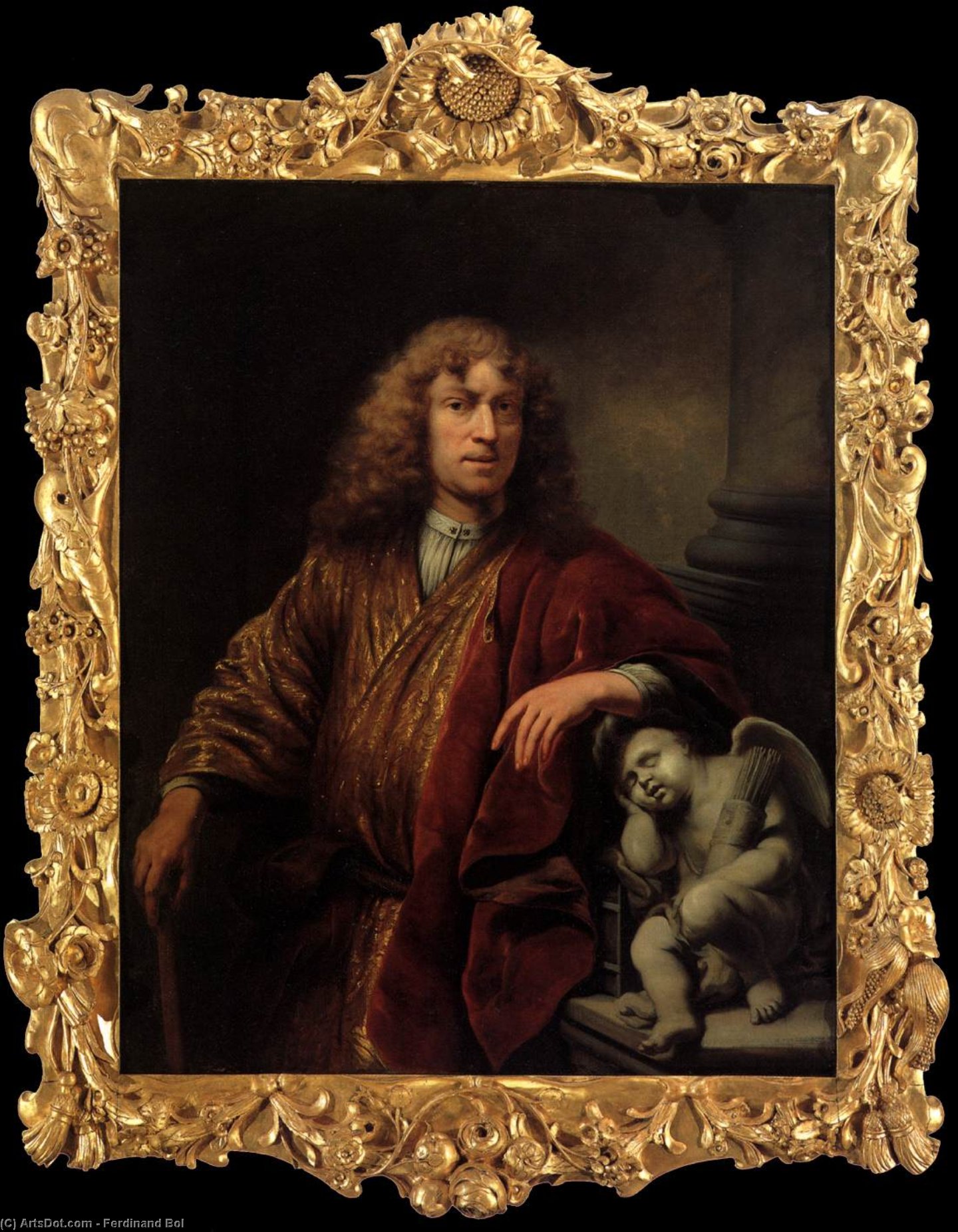
Self-Portrait
 Oil On Canvas
- WallArt
- Baroque
 1669
1669- Early Modern
 128.0 x 104.0 cm
 Rijksmuseum
 Läs mer
Handgjord oljereproduktion
Handmålad olja på duk i din valda storlek och ram, tillverkad efter beställning av våra konstnärer. ( Byt till tryckta exemplar Byt till digital bildförsäljning)




P118B Skr10

P118H Skr10

P118W Skr10

P438Z Skr10

P508JH Skr12

P508YH Skr12

P805H Skr10

P805Z Skr10

P919BZ Skr10

P919G Skr10

P919XJ Skr10

P959ZH Skr10

P968JZ Skr12

W106C Skr8

W218G Skr10

W218JH Skr8

W218Y Skr10

W307PJ Skr10

W316G Skr10

W316PJ Skr8

W316Y Skr10

W398PJ Skr8

W4111J Skr10

W500HY Skr15

W500JH Skr15

W692G Skr12

W849H Skr8

W940BG Skr15

W953PJ Skr8




Välj bland våra förinställda storlekar som motsvarar konstverkets ursprungliga proportioner.

Ange den bredd och höjd du behöver för att passa din ram eller din vägg. Eftersom detta är handmålat kan konstnären vid en annan form måla lite mer runt bilden eller beskära den något – du väljer själv. Vi skickar en digital mockup för godkännande innan målningen påbörjas. Bilden som visas på denna sida representerar inte det slutgiltiga resultatet — det är endast mockuppen som visar det.
Efter beställning kommer OriginalUniqueArt.com team att mejla kunden för instruktioner och tillhandahålla en skissförhandsvisning
Leverans över hela världen () på 3–4 veckor istället för standard 5 veckor. (22 oktober). Inga kompromisser med kvaliteten.

Fri expressfrakt över hela världen

Högkvalitativ linnecanvas

Fullständig fraktförsäkring

Garantier för återbetalning av tullavgifter

Garantier för exakt färgåtergivning

100 dagars returrätt vid fabrikationsfel

100% pengarna tillbaka-garanti

Mängdrabatt erbjuds
 Glasalternativet är endast tillgängligt i storlekar under 110 cm.

Self-Portrait
Tryckteknik
Reproduktionsstorlek
-


Totalpris
Skr 2972
The Grandeur of Self-Reflection: A Baroque Masterpiece
To stand before this self-portrait is to encounter not merely a likeness, but a carefully constructed statement of status, intellect, and enduring confidence. Rendered in the opulent style of the Baroque period, this work captures the sitter at a moment of profound self-possession. The composition immediately draws the eye into the central figure, whose very bearing speaks of wealth and established dignity. Notice how the artist has utilized dramatic lighting—the hallmark of chiaroscuro—allowing deep shadows to cradle rich folds of fabric while brilliant highlights catch the sheen of luxurious garments and the thoughtful planes of the face. It is a visual symphony built upon contrast, demanding that the viewer pause and absorb the weight of its artistry.
Technique and Material Mastery
The technical execution here is nothing short of masterful. The artist employed oil paints on canvas, allowing for an incredible depth of texture that seems almost palpable. One can trace the meticulous brushwork in the sitter's richly draped clothing, where visible strokes build up volume and suggest the weight of velvet and silk. The handling of skin tones contrasts beautifully with the solidity of the architectural elements—the column and the subtle backdrop. These lines are not merely outlines; they flow, guiding the viewer’s gaze through the carefully orchestrated space. The perspective is expertly managed, employing a one-point focus that anchors all visual energy directly onto the self-portraitist, making the viewing experience intensely personal.
Historical Echoes and Symbolism
Dating to 1669, this piece emerges from the vibrant, ambitious heart of the Dutch Golden Age. While the sitter presents himself as a man of considerable means, the inclusion of the small statue in the background adds a layer of intellectual depth. Such symbolic elements often alluded to classical virtues—perhaps wisdom, or divine favor—suggesting that the subject’s self-regard was rooted not just in earthly success, but in cultivated virtue. The entire presentation speaks to an era where portraiture served as both commemoration and carefully curated public identity.
Bringing Baroque Grandeur Home
For those seeking to infuse a space with the gravitas and romance of historical European art, this reproduction offers unparalleled depth. Imagine this piece gracing a formal drawing-room or a library; its rich palette of deep reds, burnished golds, and warm browns will anchor any sophisticated interior design scheme. The layered textures and dramatic interplay of light make it an instant focal point. Owning a high-quality rendition allows one to connect intimately with the technical brilliance of Ferdinand Bol’s era, bringing home not just a painting, but a tangible piece of Baroque narrative drama.
Frågor och svar
Vad rekommenderas för användning av ett tryck av "Self-Portrait"?
En reproduktion av "Self-Portrait" av Ferdinand Bol rekommenderas för Accent. Detta förslag grundar sig på verkets motiv, stämning och färger.
Vilken kontrastnivå uppvisar "Self-Portrait" av Ferdinand Bol?
Ljus-mörker-kontrasten i "Self-Portrait" är registrerad som Bold. Kontrast beskriver hur starkt ljusa och mörka partier skiljer sig åt.
Vilka är måtten på originalet av "Self-Portrait"?
"Self-Portrait" mäter 128 x 104 cm i sin originalform. Originalmåtten är en bra referens när du väljer storlek på en reproduktion.
Om konstnären
Ferdinand Bol: A Forgotten Jewel of the Dutch Golden Age
Ferdinand Bol, a name perhaps less familiar than those of his illustrious contemporaries Rembrandt van Rijn and Johannes Vermeer, nevertheless occupies a significant, if often overlooked, position within the pantheon of 17th-century Dutch Masters. Born in Dordrecht in 1616, Bol’s artistic journey was deeply intertwined with that of Rembrandt, serving as a pupil in the master's Amsterdam studio during a formative period. This apprenticeship profoundly shaped his style, initially leading to works so convincingly reminiscent of Rembrandt that attribution could prove challenging even for seasoned experts. However, to simply categorize Bol as a mere imitator would be a disservice to his own unique artistic voice and considerable talent. His early life laid the groundwork for a career marked by both technical brilliance and an evolving stylistic independence. While details regarding his initial training remain somewhat scarce – possibilities include tutelage under Jacob Cuyp in Dordrecht or Abraham Bloemaert in Utrecht – it was undoubtedly his time with Rembrandt that proved pivotal, immersing him in the dramatic lighting, psychological depth, and masterful brushwork characteristic of the Baroque period.Rembrandt’s Influence: The Early Years
Bol's artistic development can be traced through a fascinating trajectory—one beginning with faithful emulation and gradually blossoming into a distinctive personal style. In his early works, the influence of Rembrandt is undeniable; compositions often echo those of his teacher, employing similar chiaroscuro effects – that dramatic contrast between light and dark – and a penchant for portraying figures in moments of intense emotional or psychological drama. These initial paintings, predominantly portraits and genre scenes, were so strikingly reminiscent of Rembrandt that they frequently sparked debate amongst art critics and collectors. Bol’s early style was characterized by a somewhat heavy, almost brooding quality, reflecting the somber mood often found in Rembrandt's works. However, as Bol matured, he began to refine his technique, moving towards a greater emphasis on clarity, elegance, and refined detail. His palette lightened considerably, shifting from the dark, earthy tones favored by Rembrandt to brighter, more vibrant hues. This shift is particularly evident in his portraits, which gradually acquired a more polished, aristocratic bearing. He also developed a greater sense of spatial depth and a more sophisticated use of perspective, moving away from the flattened compositions typical of earlier Dutch painting.From Rembrandt’s Shadow to Independent Vision
Bol's artistic development can be traced through a fascinating trajectory—one beginning with faithful emulation and gradually blossoming into a distinctive personal style. In his early works, the influence of Rembrandt is undeniable; compositions often echo those of his teacher, employing similar chiaroscuro effects and a penchant for portraying figures in moments of intense emotional or psychological drama. However, as Bol matured, he began to refine his technique, moving towards a greater emphasis on clarity, elegance, and refined detail. His palette lightened, and his figures acquired a more polished, aristocratic bearing. This shift is particularly evident in his portraits, which became increasingly sought after by Amsterdam’s wealthy elite. He quickly rose through the ranks of Amsterdam's artistic community, becoming a burgher in 1652 and marrying into a family with connections to both the Admiralty and the wine merchants’ guild – affiliations that undoubtedly contributed to securing prestigious commissions. Notably, he received orders for chimney pieces for the new Amsterdam Town Hall, designed by Jacob van Campen, a testament to his growing reputation and artistic standing. He even took on pupils of his own, most notably Godfrey Kneller, who would later achieve fame as an English portrait painter.Historical Narratives and Portraiture: A Diverse Oeuvre
Bol’s oeuvre is remarkably diverse, encompassing historical subjects, portraits, *tronies* (character studies), and even some landscape elements. He demonstrated a particular aptitude for large-scale historical paintings, imbuing them with a sense of grandeur and dramatic tension. The Peace Negotiations between Claudius Civilis and Quintus Petillius Cerealis on the Demolished Bridge, now housed in a museum collection, stands as a prime example of his skill in depicting complex narratives with compelling visual impact. The painting showcases not only his mastery of composition and perspective but also his ability to convey the weight of historical events through expressive gestures and carefully rendered details. However, it was perhaps in the realm of portraiture that Bol truly excelled. He possessed an uncanny ability to capture the likenesses of his sitters while simultaneously revealing their inner character and social status. His portraits are characterized by a refined elegance and psychological insight, offering glimpses into the lives and personalities of Amsterdam’s prominent citizens. Works like Man in Golden Helmet (Mars), now residing in Warsaw's National Museum, exemplify this talent, presenting a figure imbued with both authority and vulnerability.Legacy and Rediscovery
Despite his success during his lifetime, Ferdinand Bol’s reputation waned considerably after his death in 1680. His works were often misattributed to Rembrandt, obscuring his individual contributions to Dutch Golden Age painting. It wasn't until the 20th century that concerted efforts began to re-evaluate his oeuvre and establish him as a significant artist in his own right. Today, scholars and collectors are increasingly recognizing the unique qualities of Bol’s work—his masterful technique, his evolving stylistic independence, and his ability to capture both the outward appearance and inner lives of his subjects. While his output remains relatively small compared to some of his contemporaries, the surviving paintings offer a captivating window into the artistic and cultural landscape of 17th-century Amsterdam. His legacy continues to inspire admiration and intrigue, ensuring that this once-forgotten master will continue to be rediscovered and appreciated by generations to come. The Museum Van Loon in Amsterdam and the Rembrandt House Museum both provide opportunities to encounter his work within the context of the era that shaped him.
Ferdinand Bol
1616 - 1680 , Nederländerna
Snabbfakta
- Artistic Movement Or Style: Barockmålning
- Artists Or Movements Influenced By This Artist: ['Jacob Cuyp']
- Artists Who Influenced This Artist: ['Rembrandt van Rijn']
- Date Of Birth: 24 juni 1616
- Date Of Death: 24 augusti 1680
- Full Name: Ferdinand Bol
- Nationality: Nederländska
- Notable Artworks:
- Fredsförhandlingar...
- Pyrrhus visar...
- Mannen i guldhjälmen
- Place Of Birth: Dordrecht, Nederländerna
Relaterade artiklar

Mastering Light & Shadow: A Journey Through the Dutch Golden Age's Luminous Legacy
Embark on a cultural journey through the Dutch Golden Age. Explore the masterful interplay of light and shadow in 17th-century masterpieces, from Rembrandt to Vermeer, and discover how this era of profound realism continues to inspire fine art collectors today.

Nederländsk Barock: Topp 10 Mästerverk som Definierade Epoken – Konst & Inredning
Upptäck de 10 ikoniska mästerverken som definierade nederländsk barock! Lär känna Rembrandt, Vermeer och andra stora konstnärer. Hitta inspiration & museumkvalitativa reproduktioner på OriginalUniqueArt.com – för ditt hem eller din samling.

Nederländsk Guldålder: Topp 10 mästerverk som definierade epoken – konst & heminredning
Utforska de 10 ikoniska mästerverken från den nederländska guldåldern! Lär känna Rembrandt, Vermeer och Hals – deras teknik & berättelser. Hitta konsttryck och inspiration för din heminredning på OriginalUniqueArt.com. Upptäck hela samlingen online!

Golden Age Reflections: Dutch Baroque Painting & Cultural Innovation
Explore the Dutch Golden Age of painting! Discover key artists like Vermeer & ter Borch, their innovative techniques, and the rich cultural context behind these Baroque masterpieces. Learn about collecting & appreciating this iconic art period.

Golden Light & Dutch Skies: The Timeless Magic of Dutch Golden Age Landscapes
Discover the breathtaking beauty of Dutch Golden Age landscapes. Explore the mastery of light, chiaroscuro, and 17th-century realism through an expert art history lens, celebrating the enduring legacy of the Dutch Masters for discerning collectors and art lovers.
