
 Förhandsvisa
 Skicka
 Dela
Dela
 Visa detaljer
 Guide
Guide

 Ladda ner
 Liknande objekt
 Röntgen
 Bildspel
 Frågor och svar
 Statistik
Road at St Paul (Var)


 Visa mer
Giclée / Konsttryck
Giclée- eller canvasprint av museumskvalitet med snabb produktion och flexibla ytbehandlingsalternativ. ( Beställ handmålad reproduktion Byt till digital bild)




P118B Skr10

P118H Skr10

P118W Skr10

P438Z Skr10

P508JH Skr12

P508YH Skr12

P805H Skr10

P805Z Skr10

P919BZ Skr10

P919G Skr10

P919XJ Skr10

P959ZH Skr10

P968JZ Skr12

W106C Skr8

W218G Skr10

W218JH Skr8

W218Y Skr10

W307PJ Skr10

W316G Skr10

W316PJ Skr8

W316Y Skr10

W398PJ Skr8

W4111J Skr10

W500HY Skr15

W500JH Skr15

W692G Skr12

W849H Skr8

W940BG Skr15

W953PJ Skr8




Välj bland våra förinställda storlekar som motsvarar konstverkets ursprungliga proportioner.

Ange den bredd och höjd du behöver för att passa din ram eller vägg. Ett tryck kan endast beskäras, aldrig göras större än originalbilden, vilket innebär att ett format med en annan proportion leder till att en del av bilden går förlorad. Vi skickar en digital mockup för godkännande innan vi påbörjar tryckningen. Bilden som visas på denna sida visar inte den faktiska beskärningen — det är endast mockuppen som gör det.
Leverans över hela världen () på 2 veckor istället för standard 4/5 veckor. (7 november)

Fri expressfrakt över hela världen

Högkvalitativ linnecanvas

Fullständig fraktförsäkring

Garantier för återbetalning av tullavgifter

Garantier för exakt färgåtergivning

100 dagars returrätt (endast vid fel)

100% pengarna tillbaka-garanti

Mängdrabatt erbjuds
 Glasalternativet är endast tillgängligt i storlekar under 110 cm.

Road at St Paul (Var)
Giclée / Konsttryck
Storlek på reproduktion
-


Slutgiltigt pris
Skr 809
A Moment Frozen in Time: Exploring Félix Vallotton’s “Road at St Paul (Var)”
Félix Vallotton's "Road at St Paul (Var)," painted in 1922, is more than just a depiction of a rural scene; it’s a carefully constructed tableau brimming with quiet observation and an understated elegance. Housed within the Tate Gallery in London, this oil on canvas invites us into a fleeting moment, capturing not just the visual elements but also a palpable sense of atmosphere and human presence. The painting immediately draws the eye to a woman walking down a sun-drenched road, her figure rendered with Vallotton’s signature simplicity – a deliberate rejection of overly detailed realism in favor of suggestive forms and luminous color.
Vallotton, a pivotal figure within the *Nabi* movement, approached art with a unique sensibility. Initially trained in classical techniques, he ultimately forged his own path, moving away from academic constraints to embrace a more modern aesthetic. His work is characterized by bold colors, flattened perspectives, and an emphasis on capturing the essence of a subject rather than its literal representation. “Road at St Paul (Var)” exemplifies this approach perfectly; the landscape isn’t meticulously rendered but presented as a series of carefully chosen hues and shapes that evoke a specific mood – one of serene tranquility punctuated by subtle hints of activity.
The Language of Color and Light
Vallotton's masterful use of color is central to the painting’s impact. The dominant blues of the woman’s dress and the distant church create a cool, calming backdrop against which the warmer tones of the road and the sky stand out. He employs broken color—small, distinct patches of hue rather than blended shades—to achieve a shimmering effect, mimicking the way light interacts with surfaces. Notice how he uses highlights to draw attention to the woman’s form, while simultaneously softening the edges of the surrounding landscape. This creates a sense of depth and spatial ambiguity, inviting the viewer to contemplate the scene from multiple perspectives.
The lighting is particularly noteworthy. It's not a harsh, direct sunlight but rather a diffused glow that seems to emanate from everywhere at once. This contributes significantly to the painting’s overall mood – one of gentle warmth and quiet contemplation. The sky, rendered in shades of grey and blue, hints at an approaching storm, adding a subtle layer of drama to the otherwise peaceful scene.
A Glimpse into a World of Subtle Interactions
Beyond the central figure, “Road at St Paul (Var)” is populated with a series of secondary figures – men and women walking along the road, a horse-drawn cart in the distance, and a church perched on a hillside. These elements aren’t merely decorative; they subtly enrich the narrative, suggesting a community engaged in everyday life. The painting doesn't offer a clear story but rather invites us to imagine the lives of these individuals, their interactions, and their connection to this particular place.
The church itself is rendered with a certain detachment, almost as if it’s an integral part of the landscape. Its presence anchors the scene while simultaneously hinting at themes of faith, tradition, and perhaps even isolation. The composition—the diagonal line of the road leading towards the distant church—creates a sense of movement and directs our gaze across the canvas.
Owning a Piece of Artistic History
“Road at St Paul (Var)” is a testament to Vallotton’s ability to capture the essence of a moment with remarkable clarity and emotional resonance. OriginalUniqueArt offers meticulously crafted, hand-painted reproductions that faithfully recreate the painting's luminous colors, subtle textures, and evocative atmosphere. These reproductions are not simply prints; they are works of art in their own right, allowing you to bring this iconic image into your home or office and experience its beauty firsthand. Explore our collection at OriginalUniqueArt.com to discover a reproduction that perfectly suits your style and space.
For those seeking further insight, we encourage you to visit the Tate Gallery’s online resources: ‘Road at St Paul (Var)’, Félix Vallotton, 1922 | Tate.
Frågor och svar
Hur kan jag förhandsgranska en reproduktion av "Road at St Paul (Var)" av Félix Vallotton?
För att förhandsgranska en reproduktion av "Road at St Paul (Var)" av Félix Vallotton, öppna konstverkets sida för Förhandsvisning.
Vilket medium är "Road at St Paul (Var)" av Félix Vallotton utförd i?
"Road at St Paul (Var)" av Félix Vallotton är utförd i Oil On Canvas. Reproduktionerna strävar efter att återge teknikens särpräglade utseende.
Var kan jag se originalet av "Road at St Paul (Var)" av Félix Vallotton?
"Road at St Paul (Var)" av Félix Vallotton visas på Tate Britain, London, Storbritannien. Museilistan avser originalverket, inte reproduktioner.
Konstnärsbiografi
En konstnärs liv mellan Schweiz och Paris
Félix Édouard Vallotton, född i Lausanne 1865 och död i Paris 1925, var en svensk-fransk konstnär vars verk bär spår av både hans schweiziska rötter och den vibrerande konstscenen i Paris. Hans livsöde representerar en fascinerande övergång mellan tradition och modernism, realism och symbolism – en skildring av en tid då samhället stod på gränsen till stora förändringar.
Vallottons barndom präglades av konservativa protestantiska värderingar i hans familj – hans far var apotekare och senare chokladtillverkare. Detta gav en markant kontrast till den bohemiska värld han skulle omfamna som konstnär. Trots att han initialt väntades följa en klassisk utbildning vid Collège Cantonal, brann Vallotton för visuell expression och reste till Paris 1882, där han antogs på Académie Julian. Detta markerade inte bara en geografisk flytt utan också en djupgående förändring i perspektiv – han kastades in i hjärtat av konstnärlig innovation och intellektuell upphetsning.
Nabis och språket för intimitet
Vallottons konstnärliga utveckling tog en avgörande vändpunkt när han blev associerad med *Les Nabis* – en grupp unga konstnärer inklusive Pierre Bonnard, Édouard Vuillard och Maurice Denis – 1892. Även om han ofta betraktades som något av en outsider inom gruppen, spelade hans tillhörighet till den en nyckelroll i att forma hans distinkta stil. Nabis-gruppen sökte infusa konst med en andlig kvalitet, utforskande symbolik och dekorativa estetik. Vallotton absorberade dessa influenser men filtrerade dem genom sin egen unika känsla för sak – präglad av ett kyligt avståndstagande och skoningslös realism. Detta uttrycks bäst i hans serie träsnitt, särskilt *Intimités* (1898). Dessa tio interiörscener är anmärkningsvärda för sin psykologiska intensitet, som skildrar laddade möten mellan män och kvinnor med en kuslig öppenhet. De är inte berättelser om romantik eller passion utan snarare utforskningar av spänning, maktrelationer och de dolda komplexiteter inom det privata livet. De skarpa kontrasterna mellan svart och vitt i hans träsnitt – en tydlig hyllning till japanska *ukiyo-e*-tryck – förstärker känslan av oro och psykologisk granskning.
Mästaren av träsnitt och målerisk nyans
Vallottons skicklighet sträckte sig bortom målarverket; han är allmänt erkänd som en virtuos inom träsnitt, vilket revitaliserade mediet genom sina innovativa tekniker. Han omfamnade medlets enkelhet och direkthet, med hjälp av kraftfulla linjer och skarpa kontraster för att skapa bilder som var både visuellt slående och emotionellt resonanta. Hans tryck var inte bara illustrationer utan konstverk i sig själva, ofta satiriska i sin natur, som kommenterade sociala konventioner och politiska frågor. Samtidigt fortsatte Vallotton att utveckla sin målarstil, bortom rent akademisk praxis mot ett mer personligt uttryck. Han behärskar skickligt realism med subtila symboliska undertoner, vilket skapar porträtt, landskap och stilleben som besitter en gåtfull kvalitet.
Historisk betydelse och arv
Félix Vallotton’s inflytande spred sig genom den tidiga 20:e århundradet, påverkar konstnärer så olika som Edvard Munch och Ernst Ludwig Kirchner. Hans skoningslösa blick, hans utforskning av psykologiska teman och hans innovativa användning av tryckteknik banade väg för nya konstuttryck. Han dog i Paris 1925, lämnande efter sig ett verk som fortfarande fångar och utmanar betraktare idag. Hans konst är en gripande reflektion över *fin de siècle* – en glimt in i en värld på gränsen till djupgående förändring. Vallottons arv ligger inte bara i hans tekniska briljans utan också i hans förmåga att fånga den mänskliga upplevelsens komplexitet med ärlighet, intelligens och en bestående känsla av mysterium.

Félix Vallotton
1865 - 1925 , Schweiz
Kortfakta
- Artistic Movement Or Style: Postimpressionism, Symbolism
- Artists Or Movements Influenced By This Artist:
- Les Nabis
- Munch
- Artists Who Influenced This Artist:
- Holbein
- Ingres
- Japansk träsnitt
- Date Of Birth: 28 dec 1865
- Date Of Death: 29 dec 1925
- Full Name: Félix Édouard Vallotton
- Nationality: Svensk/Fransk
- Notable Artworks:
- Intimités
- Bathers
- Landskap
- Place Of Birth: Lausanne, Schweiz
Relaterade artiklar

Paul Klees 25 Mästerverk: En Konstnärlig Resa för Hemmet och Själens Fröjd
Utforska Paul Klees 25 mest ikoniska målningar! Fördjupa dig i hans abstrakta värld av färg, expressionism och unik konstnärlig stil. Hitta inspiration till ditt hem med reproduktioner av högsta kvalitet på OriginalUniqueArt.com – din källa för tidlös konst.

El Grecos 25 Mästerverk: En Konsthistorisk Resa för Hemmet & Själens Frid
Utforska El Grecos 25 mest ikoniska tavlor! Fördjupa dig i spansk renässanskonst, dramatik och sakrala motiv. Köp högkvalitativa konsttryck & inred med tidlösa mästerverk från OriginalUniqueArt.com.
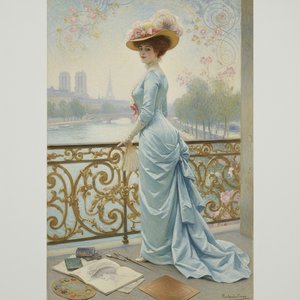
Paul César Helleu: Capturing Belle Époque Elegance & Artistic Innovation
Explore the captivating world of Paul César Helleu, master portraitist of the Belle Époque. Discover his innovative techniques, iconic works like 'Portrait of Margaret Kelly,' and investment potential with OriginalUniqueArt.

Paul Cézannes 25 Mästerverk: En Konsthistorisk Resa för Hemmet
Utforska Paul Cézannes 25 mest ikoniska målningar! Fördjupa dig i impressionismens värld, från Mont Sainte-Victoire till stillsben. Hitta inspiration & museumkvalitativa konsttryck på OriginalUniqueArt.com.

Paul Klee: A Poetics of Form and Color – Exploring the Inner Landscape of a Modern Master
Explore the captivating world of Paul Klee! Discover his innovative art, Bauhaus influence, & unique symbolic language. Expert analysis & high-quality reproductions at OriginalUniqueArt.

