
 Visa i rummet
 Skicka
 Dela
Dela
 Detaljer
 Studentguide för konstverk

 Ladda ner
 Liknande objekt
 Röntgen
 Bildspel
 Besökstatistik
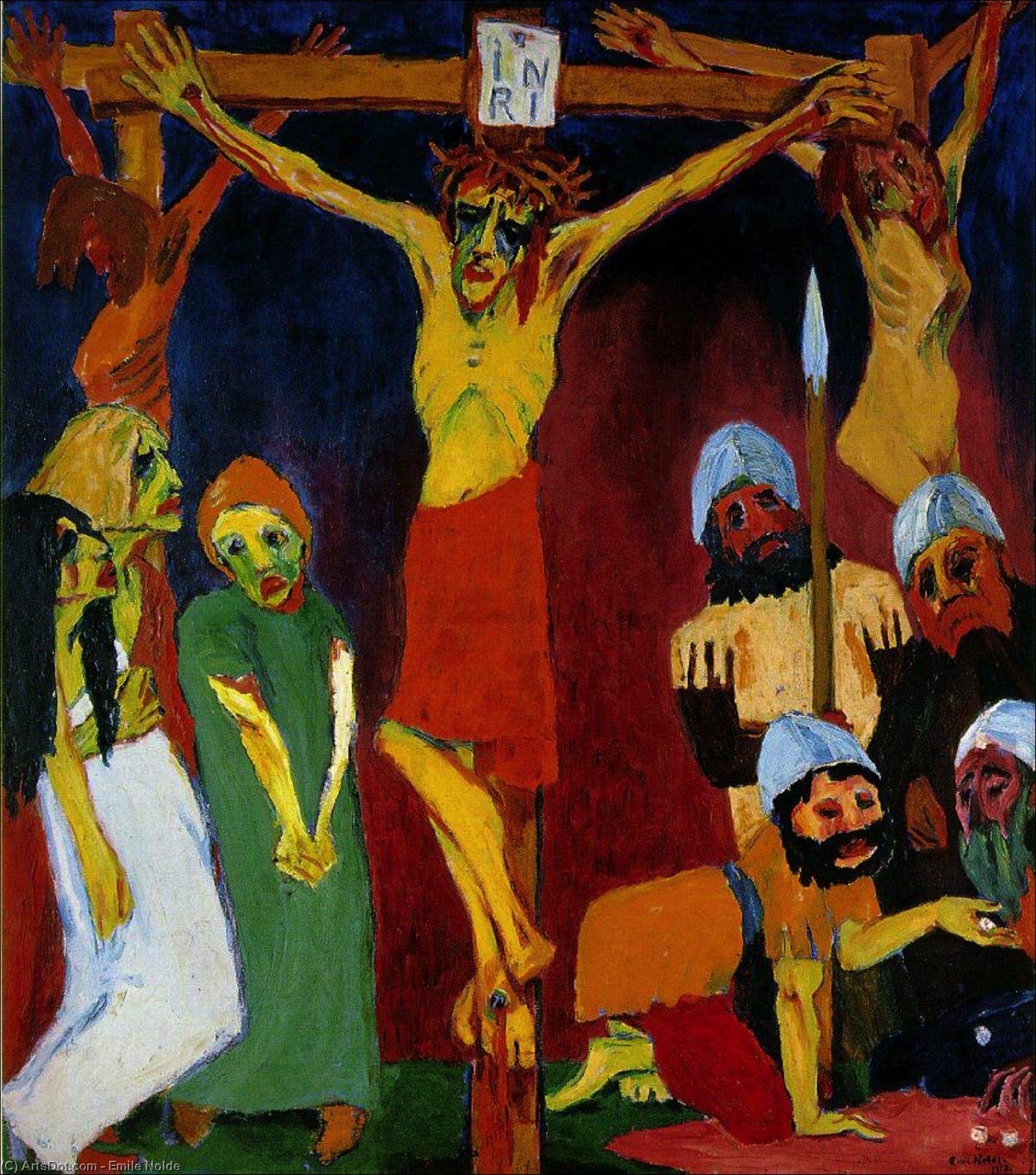
Crucifixion,
 Acrylic On Canvas
- WallArt
- Expressionist Symbolism
 1912
1912- 19th Century
 221.0 x 194.0 cm
 Läs mer
Giclée / Konsttryck
Giclée- eller canvasprint av museumskvalitet med snabb produktion och flexibla ytbehandlingsalternativ. ( Köp handmålat konstverk Byt till digital bildförsäljning)




P118B Skr10

P118H Skr10

P118W Skr10

P438Z Skr10

P508JH Skr12

P508YH Skr12

P805H Skr10

P805Z Skr10

P919BZ Skr10

P919G Skr10

P919XJ Skr10

P959ZH Skr10

P968JZ Skr12

W106C Skr8

W218G Skr10

W218JH Skr8

W218Y Skr10

W307PJ Skr10

W316G Skr10

W316PJ Skr8

W316Y Skr10

W398PJ Skr8

W4111J Skr10

W500HY Skr15

W500JH Skr15

W692G Skr12

W849H Skr8

W940BG Skr15

W953PJ Skr8




Välj bland våra förinställda storlekar som motsvarar konstverkets ursprungliga proportioner.

Type the width and the height you need, to fit your frame or your wall. A print can only be cut, never made bigger than the picture, so a size with a different shape loses a part of the image. We send you a digital mockup to approve before we print anything. The picture shown on this page does not show the real cut — only the mockup does.
Leverans över hela världen () på 2 veckor istället för standard 4/5 veckor. (14 oktober)

Fri expressfrakt över hela världen

Högkvalitativ linnecanvas

Fullständig fraktförsäkring

Garantier för återbetalning av tullavgifter

Garantier för exakt färgåtergivning

100 dagars returrätt vid fabrikationsfel

100% pengarna tillbaka-garanti

Mängdrabatt erbjuds
 Glasalternativet är endast tillgängligt i storlekar under 110 cm.

Crucifixion,
Giclée / Konsttryck
Reproduktionsstorlek
-


Totalpris
Skr 782
A Profound Meditation on Suffering: Emil Nolde's Crucifixion (1912)
Emil Nolde’s Crucifixion, painted in 1912, is not merely a depiction of a biblical event; it’s a visceral exploration of human suffering and faith rendered with an arresting intensity. Measuring 221 x 194 cm, this canvas immediately commands attention with its dramatic composition and the artist's signature use of bold, expressive color. Nolde, deeply influenced by the works of Van Gogh and Gauguin, alongside a fascination with primitive art forms – particularly the raw emotion conveyed through masks and carvings – sought to bypass representational accuracy in favor of conveying profound spiritual truths. The painting’s power resides not just in its subject matter but in the artist's ability to translate complex emotions onto the canvas with remarkable directness.
Subject Matter and Composition
The scene is unequivocally the crucifixion of Christ, a cornerstone event in Christian theology. Nolde meticulously portrays Jesus on the cross, his body contorted in agony, arms outstretched in a gesture both vulnerable and defiant. The surrounding figures – a solitary figure to the left and another to the right, along with a throng gathered around the base of the cross – are not simply observers; they are participants in this monumental drama. Their postures, expressions, and spatial arrangement contribute to the painting’s dynamic tension, reflecting the emotional weight of the moment. Notably, the inclusion of a knife adds an element of unsettling ambiguity, perhaps symbolizing betrayal or the inherent violence within human nature.
Technique and Color – A Language of Emotion
- Impasto Technique: Nolde employs a thick impasto technique, layering paint with considerable texture. This creates a palpable sense of physicality, emphasizing the roughness of the wood, the vulnerability of Christ’s body, and the raw emotion conveyed through the figures' expressions.
- Bold Color Palette: The artist utilizes a vibrant, almost jarring color palette – deep reds, blues, and yellows – to heighten the emotional impact. These colors are not used realistically but rather expressively, amplifying the sense of suffering and spiritual intensity.
- Simplified Forms: Nolde simplifies forms, reducing figures to their essential shapes, further intensifying the painting’s symbolic power. This stylistic choice aligns with his broader interest in exploring primal emotions and spiritual truths through a non-naturalistic lens.
Symbolism and Historical Context
Painted during a period of significant artistic experimentation and religious questioning, Crucifixion reflects the anxieties and spiritual searches of early 20th-century Europe. The painting’s raw emotionality speaks to a desire for authentic experience beyond traditional religious dogma. The scene itself is laden with symbolism – Christ's sacrifice representing redemption, faith, and hope amidst despair. Nolde’s deliberate rejection of academic conventions aligns him with the Expressionist movement, which sought to convey subjective emotions rather than objective reality. The painting was created in 1912, a year marked by social unrest and political upheaval, suggesting a deeper engagement with themes of human suffering and injustice.
Emotional Impact and Artistic Legacy
Crucifixion remains a profoundly moving work of art. Its power lies in its ability to evoke empathy and contemplation, prompting viewers to confront the fundamental questions of faith, suffering, and redemption. Nolde’s masterful use of color, texture, and composition creates an unforgettable image that continues to resonate with audiences today. This hand-painted reproduction offers a unique opportunity to experience the full force of Nolde's artistic vision – a testament to his enduring legacy as one of Germany’s most important Expressionist painters.
Frågor och svar
Vilken är den dominerande nyansen i "Crucifixion," av Emil Nolde?
En Golden Yellow Range nyans går igenom "Crucifixion," av Emil Nolde.
Vilken placering passar formatet för "Crucifixion," av Emil Nolde?
Format (Portrait) och rekommenderat utrymme (Living Room) är de två placeringsfakta som finns registrerade för "Crucifixion," av Emil Nolde.
Är färgerna i "Crucifixion," av Emil Nolde klara eller dämpade?
"Crucifixion," av Emil Nolde är återgiven med en Clear Color Presence mättnad och en Balanced intensitet.
Om konstnären
Early Life and Artistic Beginnings
Emil Nolde, en framstående tysk-dansk målare, föddes Hans Emil Hansen den 7 augusti 1867 i Nolde, Schleswig-Holstein, Tyskland. Han tillhörde en familj med starka band till landsbygden och religiösa övertygelser – faktorer som skulle påverka hans konstnärliga vision djupt. Trots initial motstånd från sina föräldrar, som föredrog att han följde en mer konventionell karriär, strävade Nolde ihärdigt efter sin passion för konst. Han började till att börja med som träsnickare och möbeldekorerare innan han helt och hållet ägnade sig åt måleri i slutet av 1890-talet. Hans tidiga liv präglades av en stark anknytning till det lantliga, och hans familjens religiösa traditioner skulle senare spela en viktig roll i hans konstnärliga uttryck.Artistic Development and Influences
Noldes konstnärliga resa präglades av självbildning och utforskande. Han reste omfattande, absorberade influenser från olika kulturer och konstformer. Tidiga influenser inkluderade Vincent van Gogh, Paul Gauguin och traditionell folkkonst – särskilt den uttrycksfulla kraften hos primitiva masker och skulpturer. Dessa möten väckte hans intresse för djärva färger, förenklade former och känslomässigt laddad ämnematerial. I början experimenterade han med realism och impressionism men utvecklade snabbt en mer subjektiv och uttrycksfull stil. Han studerade vid Flensburg, Karlsruhe och tillsammans med Adolf Hölzel i Dachau, vilket gav honom en bredare konstnärlig grund.Die Brücke and Expressionist Breakthrough
År 1905 grundade Nolde Die Brücke (The Bridge), en viktig grupp tyska expressionistiska konstnärer. Denna kollektiv strävade efter att bryta sig loss från akademiska traditioner och uttrycka inre känslor genom radikal konstnärlig experimentering. Noldes bidrag till Die Brücke var betydande; hans intensiva användning av färg och förvrängda former pressade gränserna för representation. Han behöll dock en något oberoende väg inom gruppen, ofta avvek i ämnematerial och stilistisk approach. Die Brücke sökte att skapa ett nytt konstnärligt uttryck genom att fokusera på starka färger, distinkta former och en känsla av rörelse och energi.Key Themes and Artistic Style
Noldes oeuvre kännetecknas av flera återkommande teman: religiösa scener, landskap, havslandskap och porträtt. Han fascinerades särskilt av makarnas kraft – både som fysiska objekt och symboliska representationer av uråldriga känslor. Hans konstnärliga stil definieras av:- Djärva, livfulla färger som används för att förmedla känslomässig intensitet
- Förvrängda former som betonar uttryck snarare än realistisk representation
- Impasto-teknik – tjock applicering av färg som skapar textur
- En fokus på att fånga inre psykologiska tillstånd
Notable Works and Achievements
Under hela sin karriär skapade Nolde en stor mängd verk. Några av hans mest berömda målningar inkluderar:- Masker (1906-1907) – som visar upp hans fascination för folkkonst
- The Mocking of Christ (1909) – en kraftfull och känslomässigt laddad religiös scen
- Autumn Sea (1908) - som demonstrerar hans uttrycksfulla landskapsmålning.
- Flower Garden (Girl and Washing) (1907)
- Dance around the Golden Calf (1909)
Historical Significance and Legacy
Emil Nolde’s innovativa användning av färg och uttrycksfull penseldrag har påverkat generationer av konstnärer. Hans verk brottade gapet mellan traditionell representativ konst och de abstrakta rörelserna som följde. Han är en central figur i historien om tyska expressionismen, firad för sin känslomässiga intensitet, djärva experimentering och bestående konstnärliga vision. Hans arv fortsätter att inspirera konstnärer och konstälskare världen över.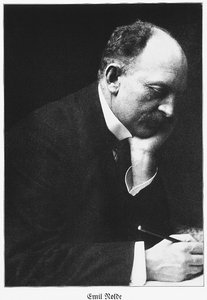
Emil Nolde
1867 - 1956 , Tyskland
Snabbfakta
- Artistic Movement Or Style: Expressionism, Die Brücke
- Artists Or Movements Influenced By This Artist: ['Die Brücke']
- Artists Who Influenced This Artist:
- Van Gogh
- Gauguin
- Date Of Birth: 7 augusti 1867
- Date Of Death: 13 april 1956
- Full Name: Emil Nolde (Hans Emil Hansen)
- Nationality: Tysk-Dansk
- Notable Artworks:
- Masker
- Kristus förlöjligas
- Blomstträdgård
- Place Of Birth: Nolde, Schleswig-Holstein
Relaterade artiklar

Tysk Expressionism: 10 Mästerverk som Definierade en Epok – Konst & Inredning
Utforska 10 ikoniska mästerverk inom tysk expressionism! Lär känna konstnärer som Nolde, Kirchner & Heckel. Upptäck historien bakom dessa färgstarka målningar och finn inspiration till din inredning med OriginalUniqueArt.com – museumkvalitet för ditt hem.

Giclée Prints: Archival Quality & Aesthetic Nuances for the Discerning Collector
Explore the world of giclée prints with OriginalUniqueArt. Learn about archival quality, aesthetic nuances & investment potential. Expert guidance for discerning art collectors seeking museum-quality reproductions and lasting value.

The Enduring Legacy of Fine Art Prints: Technique, History & Aesthetic Impact
Explore the rich history & techniques of fine art prints. Discover investment potential, assess authenticity, and learn how to preserve your collection with expert guidance. Trusted insights for discerning collectors.

Echoes of Time: Exploring the Enduring Appeal & Historical Context of Vintage Art Prints
Explore the captivating world of vintage art prints! Discover their history, collecting tips & enduring appeal. Expert insights on chromolithography and building a legacy collection with OriginalUniqueArt.

Djärva Mästverk: Topp 10 Konstverk som Uttrycker Styrka och Passion | OriginalUniqueArt
Upptäck 10 djärva konstverk som utstrålar styrka och passion! Från expressionismens kraftfulla färger till kubismens innovativa former. Lär känna berömda målningar & kända konstnärer. Hitta din perfekta inredningskonst hos OriginalUniqueArt – museumkvalitet för ditt hem. Utforska samlingen online!

