 Förhandsvisa
 Skicka
 Dela
Dela
 Visa detaljer
 Guide
Guide

 Ladda ner
 Liknande objekt
 Röntgen
 Bildspel
 Frågor och svar
 Statistik
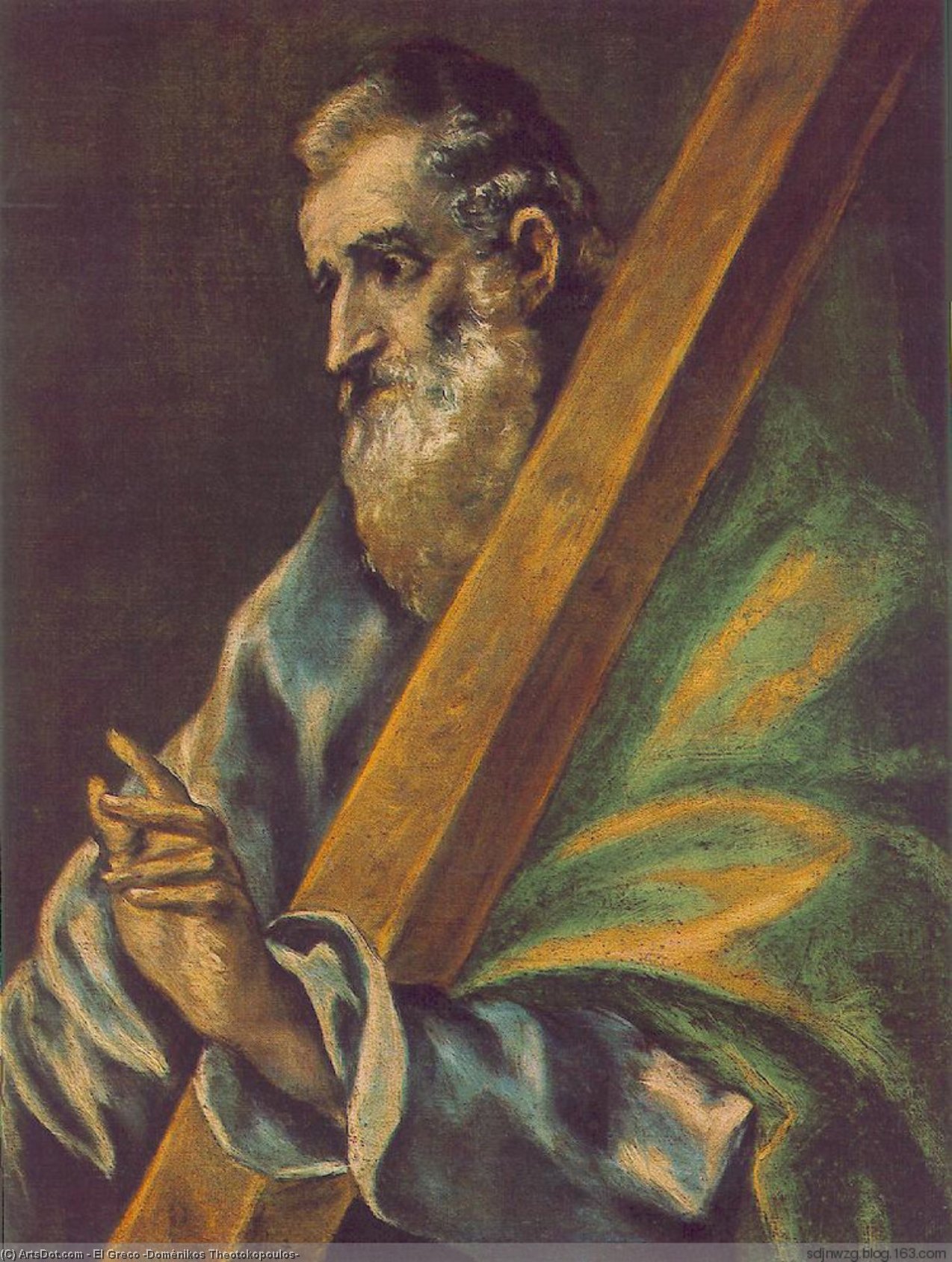
Apostle St Andrew

- 70.0 x 53.0 cm


 Visa mer
Giclée / Konsttryck
Giclée- eller canvasprint av museumskvalitet med snabb produktion och flexibla ytbehandlingsalternativ. ( Beställ handmålad reproduktion Byt till digital bild)




P118B Skr10

P118H Skr10

P118W Skr10

P438Z Skr10

P508JH Skr12

P508YH Skr12

P805H Skr10

P805Z Skr10

P919BZ Skr10

P919G Skr10

P919XJ Skr10

P959ZH Skr10

P968JZ Skr12

W106C Skr8

W218G Skr10

W218JH Skr8

W218Y Skr10

W307PJ Skr10

W316G Skr10

W316PJ Skr8

W316Y Skr10

W398PJ Skr8

W4111J Skr10

W500HY Skr15

W500JH Skr15

W692G Skr12

W849H Skr8

W940BG Skr15

W953PJ Skr8




Välj bland våra förinställda storlekar som motsvarar konstverkets ursprungliga proportioner.

Ange den bredd och höjd du behöver för att passa din ram eller vägg. Ett tryck kan endast beskäras, aldrig göras större än originalbilden, vilket innebär att ett format med en annan proportion leder till att en del av bilden går förlorad. Vi skickar en digital mockup för godkännande innan vi påbörjar tryckningen. Bilden som visas på denna sida visar inte den faktiska beskärningen — det är endast mockuppen som gör det.
Leverans över hela världen () på 2 veckor istället för standard 4/5 veckor. (10 november)

Fri expressfrakt över hela världen

Högkvalitativ linnecanvas

Fullständig fraktförsäkring

Garantier för återbetalning av tullavgifter

Garantier för exakt färgåtergivning

100 dagars returrätt (endast vid fel)

100% pengarna tillbaka-garanti

Mängdrabatt erbjuds
 Glasalternativet är endast tillgängligt i storlekar under 110 cm.

Apostle St Andrew
Giclée / Konsttryck
Storlek på reproduktion
-


Slutgiltigt pris
Skr 810
A Deep Dive into El Greco’s “Apostle St Andrew”
Doménikos Theotokópoulos, universally known as El Greco – “the Greek” – stands apart from his contemporaries as a painter whose artistic vision transcended conventional boundaries. Born in Crete in 1541, under Venetian dominion, his journey through Venice and Rome ultimately solidified his indelible mark on the artistic landscape of Spain: Toledo became his spiritual home and the crucible for his revolutionary style. El Greco wasn’t merely absorbing influences; he masterfully synthesized them—Byzantine solemnity blended seamlessly with Western Renaissance dynamism—resulting in an aesthetic that foreshadowed movements like Expressionism and Cubism centuries ahead of their time. His formative years within the Byzantine tradition instilled a meticulous attention to detail and a profound understanding of religious iconography, shaping his approach to portraying sacred subjects. Yet, he refused to be confined by dogma, actively pursuing new artistic horizons. He signed his canvases in Greek – “Krḗs” – proudly asserting his Cretan heritage while simultaneously embracing the stylistic currents circulating throughout Europe. The genesis of El Greco’s distinctive style can be traced back to a pivotal moment: witnessing the devastation wrought by the Lisbon earthquake of 1755, which profoundly impacted him emotionally and spurred him to experiment with innovative compositional strategies.The Artist's Singular Style: Long Lines and Vibrant Color
El Greco’s artistic signature is instantly recognizable—characterized by elongated figures rendered in luminous hues against backgrounds imbued with a palpable sense of mysticism. “Apostle St Andrew” exemplifies this approach perfectly. The artist employs dramatic foreshortening, elongating the saint’s body to convey spiritual intensity and conveying an ethereal quality rarely achieved during his era. His palette explodes with rich blues and golds—a deliberate choice reflecting Venetian artistic traditions but infused with a uniquely El Greco sensibility. These colors aren't merely decorative; they serve as conduits for emotion, amplifying the solemn grandeur of the scene. The artist’s technique is equally noteworthy: he utilizes impasto – thick brushstrokes – to sculpt texture onto the canvas surface, creating palpable depth and enhancing the visual impact of the composition. This textural richness contributes significantly to the painting's expressive power.Symbolism Embodied in Light and Gesture
The central element—the cross held by St. Andrew—is laden with symbolic significance. It represents his martyrdom and underscores his unwavering faith, mirroring the broader Christian narrative of sacrifice and redemption. The saint’s gaze is directed upwards, conveying humility and reverence – a gesture that speaks to the spiritual core of Byzantine art. Furthermore, the drapery surrounding St. Andrew is rendered with meticulous detail, capturing folds and creases that convey movement and dynamism—a stylistic departure from more static depictions prevalent in earlier periods. The subtle interplay of light and shadow further enhances the painting’s dramatic atmosphere, guiding the viewer's eye toward the focal point and amplifying the saint’s solemn presence.Historical Context: Venetian Influence Meets Andalusian Spirit
El Greco’s artistic trajectory was shaped by the cultural currents of his time—particularly the influence of Venice, where he honed his skills during a formative period. However, he wasn't merely imitating Venetian aesthetics; he transformed them into something wholly original, reflecting the spiritual fervor of Andalusia and forging an artistic identity that resonated across Europe. His work stands as testament to the enduring power of tradition blended with innovation—a legacy that continues to inspire artists today. To appreciate El Greco’s genius fully, a visit to The Museum Szépmûvészeti Múzeum (Budapest, Hungary) offers invaluable insight into his oeuvre and its broader artistic context.Frågor och svar
Hur möts konststil och epok i "Apostle St Andrew" av El Greco?
"Apostle St Andrew" tillhör den Baroque rörelsen och dess skapare verkade under Renässansen-eran.
Är "Apostle St Andrew" fri från upphovsrätt?
"Apostle St Andrew" av El Greco är allmän egendom – upphovsrätten har löpt ut. Denna status avgör hur bilden av verket får återges.
Vad rekommenderas för användning av ett tryck av "Apostle St Andrew"?
Det rekommenderade användningsområdet för "Apostle St Andrew" av El Greco är Accent. Den kan även användas till andra ändamål.
Konstnärsbiografi
Det kretsiska fundamentet
Doménikos Theotokópoulos, av historien känd som El Greco, tog sina första steg i livet 1541 på ön Kreta. Vid denna tid var ön under venetianskt styre, ett faktum som senare skulle tillåta honom att överbrygga klyftan mellan östliga och västliga traditioner. Han utbildades som ikonmålare inom den bysantinska traditionen, en disciplin som krävde en noggrann uppmärksamhet på detaljer och ett fokus på motivets andliga essens snarare än enbart fysisk likhet. Denna tidiga fördjupning i den kretsiska skolan gav honom en känsla för symbolisk precision som skulle förbli en konstant, även när hans stil genomgick radikala transformationer.
Vid tjugosex års ålder flyttade han till Venedig för att utvidga sin förståelse av den naturliga världen. I den venetianska republiken kom han i kontakt med verken av Tizian och Tintoretto, och han sög åt sig deras mästerskap i färg och användningen av ljus för att definiera form. Han lärde sig att röra sig bort från ungdomens stela linjer och omfamnade ett mer flytande penseldrag och en känsla av dynamik. Denna period var inte ett avvisande av hans rötter utan snarare en expansion av dem, då han började sammanväva den disciplinerade ikonografin från sitt grekiska arv med den atmosfäriska sensualiteten från den italienska renässansen.
Transformationen i Toledo
Efter en period i Rom, där han mötte manierismens förlängda former och sofistikerade kompositioner, slog El Greco sig ner i Toledo, Spanien, år 1577. Detta flytt visade sig vara avgörande. Toledo var ett centrum för intensiv religiös glöd under motreformationen, vilket erbjöd ett landskap som var perfekt anpassat för hans alltmer mystiska vision. Det var här som hans stil nådde sin mest särpräglade fas, kännetecknad av figurer som verkade utsträckta och förvridna, som om de drogs av en osynlig andlig kraft. Han använde färg inte för att efterlikna verkligheten, utan för att förstärka den emotionella effekten, ofta genom att använda onaturliga nyanser för att skildra det gudomliga.
Hans arbete i Spanien präglades av en spänning mellan det jordiska och det eteriska. I Begravningen av greve Orgaz (1586-1588) sammanställde han den realistiska skildringen av samtida figurer med utdragna, himmelska former, vilket skapade en visuell bro mellan det dödliga och det gudomliga. Hans förmåga att manipulera ljus och skugga gjorde det möjligt för honom att skapa en känsla av drama som kändes både teatralisk och djupt personlig. Han målade inte bara scener; han försökte gestalta de emotionella och andliga realiteter som existerar bortom den fysiska världens yta.
Ett arv av form och ljus
De senare åren av hans liv präglades av en rörelse mot ännu större abstraktion och mysticism. Hans kompositioner blev mer komplexa och hans figurer mer förvridna, vilket speglade en växande distans till konventionella konstnärliga normer. Trots att han nådde framgång och fick betydande uppdrag från kyrkor och kloster i Toledo, kändes hans inflytande inte omedelbart av den bredare konstvärlden efter hans död 1614. Under en lång period betraktades han som en excentriker, och hans verk förblev i stort sett förbisedda av konsthistoriens mainstream.
Det var inte förrän under 1900-talet som hans betydelse fullt ut erkändes. Modernisterna fann i hans verk en föregångare till framtidens expressiva och fragmenterade stilar. Hans förmåga att förvränga proportioner och använda djärva, emotionella färger resonerade med dem som sökte uttrycka inre psykologiska tillstånd. Idag betraktas hans målningar som fönster in i den mänskliga själen, hyllade för sin unika förmåga att fånga trons intensitet och kampen för transcendens.
Några framstående verk inkluderar:
- Begravningen av greve Orgaz (1586-1588)
- Vy över Toledo (1596-1600)
- Det femte sigillet öppnas (1608-1614)
- Sankt Sebastian (1600)
- El Espolio (1577-1579)

El Greco
1541 - 1614 , Grekland
Kortfakta
- Artistic Movement Or Style: Mannerism och Barock
- Artists Who Influenced This Artist:
- Titian
- Tintoretto
- Date Of Birth: 1541
- Date Of Death: 1614
- Full Name: Doménikos Theotokópoulos
- Nationality: Grekisk-Spansk
- Notable Artworks:
- Burial av räknaren Orgaz
- Vy över Toledo
- El Espolio
- Heliga Sebastian
- Place Of Birth: Crete, Greece
Relaterade artiklar

The Dramatic Flourish: Exploring the Baroque Movement's Enduring Legacy in Art History
Explore the dramatic world of Baroque art! Discover iconic artists like Caravaggio & Rubens, defining techniques, and its lasting impact on art history. Expert insights for collectors & enthusiasts at OriginalUniqueArt.
El Greco: Spirituality, Style & Innovation – A Renaissance Master's Legacy
Explore the captivating world of El Greco! Discover his unique style, spiritual intensity, and lasting impact on art history. Learn about this Renaissance master's life, iconic paintings & legacy.
The Golden Age Reforged: Dramatic Realism & Religious Zeal in Spanish Baroque Art
Explore the dramatic world of Spanish Baroque art! Discover masters like Zurbarán & the powerful influence of religious zeal on painting techniques – a guide for collectors and enthusiasts.

El Grecos 25 Mästerverk: En Konsthistorisk Resa för Hemmet & Själens Frid
Utforska El Grecos 25 mest ikoniska tavlor! Fördjupa dig i spansk renässanskonst, dramatik och sakrala motiv. Köp högkvalitativa konsttryck & inred med tidlösa mästerverk från OriginalUniqueArt.com.

Barockens Mästerverk: Topp 10 konstverk som definierade en epok – OriginalUniqueArt.se
Upptäck barockens 10 största mästerverk! Caravaggio, Rembrandt, Bernini och fler. Lär känna historien bakom ikoniska målningar & skulpturer. Köp reproduktioner av hög kvalitet på OriginalUniqueArt.com – för en lyxig heminredning.


