Förhandsvisa
 Skicka
 Dela
Dela
 Visa detaljer
 Guide
Guide

 Ladda ner
 Liknande objekt
 Röntgen
 Bildspel
 Q&A
Q&A Statistik
Little Tree (Chestnut Tree at Lake Constance)
 Acrylic On Canvas
- WallArt
- Expressionist Style
 1912
1912- Modern
 45.0 x 29.0 cm
 Visa mer
Giclée / Konsttryck
Giclée- eller canvasprint av museumskvalitet med snabb produktion och flexibla ytbehandlingsalternativ. ( Beställ handmålad reproduktion Byt till digital bild)




P118B Skr10

P118H Skr10

P118W Skr10

P438Z Skr10

P508JH Skr12

P508YH Skr12

P805H Skr10

P805Z Skr10

P919BZ Skr10

P919G Skr10

P919XJ Skr10

P959ZH Skr10

P968JZ Skr12

W106C Skr8

W218G Skr10

W218JH Skr8

W218Y Skr10

W307PJ Skr10

W316G Skr10

W316PJ Skr8

W316Y Skr10

W398PJ Skr8

W4111J Skr10

W500HY Skr15

W500JH Skr15

W692G Skr12

W849H Skr8

W940BG Skr15

W953PJ Skr8




Välj bland våra förinställda storlekar som motsvarar konstverkets ursprungliga proportioner.

Ange den bredd och höjd du behöver för att passa din ram eller vägg. Ett tryck kan endast beskäras, aldrig göras större än originalbilden, vilket innebär att ett format med en annan proportion leder till att en del av bilden går förlorad. Vi skickar en digital mockup för godkännande innan vi påbörjar tryckningen. Bilden som visas på denna sida visar inte den faktiska beskärningen — det är endast mockuppen som gör det.
Leverans över hela världen () på 2 veckor istället för standard 4/5 veckor. (30 oktober)

Fri expressfrakt över hela världen

Högkvalitativ linnecanvas

Fullständig fraktförsäkring

Garantier för återbetalning av tullavgifter

Garantier för exakt färgåtergivning

100 dagars returrätt (endast vid fel)

100% pengarna tillbaka-garanti

Mängdrabatt erbjuds
 Glasalternativet är endast tillgängligt i storlekar under 110 cm.

Little Tree (Chestnut Tree at Lake Constance)
Giclée / Konsttryck
Storlek på reproduktion
-


Slutgiltigt pris
Skr 804
A Singular Vision of Resilience: Exploring Egon Schiele’s “Little Tree (Chestnut Tree at Lake Constance)”
“Little Tree (Chestnut Tree at Lake Constance),” painted by Austrian Expressionist Egon Schiele in 1912, transcends mere depiction; it embodies a profound meditation on life and death, rendered with breathtaking precision and imbued with an unsettling beauty. Measuring 45 x 29 cm, this watercolor captures Schiele’s distinctive approach to portraying nature—a method characterized by bold lines, vibrant hues, and deliberately distorted forms that prioritize emotional resonance over photographic realism. The artwork isn't simply a landscape; it’s a visual distillation of existential anxieties filtered through the lens of artistic innovation.The Expressionist Language of Emotion
Schiele’s stylistic choices firmly situate “Little Tree” within the Expressionist movement, which sought to convey subjective experience rather than objective observation. Unlike Impressionists who aimed to capture fleeting moments of light and color, Schiele deliberately exaggerates contours and employs jarring contrasts—the dark trunk against the luminous green foliage—to heighten emotional impact. This technique isn’t accidental; it reflects Schiele's preoccupation with themes of vulnerability and mortality, anxieties that permeate his entire oeuvre. The artist’s brushstrokes are restless, conveying a palpable sense of urgency and dynamism, mirroring the turbulent inner landscape he sought to portray.A Mountain Range as Symbol of Struggle
The backdrop of jagged mountain peaks serves as more than just an aesthetic element; it functions symbolically as representation of obstacles and challenges confronting life itself. Schiele’s masterful use of watercolor allows for subtle gradations of tone, creating a textured surface that enhances the painting's expressive qualities. The tree’s upward thrust—a gesture of defiance against gravity—suggests perseverance in the face of adversity, mirroring Schiele’s own personal battles with illness and loss. This visual metaphor underscores the artwork’s core message: beauty can coexist with sorrow, strength resides within fragility.Historical Context and Artistic Significance
Created during a period marked by artistic experimentation and intellectual ferment—the Kunstsalon Franke in Munich being a pivotal venue for showcasing avant-garde art— “Little Tree” exemplifies Schiele's contribution to the Expressionist canon. It stands alongside other seminal works like "Two Friends" and "Woman with Blue Stockings," demonstrating Schiele’s ability to synthesize observation and emotion into a singularly powerful visual statement. The painting’s enduring appeal lies in its uncompromising honesty—a refusal to sanitize nature or diminish the complexities of human experience.A Reproduction That Captures Essence
A meticulously crafted oil painting reproduction allows admirers to appreciate “Little Tree”'s artistic brilliance without the constraints of original ownership. It faithfully recreates Schiele’s distinctive style and technique, preserving the artwork’s emotional depth and visual vibrancy. Consider displaying this stunning piece alongside Marie-Thérèse Auffray’s evocative watercolors—a harmonious pairing that celebrates the beauty of natural landscapes infused with profound psychological insight. Explore more about Egon Schiele's artistic journey on OriginalUniqueArt.com and discover similar masterpieces at OriginalUniqueArt.com.Frågor och svar
Kan jag beställa en oljereproduktion av "Little Tree (Chestnut Tree at Lake Constance)"?
Du kan beställa en handmålad reproduktion av "Little Tree (Chestnut Tree at Lake Constance)" av Egon Schiele direkt på dess Handmålad reproduktion-sida: en handmålad oljereproduktion på linneväv, tillverkad efter beställning.
Var i hemmet passar en reproduktion av "Little Tree (Chestnut Tree at Lake Constance)" bra?
En reproduktion av "Little Tree (Chestnut Tree at Lake Constance)" passar bra i ett Living Room.
Vilket rum rekommenderas för "Little Tree (Chestnut Tree at Lake Constance)" av Egon Schiele, med tanke på dess färger?
Med tanke på dess Neutrals färger rekommenderas "Little Tree (Chestnut Tree at Lake Constance)" för ett Living Room.
Konstnärsbiografi
A Life Forged in Expression
Född 1890 i Tulln an der Donau, Egon Schiele’s liv var en stormig resa präglad av både exceptionell konstnärlig vision och djupgående personliga svårigheter. Hans tidiga år var skuggade av sjukdom och förlust; hans far dog av syfilis när Egon bara var fjorton år gammal, en tragedi som skulle resonera djupt inom hans verk, drivande en besatthet av döden och existensens bräcklighet. Uppfostrad initialt av sin mor och sedan under den något kontrollerande vårdnaden av sin farbror Leopold Czihaczek, saknade Schiele’s barndom konventionell stabilitet men främjade en envis självständighet. Även som pojke visade han ett intensivt intresse för tåg – ett motiv som subtilt återkom i senare målningar – och en växande talang för teckning, även om detta initialt möttes med avvisning från hans far som såg det som en distraktion från mer praktiska sysslor. Den tidiga döden av sin syster Elvira kastade också en lång skugga över den unga konstnärens psyke. Dessa formativa erfarenheter inställde inom honom en känslighet och en emotionell råhet som skulle bli kännetecken för hans konstnärliga uttryck, en ständig kamp med teman om liv, död och den mänskliga tillstånd.
The Crucible of Vienna: Artistic Development
Schiele’s formella konstutbildning började på Kunstgewerbeschule (Skolan för Konst och Hantverk) i Wien, men han fann snabbt sig själv kvävd av dess konservativa approach. Han överförde till Akademie der bildenden Künste (Konstakademin), endast för att bli ytterligare desillusionerad med dess rigida akademiska traditioner. Denna missnöje ledde honom till att helt enkelt lämna formell utbildning, och valde istället att forma sin egen väg, ett testamente till hans okuvliga konstnärliga övertygelse. Gustav Klimt’s inflytande var avgörande under dessa tidiga år; Schiele beundrade Klimt’s dekorativa stil och utforskning av symbolik, även om han fick mentorskap från den etablerade konstnären. Dock skiljde sig Schiele snart från Klimt’s estetik, utvecklade en distinkt individuell röst präglad av sin skoningslösa ärlighet och psykologiska intensitet. Han grundade Neues Wiener Kunstgruppe (“Nya Venedska Konstgruppen”) 1909, och allierade sig med andra progressiva konstnärer som utmanade de rådande konstnormerna. Hans tidiga verk, ofta störande porträtt och självporträtt, började uppstå som kraftfulla uttalanden om emotionell turbulens, med förvrängda figurer och en genomträngande känsla av sårbarhet. Dessa målningar var inte bara representationer av fysisk form utan utforskningar av det inre landskapet – de ångest, önskningar och rädslor som hemslö drabbade den mänskliga psyken. Han sökte att representera inte vad han *såg*, utan vad han *kände*.
Raw Emotion and Unflinching Truth
Egon Schiele’s konst är omedelbart igenkännbar för sin skoningslösa ärlighet och psykologiska djup. Han konfronterade utan att tveka teman som ofta ansågs tabubelagda – sexualitet, död, ångest, isolering – med en skoningslös blick. Hans distinkta stil kännetecknas av förlängda figurer, förvrängda poser och uttrycksfulla linjer som förmedlar en känsla av obalans och emotionell intensitet. Den mänskliga formen, särskilt den nakna kroppen, blev hans primära ämne, inte som ett objekt för idealiserad skönhet utan som ett bärare av att utforska de komplexa aspekterna av mänskligt upplevelse. Självporträtt utgör en betydande del av hans oeuvre, erbjuda intima glimtar in i hans inre värld – en värld ofta präglad av ensamhet och självkänsla. Han tvekade inte att representera sig själv i pinsamma eller sårbara poser, avslöjande en djupgående nivå av självmedvetenhet och introspektion. Utöver självporträtt skapade Schiele många porträtt av andra, fångande deras likheter med en störande realism som verkade tränga igenom ytan. Hans landskap, även om de inte var lika centrala för hans konst som hans figurativa målningar, visar på hans behärskning av form och färg, ofta återspeglande samma emotionella intensitet som hans porträtt. Användningen av linjer är särskilt slående i Schiele’s verk; det är inte bara ett verktyg för att definiera form utan en uttrycksfull kraft som förmedlar känslor och psykologisk spänning.
Major Achievements and Historical Significance
Trots att han mötte censur och juridiska utmaningar – inklusive en kort fängelsevistelse för anklagelser om att korrumpera minderåriga med sin konst – fick Schiele erkännande inom Wien’s avantgardecirklar. Hans verk utmanade tidernas konventioner, vilket väckte både beundran och vrede. Redan vid sin tidiga död under spansflu-pandemin 1918 i ålder av tjugoåtta år hade han etablerat sig som en ledande figur i österrikisk expressionism. Viktiga verk såsom Self-Portrait with Physalis, Couple Embracing och Field Landscape (Kreuzberg near Krumau) står som vittnesbörd om hans konstnärliga geni. Hans inflytande på efterföljande generationer av konstnärer är obestridligt, särskilt de som är intresserade av att utforska psykologiska teman och utmana konventionella konstnormer. Schiele’s vågade approach till form och ämne fortsätter att resonera hos publiken idag, vilket gör honom till en av de mest betydelsefulla och inflytelserika figurerna i tidig 20:e århundradets konst. Hans målningar finns nu bevarade i ledande museisamlingar världen över, inklusive Leopold Museum i Wien och Egon Schiele Art Centrum i Český Krumlov, vilket säkerställer att hans konstnärliga arv består.
- Nyckelteman: Döden, sexualitet, isolering, emotionell turbulens.
- Inflytande: Gustav Klimt, Wiener Secession, personlig trauma.
- Stilkarakteristika: Förlängda figurer, förvrängda poser, uttrycksfulla linjer, rå känsla.

Egon Schiele
1890 - 1918 , Österrike-Ungern
Kortfakta
- Artistic Movement Or Style: Expressionism
- Artists Or Movements Influenced By This Artist: ['Viennese Secession']
- Artists Who Influenced This Artist: ['Gustav Klimt']
- Date Of Birth: 1890-06-12
- Date Of Death: 1918-10-30
- Full Name: Egon Schiele
- Nationality: Österrikisk
- Notable Artworks:
- Hus med tvättklädn.
- Selvporträtt s. Sebastian
- untitled (792)
- Place Of Birth: Tulln an der Donau
Relaterade artiklar

Ephemeral Visions: Exploring the Artistic Legacy & Contemporary Practice of Watercolor Painting
Explore the captivating world of watercolor painting! Discover its rich history, essential techniques, influential artists & collecting tips. A comprehensive guide for art enthusiasts from OriginalUniqueArt.

10 Akvarellmästerverk som Förändrade Konsthistorien | OriginalUniqueArt
Utforska 10 legendariska akvarellmålningar av Turner, Monet & Sargent som revolutionerade konsten. Lär känna historien bakom varje mästerverk och hitta inspiration till din inredning. Köp reproduktioner på OriginalUniqueArt.com!
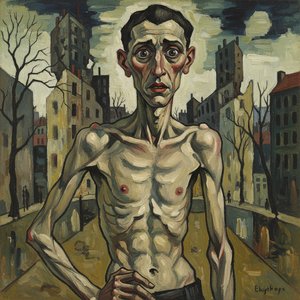
Egon Schiele: Expressionism, Anxiety & the Modern Condition – A Comprehensive Exploration
Explore the emotionally charged world of Egon Schiele (1890-1918). Discover his Expressionist masterpieces, psychological themes, and lasting impact on modern art. A comprehensive guide for collectors & enthusiasts.

Egon Schieles 25 Mästerverk: En Konstnärlig Djupdykning för Hemmet
Utforska Egon Schieles 25 mest ikoniska målningar! Djupdyk i expressionismens värld, porträttkonst och hans unika stil. Hitta inspiration & köp konsttryck av hög kvalitet på OriginalUniqueArt.com – för ditt hem eller samling.

Ephemeral Visions: Exploring the History & Emotional Resonance of Watercolor Painting
Explore the captivating history of watercolor painting, from ancient techniques to modern masters like Kandinsky & Blake. Discover essential artists, collecting tips & the emotional power of this luminous medium. Expert insights for art enthusiasts.