Pictorialism · 1920
Sunflower (Edward Steichen, 1920)
Edward Steichen (1900–1973) skapade Sunflower. Den är från 1920. Det tillhör Pictorialism-rörelsen. Den är utförd i Acrylic On Canvas. Verket finns bevarat på George Eastman Museum i Rochester, USA. Måtten är 19 × 24 cm.
- 1920
- Acrylic On Canvas
- 19 × 24 cm
- George Eastman Museum, Rochester

 Förhandsvisa

 Handmålad oljemålning
 Skicka
 Dela
 Faktablad


 Ladda ner
 Liknande objekt
 Röntgen
 Bildspel
 Frågor och svar

 Statistik
Sunflower i korthet
- Titel
- Sunflower
- Konstnär
- Edward Steichen (1900–1973)
- Konstnär född i
- Bivange, Luxemburg
- Datum
- 1920
- Material
- Acrylic On Canvas
- Mått
- 19 × 24 cm
- Utställningsplats
- George Eastman Museum, Rochester, USA
- Rörelse
- Pictorialism
- Tidsperiod
- 19th Century
- Motiv
- sunflower, edward steichen, photography, art, landscape, composition
Vad föreställer Sunflower?
A Luxembourgian Seed Takes Root: The Genesis of “Sunflower”
Edward Steichen’s 1920 painting, "Sunflower," isn’t merely a depiction of a flower; it's a poignant distillation of memory, displacement, and the enduring search for belonging. Born in the small, unassuming village of Bivange, Luxembourg, in 1879 – a region steeped in history and shadowed by the shifting borders of Europe – Steichen’s early life was marked by an emigration to America at just eighteen months old. This relocation, a common experience for Luxembourgers facing economic hardship, instilled within him a profound sense of rootlessness, a feeling that would subtly permeate his artistic vision throughout his career. The painting itself emerges from this context; it's not simply a botanical study but a visual echo of a past left behind, a yearning for stability amidst constant change.
Steichen’s journey to America was fueled by the hope of opportunity and a desire to escape the limitations imposed by his birthplace. He quickly immersed himself in the vibrant artistic scene of Milwaukee, Wisconsin, where he honed his skills as a lithographer and began experimenting with photography – a medium that would ultimately become his defining voice. This early exposure to both visual arts laid the groundwork for his later ability to capture light, texture, and emotion with remarkable precision.
The Pictorialist’s Palette: Technique and Style
“Sunflower” exemplifies Steichen's mastery of the pictorialist style – a movement that sought to elevate photography to the level of fine art. The painting is rendered in tempera and oil on canvas, utilizing a muted palette dominated by earthy browns, ochres, and subtle greens. These colors evoke the rich soil from which the sunflower springs, grounding the image in a sense of naturalism while simultaneously lending it an air of quiet contemplation. Steichen’s brushwork is deliberately soft and blended, creating a hazy, dreamlike quality that obscures sharp details and invites the viewer to lose themselves within the scene.
The composition itself is carefully constructed. The sunflower dominates the center of the frame, its broad petals radiating outwards in an explosion of color and form. Steichen employs a technique known as *sfumato*, borrowed from Renaissance painting, to soften edges and create a sense of atmospheric perspective. This blurring effect not only adds depth but also contributes to the painting’s overall mood of melancholy and nostalgia. The lighting is particularly noteworthy – a diffused, almost ethereal glow that seems to emanate from within the flower itself, suggesting an inner life and vitality.
Symbolism in Bloom: Memory, Displacement, and Resilience
The sunflower, as a symbol, carries layers of meaning. Historically, it has represented adoration, loyalty, and longevity – qualities that resonate deeply with Steichen’s own experiences. The flower's tendency to follow the sun is often interpreted as a metaphor for seeking guidance and direction in life, a theme particularly relevant to an artist grappling with displacement and uncertainty. The painting can be seen as a visual representation of Steichen’s own journey – his departure from Luxembourg, his struggles to find acceptance in America, and his ongoing quest for artistic fulfillment.
Furthermore, the sunflower's association with remembrance is significant. It’s often used as a symbol of mourning and remembrance, connecting to the broader context of Steichen’s life – marked by personal loss and the challenges of adapting to a new culture. Despite these hardships, however, “Sunflower” ultimately conveys a sense of resilience and hope. The flower's vibrant colors and upward-reaching form suggest an enduring spirit, a testament to the human capacity for growth and renewal.
A Legacy in Light: Steichen’s Enduring Influence
Edward Steichen’s “Sunflower” stands as a powerful example of his artistic vision – a synthesis of technique, symbolism, and personal experience. His pioneering work in photography and painting profoundly influenced generations of artists, shaping the course of modern visual culture. Today, reproductions of this evocative image continue to captivate viewers with their quiet beauty and poignant message. It serves as a reminder that even amidst displacement and hardship, there is always room for growth, remembrance, and the enduring pursuit of light.
Vilket museum har Sunflower?
George Eastman Museum
Rochester, USA
Ett arv etsat i ljus Inbäddat i det fridfulla, gröna landskapet i Rochester, New York, står ett monument som inte bara hyllar konsten, utan själva uppfinningen av det visuella berättandet. George Eastman Museum är så mycket mer än bara en förvaringsplats för fotografier och film; det är ett levande vittnesbörd om den gränslösa mänskliga önskan att fånga flyktiga ögonblick, bevara efemära minnen och dela djupa visioner. Grundat av den visionära entreprenören George Eastman—mannen som demokratiserade fotografin genom sina revolutionerande Kodak-kameror—förkroppsligar denna institution en extraordinär sammansmältning av teknisk innovation, konstnärligt uttryck och arkitektonisk storslagenhet.


Högupplösta bilder av Sunflower

Upphovsrättsskyddat: dessa filer är för personligt bruk och utgör inte en licens för återpublicering.
Edward Steichen, Sunflower (1920), George Eastman Museum.
Frågor om Sunflower besvarade
Var kan man se "Sunflower" av Edward Steichen utställd idag?
Originalet av "Sunflower" finns att se på George Eastman Museum, Rochester, USA.
När skapades "Sunflower" av Edward Steichen?
"Sunflower" av Edward Steichen skapades år 1920.
Vilken teknik har använts för "Sunflower"?
"Sunflower" är utförd i Acrylic On Canvas.
Vilka är de faktiska måtten på "Sunflower" av Edward Steichen?
Originalet av "Sunflower" av Edward Steichen mäter 24 x 19 cm.
Vad föreställer "Sunflower" av Edward Steichen?
Teman som återfinns i "Sunflower" av Edward Steichen inkluderar sunflower, edward steichen, photography, art, landscape, composition, color, 1920. Tillsammans sammanfattar de verkets motiv.
Är bilden av "Sunflower" av Edward Steichen fri att återge?
"Sunflower" av Edward Steichen är fortfarande skyddat av upphovsrätt. Denna status avgör hur bilden av verket får återges.
Vem är konstnären bakom "Sunflower"?
Konstnären bakom "Sunflower" är Edward Steichen. Verket är katalogiserat under Edward Steichens namn.
Vilken stil tillhör "Sunflower"?
"Sunflower" är ett verk inom Pictorialism. Denna stilriktning anger den konstnärliga tradition som verket tillhör.
Vilken fas av Edward Steichens konstnärliga utveckling representerar "Sunflower"?
Inom Edward Steichens karriär tillhör "Sunflower" perioden Early Period. Denna fas underlättar jämförelser med konstnärens övriga verk.
Om konstnären, Edward Steichen

1900–1973, Luxemburg
Edward Steichen
Ett liv som förenar världar: Edward Steichens konstnärliga odyssé Édouard Jean Steichen, senare känd som Edward Steichen, var en gestalt som trotsade enkla kategoriseringar. Han föddes 1879 i den lilla byn Bivange i Luxemburg, och hans liv kom att bli en extraordinär resa från europeiska rötter till att bli en av Amerikas mest inflytelandomspunna konstnärer – inte bara som fotograf, utan även som målare, curator och visionär som omformade vår perception av den visuella kulturen. De tidiga åren präglades av en betydande omflyttning; år 1881 emigrerade familjen Steichen till Hancock, Michigan, i jakt på nya möjligheter. Denna flytt gav den unge Edward en känsla av rotlöshet och kanske en förhöjd observationsförmåga – egenskaper som skulle komma att forma hans konstnärliga vision djupt.
Andra verk av Edward Steichen
 Le Tournesol (The Sunflower)1920
 Behind-the-scenes photograph, Paying the Piper1921
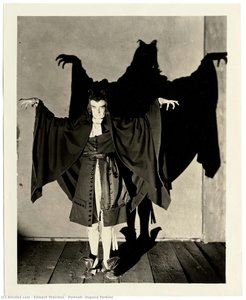 Portrait, Osgood Perkins1923
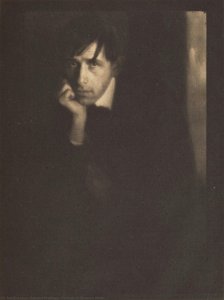 Portrait of Clarence White1905
Essäer om Sunflower
 Pictorialism Unveiled: How the Aesthetic Revolution Transformed Photography into Fine ArtExplore the revolution of Pictorialism. Discover how visionary photographers moved beyond documentation to transform the lens into a fine a…
 1800-talets Mästverk: 10 Konstverk som Definierade en Epok | OriginalUniqueArtUpptäck 1800-talets mest ikoniska konstverk! Från romantik till impressionism – utforska Monet, Renoir och Manet. Lär känna historien bakom…
 Sunlight on Canvas: The Radiant Symbolism of Yellow Flowers in Impressionist ArtExplore the profound symbolism of yellow flowers in Impressionist art through expert analysis. Discover the light of the masters today.