
 Förhandsvisa

 Skicka
 Dela
 Visa detaljer
 Guide


 Ladda ner
 Liknande objekt
 Röntgen
 Bildspel
 Frågor och svar
 Statistik
Marine

- 76.0 x 64.0 cm


 Visa mer
Giclée / Konsttryck
Giclée- eller canvasprint av museumskvalitet med snabb produktion och flexibla ytbehandlingsalternativ. ( Beställ handmålad reproduktion Byt till digital bild)




P118B Skr10

P118H Skr10

P118W Skr10

P438Z Skr10

P508JH Skr12

P508YH Skr12

P805H Skr10

P805Z Skr10

P919BZ Skr10

P919G Skr10

P919XJ Skr10

P959ZH Skr10

P968JZ Skr12

W106C Skr8

W218G Skr10

W218JH Skr8

W218Y Skr10

W307PJ Skr10

W316G Skr10

W316PJ Skr8

W316Y Skr10

W398PJ Skr8

W4111J Skr10

W500HY Skr15

W500JH Skr15

W692G Skr12

W849H Skr8

W940BG Skr15

W953PJ Skr8




Välj bland våra förinställda storlekar som motsvarar konstverkets ursprungliga proportioner.

Ange den bredd och höjd du behöver för att passa din ram eller vägg. Ett tryck kan endast beskäras, aldrig göras större än originalbilden, vilket innebär att ett format med en annan proportion leder till att en del av bilden går förlorad. Vi skickar en digital mockup för godkännande innan vi påbörjar tryckningen. Bilden som visas på denna sida visar inte den faktiska beskärningen — det är endast mockuppen som gör det.
Leverans över hela världen () på 2 veckor istället för standard 4/5 veckor. (20 november)

Fri expressfrakt över hela världen

Högkvalitativ linnecanvas

Fullständig fraktförsäkring

Garantier för återbetalning av tullavgifter

Garantier för exakt färgåtergivning

100 dagars returrätt (endast vid fel)

100% pengarna tillbaka-garanti

Mängdrabatt erbjuds
 Glasalternativet är endast tillgängligt i storlekar under 110 cm.

Marine
Giclée / Konsttryck
Storlek på reproduktion
-


Slutgiltigt pris
Skr 803
The Depiction of Marine by Edward Moran
Executed about 1871, Marine by Edward Moran presents a monochromatic marine scene. The work focuses on a small sailboat navigating through choppy waters, with several figures visible onboard. This central vessel moves through an expansive ocean, its presence defined by the interplay of light and shadow within a grayscale palette.
In the background, other sailboats appear, receding into a hazy atmosphere. These distant vessels diminish in clarity, creating a sense of depth through atmospheric perspective. The composition captures a specific moment of maritime activity, emphasizing the movement of the water and the positioning of the ships against the vastness of the sea.
Composition and Visual Elements of the Work
The composition centers on a small sailboat positioned prominently in the foreground. Diagonal lines created by the billowing sails draw the eye upward, establishing a sense of motion against the surrounding stillness. A relatively high horizon line emphasizes the vast expanse of the water, situating the vessel within an immense maritime environment.
The work utilizes a monochromatic palette, relying on subtle tonal variations of gray, white, and black to define form and depth. Diffused, soft lighting creates a hazy atmosphere, obscuring sharp boundaries and contributing to the sense of atmospheric perspective. This controlled use of light and shadow renders the choppy texture of the waves and the subtle details of the boat's hull without the need for color.
Technique and Artistic Materials Used
Executed in oil on canvas, the work demonstrates a sophisticated command of tonal gradation and atmospheric perspective. The artist employs traditional painting methods, utilizing layering and blending to establish depth and texture across the composition. These techniques allow for a controlled transition between light and shadow, particularly within the hazy, diffused atmosphere of the sky.
The application of paint is characterized by fine brushstrokes that render the choppy texture of the waves and the subtle structural details of the boat’s hull. While the brushwork remains visible, it is generally subtle, contributing to a smooth overall finish. This precision in rendering the maritime elements balances the broader, more atmospheric treatment of the surrounding environment.
Historical Context and Artistic Movement
The work aligns with the Romantic movement’s fascination with untamed landscapes. It reflects the Victorian era's preoccupation with portraying heroic narratives through the struggle against nature. During this period, navigating treacherous seas was viewed as a means to foster moral fortitude and spiritual enlightenment. The painting captures this intersection of physical challenge and character development.
The piece emerged as the United States was actively establishing itself as a maritime power. This era of rapid industrial expansion and westward exploration shaped the national identity, a sentiment reflected in the focus on seafaring and exploration. Moran’s focus on the sea mirrors the broader cultural interest in the psychological impact of encountering nature's grandeur.
Frågor och svar
Hur är färgkompositionen i "Marine" av Edward Moran uppbyggd?
Färgkompositionen i "Marine" av Edward Moran förenar en Statement kontrast med en Unified Palette harmoni.
Vilket rum rekommenderas för "Marine" av Edward Moran, med tanke på dess färger?
Med sin Neutrals-palett rekommenderas "Marine" av Edward Moran för ett Living Room. Färgerna är en del av anledningen till detta förslag.
Vilken användning och vilken yta rekommenderas för "Marine" av Edward Moran?
Rekommendationerna för "Marine" av Edward Moran är användningsområde (Accent) och utrymme (Living Room).
Konstnärsbiografi
Edward Moran - En Konstnär Fördjupad i Havets Magi
Edward Moran, född 1829 i Bolton-le Moor, Lancashire, England, var en konstnär vars liv och verk är starkt präglat av fascinationen för havet och dess komplexa skönhet. Hans berättelse är en resa genom kontinenter, konstnärliga lärdomar och ett engagemang för att fånga havets kraft och elegans – en historia sammanflätad med den växande amerikanska nationaliteten under senare delen av 1800-talet. Morans familj härstammar från praktiska yrken inom textilindustrin, men redan som ung pojke visade han ett naturligt begär efter konstnärlig verksamhet, skissandes på vävduk istället för att fokusera enbart på sitt fars arbete. Detta tidiga impulser antydde en livslång kärlek till visuellt uttryck. Året innan emigrerade Morans familj till Maryland och sedan till Philadelphia där hans far sökte arbete i en textilfabrik och Edward också arbetade vid vävfabriken. Detta första möte med Amerika skulle komma att forma hela hans konstnärliga utveckling.- Tidig Liv och Konstnärlig Utbildning
- Konstnärlig Utveckling och Stil
- Havets Inspirationskälla och Teknik
- Samarbete med Thomas Moran
- Morans Eftermäle och Arv
Konstnärlig Utveckling och Stil
Moran började sin konstnärliga utbildning vid sidan av vävandet genom att lära sig skriva från en gatumålare i Bolton. Detta tidiga möte med konstnärlig teknik skulle komma att vara avgörande för hans senare utveckling. Efter emigrerationen till Amerika arbetade han först som vävare och sedan som vävfabrikens arbetschef innan han ägnade sig åt måleriet fullt ut. Han studerade vid Royal Academy i London där han blev inspirerad av William Turner, vars dramatiska användning av ljus och färg skulle komma att påverka Morans egen stil. Detta möte med Turner markerade en viktig vändpunkt i hans konstnärliga resa och ledde till ett intensivt arbete för att skapa verk som återspeglar havets komplexa atmosfär och dynamik. Han utvecklade en unik teknik där han använde tjocka lager av färger för att skapa djupa och verklighetstrogna bilder av havet, vilket är särskilt framgår av hans senare arbeten.Havets Inspirationskälla och Teknik
Morans konstnärliga vision var starkt präglad av havets majestät och dess förmåga att inspirera till både skönhet och ångest. Han beskrev ofta havet som ett kraftfullt element som kunde vara både lugnt och våldsamt, vilket han försökte fånga i sina målningar med hjälp av tekniker som användes av Turner och andra samtida konstnärer. Morans målerier är karakteriserade av en imponerande detaljrikedom och realism där varje aspekt av havet – från vattenytan till molnen och vinden – återspeglas med stor precision. Han använde ofta ljus och skugga för att skapa dramatiska effekter och förstärka känslan av atmosfär, vilket är särskilt framgår av hans mest berömda verk som *The Thirteen Marine History Paintings*. Detta projekt var ett ambitiöst försök att dokumentera viktiga ögonblick i amerikansk sjöfartshistoria genom konstnärliga bilder.Samarbete med Thomas Moran
Morans yngre bror, Thomas Moran, blev också en framgångsrik landskapskonstnär och arbetade tillsammans med Edward på att skapa verk som återspeglar amerikansk natur. Morans konstnärliga påverkan på Thomas var betydande och båda bröderna delade samma studio i Philadelphia där deras konstnärliga utveckling främjades av varandra. Detta samarbete resulterade i ett antal imponerande landskapskonstverk som är lika välkända som Morans marinmålningar och visar på en gemensam kärlek till amerikansk natur och konstnärlig teknik.Morans Eftermäle och Arv
Edward Moran avled 1901 i New York City och lämnade efter sig ett omfattande verk som fortsätter att fascinera publiken med sina dramatiska och verklighetstrogna bilder av havet. Han är särskilt erkänd för sin serie *The Thirteen Marine History Paintings*, vilket är ett monument över amerikansk sjöfartshistoria och en viktig del av den amerikanska konsthistorien. Morans verk har inspirerat många senare konstnärer och hans teknik och stil fortsätter att studeras och efterliknas av samtida konstnärer. Han är också en välgörenhetsman som donerade stora summor pengar till stöd för arbetare från Franco-Prussian War vilket visar på hans humanistiska värderingar och engagemang för samhället. Hans konst anses vara ett viktigt exempel på amerikansk impressionism och har bidragit till att skapa en stark kulturell arv inom landet."
Edward Moran
1829 - 1901 , Storbritannien
Kortfakta
- Artistic Movement Or Style: Marine Impressionism
- Artists Or Movements Influenced By This Artist: ['Thomas Moran']
- Artists Who Influenced This Artist:
- James Hamilton
- Paul Weber
- William Turner
- Date Of Birth: August 19, 1829
- Date Of Death: June 8, 1901
- Full Name: Edward Moran
- Nationality: British-born American
- Notable Artworks: ['The Thirteen Marine History Paintings']
- Place Of Birth: Bolton, United Kingdom
Relaterade artiklar

Vessels of Light: Capturing the Motion of Sailboats in Impressionist Art
Explore the mastery of light and motion in Impressionist maritime art. Discover the beauty of Monet and Sisley today.
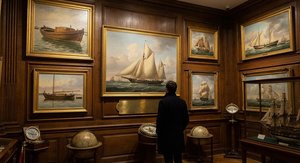
Navigating Symbolism & Style: A Comprehensive Exploration of Boats in Art History
Explore the rich history of boats in art! From ancient symbolism to Impressionist masterpieces & modern visions, discover renowned artists & collecting tips at OriginalUniqueArt.

Sails on Canvas: Capturing the Spirit of Maritime History Through Impressionist Art
Explore the evolution of maritime art from Dutch masters to Impressionist light. Discover the soul of the sea through every brushstroke.
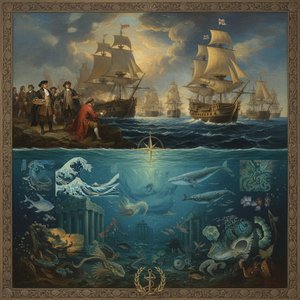
Navigating the Depths of Representation: A Historical Exploration of Marine Painting
Explore the rich history of marine painting with OriginalUniqueArt. Discover Dutch Masters, Romantic seascapes & renowned artists like Wyllie and Harris. Expert guidance for collectors & custom reproductions.

Maritime Traditions: From Dutch Marine Masters to Contemporary Seascape Art
Explore the technical evolution of maritime art from Dutch masters to modern textures. Trace this epic history through expert analysis.