
 Förhandsvisa
 Skicka
 Dela
Dela
 Visa detaljer
 Guide
Guide

 Ladda ner
 Liknande objekt
 Röntgen
 Bildspel
 Q&A
Q&A Statistik
The Dead Mother and Child

- 32.0 x 49.0 cm


 Visa mer
Giclée / Konsttryck
Giclée- eller canvasprint av museumskvalitet med snabb produktion och flexibla ytbehandlingsalternativ. ( Beställ handmålad reproduktion Byt till digital bild)




P118B Skr10

P118H Skr10

P118W Skr10

P438Z Skr10

P508JH Skr12

P508YH Skr12

P805H Skr10

P805Z Skr10

P919BZ Skr10

P919G Skr10

P919XJ Skr10

P959ZH Skr10

P968JZ Skr12

W106C Skr8

W218G Skr10

W218JH Skr8

W218Y Skr10

W307PJ Skr10

W316G Skr10

W316PJ Skr8

W316Y Skr10

W398PJ Skr8

W4111J Skr10

W500HY Skr15

W500JH Skr15

W692G Skr12

W849H Skr8

W940BG Skr15

W953PJ Skr8




Välj bland våra förinställda storlekar som motsvarar konstverkets ursprungliga proportioner.

Ange den bredd och höjd du behöver för att passa din ram eller vägg. Ett tryck kan endast beskäras, aldrig göras större än originalbilden, vilket innebär att ett format med en annan proportion leder till att en del av bilden går förlorad. Vi skickar en digital mockup för godkännande innan vi påbörjar tryckningen. Bilden som visas på denna sida visar inte den faktiska beskärningen — det är endast mockuppen som gör det.
Leverans över hela världen () på 2 veckor istället för standard 4/5 veckor. (1 november)

Fri expressfrakt över hela världen

Högkvalitativ linnecanvas

Fullständig fraktförsäkring

Garantier för återbetalning av tullavgifter

Garantier för exakt färgåtergivning

100 dagars returrätt (endast vid fel)

100% pengarna tillbaka-garanti

Mängdrabatt erbjuds
 Glasalternativet är endast tillgängligt i storlekar under 110 cm.

The Dead Mother and Child
Giclée / Konsttryck
Storlek på reproduktion
-


Slutgiltigt pris
Skr 804
A Visceral Encounter with Grief
In the quiet, somber depths of Edvard Munch’s 1901 masterpiece, The Dead Mother and Child, viewers are not merely observers of a scene, but witnesses to an intimate tragedy. This haunting work stands as one of the most evocative pillars of the Expressionist movement, stripping away the decorative comforts of art to reveal a raw, unflinching confrontation with existential dread. The painting captures a moment of profound stillness—a heavy, suffocating silence that follows the departure of life. Through a stark, almost monochromatic palette of earthy browns and muted beiges, Munch establishes an atmosphere of deep melancholy, mirroring the artist’s own turbulent inner landscape and his lifelong preoccupation with the fragility of human existence.
The composition is masterfully engineered to evoke a sense of confinement and vulnerability. By utilizing a horizontal format, Munch emphasizes the daunting length of the bed, creating a visual path that leads the eye across the lifeless form of the mother toward the small, trembling figure of the child. There is a deliberate imbalance in this arrangement; the child stands slightly off-center, a solitary figure caught in the shadow of loss. This spatial tension reflects the isolation inherent in grief, making the artwork an incredibly powerful piece for those who appreciate art that explores the profound complexities of the human psyche and the weight of shared sorrow.
The Language of Line and Symbolism
Munch’s technique in this work transcends mere representation, moving into the realm of psychological portraiture. He employs a dualistic approach to line that serves as a visual metaphor for emotional states. The mother’s face is rendered with smoother, more tranquil lines, suggesting a peaceful surrender to death and a release from suffering. In stark contrast, the child’s presence is defined by jagged, chaotic, and agitated strokes. These restless lines weave through the child's hair and clothing, acting as a visual embodiment of fear, confusion, and the frantic energy of a spirit unable to comprehend the permanence of loss.
Every element within the frame is laden with symbolic weight. Perhaps the most poignant gesture is that of the child covering their eyes—a desperate, instinctive attempt to shield themselves from the unbearable reality of death. This movement transforms the painting from a simple depiction of a funeral scene into a universal symbol of the human struggle to face mortality. For collectors and interior designers, this piece offers more than just aesthetic value; it provides a profound narrative depth that can serve as a focal point in spaces dedicated to contemplation, intellectual rigor, or the celebration of emotive, historical storytelling.
An Enduring Legacy of Expressionism
To understand The Dead Mother and Child is to understand the birth of modern emotional expression. Emerging from a period of disillusionment with the fleeting light of Impressionism, Munch sought to capture what lay beneath the surface—the "inner life" that remains when all pretenses are stripped away. The artwork’s stylistic roots in Expressionism allow it to resonate across generations, as its themes of loss and the vulnerability of childhood remain timelessly relevant. The heavy use of etching-like lines and tonal variations gives the piece a textured, almost tactile quality that brings the somber mood into the physical space of the viewer.
Whether displayed as a high-quality reproduction in a curated gallery or as a soulful addition to a sophisticated residential collection, this work continues to command attention. It is an invitation to sit with discomfort, to acknowledge the shadows, and to find beauty in the honest portrayal of the human condition. For those seeking to decorate with intention, Munch’s work offers an unparalleled opportunity to integrate a piece of art history that is as intellectually stimulating as it is emotionally transformative.
Frågor och svar
Är "The Dead Mother and Child" överlag mer ljus eller mörk?
De registrerade värdena för "The Dead Mother and Child" av Edvard Munch är: brilliant i ljusstyrka och Bright Balance i luminans.
Vilken är den dominerande nyansen i "The Dead Mother and Child" av Edvard Munch?
En Golden Yellow Range nyans går igenom "The Dead Mother and Child" av Edvard Munch.
Hur många personer ser "The Dead Mother and Child"?
En Besöksstatistik-sida finns för "The Dead Mother and Child". Den visar månatliga besök för konstverket och konstnärens övriga verk, uppdelat per land och språk.
Konstnärsbiografi
Ett liv i skuggans värld: Edvard Munchs kosmos
Edvard Munch, född 1863 i det karga norska landskapet, är en konstnär vars verk kom att bli synonymt med modernitetens ångest och emotionella turbulens. Hans liv, djupt präglat av förlust och en genomgripande melankoli, utgjorde källan till hans starkt expressiva konst. Uppväxten kastades i skuggan av tidiga dödsfall – modern och systern avled båda i tuberkulos – vilket utvecklade ett djupt vemod och en fascination för dödlighetens natur. Dessa upplevelser var inte bara biografiska detaljer; de blev kärnan i hans konstnärliga vision, drivkraften bakom en obeveklig utforskning av det inre landskapet av rädsla, sorg och längtan. Faderns stränga religiösa övertygelser och Munchs egna psykiska kamp bidrog ytterligare till den känsla av ångest som genomsyrade hans värld, formande inte bara hans personliga liv utan också det symboliska språket i hans måleri. Han nöjde sig inte med att återge scener; han externaliserade ett inre tillstånd, översatte psykisk nöd till visuell form.
Från realism till självmålning: Munchs konstnärliga resa
Munchs konstnärliga färd började med en formell utbildning vid Statens kunstakademi i Kristiania (Oslo), men det var mötet med den bohemiska kretsen och Hans Jægers nihilistiska filosofi som verkligen tände hans kreativa eld. Jæger uppmuntrade Munch att överge konventionella akademiska stilar och istället fördjupa sig i sin egen subjektiva erfarenhet, ett begrepp han kallade “självmålning”. Denna vändpunkt markerade början på Munchs särpräglade stil – en präglad av råa känslor, förvrängda former och ett avståndstagande från naturalistisk representation. Hans resor till Paris under 1890-talet exponerade honom för den spirande postimpressionismen, där han absorberade influenser från konstnärer som Paul Gauguin, Vincent van Gogh och Henri de Toulouse-Lautrec. Den djärva färganvändningen, expressiva penseldragen och psykologiska intensiteten hos dessa mästare resonerade djupt med Munchs egna konstnärliga ambitioner. Han imiterade inte bara deras tekniker; han syntetiserade dem till något unikt hans eget – ett visuellt språk som förmådde uttrycka de djupaste och mest oroande mänskliga känslorna. Tiden i Berlin var också avgörande, då han kom i kontakt med dramatikern August Strindberg, vars utforskning av psykologiska teman ytterligare bränsle till Munchs konstnärliga undersökningar.
Ikoniska visioner: Verkens symbolik och betydelse
Munchs oeuvre är befolkat av bilder som har etsat sig fast i det kollektiva medvetandet. Skriet, kanske hans mest ikoniska verk, överskrider sin status som målning för att bli en universell symbol för existentiell ångest. Det virvlande, eldiga landskapet och figurens förvrängda ansikte uttrycker ett ursprungligt skrik mot universums likgiltighet. Madonna, ett kontroversiellt och djupt personligt verk, utforskar teman som sexualitet, moderskap och dödlighet med oroande ärlighet. Återkommande motiv som Det sjuka barnet – inspirerat av förlusten av systern Sophie – påminner smärtsamt om Munchs barndomstrauma och den ständigt närvarande dödens skugga. Melankoli I & II, kraftfulla framställningar av djup sorg och isolering, avslöjar en sårbarhet som är både djupt personlig och universellt relaterad. Dessa verk är inte bara representationer av yttre verklighet; de är fönster in i konstnärens själ, som erbjuder betraktaren en oförskräckt blick in i den mänskliga psykes mörkaste hörn. Munch strävade inte efter att skapa vackra bilder; han sökte sanningen – även om den var smärtsam och oroande.
Ett bestående arv: Historisk betydelse och inflytande
Edvard Munchs bidrag till modern konst är omätbart. Han står som en nyckelfigur i utvecklingen av expressionismen, banade väg för konstnärer som prioriterade subjektiva känslor framför objektiv representation. Hans kompromisslösa utforskning av universella mänskliga erfarenheter – kärlek, förlust, ångest och död – fortsätter att resonera med publiken idag, vilket befäster hans plats som en av de mest inflytelserika och bestående figurerna i konsthistorien. Hans verk har haft en djupgående inverkan på efterföljande generationer av konstnärer, influerat rörelser som tysk expressionism och bortom. Han vågade konfrontera den mörkare aspekten av det mänskliga tillståndet, utmanade konventionella uppfattningar om skönhet och konstnärlig representation. Även efter att ha uppnått berömmelse och erkännande – kulminerande i etableringen av Munchmuseet i Oslo – förblev hans personliga liv turbulent, präglat av perioder av psykisk instabilitet och isolering. Men genom allt detta fortsatte han att skapa, lämnade efter sig ett verk som fortsätter att provocera, utmana och inspirera. Munchs arv handlar inte bara om själva målningarna; det handlar om modet att konfrontera komplexiteten i den mänskliga existensen och att översätta dessa erfarenheter till konst som talar till de djupaste delarna av vår varelse.
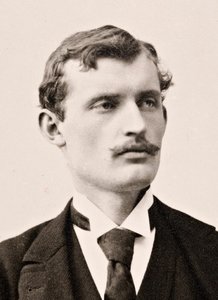
Edvard Munch
1863 - 1944 , Sverige
Kortfakta
- Artistic Movement Or Style: Expressionism
- Artists Or Movements Influenced By This Artist: ['Tysk Expressionism']
- Artists Who Influenced This Artist:
- Paul Gauguin
- Van Gogh
- Date Of Birth: 12 december 1863
- Date Of Death: 23 januari 1944
- Full Name: Edvard Munch
- Nationality: Norsk
- Notable Artworks:
- The Scream
- Madonna
- The Sick Child
- Place Of Birth: Ådalsbruk, Sverige
Relaterade artiklar
Topp 10 berömda målningar i svamptoner – konsthistoria för ditt hem
Utforska 10 berömda målningar i vackra svamptoner! Från Monet till Munch – upptäck konsthistoriens mästerverk och deras stämningsfulla färgpaletter. Hitta inspiration för ditt hem och köp reproduktioner av hög kvalitet på OriginalUniqueArt.com.
De 10 mest berömda målningarna i sandbruna toner – konsthistoriens mästerverk
Utforska de 10 mest ikoniska målningarna i sandbruna toner! Lär känna konsthistoriens mästerverk, från impressionism till romantik. Köp högkvalitativa konsttryck och inred med tidlös skönhet på OriginalUniqueArt.com.
Rosaton Harmoni: Topp 10 Mästverk i Nyanser av Rosabrun – Konst för Hemmet
Upptäck 10 ikoniska målningar präglade av vackra rosabruna toner! Fördjupa dig i konsthistorien, lär känna mästerverk från romantiken till impressionismen och hitta inspiration för ditt hem. Köp museumkvalitativa reproduktioner på OriginalUniqueArt.com.
Expressionismens 10 Mästerverk: Konst som Berör Själv och Hem
Utforska expressionismens 10 mest ikoniska mästerverk! Lär känna Munch, Kirchner & Kandinsky. Upptäck historien bakom dessa färgstarka och emotionella konsttryck. Museumkvalitet på OriginalUniqueArt.com – hitta din perfekta tavla online!
Egon Schieles 25 Mästerverk: En Konstnärlig Djupdykning för Hemmet
Utforska Egon Schieles 25 mest ikoniska målningar! Djupdyk i expressionismens värld, porträttkonst och hans unika stil. Hitta inspiration & köp konsttryck av hög kvalitet på OriginalUniqueArt.com – för ditt hem eller samling.


