
 Förhandsvisa
 Skicka
 Dela
Dela
 Visa detaljer
 Guide
Guide

 Ladda ner
 Liknande objekt
 Röntgen
 Bildspel
 Frågor och svar
 Statistik
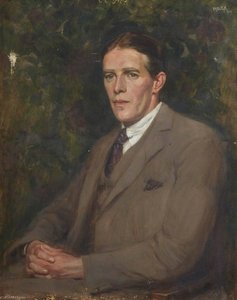
Malcolm Macleod

- 127.0 x 102.0 cm

 Visa mer
Få en utskriftsfärdig fil som vida överträffar webbförhandsvisningen. Varje digital bild vi säljer kommer från en högupplöst master i vår bilddatabas – vanligtvis mellan 5 000 och 15 000 pixlar bred – så att du med trygghet kan göra stora utskrifter, beskära tätt eller återge fina detaljer.
Ingen fil lämnar vår studio utan att ha bearbetats. En digital expert kontrollerar färgerna mot originalmålningen och korrigerar dem vid behov, för att sedan förbättra skärpa och detaljrikedom med professionella retuscheringsverktyg — alltid med full respekt för konstnärens penseldrag och stil. Resultatet är en bild som ser ut som målningen, inte som en filtrerad skanning.
Du godkänner innan arbetet slutförs: vår expert skickar bilden via e-post inom 72 timmar för din granskning. Inte nöjd? Be om förbättringar eller korrigeringar, eller begär återbetalning om kvaliteten inte lever upp till förväntningarna.
Detta är den kvalitet som förlag, designstudior, gallerier och tryckerier litar på.
Digital bild
Ladda ner en högupplöst fil för personlig visning, utskrift och kreativa projekt. ( Byt till tryck Beställ handmålad reproduktion)
Ingår i varje beställning av digital bild
Professionell digital leverans, garanterad
När du väljer OriginalUniqueArt.com får du inte bara en bild – du får ett professionellt förädlat digitalt konstverk, skapat med precision och med en garanterad tillfredsställelse. Här är allt som ingår i din beställning, automatiskt:

Snabb leverans via e-post
Din högupplösta digitala bild skickas till dig via e-post inom 72 timmar efter beställning – redo för omedelbar användning.

AI-förbättrad digital fil
Ditt konstverk optimeras professionellt med hjälp av avancerade AI-verktyg och manuell redigering, vilket garanterar maximal detaljrikedom, skärpa och färgnoggrannhet.

Fri livstidsåterleverans
Har du råkat radera eller tappa bort din fil? Ingen oro – vi skickar den kostnadsfritt till dig när som helst.

Inga importavgifter – någonsin
Njut av ditt konstverk omedelbart utan tull, importavgifter eller leveranskostnader – digitala nedladdningar är alltid skattefria.

Garanterad färgåtergivning
Vi säkerställer att din digitala bild återger de ursprungliga färgerna så exakt som möjligt med hjälp av professionella verktyg och färghantering.

100 dagars nöjdhetsgaranti
Om du inte är nöjd med din digitala bild kommer vi att revidera den eller återbetala 100% inom 100 dagar – utan frågor.

100% pengarna-tillbaka-garanti
Inte nöjd? Få full återbetalning inom 100 dagar efter att du mottagit din digitala fil – utan frågor.

Rabatt vid storköp
Köp 3 bilder, spara 10% – Köp 5, spara 15% – Köp 10+, spara 20%. Perfekt för kreativa projekt, gallerier och byråer.
Konstnärsbiografi
Duncan MacGregor Whyte: A Highland Visionary
Duncan Macgregor Whyte, a name perhaps less familiar than some of his contemporaries, nevertheless holds a significant place in the landscape of 19th and early 20th-century Scottish art. Born in Oban, Argyll, in 1866, into a family steeped in religious leadership – his father was a Congregational Minister – Whyte’s artistic journey began not within formal academies but through observation and immersion in the rugged beauty of his native Highlands. This formative experience would profoundly shape his distinctive style, characterized by a deep connection to the land, a nuanced understanding of light, and an ability to capture both the grandeur and the quiet intimacy of Highland life.
Early influences were diverse. Whyte’s artistic training commenced in Glasgow, providing him with a grounding in traditional techniques. However, recognizing the need for broader exposure, he travelled extensively throughout Europe, studying under masters like Van Havermaet in Antwerp and Delécluse in Paris. These periods weren't merely about technical skill; they represented an encounter with different artistic philosophies – particularly the Impressionist movement’s emphasis on capturing fleeting moments of light and atmosphere – which would subtly inform his own approach. Crucially, it was in Paris that he met Mary Baylis Barnard, a fellow artist who became his wife and lifelong collaborator, sharing not only a life but also an artistic vision.
The Palette of the Highlands
Whyte’s oeuvre is predominantly defined by two recurring themes: landscapes and portraits. While he produced numerous seascapes – often depicting the dramatic coastline around Oban and Tiree – it was his depictions of Highland scenery that truly cemented his reputation. These aren't romanticized, idealized vistas; rather, they are rendered with a remarkable honesty, capturing the harshness of the weather, the textures of the peat bogs, and the ever-changing light on the hillsides. He frequently depicted scenes of rural life – shepherds tending their flocks, crofters working the land, and families gathered around fires – offering intimate glimpses into the daily rhythms of Highland communities.
His portraiture, equally compelling, showcased a keen eye for capturing character and personality. He painted members of the local gentry, clergy, and ordinary folk alike, often employing a rich palette of browns, greens, and greys to evoke the mood and atmosphere of his subjects. The portraits are not merely likenesses; they possess a palpable sense of presence, reflecting the dignity and resilience of those he depicted.
Technique and Style
Whyte’s technique evolved considerably throughout his career. Initially influenced by academic traditions, he gradually embraced looser brushwork and brighter colors, mirroring the Impressionist movement's impact. His later works demonstrate a growing confidence in capturing atmospheric effects – particularly the way light interacts with water and stone – through subtle shifts in tone and color. He was a master of layering paint to create depth and texture, and his use of glazing techniques allowed him to build up luminous surfaces that shimmered with reflected light.
His style can be described as ‘Highland Impressionism’ - a synthesis of traditional landscape painting with the innovative approaches of the late 19th-century avant-garde. He avoided overt sentimentality, instead focusing on conveying a sense of place and time through careful observation and skillful execution.
Legacy and Recognition
Duncan Macgregor Whyte’s work remained largely unheralded during his lifetime, though he exhibited at prestigious venues such as the Royal Scottish Academy and the Walker Art Gallery. He established a studio in Balevullin on Tiree, where he continued to paint until his death in 1953, aged 86. It wasn’t until decades after his passing that his work began to receive wider recognition, thanks to the efforts of art historians and collectors who appreciated his unique vision.
Today, Whyte's paintings are held in several important collections, including those of the Kelvingrove Art Gallery and Museum in Glasgow and the State Art Collection of the Art Gallery of Western Australia. His legacy endures as a testament to the power of observation, the beauty of the Scottish Highlands, and the enduring appeal of a painter who captured the spirit of his homeland with remarkable skill and sensitivity.
Duncan Macgregor Whyte
1866 - 1953
Kort om konstnären
- Full Name: Duncan MacGregor Whyte
- Nationality: Scottish
- Date Of Birth: 1866
- Date Of Death: 1953
- Place Of Birth: Oban, Argyll, Scotland
- Notable Artworks:
- Dugald McIsaac
- Hugh MacGowan
- The Last Rays of Day
- Artistic Movement Or Style: Portraiture, Landscape, Seascape
- Artists Who Influenced This Artist:
- Van Havermaet
- Delécluse
- Artists Or Movements Influenced By This Artist: ['Scottish Colourists']