

 Visa i rummet
 Skicka
 Dela
Dela
 Detaljer
 Studentguide för konstverk

 Ladda ner
 Liknande objekt
 Röntgen
 Bildspel
 Besökstatistik
Sleeping Nymph
 Baroque
 1640
1640 44.0 x 52.0 cm
 Mauritshuis
 Läs mer
Handgjord oljereproduktion
Handmålad olja på duk i din valda storlek och ram, tillverkad efter beställning av våra konstnärer. ( Byt till tryckta exemplar Byt till digital bildförsäljning)




































Välj bland våra förinställda storlekar som motsvarar konstverkets ursprungliga proportioner.

Du kan ange egna mått för att passa en specifik ram eller yta. Om den valda storleken inte matchar originalbildens proportioner kommer vi antingen att beskära konstverket eller utöka målningen med ytterligare handmålade element. En digital skiss skickas till dig för godkännande innan produktionen påbörjas.
Observera att förhandsvisningen på skärmen inte återspeglar den faktiska beskärningen eller utökningen. Endast skissen visar den slutgiltiga kompositionen korrekt.
Även om anpassade storlekar är möjliga, rekommenderar vi att du väljer en dimension från den fördefinierade listan för att bevara originalproportionerna.
Efter beställning kommer OriginalUniqueArt.com team att mejla kunden för instruktioner och tillhandahålla en skissförhandsvisning
Leverans över hela världen () på 3–4 veckor istället för standard 5 veckor. (26 september). Inga kompromisser med kvaliteten.

Fri expressfrakt över hela världen

Högkvalitativ linnecanvas

Fullständig fraktförsäkring

Garantier för återbetalning av tullavgifter

Garantier för exakt färgåtergivning

100 dagars returrätt vid fabrikationsfel

100% pengarna tillbaka-garanti

Mängdrabatt erbjuds
 Glasalternativet är endast tillgängligt i storlekar under 110 cm.

Sleeping Nymph
Tryckteknik
Reproduktionsstorlek
-


Totalpris
$ 300
Om konstnären
Hendrick Andriessen: The Silent Narrator of Vanitas
Hendrick Andriessen, known to the world as Mancken Heyn – a moniker reflecting a physical challenge he faced – was a remarkably subtle and observant painter who emerged from the bustling artistic landscape of Antwerp in the early 17th century. Born in 1607, his life remains shrouded in a gentle obscurity, yet his work speaks volumes about the fleeting nature of existence, earning him recognition as a pivotal figure in the development of Dutch still-life painting and a master of the ‘vanitas’ tradition. While not boasting the flamboyant theatricality of some of his contemporaries, Andriessen possessed an extraordinary ability to distill complex ideas – mortality, decay, and the transience of earthly pleasures – into deceptively simple compositions. His paintings aren't dramatic pronouncements; they are quiet meditations, offering a poignant reflection on the human condition.Early Life and Influences: A Dutch Connection
The precise details of Andriessen’s early life remain elusive, though he was baptized in Antwerp on October 23rd, 1607. His family background suggests a connection to Leiden, where his father, Lieven Hendricx, was an accomplished embroiderer – a craft that likely instilled in young Hendrick an appreciation for meticulous detail and the beauty of everyday objects. It’s believed he received his initial artistic training under Joris van Schooten in Leiden around 1617, followed by a period with Pieter Lastman in Amsterdam, a renowned history painter whose influence is undeniably present in Andriessen's early work. This formative period exposed him to the rich traditions of Flemish Baroque painting while simultaneously introducing him to the burgeoning artistic currents of the Dutch Republic. Crucially, his time in Leiden and Amsterdam seems to have fostered an affinity with the Utrecht Caravaggisti – a group of artists who had absorbed the dramatic lighting and dynamic compositions of Peter Paul Rubens’s work. This exposure is particularly evident in his early still lifes, characterized by their use of strong contrasts of light and shadow and a sense of immediacy.The Language of Vanitas: Objects as Symbols
Andriessen's most enduring legacy lies in his masterful exploration of the ‘vanitas’ genre – a tradition that sought to remind viewers of the inevitability of death and decay through the arrangement of symbolic objects. Unlike overtly morbid depictions, Andriessen’s vanitas paintings are remarkably restrained and subtly unsettling. He eschewed grand gestures or explicit references to mortality, instead focusing on carefully chosen items – skulls, extinguished candles, wilting flowers, hourglasses, musical instruments, and decaying fruit – each imbued with a specific meaning. A skull might represent the fragility of life; an extinguished candle, the passage of time; a broken lute, lost beauty and harmony. These objects aren’t merely decorative elements; they are carefully orchestrated symbols that invite contemplation on the ephemeral nature of earthly possessions and achievements. His compositions often feature a single, dominant object – a skull, for instance – surrounded by a collection of related items, creating a visual dialogue about mortality and the vanity of worldly pursuits.Style and Technique: A Quiet Mastery
Andriessen’s style is characterized by its understated elegance and remarkable technical skill. He was a meticulous painter, paying close attention to detail and employing a subtle palette of muted browns, grays, and ochres. His brushwork is smooth and refined, creating a sense of depth and realism that belies the symbolic nature of his subjects. While influenced by Caravaggio’s dramatic lighting, Andriessen never embraced the same theatrical intensity. Instead, he used light and shadow to create a mood of quiet contemplation and melancholy. His ‘smoker’ still lifes – often referred to as ‘toebackjes’ – are particularly noteworthy for their intimate scale and meticulous rendering of smoking paraphernalia: pipes, tobacco pouches, and snuff boxes. These small, evocative paintings offer a glimpse into the daily rituals of 17th-century life and serve as poignant reminders of the fleeting pleasures of the present moment.Legacy and Historical Significance
Despite the relative obscurity surrounding his life, Hendrick Andriessen’s contribution to the history of still-life painting is undeniable. He was a key figure in the development of the ‘vanitas’ tradition, refining its techniques and expanding its symbolic vocabulary. His paintings offer a profound meditation on mortality and the transience of earthly pleasures – themes that continue to resonate with viewers today. While his work may not be as widely celebrated as that of some of his contemporaries, it possesses a quiet power and enduring beauty that speaks volumes about the human condition. The few surviving examples of his art are treasured for their subtlety, insight, and remarkable technical skill, cementing Andriessen’s place as a significant, if often overlooked, master of the Dutch Baroque.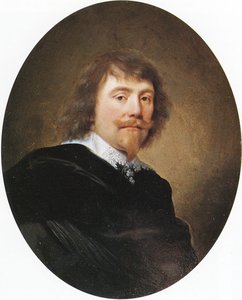
dirck van der lisse
1607 - 1669 , Netherlands
Snabbfakta
- Artistic Movement Or Style: Vanitas still lifes, smoker still lifes
- Artists Or Movements Influenced By This Artist:
- Dirck van Baburen
- Rembrandt
- Artists Who Influenced This Artist:
- Pieter Lastman
- Caravaggio
- Date Of Birth: 1607
- Date Of Death: 1655
- Full Name: Hendrick Andriessen”, known as Mancken Heyn
- Nationality: Flemish
- Notable Artworks:
- Saint Jerome Writing
- The Flagellation of Christ
- Susanna and the Elders
- Place Of Birth: Antwerp, Belgium
Relaterade artiklar

Golden Light & Dutch Skies: The Timeless Magic of Dutch Golden Age Landscapes
Discover the breathtaking beauty of Dutch Golden Age landscapes. Explore the mastery of light, chiaroscuro, and 17th-century realism through an expert art history lens, celebrating the enduring legacy of the Dutch Masters for discerning collectors and art lovers.

Mastering Light & Shadow: A Journey Through the Dutch Golden Age's Luminous Legacy
Embark on a cultural journey through the Dutch Golden Age. Explore the masterful interplay of light and shadow in 17th-century masterpieces, from Rembrandt to Vermeer, and discover how this era of profound realism continues to inspire fine art collectors today.

Nederländsk Guldålder: Topp 10 mästerverk som definierade epoken – konst & heminredning
Utforska de 10 ikoniska mästerverken från den nederländska guldåldern! Lär känna Rembrandt, Vermeer och Hals – deras teknik & berättelser. Hitta konsttryck och inspiration för din heminredning på OriginalUniqueArt.com. Upptäck hela samlingen online!

Rembrandts 25 Mästerverk: En Konsthistorisk Resa för Hemmet
Utforska Rembrandts 25 mest ikoniska målningar! Lär känna historien bakom mästerverken, hans unika teknik och barockens ljusspel. Köp exklusiva konsttryck & tavlor online på OriginalUniqueArt.com – för en tidlös inredning.

Golden Age Reflections: Dutch Baroque Painting & Cultural Innovation
Explore the Dutch Golden Age of painting! Discover key artists like Vermeer & ter Borch, their innovative techniques, and the rich cultural context behind these Baroque masterpieces. Learn about collecting & appreciating this iconic art period.