Förhandsvisa
 Skicka
 Dela
Dela
 Visa detaljer
 Guide
Guide

 Ladda ner
 Liknande objekt
 Röntgen
 Bildspel
 Frågor och svar
 Statistik
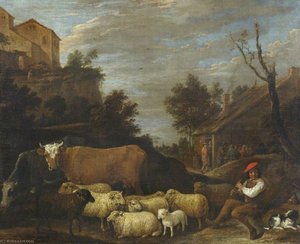
The Surgeon

- 57.0 x 73.0 cm


 Visa mer
Giclée / Konsttryck
Giclée- eller canvasprint av museumskvalitet med snabb produktion och flexibla ytbehandlingsalternativ. ( Beställ handmålad reproduktion Byt till digital bild)




P118B Skr10

P118H Skr10

P118W Skr10

P438Z Skr10

P508JH Skr12

P508YH Skr12

P805H Skr10

P805Z Skr10

P919BZ Skr10

P919G Skr10

P919XJ Skr10

P959ZH Skr10

P968JZ Skr12

W106C Skr8

W218G Skr10

W218JH Skr8

W218Y Skr10

W307PJ Skr10

W316G Skr10

W316PJ Skr8

W316Y Skr10

W398PJ Skr8

W4111J Skr10

W500HY Skr15

W500JH Skr15

W692G Skr12

W849H Skr8

W940BG Skr15

W953PJ Skr8




Välj bland våra förinställda storlekar som motsvarar konstverkets ursprungliga proportioner.

Ange den bredd och höjd du behöver för att passa din ram eller vägg. Ett tryck kan endast beskäras, aldrig göras större än originalbilden, vilket innebär att ett format med en annan proportion leder till att en del av bilden går förlorad. Vi skickar en digital mockup för godkännande innan vi påbörjar tryckningen. Bilden som visas på denna sida visar inte den faktiska beskärningen — det är endast mockuppen som gör det.
Leverans över hela världen () på 2 veckor istället för standard 4/5 veckor. (3 november)

Fri expressfrakt över hela världen

Högkvalitativ linnecanvas

Fullständig fraktförsäkring

Garantier för återbetalning av tullavgifter

Garantier för exakt färgåtergivning

100 dagars returrätt (endast vid fel)

100% pengarna tillbaka-garanti

Mängdrabatt erbjuds
 Glasalternativet är endast tillgängligt i storlekar under 110 cm.

The Surgeon
Giclée / Konsttryck
Storlek på reproduktion
-


Slutgiltigt pris
Skr 813
A Glimpse into a World of Healing and Observation
David Teniers the Younger’s “The Surgeon,” painted around 1670, isn't merely a depiction of a medical scene; it’s a meticulously rendered snapshot of daily life within a bustling apothecary and surgical workshop. The painting immediately draws the eye into a crowded room filled with figures engaged in various activities – a surgeon intently focused on his patient, assistants tending to instruments, and onlookers observing the procedure. This isn't a grand portrait of heroic medicine; instead, it offers an intimate, almost voyeuristic view of the practical realities of medical practice during the Dutch Golden Age. The composition is deliberately dense, reflecting the organized chaos inherent in a working environment where life and death were intimately intertwined.
The scene unfolds within a space defined by earthy tones – browns, ochres, and muted greens dominate the palette, lending an air of realism and groundedness to the portrayal. Subtle touches of red appear in clothing and bandages, providing visual contrast and drawing attention to the act of healing itself. Teniers’ masterful use of hatching and cross-hatching creates a remarkable sense of texture, from the rough wool of garments to the smooth surfaces of porcelain jars filled with medicinal ingredients. The artist skillfully employs light – primarily emanating from a window on the left – to sculpt forms and cast shadows, adding depth and drama to the composition. The limited perspective, while somewhat flattened, effectively guides the viewer’s eye through the crowded room, emphasizing key figures and details.
The Artist's Hand: Technique and Style
“The Surgeon” is a prime example of David Teniers the Younger’s signature style – a blend of meticulous observation and genre painting. He was renowned for his ability to capture the nuances of everyday life, imbuing even mundane scenes with a sense of vitality and interest. The brushwork is visible yet controlled, contributing to the overall realism of the piece. Notice how Teniers renders the folds in clothing, the textures of skin, and the details of surgical instruments – each element meticulously rendered with careful attention to detail. The painting’s foundation lies in oil paints applied to canvas, a technique that allowed for layering and blending, creating rich colors and subtle gradations of tone.
Furthermore, Teniers' work reflects the influence of his mentor, Peter Paul Rubens, particularly in his use of vibrant color and dynamic composition. However, unlike Rubens’ grand historical scenes, Teniers focused on capturing the immediacy of a domestic setting. The painting is not just a record of events; it’s an invitation to step into a world where medicine was practiced within the familiar confines of a workshop, alongside the rhythms of daily life.
Symbolism and Context: A Window into 17th-Century Medicine
Beyond its immediate visual appeal, “The Surgeon” offers a fascinating glimpse into the cultural attitudes surrounding medicine during the 17th century. The presence of anatomical tools, surgical instruments, and even a monkey – often associated with alchemy and medical knowledge – hints at the prevailing fascination with the human body and the pursuit of healing. Skulls are also present, serving as stark reminders of mortality and the fragility of life. These elements collectively evoke a sense of both wonder and apprehension regarding the practice of medicine.
The painting’s historical context is crucial to understanding its significance. During this period, medical knowledge was still evolving, often blending traditional remedies with emerging scientific discoveries. The scene depicted reflects the collaborative nature of medical care, where surgeons relied on assistants and apprentices to aid in their procedures. “The Surgeon” isn't a celebration of surgical prowess; it’s a testament to the shared experience of healing within a community.
A Timeless Masterpiece: Reproduction and Legacy
David Teniers the Younger’s “The Surgeon” remains a captivating work of art, offering a rare glimpse into the world of 17th-century medicine. Reproductions capture the painting's rich detail and evocative atmosphere, making it an ideal addition to any home or office. Its enduring appeal lies in its ability to transport viewers back in time, inviting them to contemplate the complexities of human health, knowledge, and the ever-present pursuit of healing.
Frågor och svar
Hur kan jag se "The Surgeon" av David Teniers Den Yngre som ett bildspel?
Se diaporamat för "The Surgeon" på konstverkets sida Bildspel.
Vilket medium är "The Surgeon" av David Teniers Den Yngre utförd i?
"The Surgeon" är utförd i Oil On Canvas.
Var kan jag hitta statistik för "The Surgeon" av David Teniers Den Yngre?
Statistik för "The Surgeon" av David Teniers Den Yngre finns på verkets Besöksstatistik-sida: månatliga besök för verket, besök för konstnärens verk samt en uppdelning av nyligen anlända besökare per land och språk.
Konstnärsbiografi
Tidigt liv och familjebakgrund
- Född: Antwerpen, då en del av de spanska Nederländerna, döpt den 15 december 1610.
- David Teniers Den Yngre kom från en familj djupt rotad i Flanderns konstnärliga traditioner. Hans far, David Teniers den äldre, var också målare, och hans yngre bröder Juliaan, Theodober och Abraham blev alla likaså konstnärer.
- Utbildning: Han studerade under sin far från 1626, där han fick sin grundläggande träning i måleritekniker och stilar.
- Hans far var ofta i skuld och satt periodvis fängslad för detta, vilket tvingade den unge David att skapa kopior av gamla mästares verk för att hjälpa till att försörja familjen.
- Antwerp Gille: Han blev mästare i Antverpens Sankt Lukas-gille 1632–1633 och tjänstgjorde som dess dekan 1644–1645.
Konstnärlig utveckling och influenser
- Tidiga influenser: Hans tidiga verk följde faderns små kabinettmålningar och, genom honom, exemplet från Adam Elsheimer. Fram till slutet av 1630-talet låg hans bilder mycket nära Adriaen Brouwers i motivval, teknik, färg och komposition.
- Rubens krets: År 1637 gifte han sig med Anna Brueghel, dotter till Jan Brueghel den äldre. Peter Paul Rubens, som hade varit hennes förmyndare efter faderns död, var vittne vid bröllopet, vilket förde in Teniers i kretsen kring Antverpens främsta målare.
- Specialisering inom genremåleri: Teniers specialiserade sig gradvis på genremåleri – skildringar av vardagslivet – och blev berömd för sina livfulla scener av bondfestligheter (kermesser), interiörer från värdshus och bylandskap.
Huvudverk och konstnärlig stil
- Genremotiv: Hans mest hyllade verk är hans genremålningar. Dessa avbildar ofta myllrande scener från bondelivet, fyllda med glädje, dans, dryckenskap och lekar.
- Kermess-målningar: Bysfestligheter som Den flamländska kermessen exemplifierar hans stil – vibrerande färger, detaljerade kompositioner och en skarp observation av mänskligt beteende.
- Värdshusinteriörer: Hans värdshusscener är särskilt anmärkningsvärda för sin realistiska skildring av vardagslivet och den livliga atmosfären inom dessa lokaler.
- Utöver byn: Han målade även landskap, vaktstugescener, alkemister och läkare i arbete, samt kvicka singerier där apor agerar ut mänskliga angelägenheter.
- Gallerimålningar: Hans vyer av ärkehertigens bildgalleri, med väggar fyllda av identifierbara mästerverk, gjorde honom till en ledande gestalt inom denna utpräglat flamländska genre.
Hovmålare och kurator
- Tjänst hos ärkehertig Leopold Wilhelm: Omkring 1650 flyttade Teniers till Bryssel för att tjäna ärkehertig Leopold Wilhelm, guvernör över de spanska Nederländerna, som hovmålare och förvaltare av hans konstsamling.
- Förvaltning av samlingen: Han hjälpte ärkehertigen att förvärva mästerverk, inklusive målningar från den upplösta engelska kungliga samlingen och Hamilton-samlingen. Samlingen växte till cirka 1 300 verk och utgjorde senare grunden för Kunsthistorisches Museum i Wien.
- Theatrum Pictorium: Publicerades i Bryssel 1660 och återgav 246 italienska målningar från ärkehertigens samling i form av kopparstick – den första illustrerade katalogen över en gammal mästares samling.
- Elever: Det tros att Gillis van Tilborgh utbildades av honom i Bryssel och senare innehade samma post som förvaltare av hovsamlingen.
- Senare liv: Efter Annas död gifte han sig med Isabella de Fren 1656. Han ansökte hos den spanske kungen om adelsbrev, men gav upp när han fick veta att han då skulle tvingas sluta sälja sina målningar.
- Akademien i Antwerpen: Teniers var drivkraften bakom grundandet av konstakademin i Antwerpen, som fick sitt kungliga privilegiebrev 1663, med målet att återuppliva det flamländska måleriet efter Rubens och Van Dycks död.
Historisk betydelse och arv
- Ledande genremålare: David Teniers Den Yngre betraktas som den främsta flamländska genremålaren under sin tid, och fångade 1600-talets essens med en enastående skicklighet.
- Inflytande på senare konstnärer: Hans arbete influerade efterföljande generationer av nordeuropeiska målare och påverkade till och med franska rokokokonstnärer som Antoine Watteau.
- En enorm produktion: Teniers var en otroligt produktiv konstnär som skapade en omfattande produktion som än idag beundras för sin charm, detaljrikedom och historiska insikt.
- Död: Han avled i Bryssel den 25 april 1690 och lämnade efter sig ett bestående arv som en av Flanderns viktigaste barockmålare.
David Teniers Den Yngre
1610 - 1690 , Belgien
Kortfakta
- Date Of Birth: 1610
- Date Of Death: 1690
- Place Of Birth: Antwerpen, Belgien
- Place Of Death: Bryssel, Belgien
- Birth Date: 1610
- Birth Place: Antwerpen, Belgien
- Death Date: 1690
- Influenced By: Adriaen Brouwer, Adam Elsheimer, Peter Paul Rubens
- Movement: Barock
- Name: David Teniers Den Yngre
- Nationality: Flandern
- Notable Works:
- Två berusade
- Byscen
- Köscen
- Flemish Kermess
Relaterade artiklar
David Teniers II: Master of Flemish Genre & Social Commentary
Explore the captivating world of David Teniers II, a leading Flemish Baroque painter renowned for his lively genre scenes & insightful social commentary. Discover his masterpieces and legacy with OriginalUniqueArt.
Scenes of Daily Life: A Comprehensive Exploration of Genre Painting Through History
Explore the rich history of genre painting! Discover Dutch Masters & European artists who captured everyday life with stunning realism. Learn about symbolism, techniques & lasting influence.
Gerard David: Bridging Late Medieval Tradition with Early Renaissance Humanism
Explore the captivating world of Gerard David, a pivotal figure bridging late medieval artistry with the Early Renaissance. Discover his innovative techniques, religious masterpieces, and enduring legacy – a must-read for discerning art collectors.
David Teniers the Younger: Genre Painting & Social Commentary in Baroque Flanders
Explore the captivating world of David Teniers the Younger, a leading Flemish Baroque painter. Discover his genre scenes, social commentary, and lasting influence on 17th-century art. Learn about his life, techniques & legacy.

Sir David Wilkie: Narrative Detail & the Rise of Victorian Genre Painting
Explore the life & work of Sir David Wilkie, a pivotal figure in Victorian genre painting. Discover his narrative detail, social commentary, and lasting influence on 19th-century British art. Learn more at OriginalUniqueArt.