Visa i rummet
 Skicka
 Dela
Dela
 Detaljer
 Studentguide för konstverk

 Ladda ner
 Liknande objekt
 Röntgen
 Bildspel
 Besökstatistik
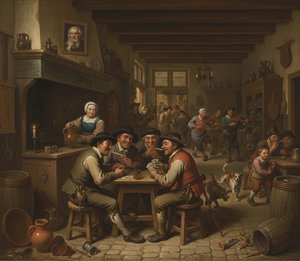
The Kitchen
 Acrylic On Canvas
- WallArt
- Baroque
 1646
1646 171.0 x 237.0 cm
 Ermitaget
 Läs mer
Giclée / Konsttryck
Giclée- eller canvasprint av museumskvalitet med snabb produktion och flexibla ytbehandlingsalternativ. ( Köp handmålat konstverk Byt till digital bildförsäljning)




P118B Skr10

P118H Skr10

P118W Skr10

P438Z Skr10

P508JH Skr12

P508YH Skr12

P805H Skr10

P805Z Skr10

P919BZ Skr10

P919G Skr10

P919XJ Skr10

P959ZH Skr10

P968JZ Skr12

W106C Skr8

W218G Skr10

W218JH Skr8

W218Y Skr10

W307PJ Skr10

W316G Skr10

W316PJ Skr8

W316Y Skr10

W398PJ Skr8

W4111J Skr10

W500HY Skr15

W500JH Skr15

W692G Skr12

W849H Skr8

W940BG Skr15

W953PJ Skr8




Välj bland våra förinställda storlekar som motsvarar konstverkets ursprungliga proportioner.

Ange den bredd och höjd du behöver, för att passa din ram eller din vägg. Ett tryck kan endast beskäras, aldrig göras större än bilden, vilket innebär att ett format med en annan formform leder till att en del av bilden går förlorad. Vi skickar en digital mockup för godkännande innan vi trycker något. Bilden som visas på denna sida visar inte den faktiska beskärningen — det är endast mockuppen som gör det.
Leverans över hela världen () på 2 veckor istället för standard 4/5 veckor. (24 oktober)

Fri expressfrakt över hela världen

Högkvalitativ linnecanvas

Fullständig fraktförsäkring

Garantier för återbetalning av tullavgifter

Garantier för exakt färgåtergivning

100 dagars returrätt vid fabrikationsfel

100% pengarna tillbaka-garanti

Mängdrabatt erbjuds
 Glasalternativet är endast tillgängligt i storlekar under 110 cm.

The Kitchen
Giclée / Konsttryck
Reproduktionsstorlek
-


Totalpris
Skr 793
A Snapshot of Everyday Life: David Teniers the Younger’s “The Kitchen”
David Teniers the Younger's "The Kitchen," painted in 1646, isn’t merely a depiction of a domestic scene; it’s a vibrant tableau brimming with life, humor, and an astute observation of Flemish society. This remarkable work transcends simple genre painting, offering a glimpse into the heart of a bustling household—a microcosm reflecting the rhythms and relationships of everyday existence. Measuring 171 x 237 cm, the canvas explodes with activity, populated by thirteen individuals engaged in various tasks within a richly detailed kitchen environment. The sheer number of figures, coupled with their diverse interactions – from children playfully chasing birds to adults tending hearths and tables – immediately draws the viewer into this immersive world.
The painting’s Baroque style is evident in its dynamic composition, dramatic lighting, and meticulous attention to detail. Teniers masterfully employs a technique of *alla prima*, working directly onto the wet canvas without underdrawing, resulting in a sense of immediacy and spontaneity. Notice how he captures the textures of rough-hewn wooden furniture, the glint of metal tools, and the folds of fabric with remarkable precision. The artist’s use of color is equally noteworthy – warm earth tones dominate, punctuated by brighter accents that draw attention to key elements within the scene, such as a vibrant red tablecloth or the gleam of copper pots.
A Window into 17th-Century Flanders
To understand “The Kitchen,” it’s crucial to situate it within its historical context. The painting was created during a period of significant artistic and social change in the Netherlands, following the decline of the High Renaissance and the rise of Baroque styles. David Teniers the Younger emerged as a leading figure in this transition, skillfully blending influences from his father's earlier work with contemporary trends. His subject matter often revolved around scenes of rural life, domestic interiors, and tavern gatherings – themes that resonated deeply with the burgeoning middle class.
The inclusion of numerous animals—a dog, two cats, and a flock of birds—adds another layer of interest to the composition. Animals were frequently depicted in Flemish art, often serving as symbols of fertility, abundance, or domesticity. In “The Kitchen,” they seamlessly integrate into the human drama, contributing to the overall sense of lively chaos. The presence of books suggests an appreciation for learning and intellectual pursuits within the household, while the scattered bottles and bowls hint at a life filled with simple pleasures and convivial gatherings.
Symbolism and Social Commentary
Beyond its immediate visual appeal, “The Kitchen” offers subtle insights into 17th-century Flemish society. The scene’s bustling energy reflects the importance of family and community in this era. The various activities taking place—cooking, eating, cleaning, and socializing—highlighted the central role of the home as a focal point for social interaction. The inclusion of both adults and children underscores the multi-generational nature of Flemish households. Furthermore, the painting’s depiction of everyday life provides a valuable glimpse into the material culture and social customs of the time.
Interestingly, Teniers' career was marked by a remarkable versatility. He served as a court painter, a printmaker, and even a curator for Archduke Leopold Wilhelm, demonstrating a broad range of artistic skills and interests. His ability to capture both the grandeur of formal portraits and the intimacy of genre scenes cemented his reputation as one of the most prolific and influential artists of his generation. “The Kitchen” stands as a testament to this remarkable talent, offering a captivating window into a bygone era.
Frågor och svar
Vem skapade "The Kitchen" och under vilket år?
Upphovsmannen till "The Kitchen" är David Teniers den yngre, och verket är daterat 1646.
Vilken underliggande nyans genomsyrar "The Kitchen" av David Teniers den yngre?
Den dominerande nyansen i "The Kitchen" av David Teniers den yngre är Golden Yellow Range. Nyansen utgör den underliggande tonen i färgpaletten.
Är "The Kitchen" av David Teniers den yngre ett välkänt konstverk?
"The Kitchen" klassificeras som Recognized.
Om konstnären
David Teniers the Younger: En Flerings Konstnärs Liv och Verk
David Teniers den Yngre, född i Antwerpen 1610, var en av de mest framstående konstnärerna under det flamländska barockens guldålder. Hans liv och verk är ett fascinerande exempel på en konstnär som inte bara behärskade traditionella tekniker utan också lyckades fånga den levande pulsen i vardagslivet, särskilt genom sina ikoniska scener av kermesser, tavernor och landsbygdsliv. Teniers var inte bara en skicklig målare; han var en observatör, en berättare och en mästare på att förmedla känslan av rörelse, liv och gemenskap i sina tavlor.En Familj med Konstnärliga Rötter
Teniers kom från en familj djupt rotad i Antwerps rika konsttradition. Hans farfar, David Teniers den Äldre, var själv en respekterad målare, och flera av hans syskon följde också konstnärliga karriärer. Denna konstnärliga bakgrund gav Teniers en solid grund att stå på, men det var inte bara arv som formade honom. Han fick tidigt lära sig att kopiera äldre mästares verk för att bidra till familjens inkomst – en erfarenhet som utvecklade hans öga för detaljer och hans förmåga att studera och imitera olika stilar.Rubens’ Inflytande och Genrens Utveckling
En avgörande händelse i Teniers konstnärliga utveckling var hans nära relation med Peter Paul Rubens. Han gifte sig med Anna Brueghel, dotter till Jan Bruegel den Äldre, och Rubens fungerade som bröllopsvittne – en symbolisk länk mellan två av de mest framstående konstnärerna i sin tid. Rubens’ inflytande märks tydligt i Teniers tidiga verk, särskilt i hans cabinet paintings där han behärskade ljus och skugga samt förmådde fånga subtila uttryck. Men det var genom att specialisera sig på genre – scener från vardagslivet – som Teniers verkligen etablerade sin egen unika stil.Kermesser, Tavernor och Landsbygden: En Konstnärlig Porträtt av Livet
Teniers blev särskilt känd för sina "kermess"-målningar, livliga scener av folkfester och marknader som fångade den glädje och gemenskap som präglade det flamländska samhället. Dessa tavlor är fyllda med färger, rörelse och detaljer – man kan nästan höra musiken, känna lukten av maten och se de livliga utbytena mellan människorna. Likaså var hans taverns scener enastående för sin realism och förmåga att fånga den avslappnade atmosfären och de vardagliga interaktionerna som ägde rum i dessa ställen. Dessutom skapade Teniers charmiga landskapsmålningar, ofta med figurer som var engagerade i lantliga aktiviteter – en synlig bekräftelse på hans förmåga att fånga den flamländska landsbygdens essens.Hovets Tjänst och Samlingars Kurator
Teniers karriär tog en ny riktning när han blev anlitad av hertig Leopold Wilhelm, guvernören för de spanska Nederländerna. Han blev hovmålare och kurator för hertigens konstsamling – en position som gav honom tillgång till en rikedom av verk och möjligheter att utveckla sin konstnärliga stil ytterligare. Denna tjänst bidrog också till hans ökade status och inflytande i konstvärlden. Han grundade även Antwerpenakademin, ett initiativ som syftade till att återuppliva flamländsk konst efter Rubens och Van Dycks bortgång.En Konstnärs Arv: Inflytande och Minne
David Teniers den Yngre är erkänd som en av de mest framstående genrekonstnärerna under det flamländska barockeran. Hans verk fortsätter att vara populära och studerade, inte bara för sin tekniska skicklighet utan också för sin förmåga att fånga den mänskliga erfarenheten i vardagen. Han påverkade en rad efterföljande konstnärer, inklusive franska rokokokonstnärer som Antoine Watteau, och hans verk är ett värdefullt inslag i den flamländska konsthistorien. Hans liv och verk representerar en tid då konst inte bara var en fråga om skönhet utan också en spegling av samhällets liv och värderingar.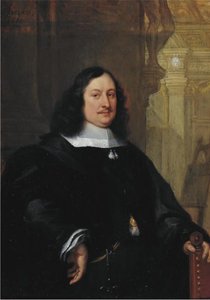
David Teniers den yngre
1610 - 1690 , Belgien
Snabbfakta
- Artistic Movement Or Style: Barock
- Artists Or Movements Influenced By This Artist: ['Antoine Watteau']
- Artists Who Influenced This Artist: ['Peter Paul Rubens']
- Date Of Birth: 1610
- Date Of Death: 1690
- Full Name: David Teniers den Yngre
- Nationality: Flemish
- Notable Artworks:
- Två druckna
- Byggnadsscen
- Kammarscen
- Place Of Birth: Antwerp, Belgien
Relaterade artiklar
Jacob Jordaens: Baroque Dynamism & Genre Innovation of the Antwerp School
Discover Jacob Jordaens, a leading Flemish Baroque painter renowned for his dynamic compositions & realistic genre scenes. Explore his life, art, and lasting influence with OriginalUniqueArt.
David Teniers the Younger: Genre Painting & Social Commentary in Baroque Flanders
Explore the captivating world of David Teniers the Younger, a leading Flemish Baroque painter. Discover his genre scenes, social commentary, and lasting influence on 17th-century art. Learn about his life, techniques & legacy.
David Teniers II: Master of Flemish Genre & Social Commentary
Explore the captivating world of David Teniers II, a leading Flemish Baroque painter renowned for his lively genre scenes & insightful social commentary. Discover his masterpieces and legacy with OriginalUniqueArt.

The Visceral Stage: Exploring Dramatic Narratives & Emotional Intensity in Baroque Art
Explore the dramatic world of Baroque art! Discover iconic masters like Caravaggio & Rembrandt, their techniques, and the movement's lasting impact. Expert insights for collectors & enthusiasts at OriginalUniqueArt.

Mastering Drama and Light: A Definitive Guide to the Flemish Baroque Art Movement
Explore the dramatic brilliance of the Flemish Baroque movement. Discover how masters like Peter Paul Rubens utilized chiaroscuro and dynamic composition to redefine art history through light, shadow, and unparalleled emotion.