
 Förhandsvisa
 Skicka
 Dela
Dela
 Visa detaljer
 Guide
Guide

 Ladda ner
 Liknande objekt
 Röntgen
 Bildspel
 Q&A
Q&A Statistik
Going to the Hayfield


 Visa mer
Giclée / Konsttryck
Giclée- eller canvasprint av museumskvalitet med snabb produktion och flexibla ytbehandlingsalternativ. ( Beställ handmålad reproduktion Byt till digital bild)




P118B Skr10

P118H Skr10

P118W Skr10

P438Z Skr10

P508JH Skr12

P508YH Skr12

P805H Skr10

P805Z Skr10

P919BZ Skr10

P919G Skr10

P919XJ Skr10

P959ZH Skr10

P968JZ Skr12

W106C Skr8

W218G Skr10

W218JH Skr8

W218Y Skr10

W307PJ Skr10

W316G Skr10

W316PJ Skr8

W316Y Skr10

W398PJ Skr8

W4111J Skr10

W500HY Skr15

W500JH Skr15

W692G Skr12

W849H Skr8

W940BG Skr15

W953PJ Skr8




Välj bland våra förinställda storlekar som motsvarar konstverkets ursprungliga proportioner.

Ange den bredd och höjd du behöver för att passa din ram eller vägg. Ett tryck kan endast beskäras, aldrig göras större än originalbilden, vilket innebär att ett format med en annan proportion leder till att en del av bilden går förlorad. Vi skickar en digital mockup för godkännande innan vi påbörjar tryckningen. Bilden som visas på denna sida visar inte den faktiska beskärningen — det är endast mockuppen som gör det.
Leverans över hela världen () på 2 veckor istället för standard 4/5 veckor. (31 oktober)

Fri expressfrakt över hela världen

Högkvalitativ linnecanvas

Fullständig fraktförsäkring

Garantier för återbetalning av tullavgifter

Garantier för exakt färgåtergivning

100 dagars returrätt (endast vid fel)

100% pengarna tillbaka-garanti

Mängdrabatt erbjuds
 Glasalternativet är endast tillgängligt i storlekar under 110 cm.

Going to the Hayfield
Giclée / Konsttryck
Storlek på reproduktion
-


Slutgiltigt pris
Skr 803
A Moment of Rural Tranquility: Exploring David Cox’s “Going to the Hayfield”
David Cox's "Going to the Hayfield," painted in 1849, isn’t merely a landscape; it’s a carefully constructed distillation of Romantic sensibility and a profound connection to the English countryside. This evocative piece, now beautifully reproduced, transports us to a specific moment – a quiet afternoon as figures journey towards a hayfield bathed in the diffused light of an overcast sky. Cox, a pivotal figure bridging the gap between earlier landscape traditions and the burgeoning Impressionism of his time, masterfully captures not just the visual elements but also the atmosphere and emotional resonance of rural life.
Cox’s style is distinctly Romantic, prioritizing mood and feeling over precise detail. He eschews sharp outlines and meticulous rendering in favor of loose, expressive brushstrokes that create a sense of movement and texture throughout the canvas. The painting feels less like a photographic representation and more like an emotional response to the scene – a memory imbued with tranquility and a subtle melancholy. The muted color palette—dominated by earthy greens, browns, and grays punctuated by hints of red in the figures’ clothing—further enhances this atmospheric effect, suggesting a timelessness that transcends any specific date or season.
Composition and Perspective: Framing a Pastoral Scene
The composition is deliberately horizontal, emphasizing the vast expanse of the sky which dominates nearly two-thirds of the canvas. This expansive view immediately establishes a sense of scale and invites the viewer to lose themselves in the landscape. A subtle foreground—a simple fence and patches of foliage—serves as a gentle guide, drawing our eye towards the middle ground where the figures are positioned. The low horizon line reinforces this feeling of openness and amplifies the drama of the sky. Cox skillfully employs atmospheric perspective; distant elements recede into a hazy blue distance, creating an illusion of depth and suggesting the immense scale of the countryside.
The placement of the figures – a small group riding horseback and walking alongside a fence – is crucial to the painting’s narrative. They are not imposing subjects but rather integrated seamlessly within the landscape, representing humanity's quiet interaction with nature. Their presence anchors the scene while simultaneously highlighting its inherent beauty and solitude.
Symbolism and Emotional Resonance: A Reflection of Romantic Ideals
“Going to the Hayfield” is rich in symbolic meaning, reflecting the core tenets of the Romantic movement. The overcast sky, often interpreted as a symbol of introspection or contemplation, lends a subtle melancholy to the scene. It’s not a bright, celebratory landscape; rather, it evokes a sense of quiet reflection and connection to something larger than oneself. The hayfield itself represents abundance and sustenance – a vital element of rural life and a reminder of nature's generosity. Cox’s choice of subject matter—a simple, everyday activity—elevates it to an artistic statement about the beauty and value of the natural world.
Technique and Materials: The Art of Layered Impressionism
Cox’s technique is characterized by a layering of colors applied with loose brushstrokes. He builds up the image gradually, creating a sense of depth and texture through subtle variations in tone and hue. The use of oil paint on canvas allows for rich color saturation and blending—essential to achieving the painting's atmospheric effect. The artist’s deliberate avoidance of sharp lines contributes to the overall feeling of softness and fluidity. It is a testament to Cox’s skill that this seemingly simple landscape feels so profoundly alive, capturing not just what he saw but also how he *felt* about it.
Frågor och svar
Vilken känsla förmedlar "Going to the Hayfield" av David Cox?
Stämningen i "Going to the Hayfield" av David Cox är Calm, och dess emotionella ton är Tranquil.
Hur förhåller sig stilen i "Going to the Hayfield" till sin skapares epok?
"Going to the Hayfield" tillhör den Romantic Landscape Painting rörelsen och dess skapare verkade under talet-eran.
Hur kan jag se "Going to the Hayfield" av David Cox som ett bildspel?
Se diaporamat för "Going to the Hayfield" på konstverkets sida Bildspel.
Konstnärsbiografi
David Cox: Ett liv i landskapet
Tidiga år och utbildning
- Född: 29 april 1783, i Deritend, Birmingham, Storbritannandom.
- David Coxs far var en smed och metallarbetare som levererade komponenter till vapenindustrin i Birmingham. Hans mor, som kom från en lantlig bakgrund, besatt en framstående utbildning och en stark karaktär.
- Han skrev först in sig vid Joseph Barbers akademi på Great Charles Street, där han mötte sina medstudenter Charles Barber och William Radclyffe.
- Vid 15 års ålder blev Cox lärling hos Albert Fielder, en målare i Birmingham som specialiserade sig på porträttminiatyrer och dekorativt måleri för föremål som snusdosor. Denna tidiga utbildning gav honom de grundläggande färdigheter han behövde.
Karriärutveckling och konstnärlig resa
- År 1804 flyttade Cox till London och gifte sig med sin hyresvärds dotter, Mary Ragg.
- En avgörande resa till Wales 1805 tillsammans med Charles Barber markerade början på otaliga skissresor under hans livstid. Dessa resor kom att påverka hans konstnärliga stil djupt.
- Han ställde regelbundet ut vid Royal Academy från 1805 och försörjde sig till en början som ritlärare. Överste Hon. H. Windsor blev en av hans första elever år 1808.
- Coxs tidiga verk fokuserade på detaljerade akvarellandskap, som ofta skildrade lantliga scener och arkitektoniska motiv.
Konstnärlig stil och influenser
- Coxs stil utvecklades över tid. Han rörde sig från precisa topografiska avbildningar mot ett mer uttrycksfullt och atmosfäriskt tillvägagångssätt.
- Influenser: Även om specifika influenser debatteras, uppvisar hans verk en närhet till 1600-talets nederländska landskapsmålare samt en skarp naturobservation som påminner om Constable.
- Han blev känd för sitt lösa penseldrag, sina livfulla färger och sin förmåga att fånga effekterna av ljus och väder. Hans senare oljemålningar var särskilt innovativa.
Stora prestationer och arv
- Cox målade över 300 verk i olja mot slutet av sin karriär, vilket idag erkänns som ”en av de största, men minst erkända, prestationerna hos någon brittisk målare”.
- Han betraktas som en av de främsta engelska landskapsmålarna och en central gestalt under den engelska akvarellens guldålder.
- Hans arbete har haft ett betydande inflytande på efterföljande generationer av landskapskonstnärer.
- Betydande verk: The Wind on the Heath, Cottage in Herefordshire, Junction of the Severn and the Wye with Chepstow in the distance och Moonlight Landscape är bland hans mest hyllade målningar.
Historisk betydelse
- David Cox erkänns som en tidig föregångare till impressionismen. Hans betoning på att fånga flyktiga atmosfäriska effekter och hans lösa penseldrag förebådade många av de tekniker som senare antogs av impressionisterna.
- Han spelade en avgörande roll i att etablera brittiskt landskapsmåleri som en distinkt genre, genom att röra sig bort från rent topografiska representationer mot mer uttrycksfulla och emotionella tolkningar av naturen.
- Hans verk fortsätter att beundras för sin skönhet, sin känslighet och sin tidlösa attraktionskraft.
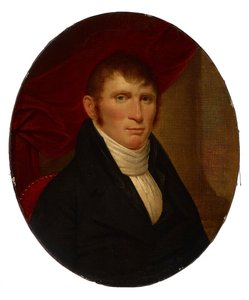
David Cox
1783 - 1859 , Storbritannien
Kortfakta
- Artistic Movement Or Style: Engelsk landskapsmålare
- Artists Or Movements Influenced By This Artist: ['Impressionism']
- Artists Who Influenced This Artist: ['Albert Fielder']
- Date Of Birth: 29 april 1783
- Date Of Death: 7 juni 1859
- Full Name: David Cox
- Nationality: Brittisk
- Notable Artworks:
- The Wind on the Heath
- Cottage i Herefordshire
- Junction Severn Wye
- Place Of Birth: Birmingham, Storbritannien
Relaterade artiklar

Romantiska landskap: Topp 10 mästerverk som definierade en epok – OriginalUniqueArt.se
Utforska de 10 mest ikoniska mästerverken inom romantisk landskapsmålning! Lär känna Caspar David Friedrich, Turner & andra. Hitta inspiration och köp museumkvalitativa konsttryck på OriginalUniqueArt.com.

John Constables 25 Mästerverk: En Konstnärlig Resa i Det Engelska Landskapet | OriginalUniqueArt
Utforska John Constables 25 mest ikoniska målningar – romantikens mästare av det engelska landskapet. Upptäck historien, tekniken & skönheten i verk som 'Hay Wain'. Köp exklusiva konsttryck på OriginalUniqueArt.com.

10 Akvarellmästerverk som Förändrade Konsthistorien | OriginalUniqueArt
Utforska 10 legendariska akvarellmålningar av Turner, Monet & Sargent som revolutionerade konsten. Lär känna historien bakom varje mästerverk och hitta inspiration till din inredning. Köp reproduktioner på OriginalUniqueArt.com!

David Cox the Elder: Landscape, Light & the Romantic Vision of Rural England
Explore the captivating landscapes of David Cox the Elder, a pivotal figure in British Romanticism. Discover his masterful watercolour techniques, enduring legacy & find timeless art for your home at OriginalUniqueArt.

Ephemeral Visions: Exploring the Artistic Legacy & Contemporary Practice of Watercolor Painting
Explore the captivating world of watercolor painting! Discover its rich history, essential techniques, influential artists & collecting tips. A comprehensive guide for art enthusiasts from OriginalUniqueArt.