
 Förhandsvisa
 Skicka
 Dela
Dela
 Visa detaljer
 Guide
Guide

 Ladda ner
 Liknande objekt
 Röntgen
 Bildspel
 Frågor och svar
 Statistik
Cows in the Field

- 93.0 x 75.0 cm


 Visa mer
Giclée / Konsttryck
Giclée- eller canvasprint av museumskvalitet med snabb produktion och flexibla ytbehandlingsalternativ. ( Beställ handmålad reproduktion Byt till digital bild)




P118B Skr10

P118H Skr10

P118W Skr10

P438Z Skr10

P508JH Skr12

P508YH Skr12

P805H Skr10

P805Z Skr10

P919BZ Skr10

P919G Skr10

P919XJ Skr10

P959ZH Skr10

P968JZ Skr12

W106C Skr8

W218G Skr10

W218JH Skr8

W218Y Skr10

W307PJ Skr10

W316G Skr10

W316PJ Skr8

W316Y Skr10

W398PJ Skr8

W4111J Skr10

W500HY Skr15

W500JH Skr15

W692G Skr12

W849H Skr8

W940BG Skr15

W953PJ Skr8




Välj bland våra förinställda storlekar som motsvarar konstverkets ursprungliga proportioner.

Ange den bredd och höjd du behöver för att passa din ram eller vägg. Ett tryck kan endast beskäras, aldrig göras större än originalbilden, vilket innebär att ett format med en annan proportion leder till att en del av bilden går förlorad. Vi skickar en digital mockup för godkännande innan vi påbörjar tryckningen. Bilden som visas på denna sida visar inte den faktiska beskärningen — det är endast mockuppen som gör det.
Leverans över hela världen () på 2 veckor istället för standard 4/5 veckor. (11 november)

Fri expressfrakt över hela världen

Högkvalitativ linnecanvas

Fullständig fraktförsäkring

Garantier för återbetalning av tullavgifter

Garantier för exakt färgåtergivning

100 dagars returrätt (endast vid fel)

100% pengarna tillbaka-garanti

Mängdrabatt erbjuds
 Glasalternativet är endast tillgängligt i storlekar under 110 cm.

Cows in the Field
Giclée / Konsttryck
Storlek på reproduktion
-


Slutgiltigt pris
Skr 813
A Pastoral Vision: Constant Troyon’s “Cows in the Field”
Constant Troyon's "Cows in the Field," painted in 1852, isn’t merely a depiction of livestock grazing; it’s a carefully constructed tableau of rural tranquility imbued with the spirit of the Barbizon school. This oil on canvas transports us to a sun-drenched meadow, where three cows – one prominent on the left, another centrally positioned, and a third gracefully occupying the right side – engage in the simple act of being. The scene unfolds against a backdrop of gently rolling hills and a scattering of mature trees, their branches reaching skyward like benevolent guardians. The painting’s power lies not just in its subject matter but in Troyon's masterful handling of light and color, creating an atmosphere of profound peace and connection to the natural world.
Troyon, born in Seville, Spain, and trained initially as a decorator at the prestigious Sèvres porcelain manufactory, embarked on a journey that ultimately led him away from meticulous ornamentation towards the expansive landscapes he so brilliantly captured. His early years instilled within him an appreciation for detail and precision, yet it was his travels throughout France – particularly his exposure to the Dutch masters like Cuyp and Potter – that truly shaped his artistic vision. He sought to emulate their ability to render light and atmosphere with remarkable immediacy, moving away from academic formality towards a more direct and emotionally resonant approach.
The Barbizon School: A Return to Nature
“Cows in the Field” is a quintessential example of the Barbizon school’s philosophy. Rejecting the studio-bound techniques favored by earlier generations, Barbizon artists like Troyon sought inspiration directly from nature, often painting *en plein air* – outdoors. This commitment resulted in paintings characterized by loose brushwork, vibrant colors, and an emphasis on capturing the fleeting effects of light and weather. The Barbizon movement represented a deliberate rebellion against the rigid conventions of the Salon system, prioritizing authenticity and emotional expression over technical perfection.
Troyon’s technique is particularly evident in his use of color. He employs a palette of warm ochres, greens, and blues to evoke the golden light of late afternoon. The cows themselves are rendered with a remarkable sense of volume and texture, their coats appearing almost tactile as they blend seamlessly into the surrounding landscape. Notice how he uses subtle gradations of tone to create depth and perspective, drawing the viewer’s eye effortlessly across the scene.
Symbolism and Emotional Resonance
Beyond its technical merits, “Cows in the Field” resonates with a quiet sense of symbolism. The cows themselves represent abundance, fertility, and the cyclical rhythms of rural life. Their peaceful grazing suggests a harmony between humanity and nature – a theme that was particularly important to the Barbizon artists. The painting’s overall mood is one of serenity and contentment, inviting the viewer to pause and appreciate the simple beauty of the natural world.
Furthermore, Troyon's choice of subject matter—a commonplace scene of rural life—elevates it through his artistic skill. He transforms a familiar image into something profoundly moving, capturing not just what he sees but also the feeling of being immersed in this tranquil landscape. The painting speaks to a longing for connection with nature and a recognition of its enduring value.
A Timeless Reproduction
Today, “Cows in the Field” continues to captivate audiences with its timeless beauty and emotional resonance. Reproductions like those offered by Oceansbridge allow us to experience this masterpiece firsthand, bringing its serene atmosphere into our homes and offices. Whether you’re an art enthusiast, a collector seeking to enrich your collection, or simply someone looking for a piece of art that evokes feelings of peace and tranquility, Troyon's "Cows in the Field" is a truly exceptional choice.
Frågor och svar
Hur ljus är "Cows in the Field" i sin helhet?
När det gäller upplevd ljusstyrka är "Cows in the Field" av Konstant Troyon balanced.
Hur balanserar "Cows in the Field" ljus och mörker?
"Cows in the Field" har en övergripande ljusstyrka på balanced, och dess luminans är Gentle Luminance.
Använder "Cows in the Field" av Konstant Troyon starka kontraster eller mjuka harmonier?
Färgkompositionen i "Cows in the Field" av Konstant Troyon förenar en Statement kontrast med en Unified Palette harmoni.
Konstnärsbiografi
Early Life and Training
Constant Troyon (1810–1865) föddes i Sevilla, Spanien och växte upp i en familj som var starkt kopplad till Sèvres keramikfabrik där hans far och mor arbetade. Detta skapade en miljö där konstnärliga färdigheter värderades högt – något som skulle prägla hela hans konstnärliga resa. Han började sin karriär som dekoratör på fabriken och utvecklade sina färdigheter inom keramikornamentering från ung ålder, vilket gav honom en skarp öga för detaljer och precision som senare skulle påverka hans målningsstil. Detta tidiga utbildning var avgörande för att forma hans konstnärliga grund och skapa ett starkt fokus på teknisk excellens.Artistic Development and Dutch Influence
En viktig vändpunkt i Troyons konstnärliga utveckling kom under en resa till Nederländerna år 1846. Inspirerad av Paulus Potters "Ung Ox" och mästerverk av Cuyp och Rembrandt, gjorde han ett genomgripande steg mot djurmålning och upptäckte sin verkliga kall inom konsten. Detta möte med holländska konstnärliga traditioner förändrade hans stil radikalt bort från rena landskap till föreställningar om djur i deras naturliga miljöer, vilket visar hur mycket hans omgivning och andra konstnärer kunde påverka hans kreativa utveckling. Han var särskilt fascinerad av holländska mästarnas förmåga att fånga verkligheten och själva essensen av djuren – något som skulle komma att präglas av hans egen konstnärliga vision. Detta genomgående fokus på realism och detalj skulle senare bli ett kännetecknande för hans verk.Artistic Style and Legacy
Troyons konstverk var karakteriserade av autenticitet och förmågan att fånga djur i deras naturliga, dynamiska tillstånd. Han strävade efter att inte bara återskapa deras fysiska utseende utan också deras karaktär och beteende – vilket är något som skiljer honom från många andra konstnärer av sin tid. Kritikern Albert Wolff noterade Troyons genomgripande stil och hyllade hans förmåga att ge djuren liv och skapa övertygande landskap, vilket visar hur mycket hans konstverk kommunicerade känslor och idéer till publiken. Han mottog många erkännanden under sin karriär, inklusive Legion of Honour och fem Paris Salonmedaljer – vilket vittnar om den bredda uppskattningen för hans talang och konstnärliga geni. Hans verk fortsätter att inspirera konstnärer idag och är ett viktigt exempel på Barbizon skolans estetiska principer.Notable Works and Lasting Impact
Troyons mest kända verk skapades mellan åren 1850 och 1864, vilket visar hur hans stil utvecklades över tid och att hans första arbeten inte alltid reflekterade hans senare konstnärliga ambitioner. Bland hans mest ikoniska målningar finns "Vallée de la Toucque, Normandy" där han perfekt fångar både landskapets skönhet och djurens aktivitet – ett mästerverk som är känt för sin detaljrikedom och tekniska precision. Han var en betydande medlem av Barbizon skolans konstnärliga rörelse och bidrog till att skapa en ny estetisk riktning inom fransk konst genom sitt fokus på direkt observation och realistisk återgivning av naturen. Hans konstverk finns nu i prestigefulla museer över hela världen, vilket säkerställer att hans verk kommer att fortsätta att inspirera kommande generationer av konsthistoriker och konstälskare. Troyon är ett namn som kommer att förbli skrivet i konsthistoriens bok som en pionjär inom Barbizon skolan och en mästerlig förtolkare av den naturliga världen.
Konstant Troyon
1810 - 1865 , Frankrike
Kortfakta
- Artistic Movement Or Style: Barbizon Skola
- Artists Or Movements Influenced By This Artist: ['Émile van Marcke']
- Artists Who Influenced This Artist:
- Paulus Potter
- Aelbert Cuyp
- Rembrandt
- Date Of Birth: August 28, 1810
- Date Of Death: February 21, 1865
- Full Name: Constant Troyon
- Nationality: Fransk
- Notable Artworks:
- Vallée de la Toucque, Normandie
- Vattenkoppling
- Oxarbeten
- Place Of Birth: Sèvres, France
Relaterade artiklar

Evocations of Place: A Historical Journey Through Landscape Art
Explore the rich history of landscape art with OriginalUniqueArt. Discover renowned artists, movements like Impressionism & Romanticism, and expert guidance for collecting timeless pieces. Find your perfect serene escape today!

John Constables 25 Mästerverk: En Konstnärlig Resa i Det Engelska Landskapet | OriginalUniqueArt
Utforska John Constables 25 mest ikoniska målningar – romantikens mästare av det engelska landskapet. Upptäck historien, tekniken & skönheten i verk som 'Hay Wain'. Köp exklusiva konsttryck på OriginalUniqueArt.com.

Evocations of Place: A Historical Journey Through Landscape Art
Explore the rich history of landscape art with OriginalUniqueArt. Discover renowned artists, movements like Impressionism & tonalism, and expert guidance for collecting timeless pieces. Find your perfect serene escape today!
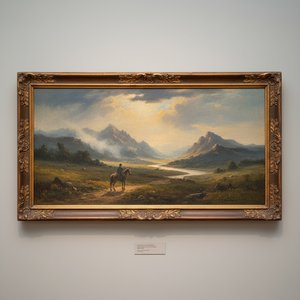
Anthony Vandyke Copley Fielding: Rediscovering a Master of Romantic Landscape
Discover the captivating landscapes of Anthony Vandyke Copley Fielding, a master of Romantic watercolour painting. Explore his life, technique, and legacy with OriginalUniqueArt – your source for museum-quality art reproductions & expert appraisal.

Romantiska landskap: Topp 10 mästerverk som definierade en epok – OriginalUniqueArt.se
Utforska de 10 mest ikoniska mästerverken inom romantisk landskapsmålning! Lär känna Caspar David Friedrich, Turner & andra. Hitta inspiration och köp museumkvalitativa konsttryck på OriginalUniqueArt.com.