 Visa i rummet
 Skicka
 Dela
Dela
 Detaljer

 Ladda ner
 Liknande objekt
 Röntgen
 Bildspel
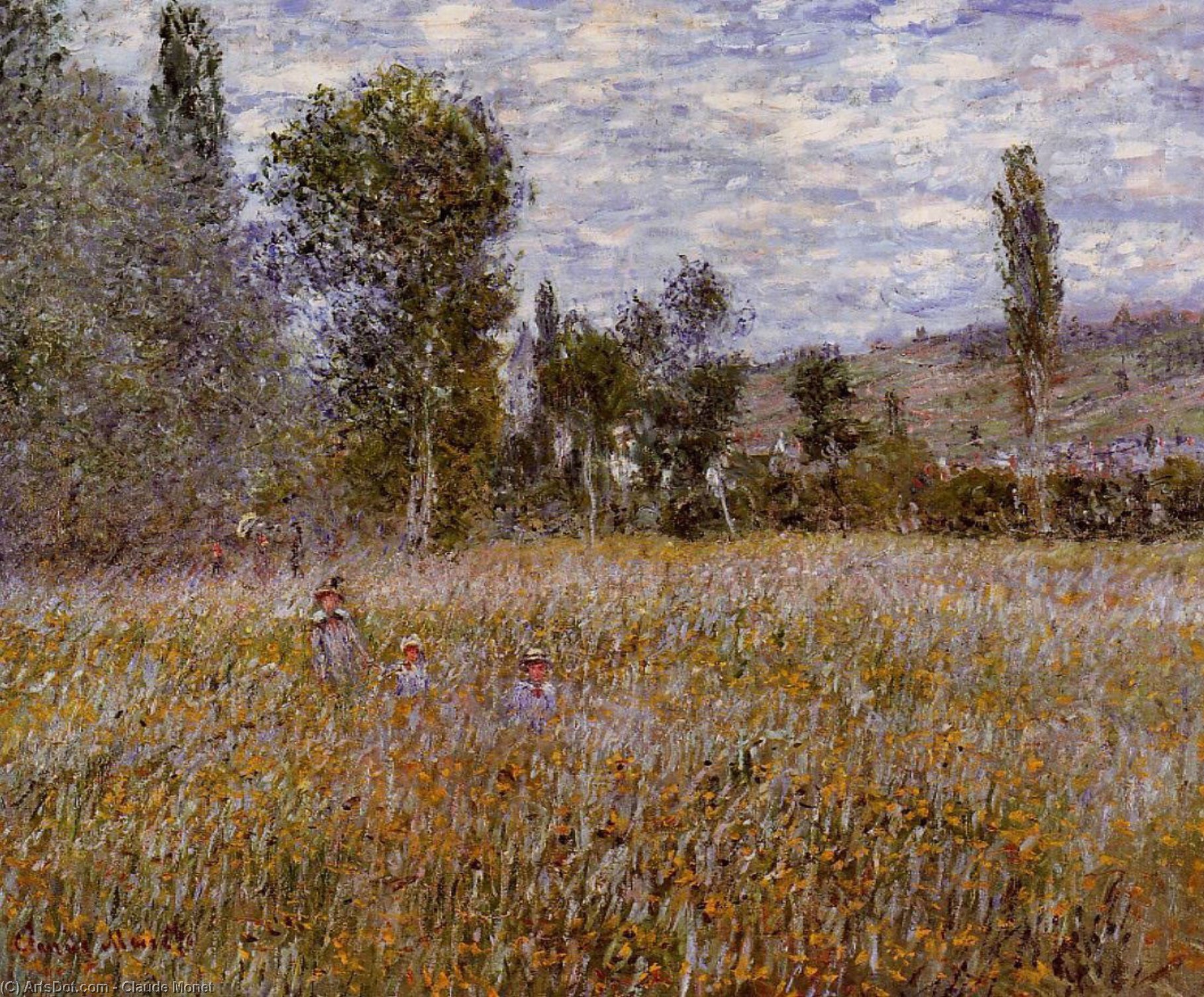
A Meadow


 Läs mer
Giclée / Konsttryck
Giclée- eller canvasprint av museumskvalitet med snabb produktion och flexibla ytbehandlingsalternativ. ( Köp handgjord målning Köp bild)




P118B $10

P118H $10

P118W $10

P438Z $10

P508JH $12

P508YH $12

P805H $10

P805Z $10

P919BZ $10

P919G $10

P919XJ $10

P959ZH $10

P968JZ $12

W106C $8

W218G $10

W218JH $8

W218Y $10

W307PJ $10

W316G $10

W316PJ $8

W316Y $10

W398PJ $8

W4111J $10

W500HY $15

W500JH $15

W692G $12

W849H $8

W940BG $15

W953PJ $8




Välj bland våra förinställda storlekar som motsvarar konstverkets ursprungliga proportioner.

Du kan ange egna mått för att passa en specifik ram eller yta. Om det valda måttet inte överensstämmer med originalbildens proportioner kommer vi antingen att beskära konstverket eller utöka bilden med en speglad eller enfärgad kant. En digital mockup skickas för ditt godkännande innan produktionen påbörjas.
Vänligen notera att förhandsvisningen på skärmen inte återspeglar den faktiska beskärningen eller utökningen. Endast mockuppen visar den slutgiltiga kompositionen korrekt.
Även om anpassade storlekar är möjliga, rekommenderar vi att du väljer ett mått från den fördefinierade listan för att bevara de ursprungliga proportionerna.
Leverans över hela världen () på 2 veckor istället för standard 4/5 veckor. (12 augusti)

Fri expressfrakt över hela världen

Högkvalitativ linnecanvas

Fullständig fraktförsäkring

Garantier för återbetalning av tullavgifter

Garantier för exakt färgåtergivning

60 dagars returrätt (endast vid fabrikationsfel)

100% pengarna tillbaka-garanti

Mängdrabatt erbjuds
 Glasalternativet är endast tillgängligt i storlekar under 110 cm.

A Meadow
Giclée / Konsttryck
Reproduktionsstorlek
-


Totalpris
$ 80
Beskrivning av samlarobjektet
The Essence of a Moment: Unveiling Monet’s “A Meadow”
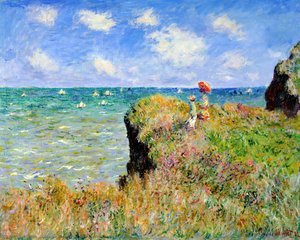
Claude Monet's "A Meadow," painted in 1879, isn’t merely a landscape; it’s an exquisitely captured distillation of a fleeting moment. Housed within the walls of the Joslyn Art Museum in Omaha, this oil on canvas transports us to a serene field bathed in the dappled light of a summer afternoon. More than just depicting a scene, Monet sought to convey his *perception* of that scene – the way sunlight danced upon the grasses, the subtle shifts in color as clouds drifted across the sky, and the feeling of warmth and tranquility that permeated the air. It’s a testament to the core philosophy of Impressionism: to capture not just what is seen, but how it is felt.
The painting immediately draws the eye with its vibrant palette. Monet masterfully employed greens of varying hues – from the deep emerald of shadowed foliage to the lighter, almost luminous shades of sunlit grasses – creating a sense of depth and movement within the meadow. Yellows burst forth from wildflowers scattered across the field, punctuated by touches of blue in the expansive sky above. These colors aren’t blended smoothly; instead, they are applied in short, broken brushstrokes, characteristic of Monet's Impressionist technique. This deliberate lack of blending is crucial to capturing the ephemeral quality of light and atmosphere – a key element that defines the style.
Impressionism in Action: Light, Color, and Perception
Monet’s approach to painting “A Meadow” exemplifies his innovative techniques. He moved away from traditional academic methods, which prioritized precise detail and realistic representation, and instead focused on expressing his subjective experience of the scene. This is most evident in his use of color – he didn't attempt to replicate the exact hues he saw, but rather used colors that evoked the *impression* of light and atmosphere. The brushstrokes themselves are loose and visible, adding a sense of spontaneity and immediacy to the work. He was deeply influenced by Eugène Boudin, who encouraged him to paint “en plein air,” directly from nature, allowing him to observe and capture the ever-changing effects of light firsthand.
The inclusion of two figures in the field adds a subtle layer of narrative without disrupting the overall sense of serenity. They are positioned strategically – one closer to the left side, partially obscured by foliage, and another further back on the right – suggesting a quiet moment of contemplation within this idyllic setting. These figures aren’t the focal point; rather, they serve as anchors for our gaze, inviting us to fully immerse ourselves in the beauty of the landscape.
A Series Within a Series: Monet's Exploration of Light
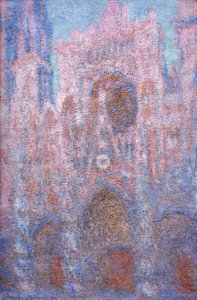
“A Meadow” is part of a larger series of paintings by Monet that explored similar subjects at different times of day and under varying weather conditions. Like his Haystacks, Rouen Cathedrals, and Water Lilies, this painting represents an attempt to capture the *essence* of a single subject through repeated observations. This systematic approach allowed Monet to meticulously document the subtle shifts in light and color that occurred throughout the day, revealing the dynamic nature of the natural world. The series highlights his fascination with capturing the fleeting effects of sunlight and atmosphere – a core tenet of Impressionist philosophy.
Beyond the Canvas: Context and Legacy
To appreciate “A Meadow” fully, it’s helpful to consider its place within Monet's broader artistic trajectory. Following the Franco-Prussian War, Monet, along with other artists, sought to break free from the constraints of academic painting and explore new ways of representing the world around them. His work paved the way for modern art, influencing generations of painters who followed. For those seeking further exploration into Monet’s life and works, a visit to the List of Paintings by Claude Monet on Wikipedia is highly recommended.
Om konstnären
Ett liv i ljuset: Claude Monets värld
Oscar-Claude Monet, ett namn som är synonymt med impressionismen, var inte bara en landskapsmålare; han var en kronolog över flyktiga ögonblick, en poet av ljus och färg. Född i Paris den 14 november 1840 tog hans tidiga liv en oväntad vändning när familjen flyttade till Le Havre, Normandie, vid fem års ålder. Även om han ursprungligen var ämnad för en kommersiell karriär av sin far, framträdde Claude’s medfödda konstnärliga talang snabbt, först i kolteckningar som såldes lokalt – ett bevis på både hans skicklighet och entreprenörsanda. Det var dock mötet med Eugène Boudin som blev avgörande. Boudin lärde Monet inte bara hur man målar; han ingjöt idén om att måla en plein air—direkt från naturen—en praktik som skulle definiera hans hela konstnärliga resa.
Monets formella utbildning började i Paris, kortvarigt vid Académie Suisse och senare under Charles Gleyre. Här knöt han varaktiga vänskapsband med andra konstnärer som Auguste Renoir, en relation grundad på delade konstnärliga frustrationer och en önskan att bryta sig loss från de traditionella akademiska måleriets begränsningar. Hans tidiga verk visade teknisk skicklighet men saknade den distinkta röst som snart skulle känneteckna hans stil. En period av oro följde – fransk-preussiska kriget tvingade Monet att söka skydd i London, där han fördjupade sig i arbeten av engelska landskapsmästare som J.M.W. Turner och absorberade deras atmosfäriska effekter och innovativa användning av färg.
Födelsen av en estetisk revolution
Vid sin återkomst till Frankrike blev Monet en centralfigur i en spirande konstnärlig revolt. Missnöjd med salongens konservativa standarder gick han samman med andra likasinnade konstnärer för att organisera oberoende utställningar. Utställningen 1874 visade sig vara ett vattendelmoment, inte bara för Monet utan för hela konstvärlden. Det var här hans målning “Impression, soleil levant” (Impression, soluppgång) – en suddig skildring av Le Havres hamn i gryningen – ställdes ut, och från vilken den nedlåtande termen "impressionismen" uppstod. Namnet fastnade dock och utvecklades till ett hedersmärke för en rörelse som syftade till att fånga det subjektiva *intrycket* av en scen snarare än dess exakta representation.
Monets signaturstil blomstrade under denna period: lösa, synliga penseldrag, livfulla och ofta oblandade färger applicerade sida vid sida (en teknik känd som “broken color”) och ett orubbligt fokus på att fånga ljusets efemära kvaliteter. Han förföljde obevekligt sin plein air-praktik, arbetade snabbt för att registrera sina omedelbara uppfattningar innan de skiftande förhållandena förändrade scenen. Denna hängivenhet handlade inte bara om att avbilda vad han *såg*, utan snarare hur han *kände* som svar på det – en radikal avvikelse från konstnärliga konventioner.
Giverny: Ett paradis av ljus och reflektion
År 1883 bosatte sig Monet i Giverny, nordväst om Paris, och etablerade ett hem och en trädgård som skulle bli både hans fristad och hans största inspirationskälla. Han förvandlade noggrant fastigheten till ett utsökt paradis, komplett med exotiska blommor, hängande pilträd och, mest berömt, en näckrosdam spanned av en japansk bro. Detta var inte bara en dekorativ trädgård; det var ett levande laboratorium där Monet kunde studera ljusets effekter på vatten, lövverk och reflektioner under kontrollerade förhållanden.
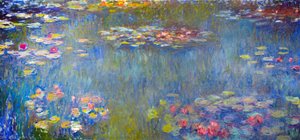
De sista decennierna av hans liv ägnades nästan uteslutande åt att måla näckrosdammen i Giverny. Han gav sig in i den monumentala Water Lilies-serien (Nymphéas), skapade enorma dukar som skildrade dammens yta som en ständigt föränderlig gobeläng av färg och ljus. Dessa var inte bara målningar av blommor; de var uppslukande upplevelser, utformade för att omsluta betraktaren i en värld av lugn skönhet och kontemplativ stillhet. Skalan på dessa verk är hisnande, som tänjer på gränserna för traditionell målning och förebådar abstrakt expressionism.
Arvet: En varaktig inverkan på konsthistorien
Claude Monets inverkan på konsthistorien är omätbar. Han var inte bara impressionismens grundare; han förändrade fundamentalt hur konstnärer uppfattade och representerade världen omkring dem. Hans betoning på subjektiv erfarenhet, hans omfamning av plein air-målning och hans innovativa tekniker banade väg för modern konsts utforskning av abstraktion och icke-representationella former.
Monet uppnådde betydande kommersiell framgång under sin livstid – en sällsynthet för avantgardekonstnärer från hans tid. Hans verk fortsätter att inspirera vördnad och fängsla publik över hela världen, vilket befäster hans plats som en av de viktigaste figurerna inom västerns konst. Han dog den 5 december 1926 och lämnade efter sig ett arv som resonerar genom generationer av konstnärer och konstälskare. Betydande samlingar av hans mästerverk finns på prestigefyllda institutioner som Musée d'Orsay och Musée Marmottan Monet i Paris, vilket säkerställer att hans vision fortsätter att lysa upp världen.
Nyckelkonstnärliga tekniker
- Plein Air Painting: Centralt för hans utveckling, möjliggör direkt observation av ljus och atmosfär.
- Broken Color: Applicera små penseldrag med ren färg sida vid sida för optisk blandning.
- Series Painting: Avbilda samma motiv under olika ljus- och väderförhållanden – demonstrerar tidens och ljusets transformerande kraft.
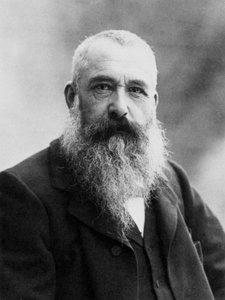
Claude Monet
1840 - 1926 , Frankrike
Snabbfakta
- Artistic Movement Or Style: Impressionismen
- Artists Or Movements Influenced By This Artist: ['Modern konst']
- Artists Who Influenced This Artist:
- Eugène Boudin
- J.M.W. Turner
- Date Of Birth: 14 november 1840
- Date Of Death: 5 december 1926
- Full Name: Oscar-Claude Monet
- Nationality: Fransk
- Notable Artworks:
- Soluppgång
- Näckrosor
- Höstackar
- Place Of Birth: Paris, Frankrike
Relaterade artiklar
Claude Monet: Topp 25 mästerverk – Impressionismens ljus i ditt hem
Utforska Claude Monets 25 mest ikoniska målningar – från vattenliljor till soluppgång. Lär känna impressionismens mästare och hitta inspiration för ditt hem med konsttryck av högsta kvalitet på OriginalUniqueArt.com.

Topp 10 Impressionistiska Mästerverk – Landskap som Förändrade Konsten | OriginalUniqueArt.se
Upptäck de 10 mest ikoniska impressionistiska landskapsmålningarna av Monet, Renoir & Van Gogh. Lär känna historien bakom mästerverken och hitta inspiration för din inredning på OriginalUniqueArt.se – museumkvalitet hem till dig!

Impressionismens Mästerverk: Topp 10 Landskap som Förändrade Konsten | OriginalUniqueArt
Upptäck de 10 mästerverk som definierade impressionistiska landskap! Monet, Renoir & Cézanne – lär känna historien bakom ikoniska oljemålningar. Hitta inspiration och museumskvalitativa konsttryck på OriginalUniqueArt.com.
Landskapets Mästare: Topp 10 Konstverk som Fångar Naturens Skönhet – OriginalUniqueArt.se
Upptäck de 10 mest ikoniska landskapskonstverken! Från Monet till Van Gogh – utforska naturens skönhet, konsthistorien och tekniken bakom mästerverken. Hitta din perfekta tavla för heminredningen på OriginalUniqueArt.com.

Evocations of Place: A Historical Journey Through Landscape Art
Explore the rich history of landscape art with OriginalUniqueArt. Discover renowned artists, movements like Impressionism & Romanticism, and expert guidance for collecting timeless pieces. Find your perfect serene escape today!