

 Visa i rummet
 Skicka
 Dela
Dela
 Detaljer
 Studentguide för konstverk

 Ladda ner
 Liknande objekt
 Röntgen
 Bildspel
 Besökstatistik
Satyrer
 Akryl på duk
- Väggkonst
- Neoclassical Style
 1700
1700 41.0 x 52.0 cm
 Calouste Gulbenkianmuseet
 Läs mer
Handgjord oljereproduktion
Handmålad olja på duk i din valda storlek och ram, tillverkad efter beställning av våra konstnärer. ( Byt till tryckta exemplar Byt till digital bildförsäljning)




P118B Skr10

P118H Skr10

P118W Skr10

P438Z Skr10

P508JH Skr12

P508YH Skr12

P805H Skr10

P805Z Skr10

P919BZ Skr10

P919G Skr10

P919XJ Skr10

P959ZH Skr10

P968JZ Skr12

W106C Skr8

W218G Skr10

W218JH Skr8

W218Y Skr10

W307PJ Skr10

W316G Skr10

W316PJ Skr8

W316Y Skr10

W398PJ Skr8

W4111J Skr10

W500HY Skr15

W500JH Skr15

W692G Skr12

W849H Skr8

W940BG Skr15

W953PJ Skr8




Välj bland våra förinställda storlekar som motsvarar konstverkets ursprungliga proportioner.

Du kan ange egna mått för att passa en specifik ram eller yta. Om den valda storleken inte matchar originalbildens proportioner kommer vi antingen att beskära konstverket eller utöka målningen med ytterligare handmålade element. En digital skiss skickas till dig för godkännande innan produktionen påbörjas.
Observera att förhandsvisningen på skärmen inte återspeglar den faktiska beskärningen eller utökningen. Endast skissen visar den slutgiltiga kompositionen korrekt.
Även om anpassade storlekar är möjliga, rekommenderar vi att du väljer en dimension från den fördefinierade listan för att bevara originalproportionerna.
Efter beställning kommer OriginalUniqueArt.com team att mejla kunden för instruktioner och tillhandahålla en skissförhandsvisning
Leverans över hela världen () på 3–4 veckor istället för standard 5 veckor. (4 oktober). Inga kompromisser med kvaliteten.

Fri expressfrakt över hela världen

Högkvalitativ linnecanvas

Fullständig fraktförsäkring

Garantier för återbetalning av tullavgifter

Garantier för exakt färgåtergivning

100 dagars returrätt vid fabrikationsfel

100% pengarna tillbaka-garanti

Mängdrabatt erbjuds
 Glasalternativet är endast tillgängligt i storlekar under 110 cm.

Satyrer
Tryckteknik
Reproduktionsstorlek
-


Totalpris
Skr 2870
A Moment of Pastoral Reverie: Exploring Claude Michel Clodion’s “Satyrs”
Claude Michel Clodion’s “Satyrs,” completed in 1781, stands as a testament to the Neoclassical movement's fascination with idealized beauty and mythological narratives. This grayscale relief sculpture captures a scene of serene intimacy between two satyrs – mischievous deities from Greek mythology known for their sensual appetites and association with wilderness – offering viewers a glimpse into a realm where primal instinct blends seamlessly with contemplative grace.
- Subject Matter: The artwork depicts two satyrs engaged in an affectionate embrace, symbolizing themes of youthful passion and harmonious connection to nature. Their postures convey vulnerability and tenderness, inviting contemplation on the complexities of human emotion.
- Style & Technique: Clodion’s masterful sculpting technique exemplifies Neoclassical ideals. Employing a grayscale palette—a deliberate choice reflecting the influence of artists like Gian Lorenzo Bernini—he achieves remarkable tonal gradation, capturing subtle nuances of form and texture. The sculpture's surface is meticulously crafted to emulate marble, demonstrating an impressive command of material properties.
- Historical Context: Created during the Enlightenment, “Satyrs” reflects a broader cultural preoccupation with reviving classical ideals amidst the burgeoning Romantic era. It aligns with the movement’s emphasis on rational thought tempered by emotional sensitivity—a duality beautifully embodied in the sculpture's depiction of idealized figures experiencing profound feeling.
Symbolism and Mythological Resonance
The satyrs themselves carry significant symbolic weight within Greek mythology. Representing untamed desire and hedonistic pleasure, they embody both the allure and peril inherent in indulging earthly impulses. However, their embrace suggests a reconciliation of these opposing forces—a celebration of joy found amidst natural beauty and human connection. The sculpture’s stillness contributes to this contemplative mood, prompting viewers to consider the enduring power of simplicity and sincerity.
A Legacy of Elegance: Displaying Clodion's Work
Currently housed at the Calouste Gulbenkian Museum in Lisbon, Portugal, “Satyrs” exemplifies Clodion’s ability to distill complex mythological concepts into emotionally resonant forms. Its understated elegance and masterful execution continue to inspire admiration among art historians and collectors alike. Reproductions of this captivating sculpture offer a chance to experience its beauty firsthand—a timeless reminder of Neoclassical artistry's enduring appeal.
- Recommended Reproduction Materials: Consider high-quality archival pigment prints on canvas or linen for optimal color fidelity and longevity.
- Interior Design Considerations: “Satyrs”’ serene composition lends itself beautifully to minimalist interiors, creating a focal point of understated sophistication.
Frågor och svar
Vad är luminansen i "Satyrer" av Claude Michel?
Färgerna i "Satyrer" uppvisar en Mjuk luminans luminans.
Kan jag använda augmented reality för att se "Satyrer" av Claude Michel i mitt rum?
Sidan för AR-förhandsvisning av "Satyrer" av Claude Michel använder förstärkt verklighet (AR) för att visa konstverket i ditt eget utrymme, på en kompatibel enhet.
Vilket museum har originalet till "Satyrer"?
Originalet av "Satyrer" av Claude Michel finns på Calouste Gulbenkianmuseet, Lisbon, Portugal. En reproduktion gör det möjligt att visa verket i hemmet.
Vem är konstnären bakom "Satyrer"?
"Satyrer" tillskrivs Claude Michel.
Kan "Satyrer" av Claude Michel, som finns i samlingen på Calouste Gulbenkianmuseet, reproduceras lagligt?
Originalverket "Satyrer" finns på Calouste Gulbenkianmuseet och verket är allmän egendom – upphovsrätten har löpt ut.
Kan jag beställa en oljereproduktion av "Satyrer"?
"Satyrer" finns tillgänglig som en handmålad oljereproduktion på linneväv. Beställningen kan göras på denna sida, med valmöjlighet mellan olika storlekar.
När skapades "Satyrer"?
"Satyrer" av Claude Michel skapades år 1700.
Om konstnären
The Master of Clay: The Life and Art of Clodion
Born in Nancy, France, the sculptor known to history as Clodion—or Claude Michel—emerged as one of the most captivating figures of the late eighteenth century. His journey into the heart of the French art world began in 1755 when he arrived in Paris, entering the prestigious workshop of his maternal uncle, Lambert-Sigisbert Adam. This early immersion in a lineage of skilled sculptors provided him with a foundation of technical excellence that would later allow him to transcend the boundaries of traditional medium. While many of his contemporaries sought permanence in marble or bronze, Clodion found his true voice in the tactile, intimate world of terracotta.
His development was profoundly shaped by his travels and his encounters with the classical past. After winning the prestigious Prix de Rome, he moved to Italy, where he shared a studio with the renowned Jean-Antoine Houdon. It was during this period that Clodion deeply studied the nuances of antique, Renaissance, and Baroque sculpture. This exposure to the grace of antiquity infused his work with a sense of timelessness, even as he remained firmly rooted in the playful, light-hearted spirit of the Rococo style. He possessed an extraordinary gift for capturing fleeting emotions and dynamic movement within the soft, malleable confines of clay, creating works that felt alive even before they were fully realized.
Mythology and the Spirit of Rococo
Clodion’s oeuvre is a testament to his ability to blend classical mythology with a palpable sense of human vitality. His sculptures often feature mythological figures—satyrs, nymphs, and bacchantes—engaged in scenes of Dionysian ecstasy or tender interaction. In works such as Satyr and Bacchante, one can observe the masterful interplay between earthly passion and idealized beauty. He had a unique talent for modeling musculature with anatomical precision while maintaining an ethereal grace that prevented his figures from feeling heavy or static.
The themes of his work often reflected the era's fascination with the pastoral and the mythological, blending several artistic sensibilities:
- Rococo Elegance: A focus on light-heartedness, charm, and fluid movement.
- Neoclassical Influence: An aspiration for idealized beauty and a deep reverence for Greek and Roman narratives.
- Romantic Sensibilities: An exploration of emotion, instinct, and the primal energy found in nature.
Whether depicting the mischievous deities of Greek mythology or the serene intimacy of a pastoral scene, Clodion’s work captures a moment where primal instinct blends seamlessly with contemplative grace. His mastery of the terracotta medium allowed him to emphasize the tactile qualities of his subjects, creating a sense of warmth and life that remains as captivating today as it was during the height of the ancien régime.

Claude Michel
1738 - 1814 , France
Snabbfakta
- Artistic Movement Or Style: Rococo and Neoclassical
- Artists Or Movements Influenced By This Artist: ['Joseph Charles Marin']
- Artists Who Influenced This Artist: ['Lambert-Sigisbert Adam']
- Full Name: Claude Michel
- Notable Artworks:
- Satyr and Bacchante
- Satyrs
- Nymph and Faun
- The Intoxication of Wine
- Place Of Birth: Nancy, France
- Date Of Birth: 1738
- Date Of Death: 1814
Relaterade artiklar

The Enduring Form: Exploring Themes & Techniques in Sculpture Across Historical Periods
Explore the rich history of sculpture from ancient masterpieces to contemporary innovations. Discover key techniques, influential artists & investment potential for discerning art collectors.

The Enduring Form: Sculpture Across History, Technique & Emotional Resonance
Explore the rich history of sculpture with OriginalUniqueArt. Discover key techniques, influential artists & investment potential for discerning collectors. Expert insights into valuing and collecting timeless masterpieces.

10 Bronsskulpturer Som Förändrade Konsthistorien – Upptäck Mästerverken
Utforska 10 legendariska bronsmästerverk som revolutionerade konsten! Lär känna Michelangelo, Rodin och andra ikoniska skulptörer. Hitta inspiration & museumskvalitativa konsttryck på OriginalUniqueArt.com – för en tidlös inredning.
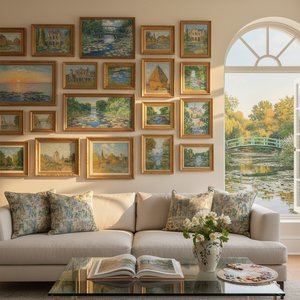
Claude Monet: Topp 25 mästerverk – Impressionismens ljus i ditt hem
Utforska Claude Monets 25 mest ikoniska målningar – från vattenliljor till soluppgång. Lär känna impressionismens mästare och hitta inspiration för ditt hem med konsttryck av högsta kvalitet på OriginalUniqueArt.com.

Bronsålderns Mästerverk: 10 Skulpturer Som Förändrade Konsthistorien | OriginalUniqueArt
Upptäck 10 legendariska brons skulpturer som revolutionerade konsthistorien! Lär känna Rodin, Michelangelo och andra mästare. Köp museumkvalitativa repliker & hitta inspiration för din inredning på OriginalUniqueArt.com.
