

 Visa i rummet
 Skicka
 Dela
Dela
 Detaljer
 Studentguide för konstverk

 Ladda ner
 Liknande objekt
 Röntgen
 Bildspel
 Besökstatistik
Shipwreck
 Acrylic On Canvas
- WallArt
- Rococo
 1759
1759- Late Medieval
 96.0 x 134.0 cm
 Groeningemuseet
 Läs mer
Handgjord oljereproduktion
Handmålad olja på duk i din valda storlek och ram, tillverkad efter beställning av våra konstnärer. ( Byt till tryckta exemplar Byt till digital bildförsäljning)




P118B Skr10

P118H Skr10

P118W Skr10

P438Z Skr10

P508JH Skr12

P508YH Skr12

P805H Skr10

P805Z Skr10

P919BZ Skr10

P919G Skr10

P919XJ Skr10

P959ZH Skr10

P968JZ Skr12

W106C Skr8

W218G Skr10

W218JH Skr8

W218Y Skr10

W307PJ Skr10

W316G Skr10

W316PJ Skr8

W316Y Skr10

W398PJ Skr8

W4111J Skr10

W500HY Skr15

W500JH Skr15

W692G Skr12

W849H Skr8

W940BG Skr15

W953PJ Skr8




Välj bland våra förinställda storlekar som motsvarar konstverkets ursprungliga proportioner.

Ange den bredd och höjd du behöver för att passa din ram eller din vägg. Eftersom detta är handmålat kan konstnären vid en annan form måla lite mer runt bilden eller beskära den något – du väljer själv. Vi skickar en digital mockup för godkännande innan målningen påbörjas. Bilden som visas på denna sida representerar inte det slutgiltiga resultatet — det är endast mockuppen som visar det.
Efter beställning kommer OriginalUniqueArt.com team att mejla kunden för instruktioner och tillhandahålla en skissförhandsvisning
Leverans över hela världen () på 3–4 veckor istället för standard 5 veckor. (23 oktober). Inga kompromisser med kvaliteten.

Fri expressfrakt över hela världen

Högkvalitativ linnecanvas

Fullständig fraktförsäkring

Garantier för återbetalning av tullavgifter

Garantier för exakt färgåtergivning

100 dagars returrätt vid fabrikationsfel

100% pengarna tillbaka-garanti

Mängdrabatt erbjuds
 Glasalternativet är endast tillgängligt i storlekar under 110 cm.

Shipwreck
Tryckteknik
Reproduktionsstorlek
-


Totalpris
Skr 2972
A Tempestuous Vision: The Shipwreck by Claude-Joseph Vernet
Claude-Joseph Vernet’s “Shipwreck” (1759) isn't merely a depiction of maritime disaster; it’s a visceral plunge into the heart of the sublime – that potent blend of terror, awe, and exhilaration evoked by confronting the raw power of nature. Painted during the height of the Rococo period in France, yet imbued with a dramatic intensity that anticipates Romanticism, this work transcends its subject matter to become a meditation on human vulnerability against an indifferent universe. The painting immediately commands attention with its dynamic composition, a swirling vortex of turbulent sea and bruised sky, pulling the viewer into the chaotic drama unfolding before them.
Vernet masterfully employs the techniques characteristic of his era – a meticulous attention to detail combined with a loose, expressive brushstroke. Notice how he renders the churning waves, not as smooth forms but as frothing crests and shadowed troughs, conveying an almost palpable sense of movement. The light is equally crucial; it’s fractured and diffused by the storm clouds, casting dramatic highlights on the wreckage and creating pools of deep shadow that heighten the feeling of unease. The artist's use of chiaroscuro – the stark contrast between light and dark – isn’t simply for aesthetic effect but serves to amplify the drama and underscore the precariousness of the scene.
Echoes of the Sublime: Rococo Meets Romanticism
“Shipwreck” occupies a fascinating space within art history. While firmly rooted in the decorative elegance of the Rococo style – evidenced by the vibrant palette, the intricate details of the ship’s rigging (though rendered with a slightly more rugged quality than typical for the period), and the overall sense of theatricality – it also foreshadows the Romantic movement's fascination with untamed nature. Vernet was deeply influenced by the philosophical ideas of Jean-Jacques Rousseau, who championed the beauty and power of the natural world as a counterpoint to the artificiality of courtly life. This painting embodies that sentiment, presenting a storm at sea not as a destructive force but as an overwhelming spectacle of sublime grandeur.
The historical context is equally important. Vernet’s work reflects the growing European interest in maritime exploration and trade during the 18th century. Shipwrecks were frequent occurrences, often resulting in significant loss of life and cargo – events that captured the public imagination. Vernet's painting taps into this collective anxiety about the perils of the sea while simultaneously celebrating its breathtaking beauty. It’s a reminder of humanity’s smallness within the vastness of the ocean.
Figures Amidst Ruin: Symbolism and Human Drama
Scattered along the rocky shoreline are several figures, rendered in stark silhouette against the brightly lit background. These aren't heroic rescuers; they are ordinary people – men and women – overwhelmed by the scale of the disaster. Their postures suggest a mixture of despair, frantic activity, and perhaps even a desperate hope for survival. Vernet doesn’t offer easy answers or moral judgments; he simply presents these individuals as witnesses to an event beyond their control. The inclusion of these human figures elevates the painting from a purely landscape study to a poignant meditation on mortality and resilience.
In the background, a partially obscured castle-like structure – likely a coastal fortress or lighthouse – adds another layer of symbolism. It represents both protection and vulnerability, suggesting that even the most formidable structures are ultimately subject to the forces of nature. The presence of this architectural element anchors the scene within a specific geographical context while simultaneously emphasizing the insignificance of human endeavors in the face of overwhelming natural power.
A Legacy of Dramatic Seascapes
Signed “C. J. Vernet” in the lower right corner, "Shipwreck" stands as a testament to Claude-Joseph Vernet’s mastery of marine painting. It's a work that continues to resonate with viewers today, not only for its technical brilliance but also for its profound exploration of human emotion and the sublime power of nature. Reproductions of this iconic image offer a captivating glimpse into a pivotal moment in art history – a moment when the Rococo’s decorative elegance yielded to the Romantic spirit's embrace of untamed beauty and dramatic intensity.
Frågor och svar
Vilken stil tillhör "Shipwreck"?
Konststilen som förknippas med "Shipwreck" av Joseph Vernet är Rococo. Denna klassificering placerar verket bland relaterade konstnärer och konstverk.
Hur balanserar "Shipwreck" ljus och mörker?
De registrerade värdena för "Shipwreck" av Joseph Vernet är: shadow i ljusstyrka, Soft Shadow i luminans.
Är "Shipwreck" ett berömt verk inom Rococo?
Inom Rococo-rörelsen har "Shipwreck" en Recognized popularitetsnivå.
Om konstnären
En Mästare av Marint Ljus: Claude-Joseph Vernets Liv och Konst
Claude-Joseph Vernet, född i Bordeaux 1714, var inte från början på väg mot de storslagna landskapen och dramatiska havsmiljöerna som skulle definiera hans arv. Hans tidigaste konstnärliga tendenser avslöjade en fascination för hästar – en passion som märktes redan i barndomen, när han skissade dessa ädla djur från fem års ålder. Denna tidiga hängivenhet åt djurisk anatomi, särskilt den hästformens, skulle subtilt informera hans senare verk och ge en dynamisk energi och realism till figurerna i bredare kompositioner. Vernets formella utbildning började under sin far, Antoine Vernet, en dekorativ målare, och Nicolas-Bernard Lépicié, vilket gav honom en solid akademisk grund innan han begav sig mot Europas konstnärliga hjärta: Rom. Det var i Italien som Vernet verkligen fann sitt kall, fångad inte bara av klassiska landskap utan också av havets råa kraft och skönhet. Synen av valar utanför Marseille kust visade sig vara avgörande, vilket tände en livslång besatthet av maritima ämnen.Från Romerska Studier till Kungliga Uppsdrag
Vernet tid i Rom handlade inte bara om att replikera befintliga stilar; det var en djupgående studie av ljus, atmosfär och samspelet mellan människan och naturen. Han absorberade influenser från mästare som Claude Lorrain och Salvator Rosa, och blandade deras tillvägagångssätt till en unik personlig vision. Medan Lorrain erbjöd idealiserad serenitet, gav Rosa dramatisk intensitet – Vernet syntetiserade skickligt dessa element och skapade scener som var visuellt slående och känslomässigt resonanta. Vid återkomsten till Frankrike 1753 fick Vernets talang snabbt erkännande. Ett avgörande ögonblick kom med ett uppdrag från Louis XV att måla en serie vyer över franska hamnar. Detta ambitiösa projekt – som så småningom omfattade femton målningar – etablerade Vernet som den främsta marinmålaren i sin tid. Dessa var inte bara topografiska register; de var suggestiva framställningar av nationellt stolthet, som visade Frankrikes maritima makt och dess koppling till havet. *Intérieur du port de Marseille* (1754) är inte bara en skildring av en livlig hamn – det är en hyllning till handel, industri och stadens pulserande livskraft.Ett Arv Smitt av Ljus och Storm
Vernet konstnärliga skicklighet låg inte bara i hans precisa återgivning av fartyg och hamnar utan också i hans mästerliga hantering av ljus och atmosfär. Han förstod hur solljuset glimmade på vattnet, hur molnen samlades före en storm och hur dessa element kunde förändra stämningen i en scen dramatiskt. Hans målningar innehåller ofta dramatiska himlar, turbulenta vatten och figurer fångade i ögonblick av både fara och motståndskraft. *A View of the Port of Naples with Mount Vesuvius in the Background* (1774) exemplifierar detta talent – det imponerande närvaron av Vesuv tornar över den livliga hamnen, en påminnelse om naturens makt samtidigt som den framhäver mänsklig aktivitet. Denna förmåga att balansera storslagenhet och intimitet är ett kännetecken för hans verk. Bortom maritima scener utforskade Vernet också landskap och jaktmotiv, alltid med ett skarpt öga för detaljer och en förståelse för djurisk anatomi – en färdighet som finslipades i hans ungdom.Familj, Inflytande och Bestående Betydelse
Den konstnärliga släktlinjen fortsatte med Vernets son, Antoine Charles Horace Vernet (även känd som Carle Vernet), som följde sin fars fotspår och uppnådde berömmelse för sina egna dynamiska bataljscener och jaktkonst. Denna familjära koppling understryker vikten av tradition och mentorskap inom den franska konstnärskretsen på 1700-talet. Claude-Joseph Vernets inflytande sträckte sig bortom hans omedelbara familj; han hjälpte till att höja landskapsmålningen till en framstående position i fransk konst. Hans verk banade vägen för kommande generationer av artister, inspirerade dem att utforska skönheten och kraften i den naturliga världen. Även om han dog 1789, på tröskeln till revolutionära förändringar, lever Vernets arv kvar. Hans målningar fortsätter att fängsla betraktare med sin atmosfäriska djup, tekniska briljans och suggestiva berättande – ett bevis på ett liv ägnat åt att fånga essensen av ljus, hav och den mänskliga anden.
Joseph Vernet
1714 - 1789 , Frankrike
Snabbfakta
- Artistic Movement Or Style: Landskap & Havsmåleri
- Artists Or Movements Influenced By This Artist: ['Antoine Charles Horace Vernet']
- Artists Who Influenced This Artist:
- Claude Lorrain
- Salvator Rosa
- Date Of Birth: 14 augusti 1714
- Date Of Death: 1789
- Full Name: Claude-Joseph Vernet
- Nationality: Fransk
- Notable Artworks:
- Intérieur du port de Marseille
- A view of the port of Naples
- Place Of Birth: Bordeaux, Frankrike
Relaterade artiklar

Rokokons mästerverk: Topp 10 konstverk som definierade epoken | OriginalUniqueArt.com
Upptäck rokokons 10 mest ikoniska mästerverk! Lär känna Boucher, Watteau & andra stora konstnärer. Vackra målningar fyllda av pastellfärger och elegans. Hitta din favorit – utforska hela kollektionen online på OriginalUniqueArt.com.
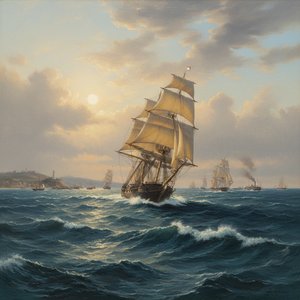
James E. Buttersworth: Navigating the Seas of Victorian Marine Painting
Explore the captivating world of James Edward Buttersworth, a foremost Victorian marine painter. Discover his meticulous ship portraits, America's Cup chronicles & enduring legacy in museums worldwide. Learn about his technique and style.
Frakt och returer
APS levererar expert konstfrakt över hela världen med vård på museumnivå, full spårning och en 100-dagars pengarna-tillbaka-garanti. Från tullstöd till Priority Production, lita på en transparent tjänst, säker förpackning och pålitlig leverans för samlare, formgivare och gallerier.

The Rococo Aesthetic: Opulence, Rebellion & the Pursuit of Pleasure in 18th-Century Art
Explore the opulent world of Rococo art! Discover its origins, key artists like Watteau & Boucher, and lasting influence on design. Expert insights for collectors & enthusiasts.
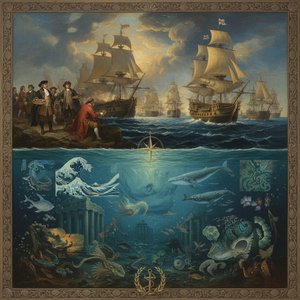
Navigating the Depths of Representation: A Historical Exploration of Marine Painting
Explore the rich history of marine painting with OriginalUniqueArt. Discover Dutch Masters, Romantic seascapes & renowned artists like Wyllie and Harris. Expert guidance for collectors & custom reproductions.


