Förhandsvisa
 Skicka
 Dela
Dela
 Visa detaljer
 Guide
Guide

 Ladda ner
 Liknande objekt
 Röntgen
 Bildspel
 Frågor och svar
 Statistik
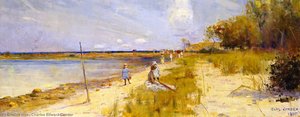
Springtime


 Visa mer
Giclée / Konsttryck
Giclée- eller canvasprint av museumskvalitet med snabb produktion och flexibla ytbehandlingsalternativ. ( Beställ handmålad reproduktion Byt till digital bild)




P118B Skr10

P118H Skr10

P118W Skr10

P438Z Skr10

P508JH Skr12

P508YH Skr12

P805H Skr10

P805Z Skr10

P919BZ Skr10

P919G Skr10

P919XJ Skr10

P959ZH Skr10

P968JZ Skr12

W106C Skr8

W218G Skr10

W218JH Skr8

W218Y Skr10

W307PJ Skr10

W316G Skr10

W316PJ Skr8

W316Y Skr10

W398PJ Skr8

W4111J Skr10

W500HY Skr15

W500JH Skr15

W692G Skr12

W849H Skr8

W940BG Skr15

W953PJ Skr8




Välj bland våra förinställda storlekar som motsvarar konstverkets ursprungliga proportioner.

Ange den bredd och höjd du behöver för att passa din ram eller vägg. Ett tryck kan endast beskäras, aldrig göras större än originalbilden, vilket innebär att ett format med en annan proportion leder till att en del av bilden går förlorad. Vi skickar en digital mockup för godkännande innan vi påbörjar tryckningen. Bilden som visas på denna sida visar inte den faktiska beskärningen — det är endast mockuppen som gör det.
Leverans över hela världen () på 2 veckor istället för standard 4/5 veckor. (10 november)

Fri expressfrakt över hela världen

Högkvalitativ linnecanvas

Fullständig fraktförsäkring

Garantier för återbetalning av tullavgifter

Garantier för exakt färgåtergivning

100 dagars returrätt (endast vid fel)

100% pengarna tillbaka-garanti

Mängdrabatt erbjuds
 Glasalternativet är endast tillgängligt i storlekar under 110 cm.

Springtime
Giclée / Konsttryck
Storlek på reproduktion
-


Slutgiltigt pris
Skr 813
Charles Edward Conder’s “Springtime,” A Window into Heidelberg’s Soul
Charles Edward Conder's "Springtime," painted in 1888, isn’t merely a depiction of a rural scene; it’s a vibrant distillation of the Heidelberg School’s artistic philosophy – a celebration of light, color, and the fleeting beauty of the Australian landscape. This oil on canvas captures a moment of idyllic tranquility nestled within the rolling hills of New South Wales, yet it resonates with a deeper sense of observation and emotional resonance that distinguishes Conder's work from purely topographical representations.
The painting immediately draws the eye to the luminous quality of the light, characteristic of the Heidelberg School’s approach. Conder masterfully employs broken brushstrokes and a palette dominated by greens, blues, and yellows – not in a photographic realism, but rather as an expression of how these colors *feel* under the intense Australian sun. The composition is deceptively simple: a meandering dirt track cuts through a field dotted with grazing sheep and cows, leading towards distant trees that are rendered with a hazy, atmospheric quality. A small group of figures – likely children – are visible in the foreground, adding a touch of human presence to this otherwise serene vista.
The Heidelberg School and its Artistic Roots
To fully appreciate “Springtime,” it’s crucial to understand the context within which Conder was working. The Heidelberg School, emerging in Melbourne during the 1880s, represented a significant shift away from the academic traditions of European art that had previously dominated Australian painting. Artists like Conder, Tom Roberts, and Frederick McCubbin sought inspiration directly from the Australian landscape, rejecting idealized representations in favor of capturing its raw beauty and inherent drama. They embraced *plein air* painting – working outdoors directly from nature – a technique championed by Impressionist painters in Europe.
Conder’s early life, marked by his mother's death in India and subsequent relocation to England before returning to Australia, undoubtedly shaped his artistic sensibility. His experiences as a surveyor instilled a keen eye for detail and an appreciation for the natural world, while his time spent studying art in London exposed him to the burgeoning Impressionist movement. However, Conder ultimately forged his own unique style, blending European influences with a distinctly Australian perspective.
Symbolism and Emotional Resonance
Beyond its picturesque subject matter, “Springtime” is rich in symbolic meaning. The dirt track suggests a journey – perhaps a metaphorical one – while the grazing animals represent the bounty of the land. The figures in the foreground invite us to contemplate our relationship with nature and the simple pleasures of rural life. There’s an underlying sense of nostalgia for a bygone era, a yearning for connection with the earth and its rhythms.
The hazy atmosphere and diffused light contribute significantly to the painting's emotional impact. It evokes a feeling of warmth, tranquility, and perhaps even melancholy – a recognition that such moments of beauty are fleeting and precious. Conder’s use of color is particularly effective in conveying this mood, creating a sense of depth and luminosity that draws the viewer into the scene.
A Legacy of Australian Impressionism
“Springtime” stands as a pivotal work in the development of Australian Impressionism. It exemplifies the Heidelberg School’s commitment to capturing the essence of the Australian landscape with vibrant color, loose brushwork, and an emphasis on light and atmosphere. Conder's ability to imbue his paintings with both visual beauty and emotional depth cemented his place as one of Australia’s most important artists. Reproductions of this captivating work continue to resonate with audiences today, offering a glimpse into the soul of Heidelberg and the enduring appeal of the Australian landscape.
Frågor och svar
Vilken är den emotionella tonen i "Springtime" av Charles Edward Conder?
"Springtime" förknippas med en Tranquil känsla. Den emotionella tonen beskriver det intryck som verket förmedlar.
Hur välkänd är "Springtime" av Charles Edward Conder?
Popularitetsnivån för "Springtime" av Charles Edward Conder är Recognized.
När skapades "Springtime" av Charles Edward Conder och vilken stil tillhör det?
"Springtime" av Charles Edward Conder är daterat till 1888 och tillhör Heidelberg School.
Konstnärsbiografi
tidigt liv och konstnärlig resa
charles edward conder, en brittiskt född målare, litograf och designer, lämnade ett outplånligt avtryck i konstvärlden. Conder föddes i tottenham, middlesex, den 24 oktober 1868, och hans tidiga barndom präglades av tragiken när hans mor gick bort i indien när han bara var fyra år gammal.konstnärlig karriär i australien
År 1884, vid 16 års ålder, flyttade Conder till sydney, australien, där han arbetade för sin farbror som lantmätare. Han upptäckte dock snart att hans sanna passion låg i att avbilda landskapet snarare än att mäta det. Redan 1886 hade han blivit konstnär för illustrated sydney news, vid sidan av framstående konstnärer som albert henry fullwood och frank mahony.heidelbergskolan och betydande verk
Conders mästerverk, departure of the orient – circular quay (1888), uppvisade hans nyvunna mästerskap inom form och penseldrag. Denna scen från kajkanten, som skildrar den livliga hamnen vid sydney cove, köptes snabbt upp av art gallery of new south wales, vilket gjorde det till Conders första verk som kom in i en offentlig samling.- a holiday at mentone (1888), en livsbejakande målning som visar män och kvinnor som kopplar av på stranden, är ytterligare ett framstående exempel på Conders arbete.
- Conders koppling till g. p. nerli, en kringresande italiensk målare, påverkade hans konstnärliga utveckling avsevärt.
- Hans bidrag till 9 by 5 impression exhibition i melbourne, tillsammans med tom roberts och arthur streeton, befäste hans position inom heidelbergskolan.
arv och senare liv
Conders senare år plågades av dålig hälsa, inklusive förlamning och perioder av delirium tremens. Trots detta fortsatte han att måla och lämnade efter sig ett arv som en nyckelfigur inom heidelbergskolan. Hans konst togs emot bättre i england än i paris, och hans porträtt målades av henri de toulouse-lautrec år 1892. se conders verk på art gallery of new south wales eller utforska mer om heidelbergskolan på OriginalUniqueArts sida om charles edward conder.- upptäck mer om Conders liv och verk på wikipedias sida om charles conder.
- utforska OriginalUniqueArts samling av Conders målningar, inklusive a holiday at mentone (1888) och departure of the orient – circular quay (1888), på OriginalUniqueArts webbplats.
slutsats
charles edward conder:s inverkan på australisk impressionism är obestridlig. Hans arv, präglat av hans fängslande målningar och hans koppling till heidelbergskolan, fortsätter att inspirera konstentusiaster över hela världen.
Charles Edward Conder
1868 - 1909 , Storbritannien
Kortfakta
- Artistic Movement Or Style: Heidelberg School
- Artists Who Influenced This Artist:
- Alfred Daplyn
- Victor Mann
- Julian Ashton
- Date Of Birth: October 24, 1868
- Date Of Death: February 9, 1909
- Full Name: Charles Edward Conder
- Nationality: British
- Notable Artworks:
- Departure of the Orient – Circular Quay
- A holiday at Mentone
- Under The Southern Sun
- Place Of Birth: Tottenham, United Kingdom
Relaterade artiklar

The Sublime Landscape: Exploring the Hudson River School Movement
Explore the captivating world of the Hudson River School! Discover the history, artists, and defining characteristics of this iconic American art movement. Learn about Romanticism's influence & find inspiration for your collection.

Romantiska landskap: Topp 10 mästerverk som definierade en epok – OriginalUniqueArt.se
Utforska de 10 mest ikoniska mästerverken inom romantisk landskapsmålning! Lär känna Caspar David Friedrich, Turner & andra. Hitta inspiration och köp museumkvalitativa konsttryck på OriginalUniqueArt.com.

Evoking Nature's Sublime: A Comprehensive Exploration of 19th-Century Landscape Painting
Explore the captivating world of 19th-century landscape painting! Discover renowned artists like Friedrich & Monet, key movements, and find the perfect artwork to bring nature's serenity into your home. Expert insights at OriginalUniqueArt.

Evocations of Place: A Historical Journey Through Landscape Art
Explore the rich history of landscape art with OriginalUniqueArt. Discover renowned artists, movements like Impressionism & Romanticism, and expert guidance for collecting timeless pieces. Find your perfect serene escape today!

Evocations of Place: A Historical Journey Through Landscape Art
Explore the rich history of landscape art with OriginalUniqueArt. Discover renowned artists, movements like Impressionism & tonalism, and expert guidance for collecting timeless pieces. Find your perfect serene escape today!