

 Förhandsvisa
 Skicka
 Dela
Dela
 Visa detaljer

 Ladda ner
 Liknande objekt
 Röntgen
 Bildspel
A Flower Study
 Impressionism
 42.0 x 34.0 cm
 Visa mer
Handgjord oljereproduktion
Handmålad olja på duk i din valda storlek och ram, tillverkad efter beställning av våra konstnärer. ( Beställ tryck Köp högupplöst bild)




































Välj bland våra förinställda storlekar som motsvarar konstverkets ursprungliga proportioner.

Du kan ange egna mått för att passa en specifik ram eller yta. Om den valda storleken inte matchar originalbildens proportioner kommer vi antingen att beskära konstverket eller utöka målningen med ytterligare handmålade element. En digital skiss skickas till dig för godkännande innan produktionen påbörjas.
Observera att förhandsvisningen på skärmen inte återspeglar den faktiska beskärningen eller utökningen. Endast skissen visar den slutgiltiga kompositionen korrekt.
Även om anpassade storlekar är möjliga, rekommenderar vi att du väljer en dimension från den fördefinierade listan för att bevara originalproportionerna.
Efter beställning kommer OriginalUniqueArt.com team att mejla kunden för instruktioner och tillhandahålla en skissförhandsvisning
Leverans över hela världen () på 3–4 veckor istället för standard 5 veckor. (22 augusti). Inga kompromisser med kvaliteten.

Fri expressfrakt över hela världen

Högkvalitativ linnecanvas

Fullständig fraktförsäkring

Garantier för återbetalning av tullavgifter

Garantier för exakt färgåtergivning

60 dagars returrätt (endast vid fabrikationsfel)

100% pengarna tillbaka-garanti

Mängdrabatt erbjuds
 Glasalternativet är endast tillgängligt i storlekar under 110 cm.

A Flower Study
Reproduktionsmedium
Storlek på reproduktion
-


Slutgiltigt pris
$ 300
Konstnärsbiografi
Charles Andrew Sellar: A Scottish Visionary of the Late Victorian Era
Charles Andrew Sellar (1855-1926) emerges from the artistic landscape of late 19th and early 20th century Scotland as a quietly significant figure, a painter whose work reflects both the romantic traditions of his era and a burgeoning interest in capturing the essence of his native land. While not achieving widespread fame during his lifetime, Sellar’s portraits and landscapes, particularly those depicting scenes from the Scottish Highlands and coastal regions, offer a compelling glimpse into a world undergoing rapid change – industrialization alongside a persistent reverence for rural heritage.
Born in Edinburgh, Sellar's early life was shaped by the artistic environment of his family. His father, Patrick Sellar, served as factor to the Duke of Sutherland, an association that exposed young Charles to the grandeur and complexities of Highland society. This exposure undoubtedly influenced his later depictions of castles like Huntingtower Castle, which he rendered with a meticulous attention to detail and a subtle awareness of their historical weight. His mother, Jane Plenderleath Sellar, was a talented artist in her own right, further nurturing Charles’s artistic inclinations. He received formal training at Loretto School and the Edinburgh Academy, laying the groundwork for his developing skills.
Sellar's artistic journey began with studies in London, where he immersed himself in the prevailing trends of the day – the academic style championed by the Royal Academy and the burgeoning Impressionist movement. However, it was upon returning to Scotland that Sellar truly found his voice. He established a studio in Dundee, a city renowned for its thriving art scene and shipbuilding industry, which provided him with access to a diverse range of subjects and patrons. His work during this period is characterized by a refined draftsmanship combined with a sensitive understanding of light and color – elements that would become hallmarks of his style.
The Palette of the Highlands: Sellar’s Landscapes
Sellar's landscapes are arguably his most enduring legacy. He possessed an exceptional ability to capture the dramatic beauty of the Scottish Highlands, not merely as a picturesque backdrop but as a living, breathing entity imbued with history and character. His paintings aren’t simply representations; they’re evocations – attempts to convey the mood, atmosphere, and spirit of the region. He frequently depicted scenes of rugged mountains, shimmering lochs, and windswept moorlands, often populated by figures engaged in traditional Highland pursuits like hunting or fishing.
A particularly notable example is “Landscape near Amulree,” a painting that exemplifies Sellar’s meticulous approach to landscape composition. The scene unfolds with a careful balance of detail and atmospheric perspective, drawing the viewer into a world of muted colors and subtle textures. The inclusion of figures adds a human element to the vastness of the landscape, suggesting a connection between people and their environment – a theme that resonated strongly within Scottish artistic traditions.
His depictions of coastal scenes are equally compelling, capturing the raw power of the North Sea and the dramatic interplay of light and shadow on the rugged coastline. These works demonstrate his mastery of color and his ability to translate the fleeting effects of weather into vibrant brushstrokes.
Portraits of a Changing Scotland
Beyond landscapes, Sellar was also a skilled portrait painter. He produced numerous portraits of prominent figures from Scottish society – landowners, merchants, and members of the local elite. These portraits offer valuable insights into the social and cultural dynamics of his time. His portraits are not merely likenesses; they’re carefully constructed representations that reveal something about the sitter's personality, status, and aspirations.
One particularly striking portrait is “Lord Provost Charles Scott,” a study in formal elegance and understated dignity. Sellar captures the subject’s bearing with remarkable precision, conveying both his authority and his quiet intelligence. The composition – the careful arrangement of clothing, accessories, and background elements – speaks volumes about the conventions of portraiture during the Victorian era.
His portraits often reflect a keen eye for detail, capturing not just physical appearance but also subtle expressions and gestures that reveal the sitter’s inner life. He skillfully employed light and shadow to create depth and drama, adding layers of meaning to his representations of human subjects.
Influences and Legacy
Sellar's artistic development was shaped by a confluence of influences – the traditions of Scottish painting, the trends of the European art world, and the social and cultural context of his time. He drew inspiration from the romantic landscapes of artists like Turner and Constable, while also absorbing elements of Impressionism and Realism. His work is often described as belonging to the “Scottish Colourist” movement, although he predates many of its most prominent figures.
Despite not achieving widespread fame during his lifetime, Sellar’s paintings are now recognized for their technical skill, atmospheric quality, and evocative power. His works can be found in public collections across Scotland, including the Dundee Art Galleries and Museums Collection. Charles Andrew Sellar's legacy lies in his ability to capture the beauty and spirit of his native land – a testament to the enduring appeal of Scottish art.
Further research into Charles Andrew Sellar’s work can be found at Art UK and Wikimedia Commons.

charles andrew sellar
1855 - 1926
Kortfakta
- Artistic Movement Or Style: Portraiture, Landscape
- Artists Or Movements Influenced By This Artist: ['None specified']
- Artists Who Influenced This Artist: ['William Barclay']
- Date Of Birth: 1855
- Date Of Death: 1926
- Full Name: Charles Andrew Sellar
- Nationality: Scottish
- Notable Artworks:
- Landscape near Amulree
- Lord Provost Charles Scott
- A Flower Study
- Place Of Birth: WahooArt, Scotland
Relaterade artiklar

The Enduring Legacy of Oil on Canvas: Technique, History & Aesthetic Impact
Explore the rich history & techniques of oil painting – from Renaissance masters to Impressionism. Discover pigments, layering methods, and why this timeless medium endures. Expert insights for artists & art enthusiasts.
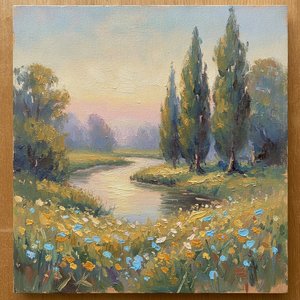
The Timeless Charm of Oil on Board: Reimagining Texture and Light through the Impressionist Lens
Discover the profound intimacy of oil on panel. Explore how Impressionist masters used rigid supports to capture light, texture, and impasto depth through exquisite, handmade oil reproductions for discerning collectors.
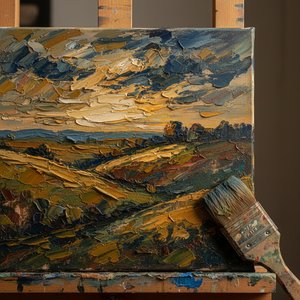
The Timeless Beauty of Oil on Canvas: A Masterclass in Texture, Impasto, and Artistic Mastery
Discover the profound allure of oil on canvas. Explore the mastery of impasto textures, the science of pigment longevity, and expert guides to selecting museum-quality reproductions that elevate your collection with timeless elegance and tactile depth.
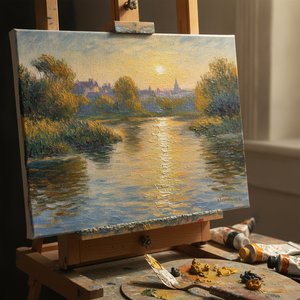
The Soul of Impressionism: Why Oil on Canvas Captures Eternal Light and Timeless Emotion
Discover the enchanting alchemy of Impressionism. Explore how the mastery of oil on canvas, through glazing and impasto, captures eternal light and emotion. Perfect for lovers of Monet and Van Gogh seeking the profound depth of hand-painted fine art.
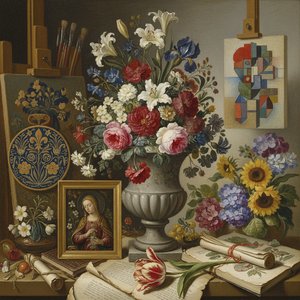
Blossoming Symbolism: A Historical Journey Through Flowers in Western Painting
Explore the rich history of flower symbolism in Western painting! Discover how artists from the Renaissance to Modernism used blossoms to convey meaning, emotion & beauty. Learn about iconic artworks and movements.


_-_William_Barclay_(1831%E2%80%931906),_Artist_-_165-1912_-_Dundee_Art_Galleries_and_Museums.jpg)