
 Förhandsvisa
 Skicka
 Dela
Dela
 Visa detaljer
 Guide
Guide

 Ladda ner
 Liknande objekt
 Röntgen
 Bildspel
 Q&A
Q&A Statistik
Halt of the Hunt

- 59.0 x 50.0 cm


 Visa mer
Giclée / Konsttryck
Giclée- eller canvasprint av museumskvalitet med snabb produktion och flexibla ytbehandlingsalternativ. ( Beställ handmålad reproduktion Byt till digital bild)




P118B Skr10

P118H Skr10

P118W Skr10

P438Z Skr10

P508JH Skr12

P508YH Skr12

P805H Skr10

P805Z Skr10

P919BZ Skr10

P919G Skr10

P919XJ Skr10

P959ZH Skr10

P968JZ Skr12

W106C Skr8

W218G Skr10

W218JH Skr8

W218Y Skr10

W307PJ Skr10

W316G Skr10

W316PJ Skr8

W316Y Skr10

W398PJ Skr8

W4111J Skr10

W500HY Skr15

W500JH Skr15

W692G Skr12

W849H Skr8

W940BG Skr15

W953PJ Skr8




Välj bland våra förinställda storlekar som motsvarar konstverkets ursprungliga proportioner.

Ange den bredd och höjd du behöver för att passa din ram eller vägg. Ett tryck kan endast beskäras, aldrig göras större än originalbilden, vilket innebär att ett format med en annan proportion leder till att en del av bilden går förlorad. Vi skickar en digital mockup för godkännande innan vi påbörjar tryckningen. Bilden som visas på denna sida visar inte den faktiska beskärningen — det är endast mockuppen som gör det.
Leverans över hela världen () på 2 veckor istället för standard 4/5 veckor. (31 oktober)

Fri expressfrakt över hela världen

Högkvalitativ linnecanvas

Fullständig fraktförsäkring

Garantier för återbetalning av tullavgifter

Garantier för exakt färgåtergivning

100 dagars returrätt (endast vid fel)

100% pengarna tillbaka-garanti

Mängdrabatt erbjuds
 Glasalternativet är endast tillgängligt i storlekar under 110 cm.

Halt of the Hunt
Giclée / Konsttryck
Storlek på reproduktion
-


Slutgiltigt pris
Skr 803
A Glimpse into Rococo Splendor
In the delicate dance of light and shadow captured within Charles-André van Loo’s 1737 masterpiece, “Halt of the Hunt,” we are transported to the very heart of the French aristocracy during the reign of Louis XV. This exquisite oil sketch is far more than a mere depiction of a midday respite; it serves as a window into an era defined by opulence, grace, and the pursuit of pleasure. The scene unfolds with a choreographed elegance, presenting a group of noblemen and ladies gathered around a table laden with delicacies. As they pause amidst their hunting expedition, the atmosphere is thick with the refined leisure of the court, inviting the viewer to step into a world where every gesture is poised and every detail is a testament to high society's splendor.
The composition is masterfully balanced, utilizing the presence of two loyal dogs to anchor the scene. These animals are not merely incidental; they serve as profound symbols of nobility and fidelity, mirroring the very virtues held dear by the aristocratic class of the eighteenth century. As the figures mingle around the feast, the interplay between the lush, natural backdrop and the sophisticated attire of the guests creates a captivating tension between the wildness of the hunt and the controlled refinement of civilization.
Mastery of Technique and Rococo Elegance
Van Loo’s technical prowess is on full display through his signature Rococo style, a movement characterized by its emphasis on beauty, ornament, and lightheartedness. The artist employs a breathtakingly delicate technique, utilizing thin glazes layered upon one another to achieve a luminous, almost ethereal quality. This method allows for a remarkable tonal subtlety, where the pastel hues of the drapery seem to glow from within, capturing the soft, filtered light of a forest clearing. Through the skillful application of sfumato, Van Loo softens the edges of the landscape, creating an atmospheric depth that pulls the observer into this idealized, dreamlike realm.
For the discerning collector or interior designer, the visual impact of this work lies in its ability to evoke emotion through texture and color. The meticulous attention to detail—from the glint of a silver cup to the intricate folds of silk garments—provides a sensory richness that elevates the painting from a historical document to a living piece of art. The brushwork is fluid yet precise, conveying a palpable sense of carefree enjoyment and the effortless sophistication that defines the Rococo spirit.
An Enduring Legacy for Modern Spaces
Historically, this work holds immense significance as a preparatory study for a much larger canvas destined for the prestigious Château de Fontainebleau. It represents the height of French artistic ambition, born from a period of intense innovation and royal patronage. To possess a high-quality reproduction of “Halt of the Hunt” is to bring a piece of history into the contemporary home, offering a sophisticated focal point that speaks of timeless elegance.
Whether placed in a grand dining hall to echo its original purpose or used as a subtle accent in a curated gallery wall, this painting offers an unparalleled sense of prestige. It provides an infusion of classical charm and warmth, making it an ideal choice for those looking to inspire awe and conversation. The artwork does not merely decorate a room; it transforms the space, imbuing it with the romanticism, light, and aristocratic charm of a bygone golden age.
Frågor och svar
Var i Charles André van Loos karriär placeras "Halt of the Hunt", med tanke på dess datum?
Årtalet 1737 placerar "Halt of the Hunt" i Mature Rococo Style av Charles André van Loos konstnärliga utveckling.
Hur förhåller sig "Halt of the Hunt" till Charles André van Loos återkommande motiv?
"Halt of the Hunt" skildrar hunting, aristocracy, banquet, fête galante, elegant picnic, servant costume, french royalty, classical painting, medan Charles André van Loos dokumenterade teman är watteau’s fêtes galantes influence, aristocratic leisure themes, royal patronage significance, classical tradition reflection. En jämförelse mellan dessa visar hur verket förhåller sig till konstnärens vanliga motiv.
Kan "Halt of the Hunt" av Charles André van Loo, som finns i samlingen på Metropolitan Museum of Art, reproduceras lagligt?
"Halt of the Hunt" av Charles André van Loo, som finns på Metropolitan Museum of Art, är allmän egendom – upphovsrätten har löpt ut. Denna status avgör om reproduktioner av bilden får framställas.
Konstnärsbiografi
Early Life and Training
Charles André van Loo (Carle van Loo), född 15 februari 1705 i Nice, Frankrike och död 15 juli 1765 i Paris, var en fransk målare och gravör. Han var son till konstnären Louis van Loo och från 1733 gift med sångaren Cristina Somis samt far till Jules-César-Denis van Loo. Efter att hans far avled 1712 reste han till sin äldre bror Jean-Baptiste i Turin, där övervakade Jean-Baptiste hans utbildning till målare. Detta betydande familjeband präglade hela hans konstnärliga utveckling och gav honom en stark grund för framtida verk. Initialt fick Carle sina första läxor i konst från Benedetto Luti i Turin innan han sedan följde efter sin bror till Rom år 1719, där han studerade under Pierre Legros och vidareutvecklade sina färdigheter inom den italienska konsttraditionen. Detta tidiga fokus på klassisk utbildning skulle senare komma att påverka hans stil och teknik genom hela hans karriär.Artistic Career and Notable Works
Van Loo utvecklades till en av Rococo-periodens mest framstående konstnärer, vilket återspeglas i hans omfattande produktion och den höga kvaliteten på hans verk. Hans konstnärliga stil kännetecknas av elegans, grace och detaljrikedom – egenskaper som är typiska för denna estetiskt präglade rörelse. Han arbetade främst inom målning och skapade ett imponerande antal porträtt samt allegoriska och historiska bilder som fångar upp atmosfären och värderingarna i sin tid. Bland hans mest berömda verk finns bland annat *Venus och Amor* vid Kunsthalle Bremen, där han visar upp sin maestria över Rococo-tekniken och där användningen av ljus och färg skapar en känsla av rörelse och dynamik. Dessutom är *Halt of the Hunt* vid The Metropolitan Museum of Art ett exempel på hans förmåga att skapa komplexa scenbilder som återspeglar aristokratiska aktiviteter och sociala ritualer. Hans porträtt av Marie Leszczynska, drottningen av Frankrike, är ett viktigt dokument över den kungliga kulturen och konstnärligheten under Louis XV:s regeringstid och visar upp hans skicklighet i att fånga subjektets karaktär och personlighet. Han målade även *Jupiter och Antiope*, vilket illustrerar klassisk mytologi och där användningen av komposition och färger förstärker berättelsen och dess symboliska betydelse. Självporträttet erbjuder ett fascinerande perspektiv på konstnären själv och hans självbild, samtidigt som verk som *Perseus och Andromeda* visar upp hans förmåga att skapa dramatiska och engagerande bilder från klassisk mytologi. Mademoiselle Clairon som Medea är ett mindre verk men ändå ett exempel på hans förmåga till detaljrikedom och känslomässig djup.Patronage and Royal Recognition
Van Loo hade lyckan att få stöd av Madame de Pompadour och den franska hovet, vilket möjliggjorde honom att skapa konstverk som tjänade både estetiska och politiska syften. Detta stöd var särskilt viktigt för hans utveckling som konstnär och gav honom möjlighet att utforska nya idéer och tekniker utan begränsningar av ekonomisk oro. Hans uppdrag från hovet inkluderar många stora dekorativa projekt och offentliga monument, vilket ytterligare förstärker hans rykte som en av sina tids mest produktiva och inflytelserika konstnärer. Han blev senare direktör för Académie Royale de Peinture et de Sculpture i Paris år 1763 och fick därigenom ett prestigefullt uppdrag att främja konstnärlig utbildning och utveckling samt att påverka den franska konstkulturen. Detta erkännande från kungliga myndigheter är ett viktigt vittnesmål om hans betydelse för sin tid och hans konstnärliga arv överträds än idag. Han erhöll även Order of Saint Michael, vilket var en högsta möjliga utmärkelse och ett tecken på kunglig välvilja och respekt för hans arbete.Influences and Legacy
Van Loo var starkt påverkad av sina föräldrar och bror, vilka båda var framstående konstnärer och som förmedlade till honom en djup kärlek till konst och dess historia. Detta familjeband präglade hela hans konstnärliga utveckling och gav honom inspiration från både italienska och nederländska konsttraditioner. Han konkurrerade med andra betydande Rococo-konstnärer, särskilt François Boucher, och deras verk är ofta jämförda och analyserats för att förstå de estetiska och tekniska skillnaderna mellan dessa två mästare. Trots vissa kritik från samtida anses Van Loo vara en av de viktigaste representanterna för den moderna franska skolan av målning och hans stil har haft ett långtgående inflytande på senare konstnärliga utvecklingar. Hans precision, detaljrikedom och användning av ljus och färg är särskilt viktiga kvaliteter som har inspirerat många efterkommande konstnärer och bidragit till att skapa en unik estetisk tradition inom den franska konstkulturen. Hans verk finns idag i museer över hela världen och fortsätter att fascinera publiken med sin elegans och sitt tekniska briljans.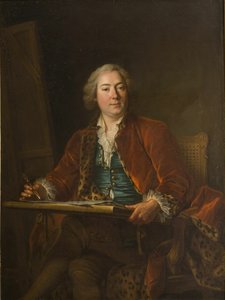
Charles André van Loo
1705 - 1765 , Frankrike
Kortfakta
- Artistic Movement Or Style: Rococo måleri
- Artists Who Influenced This Artist:
- Benedetto Luti
- Pierre Le Gros
- Date Of Birth: Feb 15, 1705
- Full Name: Charles-André van Loo
- Nationality: Fransk
- Notable Artworks:
- Venus och Amor
- Halt av jakten
- Porträtt av Marie Leszczynska
- Place Of Birth: Nice, France
Relaterade artiklar

The Allure of Elegance in Art: A Historical & Aesthetic Exploration of Refinement & Grace
Explore the exquisite world of Rococo art! Discover its history, masters (Watteau, Boucher & more), and defining elegance. Expert insights for collectors seeking museum-quality reproductions & custom portraits.

The Rococo Aesthetic: Opulence, Rebellion & the Pursuit of Pleasure in 18th-Century Art
Explore the opulent world of Rococo art! Discover its origins, key artists like Watteau & Boucher, and lasting influence on design. Expert insights for collectors & enthusiasts.

The Fête Galante & Beyond: Exploring the Artistic World of Jean-Antoine Watteau
Discover the captivating world of Jean-Antoine Watteau, master of the Fête Galante! Explore his iconic paintings, symbolism, and lasting influence on Rococo art. A deep dive for classic art enthusiasts.
The Rococo Style: Aristocratic Leisure & the Pursuit of Delight in 18th-Century Art
Explore the opulent world of Rococo art! Discover Watteau, Boucher & Nattier's masterpieces. Expert insights for collectors seeking museum-quality reproductions and custom portraits at OriginalUniqueArt.

Rokokons mästerverk: Topp 10 konstverk som definierade epoken | OriginalUniqueArt.com
Upptäck rokokons 10 mest ikoniska mästerverk! Lär känna Boucher, Watteau & andra stora konstnärer. Vackra målningar fyllda av pastellfärger och elegans. Hitta din favorit – utforska hela kollektionen online på OriginalUniqueArt.com.


