
![Landscape At Céret [paysage À Céret] — Chaim Soutine](/media/artworks/images-full/35/5a/355a615cc0de7aff615dd914cfa996d2.jpg)
 Visa i rummet
 Skicka
 Dela
Dela
 Detaljer
 Studentguide för konstverk

 Ladda ner
 Liknande objekt
 Röntgen
 Bildspel
 Besökstatistik
Landscape at Céret [Paysage à Céret]
 Acrylic On Canvas
- WallArt
- Expressionism
 1922
1922- Modern
 79.0 x 87.0 cm
 Nagoya City Art Museum
 Läs mer
Handgjord oljereproduktion
Handmålad olja på duk i din valda storlek och ram, tillverkad efter beställning av våra konstnärer. ( Byt till tryckta exemplar Byt till digital bildförsäljning)




P118B Skr10

P118H Skr10

P118W Skr10

P438Z Skr10

P508JH Skr12

P508YH Skr12

P805H Skr10

P805Z Skr10

P919BZ Skr10

P919G Skr10

P919XJ Skr10

P959ZH Skr10

P968JZ Skr12

W106C Skr8

W218G Skr10

W218JH Skr8

W218Y Skr10

W307PJ Skr10

W316G Skr10

W316PJ Skr8

W316Y Skr10

W398PJ Skr8

W4111J Skr10

W500HY Skr15

W500JH Skr15

W692G Skr12

W849H Skr8

W940BG Skr15

W953PJ Skr8




Välj bland våra förinställda storlekar som motsvarar konstverkets ursprungliga proportioner.

Ange den bredd och höjd du behöver för att passa din ram eller din vägg. Eftersom detta är handmålat kan konstnären vid en annan form måla lite mer runt bilden eller beskära den något – du väljer själv. Vi skickar en digital mockup för godkännande innan målningen påbörjas. Bilden som visas på denna sida representerar inte det slutgiltiga resultatet — det är endast mockuppen som visar det.
Efter beställning kommer OriginalUniqueArt.com team att mejla kunden för instruktioner och tillhandahålla en skissförhandsvisning
Leverans över hela världen () på 3–4 veckor istället för standard 5 veckor. (23 oktober). Inga kompromisser med kvaliteten.

Fri expressfrakt över hela världen

Högkvalitativ linnecanvas

Fullständig fraktförsäkring

Garantier för återbetalning av tullavgifter

Garantier för exakt färgåtergivning

100 dagars returrätt vid fabrikationsfel

100% pengarna tillbaka-garanti

Mängdrabatt erbjuds
 Glasalternativet är endast tillgängligt i storlekar under 110 cm.
![Landscape at Céret [Paysage à Céret]](/static/images/originaluniqueart/artworks/painting.a1e74a1cb7dc.png)
Landscape at Céret [Paysage à Céret]
Tryckteknik
Reproduktionsstorlek
-


Totalpris
Skr 2975
Landscape at Céret by Chaim Soutine: A Vision of Turbulent Beauty
Chaim Soutine’s “Landscape at Céret” is more than just a depiction of a Pyrenean hillside; it's a visceral expression of the artist’s inner turmoil and a testament to his singular artistic vision. Painted in 1922, during a pivotal period of his career, this work embodies the raw emotion that would come to define Soutine’s oeuvre – a style characterized by intensely expressive brushwork, distorted forms, and a profound engagement with the psychological landscape.
- Subject Matter: The painting presents a dramatic mountain scene dominated by gnarled trees ablaze with autumnal hues. A small village nestles amongst the foliage, adding a touch of human presence to the otherwise imposing natural world.
- Historical Context: Soutine’s time in Céret was profoundly influential. Following World War I, he sought refuge and creative renewal in this region, a place already associated with artistic innovation – notably, the Cubist explorations of Picasso and Braque. His relationship with art dealer Zachari Zborowski proved crucial to his success, providing both support and access to the Parisian art market.
A Style Forged in Emotion: Soutine’s Technique
Soutine's technique is immediately arresting. He employs a dynamic, almost violent brushstroke – thick impasto applied with a frenetic energy that seems to capture the very essence of movement and instability. The trees aren’t rendered realistically; instead, they are monumentalized, their branches twisting and reaching like tormented limbs. This distortion isn't merely stylistic; it reflects Soutine’s emotional state, his struggle to reconcile beauty with suffering.
- Impasto Technique: The heavy application of paint (impasto) creates a tactile surface, inviting the viewer to engage physically with the artwork.
- Color Palette: Dominated by yellows, ochres, and browns, the color palette evokes a sense of heat, intensity, and perhaps even decay – mirroring the themes of mortality and transformation often present in Soutine’s work.
- Brushwork: The swirling, directional brushstrokes create a powerful sense of movement and energy, drawing the eye across the canvas and contributing to the painting's overall feeling of unease.
Symbolism and Emotional Resonance
"Landscape at Céret" is laden with symbolic weight. The towering trees can be interpreted as representing both strength and vulnerability, while the solitary figure gazing out towards the viewer suggests a sense of isolation and contemplation. The chaotic arrangement of elements – the distorted forms, the intense colors – reflects Soutine’s own psychological state, hinting at the anxieties and uncertainties that permeated his life. The painting speaks to themes of memory, loss, and the struggle for meaning in a world often perceived as hostile or absurd.
- Interpretation: The scene can be seen as a reflection of Soutine's own emotional landscape – turbulent, passionate, and deeply personal.
- Human Element: The presence of the figure adds another layer of complexity, inviting viewers to consider their own relationship with nature and the act of observation.
Dimensions & Details
This exceptional reproduction captures every nuance of Soutine’s original masterpiece. The dimensions are 79 x 87 cm (31 ¼ x 34 ¼ inches), making it suitable for a variety of interior spaces. Produced using high-quality materials, this hand-painted reproduction offers an authentic representation of this iconic work, ensuring that its beauty and emotional power will be enjoyed for generations to come.
Frågor och svar
Vilken mättnad och intensitet uppvisar "Landscape at Céret [Paysage à Céret]" av Chaim Soutine?
Färgerna i "Landscape at Céret [Paysage à Céret]" av Chaim Soutine uppvisar en Subtle Color mättnad med en Balanced intensitet.
Vilken typ av verk är "Landscape at Céret [Paysage à Céret]"?
"Landscape at Céret [Paysage à Céret]" av Chaim Soutine är klassificerat som WallArt. Kategorin beskriver vilken typ av konstverk originalet är.
Vilken historisk period kommer "Landscape at Céret [Paysage à Céret]" av Chaim Soutine ifrån?
Den historiska perioden för "Landscape at Céret [Paysage à Céret]" av Chaim Soutine är Modern. Denna klassificering placerar verket i konsthistorien.
Om konstnären
A Life Forged in Turmoil: The World of Chaim Soutine
Chaim Soutine, en man vars liv och konst var djupt sammanflätade med turbulens och känslomässiga intensitet, föddes 1893 i Smilovichi, en liten judisk by i det nuvarande Belarus. Hans barndom präglades av fattigdom och de restriktioner som åsattes på hans ortodoxa samhälle – erfarenheter som skulle forma hans konstnärliga vision på djupgående sätt. Trots att figurerade representationer var ogillade inom hans religiösa uppfostran, blomstrade en dragning till teckning, ett tidigt tecken på den passionerade intensitet som skulle definiera hans verk. Han fick formell utbildning vid konstakademien i Vilna (nu Vilnius) från 1910 till 1913, men det var hans emigration till Paris 1913 som visade sig vara en avgörande vändpunkt. Genom att registrera sig på École des Beaux-Arts under Fernand Cormon fann Soutine sig mitt i ett pulserande konstnärligt samhälle, men han förblev utanför rådande trender, och skapade istället en unik väg för sig själv. Hans initiala år i Paris präglades av extrem fattigdom, en kamp som speglade den emotionella turbulens som bubblade under ytan av hans dukar.An Expressionist Apart: Style and Influences
Att enbart betrakta Soutine som en expressionist är en förenkling. Hans stil var djupt individuell, en övertygande syntes av traditionell europeisk målning – särskilt de nederländska mästarna som Rembrandt och Chardin, samt realismen hos Courbet – filtrerad genom ett prisma av rå emotionell intensitet. Han kopierade inte bara dessa mästare; han absorberade deras tekniker och kompositionsstrategier och sedan våldsamt omtolkade dem för att förmedla sin egen inre värld. Starka färger, applicerade med tjock impasto – en texturerad applikation av färg som ger hans ytor en palpabel fysisitet – och oroliga penseldrag är kännetecken för hans stil. Soutine var inte intresserad av exakt representation; han sökte att fånga den emotionella essensen hos sina motiv, ofta genom att infusa dem med en känsla av oro eller psykologisk spänning. Landskap, porträtt och stilliveter blev hans föredragna verktyg för denna utforskning, teman som mat och djur återspeglade både personliga erfarenheter och hans judiska arv. Dessa var inte bara representationer; de var visceral uttryck för känslor, målade med nästan desperat energi. Han studerade noggrant verk av Chardin och Rembrandt, och använde deras kompositionstekniker i sina egna verk.Development and Defining Works
Soutine’s konstnärliga utveckling utspelade sig genom distinkta perioder, var och en präglad av unika stilistiska utforskningar. De tidiga parisierna (1913-1917) såg honom kämpa för sin röst mitt i ekonomisk nöd. Perioden tillbringad i Céret mellan 1919 och 1922 visade sig vara avgörande. Här, omgiven av de dramatiska landskapen i södra Frankrike, skapade han många av sina mest berömda verk. Dessa målningar kännetecknas av livfulla färger, förvrängda former och en känsla av nästan våldsam energi. Träd, klippor och fälten blir virvlande massor av färg, som återspeglar inte bara vad Soutine såg utan hur han *kände* i deras närvaro. Hans porträtt står också ut för sin psykologiska djup, ofta porträtterar han arbetarklassens individer med en rå ärlighet som utmanade konventionella porträtt. Han fångade deras värdighet och sårbarhet. Likaså förmedlar hans stilliveter – arrangemang av mat och objekt – en känsla av vitalitet, men också en oroande energi, som om till och med statiska objekt är fyllda med liv och känslor. Viktiga verk från denna period inkluderar studier relaterade till “Dansen i livet”, tillsammans med många landskap som fångar essensen av Céret, och hjärtliga porträtt av ryska emigranter i Paris.Recognition, Legacy, and Lasting Impact
Soutine var en nyckelperson inom Paris skola, en mångfaldig grupp konstnärer som verkade i staden under tidigt 1900-tal. Han var dock inte utan svårigheter att få erkännande. Konsthandlaren Leopold Zborowski spelade en avgörande roll för att främja Soutine’s verk och säkra hans ekonomiska stabilitet, och erkände den unika kraften i hans vision. Initiala kritiska mottaganden var blandade, men hans rykte växte stadigt med tiden. Hans uttrycksfulla användning av färg och oroliga penseldrag påverkade senare konstnärer, inklusive Willem de Kooning och Francis Bacon, som såg i Soutine en likasinnad – en konstnär villig att bryta mot representationens gränser i jakten på autentiskt uttryck. Idag erkänns Chaim Soutine rättvist som en viktig figur inom expressionismen och en betydande bidragsgivare till 20:e århundradets konst. Hans verk finns i prestigefyllda museer över hela världen, bevis på hans bestående arv. Han representerar en nyckelbrygga mellan traditionell europeisk målnings teknik och de framväxande formerna av abstrakt expressionism, och prioriterar känslomässigt uttryck framför objektiv representation och utvecklar en konstnärlig röst som överskred typiska expressionistiska bekymmer. Hans innovativa stil banade väg för framtida generationer konstnärer som söker att utforska djupet av mänskliga känslor genom kraften i färgen.
Chaim Soutine
1894 - 1943 , Ryssland
Snabbfakta
- Artistic Movement Or Style: Expressionism
- Artists Or Movements Influenced By This Artist: ['Willem de Kooning']
- Artists Who Influenced This Artist:
- Rembrandt
- Chardin
- Date Of Birth: 13 januari 1893
- Date Of Death: 9 augusti 1943
- Full Name: Chaim Soutine
- Nationality: Fransk
- Notable Artworks:
- Landskap Céret
- Porträtt män
- Place Of Birth: Smilovichi, Ryssland
Relaterade artiklar

Evocations of Place: A Historical Journey Through Landscape Art
Explore the rich history of landscape art with OriginalUniqueArt. Discover renowned artists, movements like Impressionism & Romanticism, and expert guidance for collecting timeless pieces. Find your perfect serene escape today!
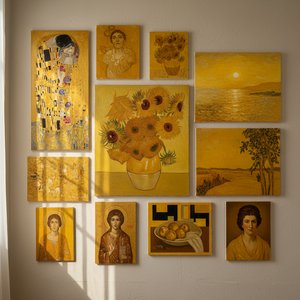
Topp 10 berömda målningar dominerade av ockragula toner – Konst & Inredning
Utforska 10 berömda målningar dominerade av ockragula toner! Från Van Gogh till Monet – upptäck historien, tekniken och skönheten i dessa tidlösa konstverk. Köp museumkvalitativa reproduktioner & inredningsidéer på OriginalUniqueArt.com.

Romantiska landskap: Topp 10 mästerverk som definierade en epok – OriginalUniqueArt.se
Utforska de 10 mest ikoniska mästerverken inom romantisk landskapsmålning! Lär känna Caspar David Friedrich, Turner & andra. Hitta inspiration och köp museumkvalitativa konsttryck på OriginalUniqueArt.com.

Evocations of Place: A Historical Journey Through Landscape Art
Explore the rich history of landscape art with OriginalUniqueArt. Discover renowned artists, movements like Impressionism & tonalism, and expert guidance for collecting timeless pieces. Find your perfect serene escape today!

John Constables 25 Mästerverk: En Konstnärlig Resa i Det Engelska Landskapet | OriginalUniqueArt
Utforska John Constables 25 mest ikoniska målningar – romantikens mästare av det engelska landskapet. Upptäck historien, tekniken & skönheten i verk som 'Hay Wain'. Köp exklusiva konsttryck på OriginalUniqueArt.com.

![Bondflicka [La Fille de Ferme]](/media/artworks/images-thumb/f7/ec/f7ec22076278b277518a6b65501fcf55.jpg)