

 Förhandsvisa
 Skicka
 Dela
Dela
 Visa detaljer

 Ladda ner
 Liknande objekt
 Röntgen
 Bildspel
 Statistik
Self-portrait
 Graphite
- WallArt
- Baroque
 1684
1684- Renaissance
 37.0 x 27.0 cm
 British Museum
 Visa mer
Giclée / Konsttryck
Giclée- eller canvasprint av museumskvalitet med snabb produktion och flexibla ytbehandlingsalternativ. ( Beställ handmålad reproduktion Byt till digital bild)




P118B $10

P118H $10

P118W $10

P438Z $10

P508JH $12

P508YH $12

P805H $10

P805Z $10

P919BZ $10

P919G $10

P919XJ $10

P959ZH $10

P968JZ $12

W106C $8

W218G $10

W218JH $8

W218Y $10

W307PJ $10

W316G $10

W316PJ $8

W316Y $10

W398PJ $8

W4111J $10

W500HY $15

W500JH $15

W692G $12

W849H $8

W940BG $15

W953PJ $8




Välj bland våra förinställda storlekar som motsvarar konstverkets ursprungliga proportioner.

Du kan ange egna mått för att passa en specifik ram eller yta. Om det valda måttet inte överensstämmer med originalbildens proportioner kommer vi antingen att beskära konstverket eller utöka bilden med en speglad eller enfärgad kant. En digital mockup skickas för ditt godkännande innan produktionen påbörjas.
Vänligen notera att förhandsvisningen på skärmen inte återspeglar den faktiska beskärningen eller utökningen. Endast mockuppen visar den slutgiltiga kompositionen korrekt.
Även om anpassade storlekar är möjliga, rekommenderar vi att du väljer ett mått från den fördefinierade listan för att bevara de ursprungliga proportionerna.
Leverans över hela världen () på 2 veckor istället för standard 4/5 veckor. (13 september)

Fri expressfrakt över hela världen

Högkvalitativ linnecanvas

Fullständig fraktförsäkring

Garantier för återbetalning av tullavgifter

Garantier för exakt färgåtergivning

100 dagars returrätt (endast vid defekter)

100% pengarna tillbaka-garanti

Mängdrabatt erbjuds
 Glasalternativet är endast tillgängligt i storlekar under 110 cm.

Self-portrait
Giclée / Konsttryck
Storlek på reproduktion
-


Slutgiltigt pris
$ 80
A Portrait of Quiet Dignity: Carlo Maratta's 1684 Self-Portrait
This meticulously rendered graphite drawing, created in 1684 by the Roman master Carlo Maratta, offers a remarkably intimate glimpse into the mind and artistry of one of the Baroque period’s most influential figures. Measuring just 37 x 27 cm, this seemingly modest work belies the profound depth of observation and technical skill it embodies. It's not merely a likeness; it’s a carefully constructed statement about self-awareness, artistic discipline, and the enduring legacy of classical ideals within a distinctly Baroque framework.
The image presents a frontal view of Maratta himself, captured with an almost unnerving directness. The composition is strikingly focused – the entire canvas devoted to his face and upper torso, devoid of any distracting background elements. This deliberate framing intensifies the viewer’s attention, forcing a contemplative engagement with the subject's gaze. The style leans heavily towards realism, yet it’s tempered by Maratta’s commitment to classical principles, evident in the balanced proportions and restrained emotionality. Notice how geometric shapes – circles for the eyes, ovals defining the head and torso, and rectangles outlining the collar – are used to create a structured, almost architectural representation of the figure.
The Language of Line: Technique and Detail
Maratta’s mastery lies in his command of line. Predominantly linear, these lines aren't simply outlines; they’re carefully calibrated to define every contour with precision. Varying line weights – from delicate hairlines to bolder strokes delineating the clothing – create a dynamic sense of texture and volume. Hatching techniques are employed subtly yet effectively, simulating the appearance of fabric folds and the intricate strands of hair, adding a tactile quality to the image. The slight blurring effect inherent in graphite lends a softness to the overall rendering, suggesting both age and the artist’s deliberate control over the medium.
The monochromatic palette – solely shades of grey – further emphasizes the drawing's formal qualities. It’s a testament to Maratta’s ability to convey form, light, and shadow entirely through line and tone. The single, implied light source, positioned above and slightly in front of the subject, casts carefully rendered shadows that sculpt the figure’s three-dimensional form with remarkable accuracy. This attention to detail speaks volumes about Maratta's dedication to anatomical study and his understanding of how light interacts with surfaces.
Contextualizing a Baroque Classicist
Created in 1684, this self-portrait places Maratta firmly within the context of late Baroque Rome. He was a pivotal figure in transitioning from the more dramatic excesses of the High Baroque to a style characterized by greater clarity, balance, and a renewed interest in classical forms – a movement he largely spearheaded. As documented in his biography by Bellori, Maratta’s early training under Andrea Sacchi instilled within him a deep respect for intellectual rigor and harmonious design. This influence is clearly evident here; the composition feels deliberately controlled, reflecting a philosophical approach to art that prioritized reason and order over flamboyant spectacle.
Maratta's work was commissioned by prominent figures in Rome, including Popes, demonstrating his status as one of the leading artists of his time. His dedication to meticulous draftsmanship and classical principles made him highly sought after for portraits and frescoes alike. This self-portrait serves not only as a visual record of Maratta’s appearance but also as a window into his artistic philosophy – a quiet testament to the enduring power of observation, discipline, and the pursuit of beauty.
Konstnärsbiografi
Carlo Maratta – A Synthesis of Style and Influences
Carlo Maratta, often known as Maratti, stands as a pivotal figure in 17th-century Italian painting, embodying the transition from the High Baroque to a more refined and classically inspired aesthetic. Born on May 15, 1625, in Camerano, within the Papal States—now part of Italy—his artistic journey began with an early move to Rome at the age of eleven. This relocation proved transformative, as he entered the studio of Andrea Sacchi, a painter renowned for his measured compositions and commitment to classical ideals. Sacchi’s influence would profoundly shape Maratta's developing style, instilling in him a dedication to clarity, balance, and a restrained emotionalism that distinguished him from more flamboyant Baroque contemporaries. This apprenticeship wasn’t merely technical training; it was an immersion into a philosophical approach to art, one prioritizing intellectual rigor and harmonious design over dramatic spectacle. He absorbed these principles, yet he wouldn’t remain solely within their confines, demonstrating a remarkable ability to synthesize classical foundations with the prevailing currents of Baroque sensibility.- Early Life and Education: Maratta’s formative years were marked by his relocation to Rome and subsequent tutelage under Andrea Sacchi, where he honed his skills in mastering classical ideals alongside Baroque techniques.
- The Flourishing Career in Rome: By the mid-1650s, Maratta rapidly gained recognition for his talent and commissions, establishing himself as a favored artist among prominent Roman families and securing papal patronage.
- A Synthesis of Styles and Influences: Maratta’s distinctive style—often termed “classicizing Baroque”—seamlessly blended classical elegance with Baroque dynamism, resulting in works that captivated audiences intellectually and emotionally.
Major Works & Lasting Impact
Maratta's artistic legacy extends beyond individual paintings; it resides in his articulation of a style that bridged two eras, offering a balanced aesthetic rooted in classical tradition while acknowledging the expressive power of Baroque art. His contributions solidified his position as one of the most influential painters of his time and continue to inspire artists today. Notable masterpieces include *Apollo Chasing Daphne*, showcasing dynamic movement and emotion; *Adoration of the Magi* demonstrating masterful color palettes and compositional balance; *Adoration of the Shepherds*, celebrated for its divine symbolism and dramatic arrangement; *The Visitation*, reflecting Maratta’s early mastery of light and movement within a religious context; and *The Mystery of the Trinity Revealed to St. Augustine*, exemplifying his ability to fuse classical idealism with Baroque elements.Restoration and Legacy
Recognizing Maratta's unparalleled skill, Innocent XI entrusted him with overseeing the monumental restoration project of Raphael’s frescoes in the Vatican Stanze—a responsibility that underscored his authority as a scholar of classical art and cemented his enduring reputation as a champion of artistic heritage. This undertaking wasn’t merely about repairing damaged paintings; it was an act of reverence for one of Italy's greatest artistic treasures, entrusted to a master who understood its profound significance. Maratta continued producing artwork prolifically until his death in Rome on December 15, 1713, leaving behind a vast and influential body of work that continues to be studied and admired worldwide.Influence & Recognition
Giovanni Pietro Bellori’s biography documented Maratta's artistic approach, highlighting his dedication to intellectual rigor and harmonious design—principles that resonated throughout the Baroque period and beyond. His paintings can now be found in museums across Europe and America, ensuring that Maratta’s vision persists as a cornerstone of Western art history.
Carlo Maratta
1625 - 1713 , Italien
Kortfakta
- Artistic Movement Or Style: Klassicistisk barock
- Artists Who Influenced This Artist: ['Andrea Sacchi']
- Date Of Birth: 13 maj 1625
- Date Of Death: 15 december 1713
- Full Name: Carlo Maratta
- Nationality: Italiensk
- Notable Artworks:
- Apollo Chasing Daphne
- Adoration of the Magi
- Adoration of the Shepherds
- The Visitation
- Place Of Birth: Camerano, Italien
Relaterade artiklar
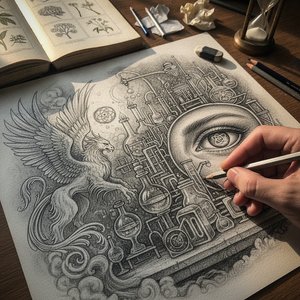
The Alchemy of Graphite: An Expert Guide to Mastering Detail and Depth in Pencil Sketching
Unlock the secrets of graphite sketching with our expert guide for art students. Learn to master pencil grades, create realistic depth, and capture intricate textures through professional techniques designed to elevate your observational drawing skills.
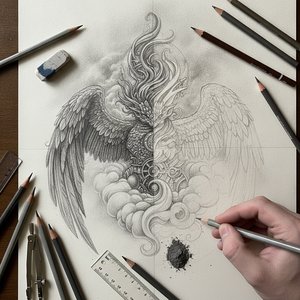
The Alchemy of Carbon: Mastering Depth, Texture, and Precision in the Art of Graphite Drawing
Discover the sophisticated mastery of graphite drawing. Explore expert techniques for achieving profound depth, intricate texture, and hyper-realistic detail through the alchemy of carbon, curated for the discerning art enthusiast and professional collector.
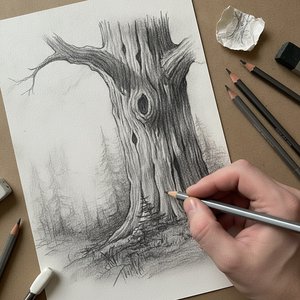
The Power of Graphite: Mastering Depth, Texture, and Detail in the Art of Pencil Drawing
Explore the profound artistry of graphite drawing. Discover professional techniques for mastering depth, texture, and detail through a lens of art history, from classical sketches to modern masterpieces. Elevate your understanding of the pencil medium with our expert guide.
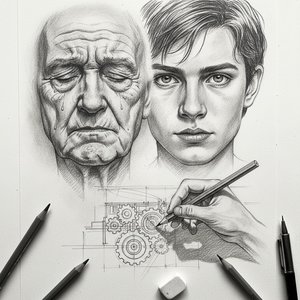
The Nuances of Graphite: Exploring Emotional Depth & Technical Mastery in Pencil Drawing
Explore the captivating world of graphite drawing! Discover its rich history, master essential techniques like chiaroscuro, and learn how artists evoke emotion through this timeless medium. Expert insights for art enthusiasts.

Baroque Classicism: The Grandeur of Order and Drama in 17th-Century Art History
Explore the profound elegance of Baroque Classicism. Discover how 17th-century masters synthesized dramatic emotion with classical order through the lens of the Counter-Reformation and the works of legends like Carlo Maratta and Andrea Sacchi.
