
 Visa i rummet
 Skicka
 Dela
Dela
 Detaljer

 Ladda ner
 Liknande objekt
 Röntgen
 Bildspel
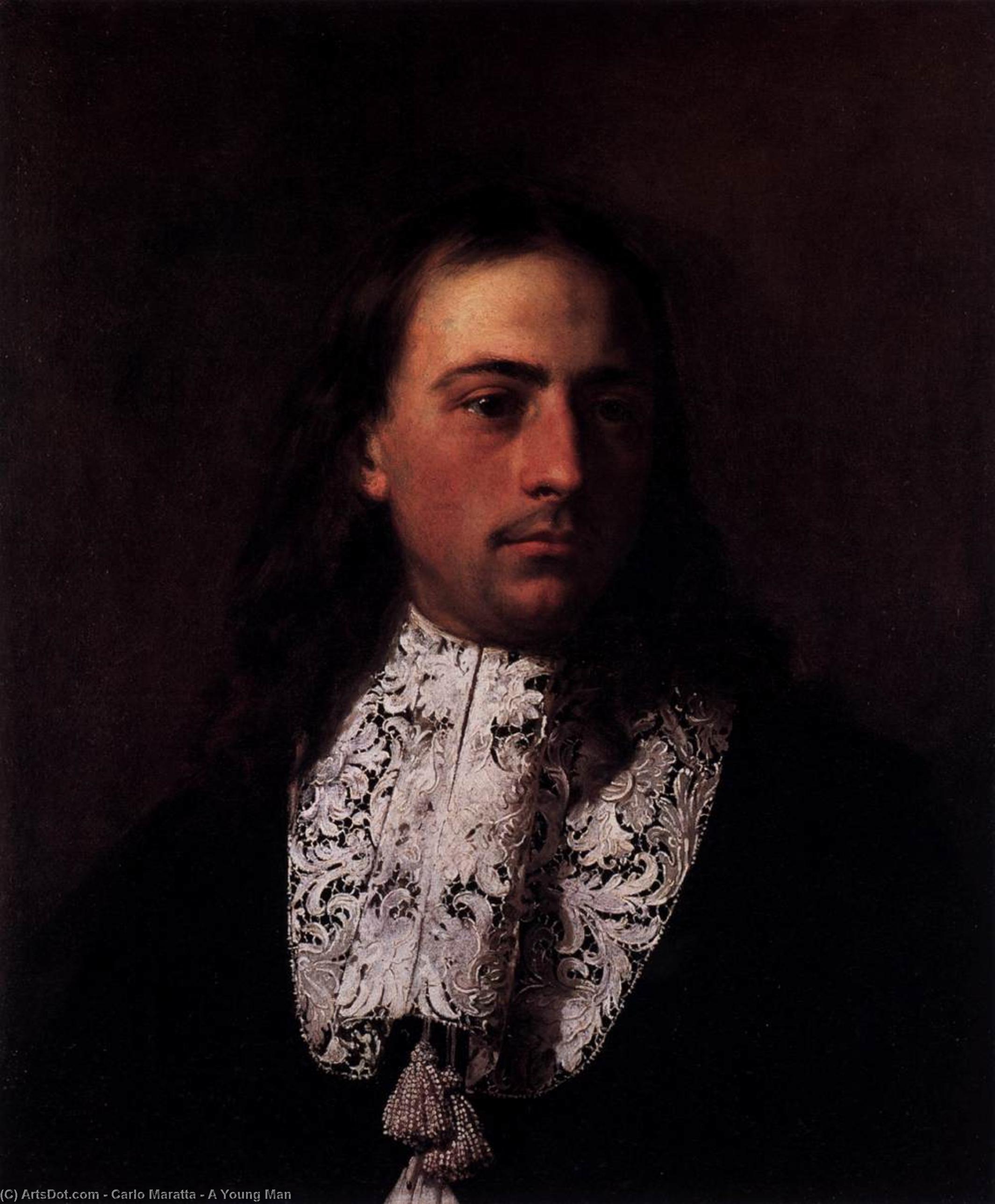
A Young Man


 Läs mer
Handgjord oljereproduktion
Handmålad olja på duk i din valda storlek och ram, tillverkad efter beställning av våra konstnärer. ( Beställ tryck Byt till bild)




P118B $10

P118H $10

P118W $10

P438Z $10

P508JH $12

P508YH $12

P805H $10

P805Z $10

P919BZ $10

P919G $10

P919XJ $10

P959ZH $10

P968JZ $12

W106C $8

W218G $10

W218JH $8

W218Y $10

W307PJ $10

W316G $10

W316PJ $8

W316Y $10

W398PJ $8

W4111J $10

W500HY $15

W500JH $15

W692G $12

W849H $8

W940BG $15

W953PJ $8




Välj bland våra förinställda storlekar som motsvarar konstverkets ursprungliga proportioner.

Du kan ange egna mått för att passa en specifik ram eller yta. Om den valda storleken inte matchar originalbildens proportioner kommer vi antingen att beskära konstverket eller utöka målningen med ytterligare handmålade element. En digital skiss skickas till dig för godkännande innan produktionen påbörjas.
Observera att förhandsvisningen på skärmen inte återspeglar den faktiska beskärningen eller utökningen. Endast skissen visar den slutgiltiga kompositionen korrekt.
Även om anpassade storlekar är möjliga, rekommenderar vi att du väljer en dimension från den fördefinierade listan för att bevara originalproportionerna.
Efter beställning kommer OriginalUniqueArt.com team att mejla kunden för instruktioner och tillhandahålla en skissförhandsvisning
Leverans över hela världen () på 3–4 veckor istället för standard 5 veckor. (10 augusti). Inga kompromisser med kvaliteten.

Fri expressfrakt över hela världen

Högkvalitativ linnecanvas

Fullständig fraktförsäkring

Garantier för återbetalning av tullavgifter

Garantier för exakt färgåtergivning

60 dagars returrätt (endast vid fabrikationsfel)

100% pengarna tillbaka-garanti

Mängdrabatt erbjuds
 Glasalternativet är endast tillgängligt i storlekar under 110 cm.

A Young Man
Tryckteknik
Reproduktionsstorlek
-


Totalpris
$ 300
Om konstverket
The Enigmatic Youth: An Exploration of Carlo Maratta’s “A Young Man”
Carlo Maratta's "A Young Man," a captivating portrait from the heart of the Baroque era, isn’t merely a depiction of a young man; it’s an invitation into a world of refined elegance and nascent emotion. Painted in 1663, this oil on canvas offers a glimpse into the sensibilities of 17th-century Italy, revealing a masterful command of light, shadow, and psychological nuance that continues to resonate with viewers today. The painting immediately draws the eye with its subject’s direct gaze – an expression of quiet contemplation mingled with a hint of youthful confidence. He is presented within a richly textured interior, suggesting a space of private reflection, further enhancing the sense of intimacy created by Maratta's skillful rendering.
- Subject and Composition: The young man’s attire – a pristine white lace collar framing a ruffled neckline – speaks volumes about the era’s fashion sensibilities. The careful arrangement of his clothing, coupled with the subtle play of light on his features, highlights his status and youthfulness.
- Color Palette: Maratta employs a restrained yet sophisticated color palette dominated by warm browns, creams, and golds. These tones contribute to the painting’s overall sense of refinement and create a harmonious visual experience.
Baroque Techniques: A Dance of Light and Shadow
Maratta's genius lies not just in his subject matter but also in his technical prowess. He was a master of *chiaroscuro*, the dramatic use of light and shadow, which he employs here to sculpt the young man’s face and create a sense of three-dimensionality. Notice how the light gently illuminates his features, drawing attention to his eyes and mouth while leaving the background in relative darkness – a technique that intensifies the focus on the subject and evokes a feeling of mystery. The meticulous detail evident in the rendering of the lace collar and the folds of his clothing demonstrates Maratta’s dedication to realism and his ability to capture textures with remarkable precision.
- Brushwork: Maratta's brushstrokes are remarkably controlled, creating a smooth and polished surface that contributes to the painting’s overall sense of elegance.
- Layering Techniques: The artist skillfully layered colors to achieve depth and richness in his palette, adding subtle variations in tone to create a more dynamic and engaging image.
Historical Context and Artistic Legacy
“A Young Man” resides within the prestigious Staatliche Museen zu Berlin, a testament to its historical significance and artistic merit. Maratta’s work reflects the broader trends of the Baroque period – a time marked by both religious fervor and secular sophistication. He was deeply influenced by artists like Caravaggio and Annibale Carracci, absorbing their techniques while developing his own distinctive style. His portraits were highly sought after by European nobility and wealthy merchants, reflecting the growing importance of portraiture as a means of social status and personal expression. The painting’s enduring appeal lies in its ability to capture not just a likeness but also a sense of personality and inner life – qualities that continue to fascinate viewers centuries later.
Additional Research:**- IASblog — By Costanza Beltrami Carlo Maratta or Maratti was
- A Portrait of the Young Man, 1663 - Maratta, Carlo (Maratti, Carlo 1625-1713)
- IASblog — A Portrait of the Artist as a Young Man
Symbolism and Emotional Resonance
Beyond its technical brilliance, “A Young Man” is rich in symbolism. The young man’s direct gaze invites contemplation, suggesting an awareness of his own identity and place in the world. The lace collar, a fashionable accessory of the era, can be interpreted as a symbol of social status and refinement. The painting's overall mood is one of quiet introspection – a sense that the subject is grappling with profound questions about himself and his future. Maratta’s masterful use of light and shadow further enhances this emotional resonance, creating an image that is both visually stunning and psychologically compelling.
Om konstnären
Carlo Maratta – A Synthesis of Style and Influences
Carlo Maratta, often known as Maratti, stands as a pivotal figure in 17th-century Italian painting, embodying the transition from the High Baroque to a more refined and classically inspired aesthetic. Born on May 15, 1625, in Camerano, within the Papal States—now part of Italy—his artistic journey began with an early move to Rome at the age of eleven. This relocation proved transformative, as he entered the studio of Andrea Sacchi, a painter renowned for his measured compositions and commitment to classical ideals. Sacchi’s influence would profoundly shape Maratta's developing style, instilling in him a dedication to clarity, balance, and a restrained emotionalism that distinguished him from more flamboyant Baroque contemporaries. This apprenticeship wasn’t merely technical training; it was an immersion into a philosophical approach to art, one prioritizing intellectual rigor and harmonious design over dramatic spectacle. He absorbed these principles, yet he wouldn’t remain solely within their confines, demonstrating a remarkable ability to synthesize classical foundations with the prevailing currents of Baroque sensibility.- Early Life and Education: Maratta’s formative years were marked by his relocation to Rome and subsequent tutelage under Andrea Sacchi, where he honed his skills in mastering classical ideals alongside Baroque techniques.
- The Flourishing Career in Rome: By the mid-1650s, Maratta rapidly gained recognition for his talent and commissions, establishing himself as a favored artist among prominent Roman families and securing papal patronage.
- A Synthesis of Styles and Influences: Maratta’s distinctive style—often termed “classicizing Baroque”—seamlessly blended classical elegance with Baroque dynamism, resulting in works that captivated audiences intellectually and emotionally.
Major Works & Lasting Impact
Maratta's artistic legacy extends beyond individual paintings; it resides in his articulation of a style that bridged two eras, offering a balanced aesthetic rooted in classical tradition while acknowledging the expressive power of Baroque art. His contributions solidified his position as one of the most influential painters of his time and continue to inspire artists today. Notable masterpieces include *Apollo Chasing Daphne*, showcasing dynamic movement and emotion; *Adoration of the Magi* demonstrating masterful color palettes and compositional balance; *Adoration of the Shepherds*, celebrated for its divine symbolism and dramatic arrangement; *The Visitation*, reflecting Maratta’s early mastery of light and movement within a religious context; and *The Mystery of the Trinity Revealed to St. Augustine*, exemplifying his ability to fuse classical idealism with Baroque elements.Restoration and Legacy
Recognizing Maratta's unparalleled skill, Innocent XI entrusted him with overseeing the monumental restoration project of Raphael’s frescoes in the Vatican Stanze—a responsibility that underscored his authority as a scholar of classical art and cemented his enduring reputation as a champion of artistic heritage. This undertaking wasn’t merely about repairing damaged paintings; it was an act of reverence for one of Italy's greatest artistic treasures, entrusted to a master who understood its profound significance. Maratta continued producing artwork prolifically until his death in Rome on December 15, 1713, leaving behind a vast and influential body of work that continues to be studied and admired worldwide.Influence & Recognition
Giovanni Pietro Bellori’s biography documented Maratta's artistic approach, highlighting his dedication to intellectual rigor and harmonious design—principles that resonated throughout the Baroque period and beyond. His paintings can now be found in museums across Europe and America, ensuring that Maratta’s vision persists as a cornerstone of Western art history.
Carlo Maratta
1625 - 1713 , Italien
Snabbfakta
- Artistic Movement Or Style: Klassicistisk barock
- Artists Who Influenced This Artist: ['Andrea Sacchi']
- Date Of Birth: 13 maj 1625
- Date Of Death: 15 december 1713
- Full Name: Carlo Maratta
- Nationality: Italiensk
- Notable Artworks:
- Apollo Chasing Daphne
- Adoration of the Magi
- Adoration of the Shepherds
- The Visitation
- Place Of Birth: Camerano, Italien
Relaterade artiklar

Olja på duk: En tidlös teknik – Historik, process och konstnärliga möjligheter
Utforska oljemålningskonsten! Lär dig om flamländsk teknik, materialval och historisk utveckling. Expertguider för både nybörjare och erfarna konstnärer – bevara dina målningar med bästa praxis.

The Enduring Legacy of Oil on Canvas: Technique, History & Aesthetic Impact
Explore the rich history & techniques of oil painting – from Renaissance masters to Impressionism. Discover pigments, layering methods, and why this timeless medium endures. Expert insights for artists & art enthusiasts.

Olja på dukens bestående arv: Teknik, historia och samtida praktik
Utforska oljemåleriets rika historia och tekniker – från renässansens mästare till dagens konstnärer. Lär dig om material, metoder och konservering för att bevara konsten.
Topp 10 ikoniska oljemålningar som förändrade konsthistorien – OriginalUniqueArt.com
Utforska de 10 mest ikoniska oljemålningarna som revolutionerade konsthistorien! Lär känna Monet, Van Gogh och Da Vinci. Hitta inspiration & köp museumkvalitativa reproduktioner på OriginalUniqueArt.com – för en tidlös inredning.

The Soul of Impressionism: Why Oil on Canvas Captures Eternal Light and Timeless Emotion
Discover the enchanting alchemy of Impressionism. Explore how the mastery of oil on canvas, through glazing and impasto, captures eternal light and emotion. Perfect for lovers of Monet and Van Gogh seeking the profound depth of hand-painted fine art.


