
 Förhandsvisa
 Skicka
 Dela
Dela
 Visa detaljer

 Ladda ner
 Liknande objekt
 Röntgen
 Bildspel
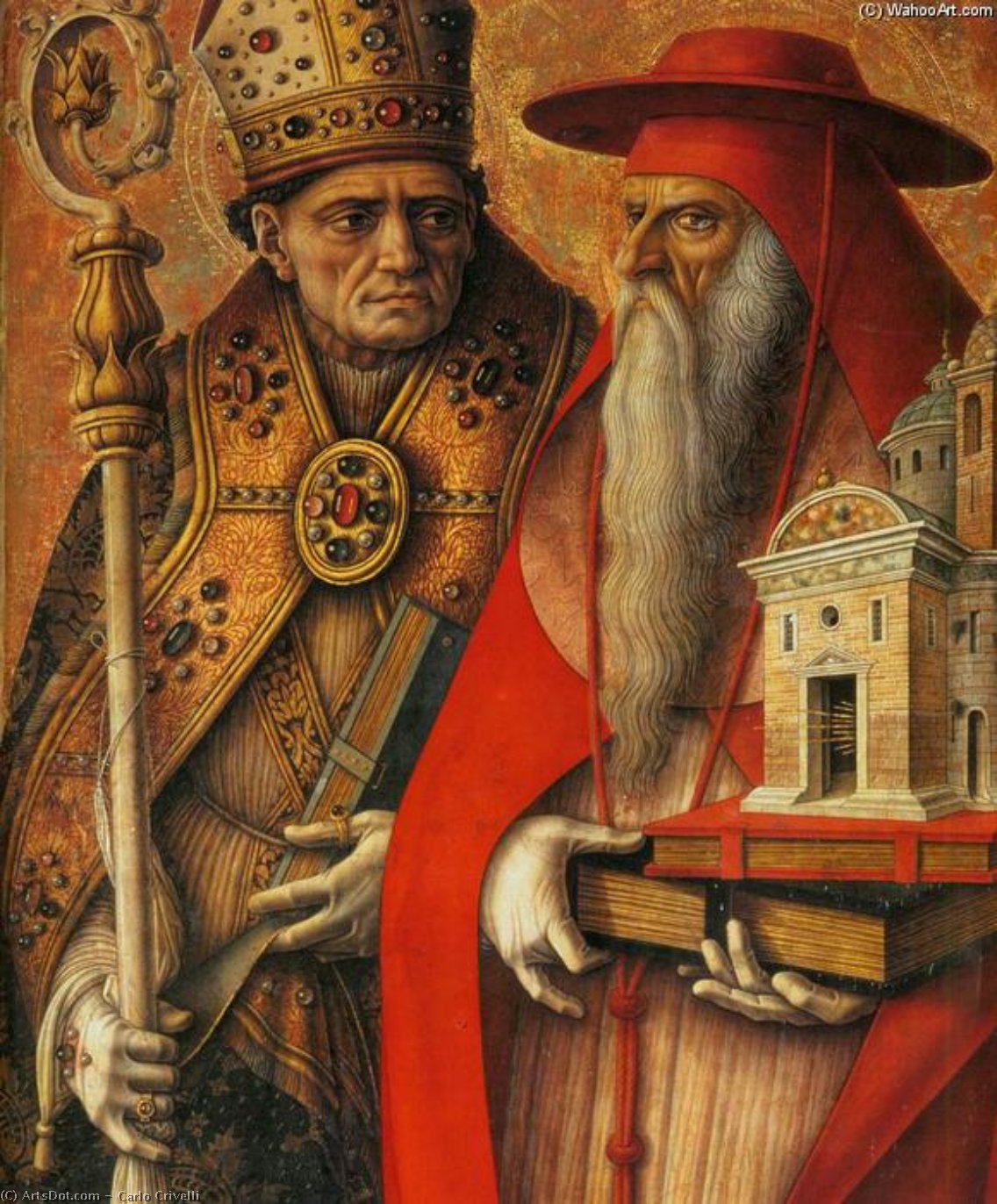
St Jerome and St Augustine (detail)


 Visa mer
Handgjord oljereproduktion
Handmålad olja på duk i din valda storlek och ram, tillverkad efter beställning av våra konstnärer. ( Beställ tryck Köp högupplöst bild)




P118B $10

P118H $10

P118W $10

P438Z $10

P508JH $12

P508YH $12

P805H $10

P805Z $10

P919BZ $10

P919G $10

P919XJ $10

P959ZH $10

P968JZ $12

W106C $8

W218G $10

W218JH $8

W218Y $10

W307PJ $10

W316G $10

W316PJ $8

W316Y $10

W398PJ $8

W4111J $10

W500HY $15

W500JH $15

W692G $12

W849H $8

W940BG $15

W953PJ $8




Välj bland våra förinställda storlekar som motsvarar konstverkets ursprungliga proportioner.

Du kan ange egna mått för att passa en specifik ram eller yta. Om den valda storleken inte matchar originalbildens proportioner kommer vi antingen att beskära konstverket eller utöka målningen med ytterligare handmålade element. En digital skiss skickas till dig för godkännande innan produktionen påbörjas.
Observera att förhandsvisningen på skärmen inte återspeglar den faktiska beskärningen eller utökningen. Endast skissen visar den slutgiltiga kompositionen korrekt.
Även om anpassade storlekar är möjliga, rekommenderar vi att du väljer en dimension från den fördefinierade listan för att bevara originalproportionerna.
Efter beställning kommer OriginalUniqueArt.com team att mejla kunden för instruktioner och tillhandahålla en skissförhandsvisning
Leverans över hela världen () på 3–4 veckor istället för standard 5 veckor. (20 augusti). Inga kompromisser med kvaliteten.

Fri expressfrakt över hela världen

Högkvalitativ linnecanvas

Fullständig fraktförsäkring

Garantier för återbetalning av tullavgifter

Garantier för exakt färgåtergivning

60 dagars returrätt (endast vid fabrikationsfel)

100% pengarna tillbaka-garanti

Mängdrabatt erbjuds
 Glasalternativet är endast tillgängligt i storlekar under 110 cm.

St Jerome and St Augustine (detail)
Reproduktionsmedium
Storlek på reproduktion
-


Slutgiltigt pris
$ 325
Beskrivning av konstverket
A Renaissance Dialogue of Faith and Wisdom
Carlo Crivelli’s “St. Jerome and St. Augustine,” painted around 1490, isn't merely a depiction of two revered figures; it’s a carefully constructed tableau of intellectual and spiritual contemplation, steeped in the late Gothic sensibilities of Renaissance Venice. The painting immediately draws the eye with its rich palette – deep reds and browns dominate, creating an atmosphere of solemnity and introspection, punctuated by the shimmering gold of the background and the vibrant hues of the garments. Crivelli masterfully employs a technique that balances meticulous detail with a sense of ethereal beauty, characteristic of his style which he developed after leaving Venice.
The composition is strikingly intimate, framing the two saints within a shallow space that invites close observation. Jerome, identifiable by his lion skin and quill pen, sits in deep thought, seemingly lost in prayer or contemplation. His posture exudes quiet intensity, while Augustine, clad in the robes of a bishop, gestures with an open book – a potent symbol of knowledge and divine revelation. The miniature architectural model at Augustine’s feet isn't simply decorative; it represents the power and authority of the papacy, subtly reinforcing the theme of earthly and spiritual governance. The inclusion of the lion, a recurring motif in Crivelli’s work, adds an element of primal instinct and strength to the scene, grounding the intellectual pursuits of the saints within the realm of human experience.
Craftsmanship and Venetian Influence
Crivelli's mastery lies not only in his subject matter but also in his technical execution. The painting is executed in tempera on wood, a medium favored by artists during this period for its luminosity and ability to achieve fine detail. Notice the layering of glazes – thin washes of color applied over dry layers – that create depth and richness in the fabrics and textures. The artist’s attention to detail is remarkable; from the intricate folds of the robes to the delicate rendering of Jerome's beard, every element contributes to a sense of realism and immediacy. The use of *trompe-l'oeil* techniques—the illusion of three-dimensionality—is particularly evident in the miniature building, which seems to leap out from the surface of the panel.
Crivelli’s Venetian training is undeniable, yet he forged a distinct style that set him apart from his contemporaries. While influenced by the meticulous realism of artists like Squarcione and the decorative elegance of Vivarini, Crivelli infused his work with a greater sense of emotional intensity and psychological depth. This painting exemplifies this shift – it’s not just a portrait of two saints; it's an exploration of their inner lives and the profound questions they grappled with.
Symbolism and Spiritual Resonance
Beyond the immediate depiction of Jerome and Augustine, the painting is laden with symbolic meaning. Jerome, traditionally associated with writing and contemplation, represents the pursuit of wisdom through scripture. Augustine, a pivotal figure in Christian theology, embodies faith, reason, and the struggle to reconcile divine revelation with human experience. The presence of the lion symbolizes strength and vigilance, while the open book signifies the importance of knowledge and learning. The overall composition suggests a dialogue between these two figures – a conversation between intellect and spirituality, earthly authority and divine grace.
Considered within the context of 1490s Venice, a city grappling with political upheaval and religious reform, “St. Jerome and St. Augustine” offers a poignant reflection on the challenges of navigating faith and reason in a turbulent world. It’s a testament to Crivelli's skill as an artist and his ability to capture the complexities of human experience within a framework of profound spiritual significance. Reproductions of this work continue to resonate with viewers today, offering a glimpse into the artistic and intellectual currents of the Renaissance.
Konstnärsbiografi
tidigt liv och utbildning
Den italienske renässansmålaren Carlo Crivelli föddes i Venedig omkring 1430–35. Han kom från en familj av konstnärer och fick sin konstnärliga skolning i både Venedig och Padua. Det antas att Crivellis tidiga utbildning skedde under Jacobello del Fiore, som fortfarande var verksam år 1436, och han studerade även vid Vivarini-skolan i Venedig.
karriär och stil
Crivelli tillbringade sina tidiga år i Veneto-regionen, där han sög åt sig influenser från mästare som Vivarini, Squarcione och Mantegna. År 1458 lämnade han dock Veneto och tillbringade större delen av sin karriär i Marche-regionen kring Ancona. Här utvecklade han en särpräglad personlig stil som står i skarp kontrast till den hos hans venetianska samtida, Giovanni Bellini. Crivellis verk kännetecknas av en konservativ, sengotisk dekorativ känsla, präglad av en linjär kvalitet, en närmast besatt uppmärksamhet på detaljer och ett skickligt användande av "trompe l'oeil"-tekniker som lurar ögat.
noterbara verk och samarbeten
* Carlo Crivellis målning "Madonna och barnet på tronen" (106 x 55 cm, Museum of Fine Arts, Budapest, Ungern) är ett enastående exempel på hans stil. * Han samarbetade med sin yngre bror Vittorio Crivelli i flera projekt. * Pietro Alemanno, en målare som emigrerade till Marche-regionen från Tyskland/Österrike, var både hans elev och samarbetspartner.
museer och samlingar
* Pinacoteca di Brera i Milano, Italien, rymmer flera av Crivellis verk, däribland "Pietà" (128 x 241 cm). * Museo San Giovanni in Bragora i Venedig, Italien, besitter en samling konstverk från olika perioder och stilar, inklusive verk som tillskrivs Crivelli.
- Visa Carlo Crivellis konstverk på OriginalUniqueArt.com
- Utforska Jacopo Robustis verk på OriginalUniqueArt.com
- Läs mer om Carlo Crivelli på Wikipedia
Crivellis arv fortsätter att inspirera både konstentusiaster och forskare, och hans arbete förblir ett vittnesbörd om den bestående kraften i en konservativ, sengotisk dekorativ estetik.

Carlo Crivelli
1435 - 1495 , Italien
Kortfakta
- Artistic Movement Or Style: Sengotik/Renässans
- Artists Or Movements Influenced By This Artist: ['Giovanni Bellini']
- Artists Who Influenced This Artist:
- Jacobello del Fiore
- Vivarini
- Squarcione
- Mantegna
- Date Of Birth: ca 1430-35 Venedig
- Date Of Death: ca 1495 Italien
- Full Name: Carlo Crivelli
- Nationality: Italiensk
- Notable Artworks:
- Madonna och barnet
- Sankt Bartolomäus
- Sankt Rochus
- Place Of Birth: Venedig, Italien
Relaterade artiklar
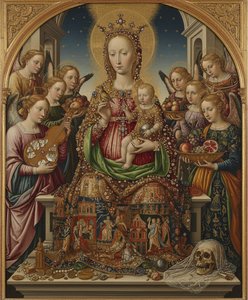
Carlo Crivelli: Mysticism & Materiality in Renaissance Venice
Explore the captivating world of Carlo Crivelli, a Renaissance master blending Gothic detail with profound symbolism. Discover his unique style & lasting influence on Venetian art history.

El Grecos 25 Mästerverk: En Konsthistorisk Resa för Hemmet & Själens Frid
Utforska El Grecos 25 mest ikoniska tavlor! Fördjupa dig i spansk renässanskonst, dramatik och sakrala motiv. Köp högkvalitativa konsttryck & inred med tidlösa mästerverk från OriginalUniqueArt.com.

Mastering Devotion: The Most Iconic Depictions of Saint Jerome in Art History
Explore the profound iconography of Saint Jerome through art history's most iconic masterpieces. From Renaissance serenity to Baroque drama, discover how legendary painters captured divine devotion in breathtaking oil paintings and fine art reproductions.
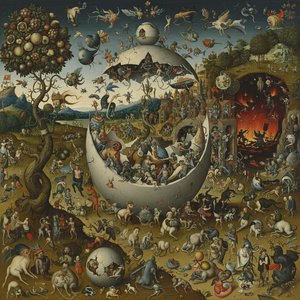
Hieronymus Bosch: Topp 25 mästerverk – Konst, symbolik & dekoration för ditt hem
Utforska Hieronymus Boschs 25 mest ikoniska målningar! Fördjupa dig i symbolik, flamländsk renässans & fantasikonst. Hitta konsttryck och inspiration för ditt hem på OriginalUniqueArt.com.
Albrecht Dürers 25 Mästerverk: En Konsthistorisk Resa för Hemmet
Utforska Albrecht Dürers 25 mest ikoniska verk – från gravyrer till måleri. Lär känna renässanskonstens mästare och hans tidlösa symbolik. Hitta inspiration för ditt hem med museumkvalitativa konsttryck på OriginalUniqueArt.com



