

 Visa i rummet
 Skicka
 Dela
Dela
 Detaljer
 Studentguide för konstverk

 Ladda ner
 Liknande objekt
 Röntgen
 Bildspel
 Besökstatistik
Saint Michael
 Acrylic On Canvas
- WallArt
- Late Gothic
 1476
1476 90.0 x 26.0 cm
 National Gallery
 Läs mer
Giclée / Konsttryck
Giclée- eller canvasprint av museumskvalitet med snabb produktion och flexibla ytbehandlingsalternativ. ( Köp handmålat konstverk Byt till digital bildförsäljning)




P118B Skr10

P118H Skr10

P118W Skr10

P438Z Skr10

P508JH Skr12

P508YH Skr12

P805H Skr10

P805Z Skr10

P919BZ Skr10

P919G Skr10

P919XJ Skr10

P959ZH Skr10

P968JZ Skr12

W106C Skr8

W218G Skr10

W218JH Skr8

W218Y Skr10

W307PJ Skr10

W316G Skr10

W316PJ Skr8

W316Y Skr10

W398PJ Skr8

W4111J Skr10

W500HY Skr15

W500JH Skr15

W692G Skr12

W849H Skr8

W940BG Skr15

W953PJ Skr8




Välj bland våra förinställda storlekar som motsvarar konstverkets ursprungliga proportioner.

Ange den bredd och höjd du behöver, för att passa din ram eller din vägg. Ett tryck kan endast beskäras, aldrig göras större än bilden, vilket innebär att ett format med en annan formform leder till att en del av bilden går förlorad. Vi skickar en digital mockup för godkännande innan vi trycker något. Bilden som visas på denna sida visar inte den faktiska beskärningen — det är endast mockuppen som gör det.
Leverans över hela världen () på 2 veckor istället för standard 4/5 veckor. (21 oktober)

Fri expressfrakt över hela världen

Högkvalitativ linnecanvas

Fullständig fraktförsäkring

Garantier för återbetalning av tullavgifter

Garantier för exakt färgåtergivning

100 dagars returrätt vid fabrikationsfel

100% pengarna tillbaka-garanti

Mängdrabatt erbjuds
 Glasalternativet är endast tillgängligt i storlekar under 110 cm.

Saint Michael
Giclée / Konsttryck
Reproduktionsstorlek
-


Totalpris
Skr 787
A Vision of Heavenly Conflict
Carlo Crivelli's "Saint Michael," painted around 1476, isn’t merely a depiction of an angel battling a demon; it’s a meticulously crafted tableau of spiritual warfare, brimming with Renaissance artistry and profound symbolism. This panel, once part of a larger altarpiece intended for the church of San Domenico in Ascoli Piceno, Italy, immediately draws the eye into a dynamic scene where youthful Michael, radiating aristocratic beauty yet possessing an undeniable ferocity, confronts the writhing embodiment of evil beneath his feet. The composition isn’t simply about physical combat; it's a carefully orchestrated visual argument between order and chaos, light and darkness, good and sin.
Crivelli, deeply influenced by the Venetian artistic traditions of Vivarini and Mantegna, masterfully employs techniques that elevate this scene beyond simple religious illustration. Notice the masterful use of foreshortening – a signature element of Crivelli’s style – which dramatically compresses the space, pulling the viewer into the heart of the battle. The devil's head, positioned prominently at the bottom of the panel, is rendered with unsettling detail, highlighting his grotesque features and desperate struggle. Conversely, Michael’s face holds an expression of serene determination, a subtle contrast to the chaotic energy surrounding him.
The Archangel: A Symbol of Divine Authority
Saint Michael isn't just any angel; he is the Archangel, the chief warrior in God’s army. Within Christian iconography, he represents divine justice, protection, and victory over evil. The halo surrounding his head, a common symbol of holiness, emphasizes his elevated status. His armor, rendered with exquisite detail – polished metal reflecting light, intricate stitching – speaks to his martial prowess and unwavering commitment to defending humanity from demonic influence. The shield he holds aloft isn’t just a defensive tool; it's a visual declaration of God’s authority and Michael’s role as its representative.
Historically, the figure of Michael has deep roots in Jewish tradition, where he served as Israel’s protector and advocate. This connection is reflected in the painting’s composition – the devil beneath Michael isn't simply a monstrous foe; he represents the forces arrayed against God’s chosen people. The scene thus resonates with themes of faith, struggle, and ultimately, triumph over adversity—a narrative that has captivated audiences for centuries.
Renaissance Technique and Emotional Resonance
Crivelli's skill as a painter is evident in the meticulous rendering of textures – the smooth sheen of Michael’s armor, the rough scales of the devil, the folds of his garments. He utilizes tempera on poplar wood, a technique favored during this period for its luminosity and ability to capture intricate detail. The use of vibrant colors—rich blues, reds, and golds—further enhances the painting's visual impact, creating a sense of drama and intensity. Beyond technical mastery, Crivelli imbues the scene with an emotional resonance that transcends mere representation; it speaks to the timeless struggle between good and evil, hope and despair.
The panel’s enduring appeal lies in its ability to evoke both awe and contemplation. It's a reminder of humanity’s vulnerability in the face of darkness, but also of the unwavering strength and protection offered by divine grace. “Saint Michael” is more than just a painting; it’s a powerful testament to the enduring themes of faith, courage, and the eternal battle between light and shadow.
Frågor och svar
Hur hittar jag konstverk som liknar "Saint Michael" av Carlo Crivelli?
Verk som liknar "Saint Michael" finns listade på verkets sida Liknande verk.
Hur mycket ljus verkar färgerna i "Saint Michael" reflektera?
Färgerna i "Saint Michael" uppvisar en Soft Shadow luminans.
Hur är färgkompositionen i "Saint Michael" av Carlo Crivelli uppbyggd?
Färganalysen av "Saint Michael" av Carlo Crivelli uppvisar en Bold kontrast och en Strong Color Unity harmoni.
Om konstnären
tidigt liv och utbildning
Den italienske renässansmålaren Carlo Crivelli föddes i Venedig omkring 1430–35. Han kom från en familj av konstnärer och fick sin konstnärliga skolning i både Venedig och Padua. Det antas att Crivellis tidiga utbildning skedde under Jacobello del Fiore, som fortfarande var verksam år 1436, och han studerade även vid Vivarini-skolan i Venedig.
karriär och stil
Crivelli tillbringade sina tidiga år i Veneto-regionen, där han sög åt sig influenser från mästare som Vivarini, Squarcione och Mantegna. År 1458 lämnade han dock Veneto och tillbringade större delen av sin karriär i Marche-regionen kring Ancona. Här utvecklade han en särpräglad personlig stil som står i skarp kontrast till den hos hans venetianska samtida, Giovanni Bellini. Crivellis verk kännetecknas av en konservativ, sengotisk dekorativ känsla, präglad av en linjär kvalitet, en närmast besatt uppmärksamhet på detaljer och ett skickligt användande av "trompe l'oeil"-tekniker som lurar ögat.
noterbara verk och samarbeten
* Carlo Crivellis målning "Madonna och barnet på tronen" (106 x 55 cm, Museum of Fine Arts, Budapest, Ungern) är ett enastående exempel på hans stil. * Han samarbetade med sin yngre bror Vittorio Crivelli i flera projekt. * Pietro Alemanno, en målare som emigrerade till Marche-regionen från Tyskland/Österrike, var både hans elev och samarbetspartner.
museer och samlingar
* Pinacoteca di Brera i Milano, Italien, rymmer flera av Crivellis verk, däribland "Pietà" (128 x 241 cm). * Museo San Giovanni in Bragora i Venedig, Italien, besitter en samling konstverk från olika perioder och stilar, inklusive verk som tillskrivs Crivelli.
- Visa Carlo Crivellis konstverk på OriginalUniqueArt.com
- Utforska Jacopo Robustis verk på OriginalUniqueArt.com
- Läs mer om Carlo Crivelli på Wikipedia
Crivellis arv fortsätter att inspirera både konstentusiaster och forskare, och hans arbete förblir ett vittnesbörd om den bestående kraften i en konservativ, sengotisk dekorativ estetik.

Carlo Crivelli
1435 - 1495 , Italien
Snabbfakta
- Artistic Movement Or Style: Sengotik/Renässans
- Artists Or Movements Influenced By This Artist: ['Giovanni Bellini']
- Artists Who Influenced This Artist:
- Jacobello del Fiore
- Vivarini
- Squarcione
- Mantegna
- Date Of Birth: ca 1430-35 Venedig
- Date Of Death: ca 1495 Italien
- Full Name: Carlo Crivelli
- Nationality: Italiensk
- Notable Artworks:
- Madonna och barnet
- Sankt Bartolomäus
- Sankt Rochus
- Place Of Birth: Venedig, Italien
Relaterade artiklar

Giovanni Fattori: Realism, Identity & the Tuscan Landscape – A Macchiaioli Master
Explore the life & art of Giovanni Fattori, a leading figure of the Macchiaioli movement. Discover his revolutionary realism, captivating Tuscan landscapes, and lasting impact on Italian painting. Learn more at OriginalUniqueArt.

Divine Nature: Exploring the Sacred Iconography and Masterpieces of Saint Francis
Embark on a profound journey through art history with our exploration of Saint Francis's most iconic works. Discover Giotto’s revolutionary frescoes and the spiritual depth of Proto-Renaissance masterpieces through an expert lens for the true classic art enthusiast.
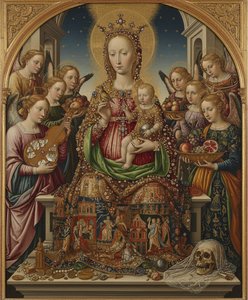
Carlo Crivelli: Mysticism & Materiality in Renaissance Venice
Explore the captivating world of Carlo Crivelli, a Renaissance master blending Gothic detail with profound symbolism. Discover his unique style & lasting influence on Venetian art history.
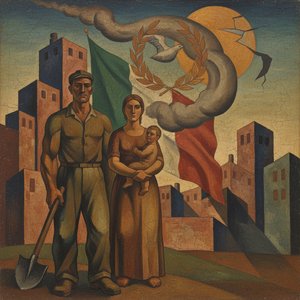
Mario Sironi: A Poetic of Modern Italian Identity Through Symbolism & Social Commentary
Explore the profound works of Mario Sironi, a key figure in Italian Modernism. Discover his evolution from Futurism to Metaphysical painting and his powerful social commentary. Learn about his legacy at OriginalUniqueArt.

Mastering Devotion: The Most Iconic Depictions of Saint Jerome in Art History
Explore the profound iconography of Saint Jerome through art history's most iconic masterpieces. From Renaissance serenity to Baroque drama, discover how legendary painters captured divine devotion in breathtaking oil paintings and fine art reproductions.

