
 Visa i rummet
 Skicka
 Dela
Dela
 Detaljer

 Ladda ner
 Liknande objekt
 Röntgen
 Bildspel
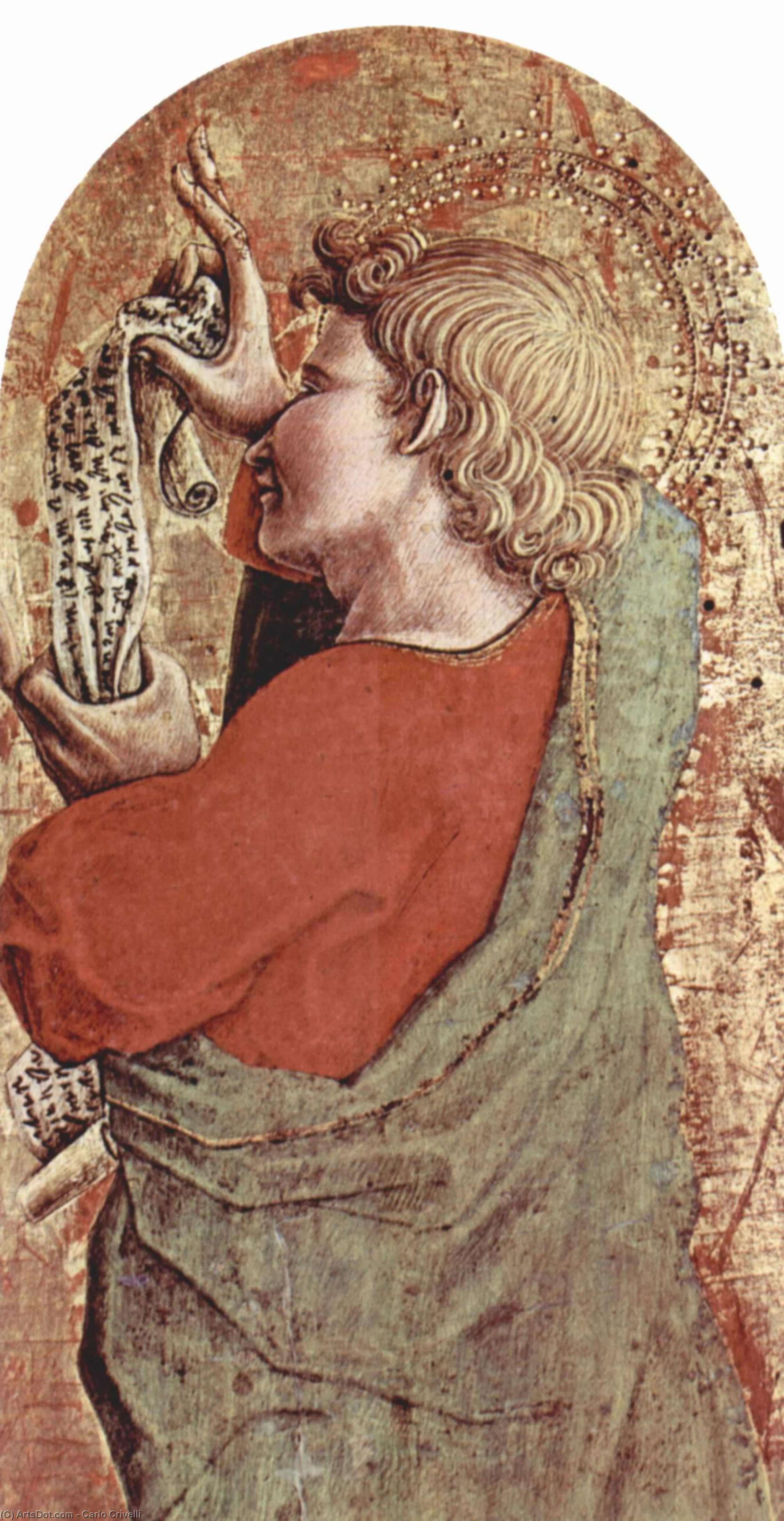
Saint James
 Oil On Panel
- Early Renaissance
 1473
1473- Renaissance
 29.0 x 17.0 cm
 Läs mer
Giclée / Konsttryck
Giclée- eller canvasprint av museumskvalitet med snabb produktion och flexibla ytbehandlingsalternativ. ( Byt till handmålad målning Byt till bild)




P118B $10

P118H $10

P118W $10

P438Z $10

P508JH $12

P508YH $12

P805H $10

P805Z $10

P919BZ $10

P919G $10

P919XJ $10

P959ZH $10

P968JZ $12

W106C $8

W218G $10

W218JH $8

W218Y $10

W307PJ $10

W316G $10

W316PJ $8

W316Y $10

W398PJ $8

W4111J $10

W500HY $15

W500JH $15

W692G $12

W849H $8

W940BG $15

W953PJ $8




Välj bland våra förinställda storlekar som motsvarar konstverkets ursprungliga proportioner.

Du kan ange egna mått för att passa en specifik ram eller yta. Om det valda måttet inte överensstämmer med originalbildens proportioner kommer vi antingen att beskära konstverket eller utöka bilden med en speglad eller enfärgad kant. En digital mockup skickas för ditt godkännande innan produktionen påbörjas.
Vänligen notera att förhandsvisningen på skärmen inte återspeglar den faktiska beskärningen eller utökningen. Endast mockuppen visar den slutgiltiga kompositionen korrekt.
Även om anpassade storlekar är möjliga, rekommenderar vi att du väljer ett mått från den fördefinierade listan för att bevara de ursprungliga proportionerna.
Leverans över hela världen () på 2 veckor istället för standard 4/5 veckor. (10 augusti)

Fri expressfrakt över hela världen

Högkvalitativ linnecanvas

Fullständig fraktförsäkring

Garantier för återbetalning av tullavgifter

Garantier för exakt färgåtergivning

60 dagars returrätt (endast vid fabrikationsfel)

100% pengarna tillbaka-garanti

Mängdrabatt erbjuds
 Glasalternativet är endast tillgängligt i storlekar under 110 cm.

Saint James
Giclée / Konsttryck
Reproduktionsstorlek
-


Totalpris
$ 80
Beskrivning av samlarobjektet
A Divine Encounter in Oil
In the quiet, textured depths of Carlo Crivelli’s Saint James, painted in 1473, viewers are transported to the dawn of the Italian Renaissance. This intimate masterpiece, rendered on a delicate wood panel, captures a moment of profound spiritual connection. The composition centers on a noble male figure—often identified through his attributes as a saintly presence—who rests his hand with gentle authority upon the head of a winged lion. There is an immediate, palpable sense of reverence in the way the figure holds his book, a symbol of divine wisdom and sacred scripture, while the lion gazals outward, bridging the gap between the earthly and the celestial. The painting does not merely depict a scene; it invites the observer into a meditative state, where the weight of history and the lightness of grace coexist.
The artistry of Crivelli is nothing short of mesmerizing, characterized by a meticulous attention to detail that defines his unique Venetian-influenced style. As an expert in the nuances of the Early Renaissance, one cannot help but admire the way the artist utilizes impasto techniques to breathe life into the fabric of the saint's crimson robes. The red pigments are layered with such richness that they seem to catch the light even in shadow, creating a tactile sensation of heavy, luxurious drapery. Crivelli’s mastery of trompe l'oeil—the art of optical illusion—is evident in the way the organic shapes of the lion’s wings and the anatomical precision of the figure’s hands emerge from a mottled, earthy background. This textured backdrop, far from being a mere void, acts as a weathered tapestry of time, lending the work an ancient, venerable soul.
Symbolism and the Renaissance Spirit
Beyond its aesthetic splendor, Saint James serves as a profound vessel for religious and civic symbolism. The presence of the winged lion is particularly evocative; while it serves as a companion to the saint, it also carries the heavy weight of Venetian identity, representing strength, majesty, and the watchful eye of the Republic. The interplay between the human form and the beast suggests a harmony between man’s intellect—represented by the book—and the untamed power of nature and divinity. For the discerning collector or interior designer, this piece offers more than just decoration; it provides a focal point of intellectual depth. The subtle lighting, descending from above to cast soft shadows across the musculature of the figure, creates a three-dimensional presence that commands attention in any curated space.
Integrating a reproduction of such historical significance into a modern environment allows for a sophisticated dialogue between the past and the present. Whether placed in a sunlit study or a grand, classical hallway, the work’s muted, earthy tones and dramatic highlights provide a sense of permanence and prestige. It is an artwork that rewards prolonged contemplation, offering new layers of meaning with every glance at its fine lines and masterful brushwork. To possess such a piece is to hold a fragment of the 15th century, a testament to the enduring power of Crivelli’s vision and the timeless beauty of the Renaissance spirit.
Om konstnären
tidigt liv och utbildning
Den italienske renässansmålaren Carlo Crivelli föddes i Venedig omkring 1430–35. Han kom från en familj av konstnärer och fick sin konstnärliga skolning i både Venedig och Padua. Det antas att Crivellis tidiga utbildning skedde under Jacobello del Fiore, som fortfarande var verksam år 1436, och han studerade även vid Vivarini-skolan i Venedig.
karriär och stil
Crivelli tillbringade sina tidiga år i Veneto-regionen, där han sög åt sig influenser från mästare som Vivarini, Squarcione och Mantegna. År 1458 lämnade han dock Veneto och tillbringade större delen av sin karriär i Marche-regionen kring Ancona. Här utvecklade han en särpräglad personlig stil som står i skarp kontrast till den hos hans venetianska samtida, Giovanni Bellini. Crivellis verk kännetecknas av en konservativ, sengotisk dekorativ känsla, präglad av en linjär kvalitet, en närmast besatt uppmärksamhet på detaljer och ett skickligt användande av "trompe l'oeil"-tekniker som lurar ögat.
noterbara verk och samarbeten
* Carlo Crivellis målning "Madonna och barnet på tronen" (106 x 55 cm, Museum of Fine Arts, Budapest, Ungern) är ett enastående exempel på hans stil. * Han samarbetade med sin yngre bror Vittorio Crivelli i flera projekt. * Pietro Alemanno, en målare som emigrerade till Marche-regionen från Tyskland/Österrike, var både hans elev och samarbetspartner.
museer och samlingar
* Pinacoteca di Brera i Milano, Italien, rymmer flera av Crivellis verk, däribland "Pietà" (128 x 241 cm). * Museo San Giovanni in Bragora i Venedig, Italien, besitter en samling konstverk från olika perioder och stilar, inklusive verk som tillskrivs Crivelli.
- Visa Carlo Crivellis konstverk på OriginalUniqueArt.com
- Utforska Jacopo Robustis verk på OriginalUniqueArt.com
- Läs mer om Carlo Crivelli på Wikipedia
Crivellis arv fortsätter att inspirera både konstentusiaster och forskare, och hans arbete förblir ett vittnesbörd om den bestående kraften i en konservativ, sengotisk dekorativ estetik.

Carlo Crivelli
1435 - 1495 , Italien
Snabbfakta
- Artistic Movement Or Style: Sengotik/Renässans
- Artists Or Movements Influenced By This Artist: ['Giovanni Bellini']
- Artists Who Influenced This Artist:
- Jacobello del Fiore
- Vivarini
- Squarcione
- Mantegna
- Date Of Birth: ca 1430-35 Venedig
- Date Of Death: ca 1495 Italien
- Full Name: Carlo Crivelli
- Nationality: Italiensk
- Notable Artworks:
- Madonna och barnet
- Sankt Bartolomäus
- Sankt Rochus
- Place Of Birth: Venedig, Italien
Relaterade artiklar

James Abbott McNeill Whistler: Topp 25 mästerverk för konstälskaren – OriginalUniqueArt.com
Utforska James Abbott McNeill Whistlers 25 mest ikoniska verk – från stämningsfulla Nocturnes till gripande porträtt. Upptäck konsthistoria, tekniker och inspiration för din inredning. Köp reproduktioner av högsta kvalitet på OriginalUniqueArt.com.

Sir Alfred James Munnings: Topp 25 mästerverk – Konst för hemmet & själen
Utforska Sir Alfred James Munnings 25 mest ikoniska målningar! Upptäck hästkonstens mästare, hans impressionistiska landskap & gripande krigskonst. Köp exklusiva konsttryck på OriginalUniqueArt.com – för en tidlös inredning.
Oil on Board: A Historical Survey of Technique, Aesthetic Qualities & Enduring Appeal
Explore the rich history of oil on board painting! Discover techniques, aesthetic qualities & enduring appeal from early masters to modern practice. Expert insights for collectors and art enthusiasts.

The Enduring Legacy of Oil on Canvas: Technique, History & Aesthetic Impact
Explore the rich history & techniques of oil painting – from Renaissance masters to Impressionism. Discover pigments, layering methods, and why this timeless medium endures. Expert insights for artists & art enthusiasts.

Olja på duk: En tidlös teknik – Historik, process och konstnärliga möjligheter
Utforska oljemålningskonsten! Lär dig om flamländsk teknik, materialval och historisk utveckling. Expertguider för både nybörjare och erfarna konstnärer – bevara dina målningar med bästa praxis.



