
 Visa i rummet
 Skicka
 Dela
Dela
 Detaljer

 Ladda ner
 Liknande objekt
 Röntgen
 Bildspel
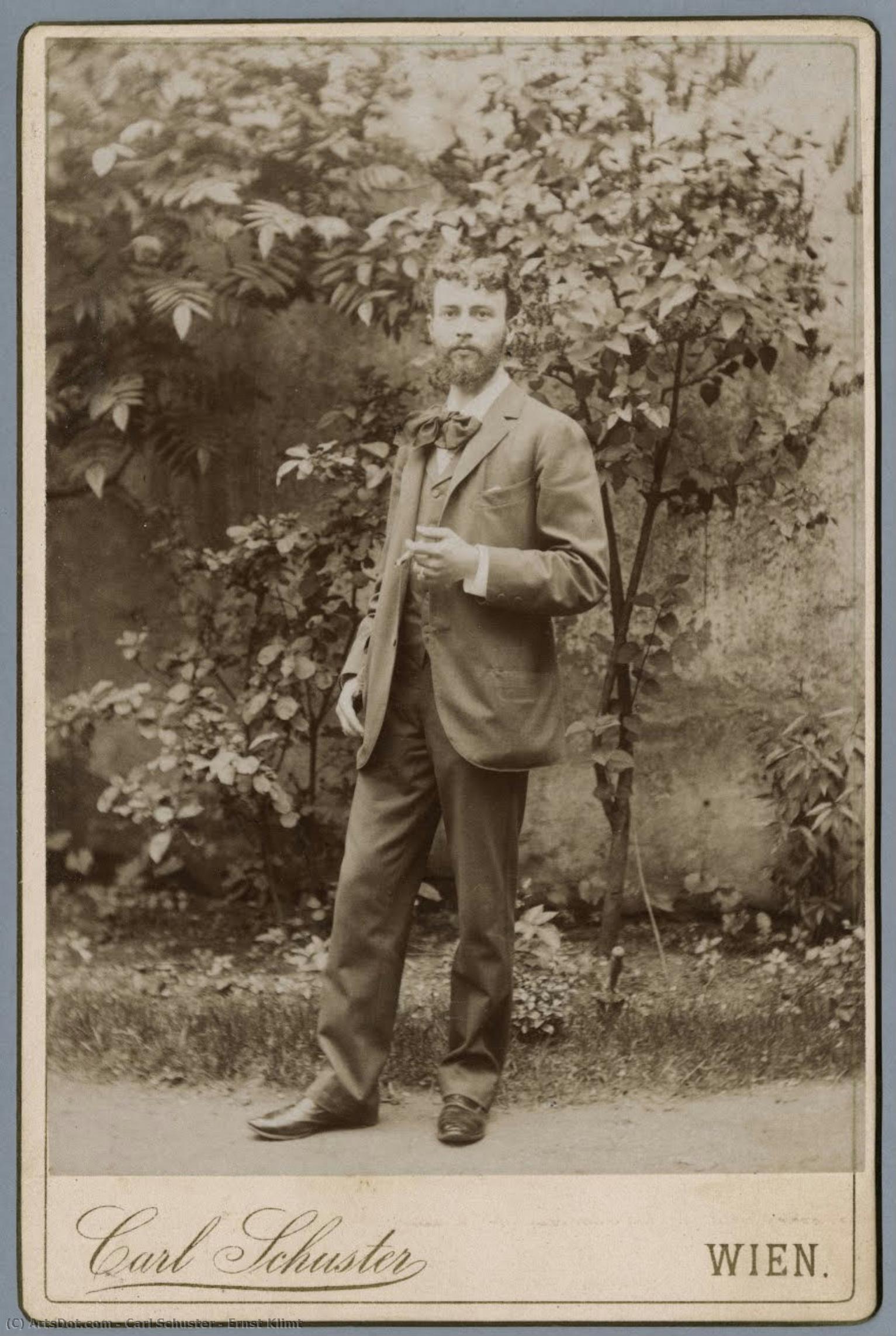
Ernst Klimt

 Läs mer
Köp en högupplöst, förbättrad digital bild som är vida överlägsen förhandsvisningen online.
Varje fil är noggrant förberedd av våra interna specialister med hjälp av avancerade verktyg och professionell manuell retuschering. Vi säkerställer att varje bild har exceptionell skärpa, exakt färgåtergivning och fina detaljer.
Den slutgiltiga filen levereras via e-post inom 72 timmar, optimerad för omedelbar användning i professionella sammanhang, redaktionellt bruk och tryckmiljöer. Detta är samma kvalitet som med förtroende används av ledande designstudior, förlag och gallerier.
Digital bild
Ladda ner en högupplöst fil för personlig visning, utskrift och kreativa projekt. ( Beställ tryck Byt till handmålad målning)
Ingår i varje beställning av digital bild
Professionell digital leverans, garanterad
När du väljer OriginalUniqueArt.com får du inte bara en bild – du får ett professionellt förädlat digitalt konstverk, skapat med precision och med en garanterad tillfredsställelse. Här är allt som ingår i din beställning, automatiskt:

Snabb leverans via e-post
Din högupplösta digitala bild skickas till dig via e-post inom 72 timmar efter beställning – redo för omedelbar användning.

AI-förbättrad digital fil
Ditt konstverk optimeras professionellt med hjälp av avancerade AI-verktyg och manuell redigering, vilket garanterar maximal detaljrikedom, skärpa och färgnoggrannhet.

Gratis livstidsåterutskick
Har du råkat radera eller tappa bort din fil? Ingen oro – vi skickar den kostnadsfritt till dig när som helst.

Inga importavgifter – någonsin
Njut av ditt konstverk omedelbart utan tull, importavgifter eller leveranskostnader – digitala nedladdningar är alltid skattefria.

Garanterad färgåtergivning
Vi säkerställer att din digitala bild återger de ursprungliga färgerna så exakt som möjligt med hjälp av professionella verktyg och färghantering.

60 dagars nöjdhetsgaranti
Om du inte är nöjd med din digitala bild kommer vi att revidera den eller återbetala 100% inom 60 dagar – utan frågor.

100% pengarna-tillbaka-garanti
Inte nöjd? Få full återbetalning inom 60 dagar efter att du har tagit emot din digitala fil – utan frågor och diskussioner.

Rabatt vid storköp
Köp 3 bilder, spara 10% – Köp 5, spara 15% – Köp 10+, spara 20%. Perfekt för kreativa projekt, gallerier och byråer.
Konstnärsbiografi
Willem de Kooning: A Life in Fragments
Born April 24, 1904, in Rotterdam, Netherlands, Willem de Kooning’s life was a complex tapestry woven from ambition, self-doubt, and an unrelenting pursuit of artistic expression. His early years were marked by a profound sense of displacement – his family moved to the United States when he was just two, settling in Trenton, New Jersey, and later relocating to Springs, Long Island, where he would spend much of his career. This transatlantic journey profoundly shaped his identity, fostering a unique perspective that would permeate his art. De Kooning’s artistic trajectory wasn't a linear ascent; it was characterized by periods of intense experimentation, critical rejection, and ultimately, profound recognition as one of the most significant figures in 20th-century American painting.
De Kooning’s formal training began at the School of Fine and Applied Arts in Philadelphia, followed by a brief stint at the Art Students League in New York City. However, it was his encounter with the vibrant avant-garde scene of post-World War II New York that truly ignited his artistic fire. He became associated with the influential critic Clement Greenberg, who championed his work and helped to establish him as a leading figure within Abstract Expressionism. Yet, de Kooning’s relationship with Greenberg was complex, marked by both admiration and critical disagreement. Despite this tension, Greenberg's support proved crucial in elevating de Kooning’s status and providing him with the platform he needed to develop his distinctive style.
De Kooning’s artistic evolution is often characterized by a shifting between figuration and abstraction. Early works demonstrate a strong influence of European masters like Ingres and Velázquez, particularly in his portraiture. However, as the 1940s progressed, he began to dismantle these traditional forms, embracing a more fragmented and expressive approach. The “Woman” series (1950-1953), with its jarring depictions of female figures – often rendered in violent, almost primal terms – remains one of his most iconic and controversial creations. These paintings are not simply portraits; they are explorations of the subconscious, grappling with themes of sexuality, power, and vulnerability. The series was met with considerable criticism initially, but it ultimately became recognized as a pivotal moment in de Kooning’s artistic development.
Beyond the “Woman” series, de Kooning continued to push the boundaries of painting throughout his career. Works like *Excavation* (1950), a chaotic and dynamic composition of earth tones and fragmented forms, demonstrate his fascination with process and materiality. He frequently employed techniques such as scraping, slashing, and dripping paint onto the canvas, creating surfaces that were both visually arresting and physically expressive. His later paintings, particularly those produced in the 1970s and 80s, reflect a renewed interest in figuration, often depicting scenes of everyday life – landscapes, interiors, and portraits – with a raw and unsettling intensity. These works are characterized by a sense of unease and ambiguity, reflecting de Kooning’s own complex and often contradictory personality.
The Rise of Surrealism and Early Influences
De Kooning's artistic journey began amidst the seismic shifts of the early 20th century. The rise of movements like Cubism, Futurism, and Dadaism challenged traditional notions of representation and paved the way for new forms of artistic expression. De Kooning was deeply influenced by these developments, particularly by the work of Pablo Picasso and Georges Braque, whose explorations of fractured perspectives and geometric abstraction provided a crucial foundation for his own artistic practice. However, unlike many of his contemporaries who embraced purely abstract styles, de Kooning maintained a strong connection to figurative imagery throughout his career.
His early exposure to European art was further shaped by the vibrant cultural scene of New York City in the 1920s and 30s. He frequented galleries and museums, encountering the work of artists like Salvador Dalí and Max Ernst, whose explorations of the subconscious and dreamlike imagery resonated deeply with his own artistic sensibilities. De Kooning’s fascination with Surrealism is evident in his early paintings, which often feature distorted figures, unsettling juxtapositions, and a sense of psychological tension. The influence of Freud's theories on the unconscious mind also played a significant role in shaping de Kooning’s artistic vision.
Despite this initial engagement with Surrealist ideas, De Kooning ultimately developed his own distinct style, characterized by a unique blend of abstraction and figuration. He rejected the rigid conventions of academic art, embracing instead a more intuitive and expressive approach to painting. His early works are often marked by a sense of restlessness and experimentation, reflecting his ongoing search for new ways to represent the world around him.
Key Works and Artistic Techniques
Willem de Kooning’s oeuvre is remarkably diverse, encompassing a wide range of subjects, styles, and techniques. His most celebrated works include the “Woman” series (1950-1953), *Excavation* (1950), *Untitled IX* (1976), and his numerous paintings of landscapes and interiors. These works demonstrate his mastery of color, composition, and brushwork, as well as his ability to evoke a powerful range of emotions.
De Kooning’s technique was characterized by a dynamic and often chaotic approach. He frequently employed techniques such as scraping, slashing, and dripping paint onto the canvas, creating surfaces that were both visually arresting and physically expressive. His use of color was equally innovative, ranging from muted earth tones to vibrant, almost hallucinatory hues. He often worked directly on the canvas, allowing his emotions and impulses to guide his brushstrokes.
Furthermore, de Kooning’s process involved a significant degree of improvisation and spontaneity. He rarely sketched preparatory drawings before embarking on a painting, preferring instead to work intuitively, responding to the evolving image as it emerged on the canvas. This approach resulted in paintings that are often characterized by a sense of energy and movement, reflecting the artist's own restless spirit.
Legacy and Historical Significance
Willem de Kooning’s impact on 20th-century art is undeniable. He played a pivotal role in shaping the development of Abstract Expressionism, challenging traditional notions of representation and paving the way for new forms of artistic expression. His work continues to be exhibited and studied around the world, inspiring artists and viewers alike.
De Kooning’s legacy extends beyond his individual paintings. He was a fiercely independent artist who refused to conform to prevailing trends or expectations. His willingness to experiment, challenge conventions, and express himself honestly has made him one of the most admired and influential figures in American art history. His work serves as a powerful reminder of the importance of artistic freedom and the enduring power of individual expression.
De Kooning’s life and career offer a compelling portrait of an artist grappling with questions of identity, creativity, and the nature of representation. His paintings are not merely images; they are windows into his complex and often contradictory psyche – a testament to the transformative power of art.

carl schuster
1904 - 1969 , United States of America
Kort om konstnären
- Artistic Movement Or Style: Surrealism
- Artists Or Movements Influenced By This Artist: ['Dalí']
- Artists Who Influenced This Artist: ['Sigmund Freud']
- Date Of Birth: May 11, 1904
- Date Of Death: January 23, 1989
- Full Name: Salvador Felipe Jacinto Dalí y Domenech
- Nationality: Spanish
- Notable Artworks:
- An Andalusian Dog
- The Golden Age
- Persistence of Memory
- Place Of Birth: Figueras, Spain

