- Hem

- Oljemålning, reproduktion
- carl buchheister
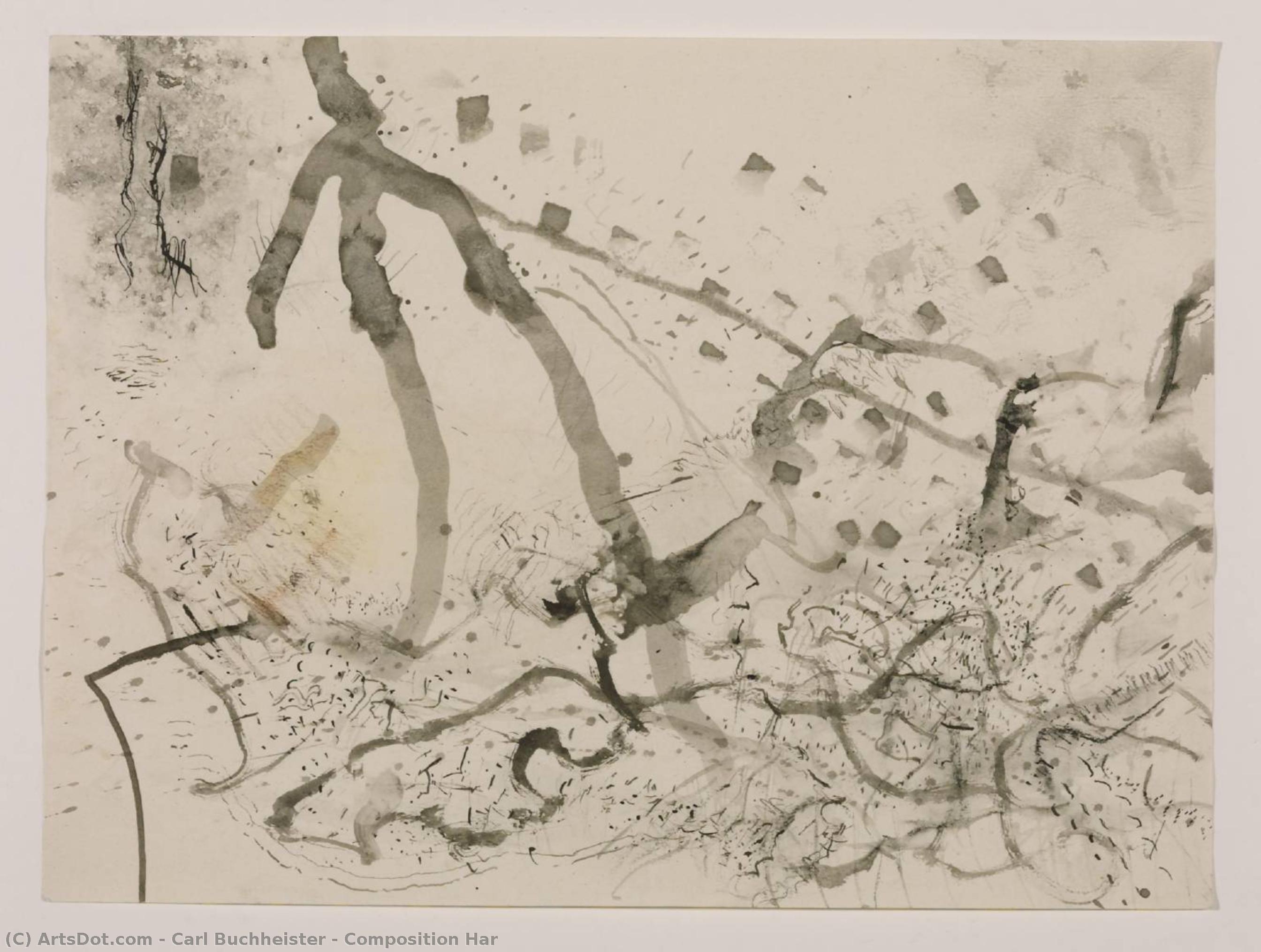
- Composition Har
 Visa i rummet
 Skicka
 Dela
Dela
 Detaljer

 Ladda ner
 Liknande objekt
 Röntgen
 Bildspel
Composition Har


 Läs mer
Handgjord oljereproduktion
Handmålad olja på duk i din valda storlek och ram, tillverkad efter beställning av våra konstnärer. ( Beställ tryck Byt till bild)




P118B $10

P118H $10

P118W $10

P438Z $10

P508JH $12

P508YH $12

P805H $10

P805Z $10

P919BZ $10

P919G $10

P919XJ $10

P959ZH $10

P968JZ $12

W106C $8

W218G $10

W218JH $8

W218Y $10

W307PJ $10

W316G $10

W316PJ $8

W316Y $10

W398PJ $8

W4111J $10

W500HY $15

W500JH $15

W692G $12

W849H $8

W940BG $15

W953PJ $8




Välj bland våra förinställda storlekar som motsvarar konstverkets ursprungliga proportioner.

Du kan ange egna mått för att passa en specifik ram eller yta. Om den valda storleken inte matchar originalbildens proportioner kommer vi antingen att beskära konstverket eller utöka målningen med ytterligare handmålade element. En digital skiss skickas till dig för godkännande innan produktionen påbörjas.
Observera att förhandsvisningen på skärmen inte återspeglar den faktiska beskärningen eller utökningen. Endast skissen visar den slutgiltiga kompositionen korrekt.
Även om anpassade storlekar är möjliga, rekommenderar vi att du väljer en dimension från den fördefinierade listan för att bevara originalproportionerna.
Efter beställning kommer OriginalUniqueArt.com team att mejla kunden för instruktioner och tillhandahålla en skissförhandsvisning
Leverans över hela världen () på 3–4 veckor istället för standard 5 veckor. (1 augusti). Inga kompromisser med kvaliteten.

Fri expressfrakt över hela världen

Högkvalitativ linnecanvas

Fullständig fraktförsäkring

Garantier för återbetalning av tullavgifter

Garantier för exakt färgåtergivning

60 dagars returrätt (endast vid fabrikationsfel)

100% pengarna tillbaka-garanti

Mängdrabatt erbjuds
 Glasalternativet är endast tillgängligt i storlekar under 110 cm.

Composition Har
Tryckteknik
Reproduktionsstorlek
-


Totalpris
$ 300
Om konstnären
Carl Buchheister: A Pioneer of Constructivist Landscape Painting
Carl Buchheister (October 17, 1890 – February 2, 1964) emerged as a significant figure in German art during the turbulent years following World War I, establishing himself as one of the foremost practitioners of Constructivism—a revolutionary artistic movement that sought to liberate painting from representational illusionism and embrace geometric abstraction. Born in Hanover, Germany, Buchheister’s formative years coincided with the burgeoning intellectual ferment of Expressionism and Dada, shaping his artistic sensibilities and propelling him toward a distinctive visual language rooted in elemental forms and bold color palettes.- Early Influences: Like many artists of his time, Buchheister absorbed considerable inspiration from the landscapes of Edvard Munch and Friedrich Nietzsche, whose philosophical explorations mirrored the anxieties and uncertainties surrounding the postwar era. These influences instilled a preoccupation with psychological depth and emotional intensity—characteristics that would permeate his oeuvre throughout his career.
- Constructivist Principles: Embracing the tenets of Constructivism championed by artists like Wassily Kandinsky and Aleksandr Rodchenko, Buchheister rejected traditional perspective and tonal shading in favor of simplified geometric shapes arranged according to principles of balance and rhythm. He aimed to distill visual experience into its purest essence, prioritizing formal structure over detailed depiction.
- Notable Works: Buchheister’s artistic output comprises a series of striking landscape paintings—most notably “Composition Gowa,” “Composition Ursiem,” and “Composition Har”—that exemplify his Constructivist aesthetic. These canvases showcase monumental expanses of color punctuated by angular forms, conveying a sense of grandeur and immediacy that transcends mere visual observation.
Formal Innovation & Color Theory
Buchheister’s compositional strategies were meticulously crafted to evoke profound emotional responses in the viewer. He utilized techniques borrowed from photography—specifically the concept of “photographic illusion”—to create images that appeared to capture fleeting moments of atmospheric grandeur. His masterful manipulation of color—particularly hues derived from mineral pigments—further amplified the expressive power of his paintings. Analyzing geological formations and utilizing a palette informed by scientific observation, Buchheister sought to translate natural phenomena into visual metaphors for psychological states.- Geometric Abstraction: The artist’s canvases are dominated by large-scale geometric shapes—rectangles, triangles, and circles—arranged in harmonious configurations that prioritize spatial relationships over realistic representation.
- Mineral Pigments & Color Harmony: Buchheister meticulously selected mineral pigments—such as ultramarine blue and ochre—to achieve precise color matches and create visual compositions characterized by striking chromatic contrasts.
Legacy & Historical Significance
Carl Buchheister’s contribution to German art extends beyond his individual paintings; he served as a pivotal voice in advocating for Constructivism's role in shaping the artistic landscape of the Weimar Republic. His unwavering commitment to abstraction—coupled with his profound engagement with geological observation and psychological exploration—established him as a pioneer of a movement that anticipated many developments in postwar abstract expressionism. Buchheister’s work continues to resonate today, reminding us of the transformative potential of art to grapple with existential questions and convey visceral experiences.Further Exploration
For deeper insights into Carl Buchheister's artistic vision and his influence on subsequent generations of artists, consult resources such as Wikipedia (
carl buchheister
1890 - 1964 , Germany
Snabbfakta
- Artistic Movement Or Style: Constructivism
- Date Of Birth: October 17, 1890
- Date Of Death: February 2, 1964
- Full Name: Carl Buchheister
- Nationality: German
- Notable Artworks:
- Composition Gowa
- Composition Ursiem
- Composition Har
- Place Of Birth: Hanover, Germany
Relaterade artiklar

Kandinskys 25 Mästerverk: En Färgstark Resa i Abstrakt Konst | OriginalUniqueArt
Utforska Wassily Kandinskys 25 mest ikoniska verk – från expressionism till abstrakt konst. Lär känna historien bakom mästerverken och hitta inspiration för din heminredning med OriginalUniqueArt.com. Upptäck hela samlingen online!
Fernand Léger: Topp 25 mästerverk – Modernismens färgstarka visionärer | OriginalUniqueArt
Utforska Fernand Légers 25 mest ikoniska målningar! Fördjupa dig i kubismens värld, maskinålderns färgstarka estetik och tidlösa konstverk. Köp reproduktioner av högsta kvalitet på OriginalUniqueArt.com – för din inredning.

MOMA:s 25 Mästerverk – Konsthistoriens Höjdpunkter för Ditt Hem
Upptäck MOMA:s 25 mest ikoniska konstverk – från van Gogh till Warhol! Lär känna historien bakom mästerverken och hitta inspiration för din heminredning. Köp museumskvalitativa reproduktioner på OriginalUniqueArt.com.

10 Akvarellmästerverk som Förändrade Konsthistorien | OriginalUniqueArt
Utforska 10 legendariska akvarellmålningar av Turner, Monet & Sargent som revolutionerade konsten. Lär känna historien bakom varje mästerverk och hitta inspiration till din inredning. Köp reproduktioner på OriginalUniqueArt.com!

Ephemeral Visions: Exploring the History & Emotional Resonance of Watercolor Painting
Explore the captivating history of watercolor painting, from ancient techniques to modern masters like Kandinsky & Blake. Discover essential artists, collecting tips & the emotional power of this luminous medium. Expert insights for art enthusiasts.

