

 Visa i rummet
 Skicka
 Dela
Dela
 Detaljer
 Studentguide för konstverk

 Ladda ner
 Liknande objekt
 Röntgen
 Bildspel
 Besökstatistik
Building the Devil's Bridge
 Oil On Canvas
- WallArt
- Romantic Industrialization
 1833
1833- 19th Century
 78.0 x 105.0 cm
 Neue Pinakothek
 Läs mer
Giclée / Konsttryck
Giclée- eller canvasprint av museumskvalitet med snabb produktion och flexibla ytbehandlingsalternativ. ( Köp handmålat konstverk Byt till digital bildförsäljning)




P118B Skr10

P118H Skr10

P118W Skr10

P438Z Skr10

P508JH Skr12

P508YH Skr12

P805H Skr10

P805Z Skr10

P919BZ Skr10

P919G Skr10

P919XJ Skr10

P959ZH Skr10

P968JZ Skr12

W106C Skr8

W218G Skr10

W218JH Skr8

W218Y Skr10

W307PJ Skr10

W316G Skr10

W316PJ Skr8

W316Y Skr10

W398PJ Skr8

W4111J Skr10

W500HY Skr15

W500JH Skr15

W692G Skr12

W849H Skr8

W940BG Skr15

W953PJ Skr8




Välj bland våra förinställda storlekar som motsvarar konstverkets ursprungliga proportioner.

Ange den bredd och höjd du behöver, för att passa din ram eller din vägg. Ett tryck kan endast beskäras, aldrig göras större än bilden, vilket innebär att ett format med en annan formform leder till att en del av bilden går förlorad. Vi skickar en digital mockup för godkännande innan vi trycker något. Bilden som visas på denna sida visar inte den faktiska beskärningen — det är endast mockuppen som gör det.
Leverans över hela världen () på 2 veckor istället för standard 4/5 veckor. (22 oktober)

Fri expressfrakt över hela världen

Högkvalitativ linnecanvas

Fullständig fraktförsäkring

Garantier för återbetalning av tullavgifter

Garantier för exakt färgåtergivning

100 dagars returrätt vid fabrikationsfel

100% pengarna tillbaka-garanti

Mängdrabatt erbjuds
 Glasalternativet är endast tillgängligt i storlekar under 110 cm.

Building the Devil's Bridge
Giclée / Konsttryck
Reproduktionsstorlek
-


Totalpris
Skr 793
A Symphony of Ambition and Nature
In his 1833 masterpiece, Building the Devil's Bridge, Carl Blechen invites the viewer into a profound dialogue between human ingenuity and the indomitable spirit of the natural world. This oil on canvas work is far more than a mere documentation of construction; it is a poignant exploration of the Romantic era’s complex relationship with progress. As a bridge begins to span a dramatic, yawning gorge, we witness a moment frozen in time where the burgeoning industrial revolution meets the ancient, silent majesty of the earth. The scene captures a sense of monumental effort, as workers navigate the rugged terrain, their small figures serving as a testament to human resilience amidst the towering, intimidating cliffs that frame the composition.
The painting breathes with a palpable tension, a duality that Blechen masterfully orchestrates through his use of light and shadow. The atmosphere is thick with a certain melancholic grandeur, achieved through a muted palette of earthy browns, somber greys, and subdued greens. This choice of color grounds the work in a raw, naturalistic reality, yet it is the dramatic lighting that truly stirs the soul. Soft, diffused daylight casts long, sweeping shadows across the gorge, highlighting the precariousness of the construction. These shadows do more than provide depth; they act as a metaphor for the inescapable shadow of mortality and the inherent vulnerability of human endeavors when pitted against the immense scale of geological time.
Symbolism and the Industrial Sublime
To gaze upon this work is to encounter the "Industrial Sublime." Blechen, a pioneer who dared to look beyond idealized landscapes, utilizes the bridge itself as a powerful symbol of human ambition and the desire to dominate formidable natural forces. The jagged edges of the rocks and the verticality of the cliffs represent the resistance of nature, while the presence of the crane—reminiscent of an instrument of execution—hints at the potential cost of such rapid advancement. There is a haunting beauty in this struggle, a sense that every step toward progress carries a weight of consequence.
For the discerning collector or interior designer, Building the Devil's Bridge offers a sophisticated focal point that commands attention through its narrative depth and structural complexity. The strong diagonal perspective draws the eye deep into the heart of the landscape, leading from the immediate human presence toward the hazy, distant mountains. This use of atmospheric perspective creates an expansive sense of space, making the artwork feel like a window into another era. Whether placed in a contemporary gallery or a classic study, this reproduction brings with it an aura of intellectual curiosity and emotional resonance, perfect for those who appreciate art that challenges the mind while captivating the eye.
Frågor och svar
Hur hittar jag konstverk som liknar "Building the Devil's Bridge" av Carl Blechen?
Sidan Liknande verk för "Building the Devil's Bridge" av Carl Blechen presenterar relaterade konstverk.
Vilken färgmättnad har "Building the Devil's Bridge" av Carl Blechen?
Färgpaletten i "Building the Devil's Bridge" har en mättnad på Muted.
Finns det en guide för "Building the Devil's Bridge" av Carl Blechen?
Guiden till "Building the Devil's Bridge" är konstverkets Guide-sida – ett utskrivbart faktablad som visar konstverket tillsammans med dess bildtext, källhänvisning och identitetstabell (konstnär, datum, medium, originalstorlek, samling).
Om konstnären
En banbrytare inom romantisk industrialisering: Carl Blechens liv och konst
Carl Eduard Ferdinand Blechen, född i Cottbus, Tyskland 1798, intar en unik och ofta förbisedd position inom landskapsmåleriet. Hans liv präglades av både konstnärlig briljans och personliga prövningar – en dualitet som djupt formade hans suggestiva och banbrytande verk. Ursprungligen ödestad för en pragmatisk karriär inom bankväsendet på grund av familjens ekonomiska omständigheter, segrade Blechens inneboende konstnärliga böjelser till slut. Han studerade vid Berlins Konstakademi 1822 och gav sig ut på en väg som skulle göra honom till en av de första konstnärerna att ta itu med de estetiska utmaningarna – och möjligheterna – som tidig industrialisering presenterade.
Blechens formativa år var genomsyrade av de romantiska ideal som svepte över Europa. Men till skillnad från många av sina samtida, som enbart fokuserade på idealiserad naturskönhet eller historisk storslagenhet, riktades Blechens blick mot en föränderlig värld. En avgörande resa till Italien 1828–1829 blev omvälvande. Fördjupad i ljuset och atmosfären på den italienska landsbygden finslipade han sina färdigheter i plein air-skisser, fångade flyktiga ögonblick och dramatiska effekter med anmärkningsvärd känslighet. Dessa skisser var inte bara förberedande studier; de genomsyrades av en livfull energi som skulle karakterisera hans mogna stil. Han återvände till Berlin inte bara som en tekniskt skicklig målare utan som en konstnär med en distinkt vision – en som sökte förena naturens sublima skönhet med modernitetens hotande realiteter.
Navigera tradition och transformation
Blechens konstnärliga produktion kännetecknas av en övertygande spänning mellan romantisk sensibilitet och en begynnande realism. Han undvek inte att skildra det spirande industriella landskapet, men han hyllade det heller inte okritiskt. Verk som Bau der Teufelsbrücke (Byggandet av Djävulsbron), målat mellan 1830 och 1832, exemplifierar detta tillvägagångssätt. Målningen glorifierar inte ingenjörskonsten; istället presenterar den en scen med mödosamt arbete mot en dramatisk bakgrund, som antyder både mänsklig ambition och potentialen för störningar i den naturliga ordningen. Denna vilja att konfrontera sin tids komplexitet skiljer honom från många av sina samtida.
Hans landskap är ofta genomsyrade av en melankolisk atmosfär, som återspeglar inte bara den föränderliga fysiska miljön utan också hans egna inre strider. Waldweg bei Spandau (Skogsväg nära Spandau) framkallar till exempel en känsla av ensamhet och introspektion samtidigt som det visar Blechens mästerlighet i ljus och skugga. Han använde skickligt atmosfärisk perspektiv för att skapa djup och stämning, dra in betraktaren i scenen och bjuda in till kontemplation. Han registrerade inte bara vad han såg; han förmedlade ett emotionellt svar på det.
En plågad begåvning och bestående arv
Trots sina konstnärliga prestationer blev Blechens liv tragiskt förkortat av psykisk sjukdom. Utnämnd till professor i landskapsmålning vid Berlins akademi 1831 – ett bevis på hans växande rykte – började hans tillstånd försämras snabbt efter 1835. Tvingad att ta ledigt och slutligen bli inlagd fortsatte han att skapa konst även mitt i sitt lidande, producerade gripande teckningar som gav en glimt av sin plågade inre värld. Han dog i Berlin 1840, 41 år gammal.
Även om hans karriär var relativt kort är Carl Blechens inflytande på efterföljande generationer av konstnärer obestridligt. Hans banbrytande skildringar av industriella landskap banade väg för senare realistiska och impressionistiska målare som sökte fånga det moderna livets förändrade ansikte. Han demonstrerade att det var möjligt att finna skönhet – och mening – även mitt i transformationen, en läxa som fortsätter att resonera med konstnärer idag. Hans verk är fortfarande en kraftfull påminnelse om det komplexa förhållandet mellan mänskligheten, naturen och framstegen.
Nyckelverk & Samlingar
- Im Berliner Tiergarten (Berlin Zoo), 1825: Ett tidigt exempel på hans förmåga att fånga atmosfäriska effekter och vardagliga scener med en romantisk sensibilitet.
- Waldweg bei Spandau (Skogsväg nära Spandau): Ett kusligt landskap som exemplifierar hans mästerlighet i ljus, skugga och stämning.
- Bau der Teufelsbrücke (Byggandet av Djävulsbron), 1830–32: En banbrytande skildring av tidig industrialisering som visar både mänsklig ambition och dess inverkan på den naturliga världen.
Idag kan Blechens verk hittas i framstående museisamlingar över hela världen, inklusive Kunsthalle Bielefeld i Tyskland, The Fitzwilliam Museum i Cambridge och National Gallery i London. Dessa institutioner bevarar hans arv för framtida generationer och säkerställer att hans innovativa vision fortsätter att inspirera och utmana betraktare.
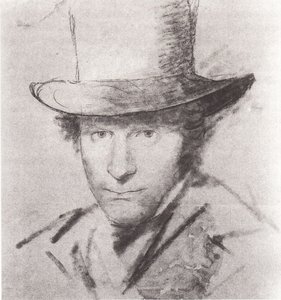
Carl Blechen
1798 - 1840 , Tyskland
Snabbfakta
- Artistic Movement Or Style: Romantiken
- Artists Who Influenced This Artist:
- Caspar David Friedrich
- Johann Christian Dahl
- Date Of Birth: 29 juli 1798
- Date Of Death: 23 juli 1840
- Full Name: Carl Eduard Ferdinand Blechen
- Nationality: Tysk
- Notable Artworks:
- Im Berliner Tiergarten
- Waldweg bei Spandau
- Bau der Teufelsbrücke
- Place Of Birth (City And Country): Cottbus, Tyskland
Relaterade artiklar

Evocations of Place: A Historical Journey Through Landscape Art
Explore the rich history of landscape art with OriginalUniqueArt. Discover renowned artists, movements like Impressionism & Romanticism, and expert guidance for collecting timeless pieces. Find your perfect serene escape today!

Romantiska landskap: Topp 10 mästerverk som definierade en epok – OriginalUniqueArt.se
Utforska de 10 mest ikoniska mästerverken inom romantisk landskapsmålning! Lär känna Caspar David Friedrich, Turner & andra. Hitta inspiration och köp museumkvalitativa konsttryck på OriginalUniqueArt.com.

John Constables 25 Mästerverk: En Konstnärlig Resa i Det Engelska Landskapet | OriginalUniqueArt
Utforska John Constables 25 mest ikoniska målningar – romantikens mästare av det engelska landskapet. Upptäck historien, tekniken & skönheten i verk som 'Hay Wain'. Köp exklusiva konsttryck på OriginalUniqueArt.com.

Evoking Nature's Sublime: A Comprehensive Exploration of 19th-Century Landscape Painting
Explore the captivating world of 19th-century landscape painting! Discover renowned artists like Friedrich & Monet, key movements, and find the perfect artwork to bring nature's serenity into your home. Expert insights at OriginalUniqueArt.

Romantic Realism's Finest: 10 Masterpieces for Your Home | OriginalUniqueArt
Explore 10 defining masterpieces of Romantic Realism! Discover Courbet, Millet & Daumier's powerful paintings—capturing emotion and social realities. Find museum-quality reproductions for your home at OriginalUniqueArt.com.

