
 Förhandsvisa
 Skicka
 Dela
Dela
 Visa detaljer
 Guide
Guide

 Ladda ner
 Liknande objekt
 Röntgen
 Bildspel
 Frågor och svar
 Statistik
The Concert

- 91.0 x 91.0 cm


 Visa mer
Giclée / Konsttryck
Giclée- eller canvasprint av museumskvalitet med snabb produktion och flexibla ytbehandlingsalternativ. ( Beställ handmålad reproduktion Byt till digital bild)




P118B Skr10

P118H Skr10

P118W Skr10

P438Z Skr10

P508JH Skr12

P508YH Skr12

P805H Skr10

P805Z Skr10

P919BZ Skr10

P919G Skr10

P919XJ Skr10

P959ZH Skr10

P968JZ Skr12

W106C Skr8

W218G Skr10

W218JH Skr8

W218Y Skr10

W307PJ Skr10

W316G Skr10

W316PJ Skr8

W316Y Skr10

W398PJ Skr8

W4111J Skr10

W500HY Skr15

W500JH Skr15

W692G Skr12

W849H Skr8

W940BG Skr15

W953PJ Skr8




Välj bland våra förinställda storlekar som motsvarar konstverkets ursprungliga proportioner.

Ange den bredd och höjd du behöver för att passa din ram eller vägg. Ett tryck kan endast beskäras, aldrig göras större än originalbilden, vilket innebär att ett format med en annan proportion leder till att en del av bilden går förlorad. Vi skickar en digital mockup för godkännande innan vi påbörjar tryckningen. Bilden som visas på denna sida visar inte den faktiska beskärningen — det är endast mockuppen som gör det.
Leverans över hela världen () på 2 veckor istället för standard 4/5 veckor. (6 november)

Fri expressfrakt över hela världen

Högkvalitativ linnecanvas

Fullständig fraktförsäkring

Garantier för återbetalning av tullavgifter

Garantier för exakt färgåtergivning

100 dagars returrätt (endast vid fel)

100% pengarna tillbaka-garanti

Mängdrabatt erbjuds
 Glasalternativet är endast tillgängligt i storlekar under 110 cm.

The Concert
Giclée / Konsttryck
Storlek på reproduktion
-


Slutgiltigt pris
Skr 811
The Concert: A Baroque Tableau of Musical Harmony
Callisto Piazza da Lodi’s “The Concert,” painted in 1528, isn't merely a depiction of musicians; it’s a vibrant distillation of the Renaissance ideal – a celebration of harmony, beauty, and the transformative power of music. This oil painting, now housed within the Museum of Art in Philadelphia, transports us to a richly appointed salon, brimming with activity and radiating an atmosphere of joyous performance. Piazza masterfully captures a pivotal moment where sound coalesces into visual spectacle, inviting the viewer to become a silent participant in this opulent scene.
The composition is immediately arresting, dominated by the central figure of a woman playing a lute – a symbol of refined artistry and intellectual pursuit during the era. She’s not simply performing; she embodies grace and poise, her posture suggesting both concentration and delight. Around her swirl other musicians: a man with a pipe, another skillfully manipulating a flute, and a young woman lost in the melody of her cello. The arrangement is deliberately crowded, creating an intimate space where each figure seems to be engaged in a shared experience. The inclusion of instruments like the recorder and lyra da braccio speaks to the diverse musical landscape of Northern Italy at the time – a region renowned for its vibrant musical traditions.
A Masterclass in Brescian Baroque Style
Piazza’s work firmly establishes itself within the burgeoning Brescian school of painting, a movement characterized by its dramatic lighting, rich colors, and meticulous attention to detail. Influenced heavily by Romanino and Moretto, Piazza inherits their penchant for dynamic compositions and a heightened sense of theatricality. The artist skillfully employs linear perspective, subtly flattening the background to draw our focus onto the performers. Notice how the figures are rendered with carefully defined lines, creating a sense of volume and texture – the folds of their robes, the sheen of their instruments, and the delicate details of their faces all contribute to an incredibly tactile quality.
Technically, Piazza demonstrates a sophisticated understanding of oil painting techniques. He utilizes layering—glazing—to build up color gradually, achieving remarkable depth and luminosity. The use of chiaroscuro – dramatic contrasts between light and shadow – is particularly effective in highlighting the central figure and creating a sense of drama. The textures are incredibly rich; you can almost feel the velvet of the robes, the polished wood of the instruments, and the warmth of the candlelight illuminating the scene.
Symbolism and the Language of Music
Beyond its aesthetic merits, “The Concert” is laden with symbolic meaning. The lute, a prominent instrument in the composition, represents not only musical skill but also intellectual refinement and artistic expression. The presence of multiple instruments signifies the diverse elements that contribute to a harmonious whole – music, intellect, and social interaction. The woman’s headdress, resembling a halo, subtly alludes to the divine inspiration behind music, suggesting that it is a gift from God.
Furthermore, the scene itself can be interpreted as an allegory for the pursuit of knowledge and enlightenment. Music, in this context, becomes a metaphor for understanding – a means of unlocking the secrets of the universe and achieving spiritual harmony. The joyous atmosphere of the performance reflects the belief that beauty and truth are intertwined, and that art has the power to elevate the human spirit.
A Timeless Echo of Renaissance Grandeur
“The Concert” by Callisto Piazza da Lodi is more than just a painting; it’s a window into a bygone era – a testament to the artistic achievements of the Brescian school and a celebration of the enduring power of music. Its vibrant colors, dynamic composition, and rich symbolism continue to captivate viewers centuries after its creation. Reproductions of this masterpiece offer an opportunity to bring this moment of Baroque grandeur into your own space, allowing you to experience firsthand the beauty and harmony that Piazza so skillfully captured on canvas.
Frågor och svar
Var i Callisto Piazza da Lodis karriär placerar sig "The Concert"?
Inom Callisto Piazza da Lodis karriär tillhör "The Concert" perioden Mature Period. Denna fas underlättar jämförelser med konstnärens övriga verk.
Hur ljus är "The Concert" i sin helhet?
Den upplevda ljusstyrkan i "The Concert" av Callisto Piazza da Lodi är deep_shadow. Den kan anpassas efter ljuset i det avsedda rummet.
Kan jag undersöka "The Concert" mer i detalj?
Röntgenvyn av "The Concert" av Callisto Piazza da Lodi finns på verkets Röntgenanalys-sida: en interaktiv undersökning av bilden genom elva optiska lager.
Konstnärsbiografi
The Legacy of Callisto Piazza da Lodi
In the vibrant tapestry of the Italian Renaissance and the burgeoning Baroque era, few names capture the essence of Lombardy’s artistic transition quite like Callisto Piazza da Lodi. Born in the historic city of Lodi around 1500, Piazza emerged as a pivotal figure within the Brescian school, a movement that would eventually redefine the visual language of Northern Italy. His life and work serve as a bridge between the meticulous, refined elegance of the Ferrarese tradition and the dramatic, emotive power of the Brescian masters. Though historical records offer only glimpses into his private years, his brushwork reveals a man deeply attuned to the shifting currents of 16th-century culture, where humanist ideals and papal patronage breathed new life into religious and secular iconography alike.
The foundations of Piazza’s mastery were likely laid within the fertile ground of a family of painters. The Piazza clan established a significant presence in Brescia, creating a workshop environment that functioned as both a sanctuary for tradition and a laboratory for innovation. It is widely believed by scholars that his early training was shaped by the influence of Ludovicto Mazzolino of Ferrara, whose style brought a certain jewel-like precision and intricate detail to the canvas. This Ferrarese influence, blended with the subtle nuances of Giovanni Agostino da Lodi, allowed Piazza to develop a technique that balanced delicate ornamentation with a growing interest in the atmospheric depth and light-play that would become hallmarks of his mature period.
A Master of Light and Brescian Drama
As his career progressed, Piazza became deeply embedded in the artistic soul of Brescia, a city that was then undergoing a profound stylistic evolution. He operated within a collective spirit, contributing to a body of work that embraced the revolutionary chiaroscuro effects championed by contemporaries such as Gian Battista Romanino. This mastery of light and shadow allowed him to imbue his religious frescoes and altarpieces with a sense of palpable presence and spiritual weight. His compositions often moved away from static, iconographic arrangements toward more dynamic, narrative-driven scenes that invited the viewer into a shared emotional space.
The development of his style can be observed through several key artistic pillars:
- The Integration of Chiaroscuro: Utilizing dramatic contrasts to create volume and a sense of theatrical movement within sacred narratives.
- Ferrarese Precision: Retaining a meticulous attention to detail and fine textures, a remnant of his early stylistic influences.
- Lombard Naturalism: A commitment to depicting figures and landscapes with an earthy, grounded realism that resonated with the Brescian aesthetic.
- Architectural Grandeur: His ability to execute large-scale frescoes that harmonized seamlessly with the ecclesiastical architecture of Northern Italy.
Historical Significance and Artistic Endurance
The historical importance of Callisto Piazza da Lodi lies not only in his individual achievements but in his role as a conduit for regional artistic identity. By synthesizing the refined elegance of the Ferrarese school with the rugged, emotive energy of the Brescian movement, he helped forge a distinct visual dialect that would influence generations of Lombard painters. His commissions, ranging from intimate devotional works to expansive religious frescoes, reflect the broader socio-political landscape of 16th-century Italy, where art served as both a tool for spiritual instruction and a symbol of civic prestige.
Though the passage of centuries has obscured some of the finer details of his biography, the enduring impact of his oeuvre remains visible in the way light interacts with form in the works of his successors. Piazza’s ability to capture the divine within the human experience—through the careful application of pigment and the strategic use of shadow—ensures his place in the pantheon of Italian masters. He remains a vital subject for any student of the Renaissance, representing a moment in time when the boundaries of art were being pushed toward the dramatic brilliance of the Baroque.
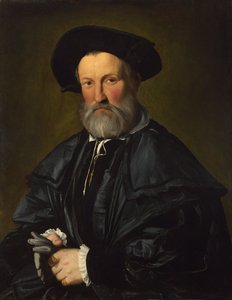
Callisto Piazza da Lodi
1500 - 1561 , Italy
Kortfakta
- Full Name: Callisto Piazza da Lodi
- Nationality: Italian
- Date Of Birth: 1500
- Date Of Death: 1561
- Place Of Birth: Lodi, Italy
- Notable Artworks:
- The Concert
- St Catherine of Alexandria
- Madonna and Child
- Artistic Movement Or Style: Brescian Style
- Artists Who Influenced This Artist:
- Romanino
- Moretto
- Dosso Dossi
- Ludovico Mazzolino
- Artists Or Movements Influenced By This Artist: ['Romanino']
Relaterade artiklar

Leonardo da Vincis 25 Mästerverk: Konsthistoriens Största Genier – OriginalUniqueArt
Utforska Leonardo da Vincis 25 mest ikoniska verk – från Mona Lisa till Sista måltiden. Upptäck renässansens mästerverk, deras historia och teknik. Köp högkvalitativa konsttryck & reproduktioner på OriginalUniqueArt.com.

Barockens Mästerverk: Topp 10 konstverk som definierade en epok – OriginalUniqueArt.se
Upptäck barockens 10 största mästerverk! Caravaggio, Rembrandt, Bernini och fler. Lär känna historien bakom ikoniska målningar & skulpturer. Köp reproduktioner av hög kvalitet på OriginalUniqueArt.com – för en lyxig heminredning.

Barockens dramatik: Att föra prakt och känsla in i samtida interiörer
Upptäck barockens dramatik och lyx! Lär dig hur du integrerar denna klassiska stil i ditt hem med våra experttips och inspirerande exempel. Skapa en palatskänsla idag!

Drama and Light: A Definitive Guide to the Italian Baroque Masterpieces and the Revolution of Chiaroscuro
Explore the dramatic world of Italian Baroque art. Discover how masters like Caravaggio used chiaroscuro and tenebrism to revolutionize painting through light, shadow, and profound realism. A definitive guide for history lovers and art collectors.

Leonardo da Vinci: A Renaissance Master’s Synthesis of Art, Science & Human Observation – Reinterpreted for the Collector
Explore Leonardo da Vinci’s timeless masterpieces with OriginalUniqueArt. Discover insights into his art, science, and legacy – trusted expertise for discerning collectors seeking authentic reproductions & investment opportunities.