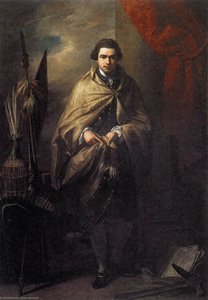
Förhandsvisa
 Skicka
 Dela
Dela
 Visa detaljer
 Guide
Guide

 Ladda ner
 Liknande objekt
 Röntgen
 Bildspel
 Q&A
Q&A Statistik
Death on a Pale Horse


 Visa mer
Giclée / Konsttryck
Giclée- eller canvasprint av museumskvalitet med snabb produktion och flexibla ytbehandlingsalternativ. ( Beställ handmålad reproduktion Byt till digital bild)




P118B Skr10

P118H Skr10

P118W Skr10

P438Z Skr10

P508JH Skr12

P508YH Skr12

P805H Skr10

P805Z Skr10

P919BZ Skr10

P919G Skr10

P919XJ Skr10

P959ZH Skr10

P968JZ Skr12

W106C Skr8

W218G Skr10

W218JH Skr8

W218Y Skr10

W307PJ Skr10

W316G Skr10

W316PJ Skr8

W316Y Skr10

W398PJ Skr8

W4111J Skr10

W500HY Skr15

W500JH Skr15

W692G Skr12

W849H Skr8

W940BG Skr15

W953PJ Skr8




Välj bland våra förinställda storlekar som motsvarar konstverkets ursprungliga proportioner.

Ange den bredd och höjd du behöver för att passa din ram eller vägg. Ett tryck kan endast beskäras, aldrig göras större än originalbilden, vilket innebär att ett format med en annan proportion leder till att en del av bilden går förlorad. Vi skickar en digital mockup för godkännande innan vi påbörjar tryckningen. Bilden som visas på denna sida visar inte den faktiska beskärningen — det är endast mockuppen som gör det.
Leverans över hela världen () på 2 veckor istället för standard 4/5 veckor. (1 november)

Fri expressfrakt över hela världen

Högkvalitativ linnecanvas

Fullständig fraktförsäkring

Garantier för återbetalning av tullavgifter

Garantier för exakt färgåtergivning

100 dagars returrätt (endast vid fel)

100% pengarna tillbaka-garanti

Mängdrabatt erbjuds
 Glasalternativet är endast tillgängligt i storlekar under 110 cm.

Death on a Pale Horse
Giclée / Konsttryck
Storlek på reproduktion
-


Slutgiltigt pris
Skr 804
The Genesis of Despair – Benjamin West’s “Death on the Pale Horse”
Benjamin West's "Death on a Pale Horse," painted in 1796, isn't merely a depiction of a biblical scene; it’s an immersive plunge into the heart of human anxiety and the sublime terror of impending doom. Born amidst the burgeoning intellectual currents of colonial America, West was a painter who defied easy categorization, seamlessly blending Neoclassical restraint with Romantic fervor. This particular work, one of three versions created around the same time, stands as a testament to his ability to capture not just outward appearances but also the profound emotional weight of historical and religious narratives. The painting’s genesis lies in the chilling verses of Revelation 6:7-8 – “And when he opened the fourth seal, I heard the voice of the fourth beast say, Come and see. And I looked, and behold a pale horse; and his name that sat on him was Death, and Hell followed with him.” West wasn’t simply illustrating scripture; he was grappling with the anxieties of his era – the turbulent political landscape of Europe, marked by revolution and war, and a growing sense of uncertainty about the future. The composition itself is deliberately chaotic, reflecting the apocalyptic imagery it portrays, yet grounded in a carefully constructed arrangement that draws the viewer into the maelstrom.
A Symphony of Darkness and Light – Technique and Style
West’s masterful technique elevates “Death on a Pale Horse” beyond a simple illustration. He employs a dramatic chiaroscuro—a stark contrast between light and shadow—to create an atmosphere thick with foreboding. The palette is dominated by deep, bruised purples, somber browns, and the sickly yellow of the pale horse itself, evoking a sense of decay and impending mortality. The figures are rendered with meticulous detail, their faces contorted in expressions of agony and despair, yet imbued with a haunting beauty. Notice particularly the angel on the left, his face etched with sorrow as he witnesses the carnage; his posture conveys both helplessness and profound grief. The use of loose brushstrokes in the background adds to the sense of movement and chaos, while more controlled strokes define the central figures, anchoring the scene within a framework of dramatic intensity. The painting’s scale—a monumental 447 cm x 764.5 cm—further amplifies its impact, enveloping the viewer in the horrifying spectacle.
Symbolism Woven into the Apocalypse – Horses, Angels, and Humanity
Beyond the immediate depiction of a battle between good and evil, “Death on a Pale Horse” is rich with symbolic meaning. The pale horse itself, ridden by Death, is the most potent symbol—a harbinger of destruction and decay. The accompanying figure of Hell, often depicted as a winged demon, reinforces this theme of ultimate annihilation. However, West doesn’t simply portray a passive victimhood; the painting also features angels engaged in fierce combat, representing the struggle between divine forces. The human figures scattered across the battlefield—some falling, some fleeing—represent humanity caught in the crossfire of cosmic conflict. The inclusion of various animals – horses, birds, and even a lion – adds layers of complexity to the symbolism, suggesting the indiscriminate nature of death and destruction. The overall effect is not merely a depiction of a single event but an exploration of universal themes of mortality, suffering, and the fragility of human existence.
A Legacy of Vision – Historical Context and Artistic Significance
“Death on the Pale Horse” emerged during a period of profound social and political upheaval in Europe. The French Revolution was raging, Napoleon’s armies were conquering vast territories, and anxieties about the future were widespread. West's painting reflects this atmosphere of uncertainty and fear, capturing the sense that order was collapsing and chaos reigned supreme. Furthermore, the work aligns with the broader artistic trends of the late 18th century, particularly the rise of the “Sublime”—a concept emphasizing awe-inspiring beauty combined with a sense of terror or dread. West’s painting exemplifies this aesthetic, evoking feelings of both fascination and horror in the viewer. It's considered one of his most significant works, alongside "The Death of General Wolfe" and "Benjamin Franklin Drawing Electricity from the Sky," solidifying his position as a pivotal figure in American art history. Reproductions of this powerful image continue to resonate with audiences today, reminding us of our shared vulnerability in the face of mortality.
Frågor och svar
Vad rekommenderas en reproduktion av "Death on a Pale Horse" av Benjamin West för?
Det rekommenderade användningsområdet för ett tryck av "Death on a Pale Horse" är Statement.
Finns det verk som liknar "Death on a Pale Horse"?
Hitta verk som liknar "Death on a Pale Horse" på verkets sida Liknande verk.
Var kan jag hitta en guide till "Death on a Pale Horse"?
Guiden till "Death on a Pale Horse" är konstverkets Faktablad för elever-sida – ett utskrivbart faktablad som visar konstverket tillsammans med dess bildtext, källhänvisning och identitetstabell (konstnär, datum, medium, originalstorlek, samling).
Konstnärsbiografi
A Pioneer Bridging Worlds: The Life and Legacy of Benjamin West
Born in 1738 amidst the burgeoning landscape of colonial Pennsylvania, Benjamin West emerged as a pivotal figure in the transatlantic art world, a painter who skillfully navigated the currents of Neoclassicism and Romanticism while forging a uniquely American artistic identity. His story is one of remarkable self-education, unwavering ambition, and an extraordinary ability to connect with both aristocratic patrons and revolutionary ideals. From humble beginnings—his father an innkeeper in Springfield—West’s innate talent was nurtured by early exposure to the arts, reportedly learning rudimentary techniques from Native Americans before receiving any formal training. This unconventional start instilled within him a spirit of innovation that would characterize his entire career. He quickly established himself as a sought-after portraitist in Philadelphia and New York, but a thirst for deeper artistic knowledge propelled him towards Europe in 1760, embarking on a journey that would irrevocably alter the course of American art.From Italy to London: Forging a Path to Recognition
West’s arrival in Italy marked a turning point. Immersing himself in the artistic heartland of Europe, he studied the masters—Titian, Raphael—and engaged with contemporary Neoclassical thinkers like Anton Rafael Mengs and Angelica Kauffman. This period was crucial in shaping his aesthetic sensibilities, instilling within him an appreciation for classical form and historical narrative. He meticulously copied works by these great artists, absorbing their techniques and understanding of composition. However, it was London that ultimately became his adopted home and artistic center. Arriving in 1763, West swiftly ascended the ranks of the British art scene, captivating audiences with his ambitious canvases and securing the patronage of King George III. This royal endorsement not only provided financial stability but also cemented his position as a leading figure within the establishment. A defining moment came with his election to the Royal Academy in 1769, an institution he would later preside over as President from 1792 until his death. His influence extended beyond his own artistic production; West became a champion for American artists seeking training in Europe, offering guidance and support to generations of aspiring painters like Allston, Copley, and Morse.Revolutionizing Historical Painting: Technique and Controversy
West’s impact on the art world wasn't merely about achieving technical mastery; it was about challenging conventions. He dared to reimagine historical painting, moving away from rigid adherence to classical precedent and embracing a more contemporary sensibility. The Death of General Wolfe (1770), arguably his most famous work, exemplifies this revolutionary approach. By depicting the fallen general surrounded by figures in *contemporary* military attire rather than traditional Roman garb, West sparked considerable debate. Critics questioned the historical accuracy, but audiences were captivated by the immediacy and emotional resonance of the scene. This bold move signaled a shift towards greater realism and narrative power in history painting, influencing countless artists who followed. His style evolved over time, incorporating elements of Romanticism into his later works, yet always retaining a commitment to ambitious composition and detailed execution. Other notable pieces like Thetis Bringing the Armor to Achilles, The Three Sisters, The Fright of Astyanax, and The Cave of Despair demonstrate his versatility and mastery across a range of mythological and historical themes. The meticulous detail in his brushwork, combined with dramatic lighting and dynamic compositions, created works that were both visually stunning and emotionally engaging.A Lasting Legacy: Shaping Artistic Identity
Benjamin West’s legacy extends far beyond the canvases he created. He fundamentally altered the landscape of American art, establishing history painting as a viable genre for American artists and fostering a sense of national artistic identity. His presidency of the Royal Academy solidified his influence on British art, promoting innovation and supporting emerging talent.- He championed a more accessible and emotionally engaging style of historical representation.
- His studio became a haven for American artists seeking training in Europe.
- He bridged the gap between Neoclassicism and the burgeoning Romantic movement.
Key Works
* The Death of General Wolfe (1770): A pivotal work that redefined historical painting with its contemporary setting and dramatic composition. * Thetis Bringing the Armor to Achilles (c. 1769): Demonstrates West’s skill in rendering mythological subjects with a classical sensibility. * Agrippina with Germanicus’ Ashes (1768): A poignant portrait reflecting themes of loss and remembrance. * Kleombrotos’ Departure (c. 1770): A dynamic depiction of a historical event, showcasing West's ability to capture movement and emotion.Influences
West drew inspiration from a diverse range of sources, including: * **Italian Renaissance Masters:** Titian, Raphael, and Michelangelo profoundly influenced his understanding of composition, color theory, and human anatomy. * **Neoclassical Thinkers:** Mengs and Angelica Kauffman shaped his approach to classical form and historical narrative. * **Contemporary Artists:** West’s work was also impacted by the innovations of artists like Joshua Reynolds and Gavin Hamilton.Legacy
Benjamin West's contributions to art history are significant. He not only produced a vast body of influential paintings but also played a crucial role in fostering artistic exchange between America and Europe, shaping the development of American painting for generations to come. His legacy continues to be celebrated as an example of artistic innovation, cultural diplomacy, and enduring creative vision.
Benjamin West
1738 - 1820 , USA
Kortfakta
- Artistic Movement Or Style: Neoklassisk, Romantisk
- Artists Or Movements Influenced By This Artist:
- Allston
- Copley
- Morse
- Artists Who Influenced This Artist:
- Tizian
- Rafael
- Mengs
- Date Of Birth: 1738-10-10
- Date Of Death: 1820-03-11
- Full Name: Benjamin West
- Nationality: Amerikansk
- Notable Artworks:
- Döden för general Wolfe
- Thetis
- De tre systrarna
- Place Of Birth: Springfield, USA
Relaterade artiklar
The Noble Steed on Canvas: A Historical & Artistic Exploration of Horse Painting Across Cultures
Explore the rich history of horse painting! Discover masterpieces from Stubbs to Munnings & learn about symbolism, techniques & artists. Find museum-quality reproductions at OriginalUniqueArt.

Benjamin West: Transatlantic Ambition & Shaping American Art
Explore the life & legacy of Benjamin West, pioneering American artist and Royal Academy president. Discover his Neoclassical masterpieces, transatlantic influence, and lasting impact on art history. Learn more at OriginalUniqueArt.

The Equine Muse: A Historical & Artistic Exploration of Horses in Painting
Explore the captivating history of horses in painting! Discover Renaissance masterpieces, Baroque grandeur & expert insights for collecting equestrian art. Learn about symbolism, techniques & lasting value with OriginalUniqueArt.
The Noble Steed: A Historical and Artistic Exploration of Horses in Fine Art
Explore the rich history of horses in fine art! From ancient depictions to Renaissance masterpieces & beyond, discover iconic artworks and artists. Learn about symbolism, techniques, and find museum-quality reproductions at OriginalUniqueArt.

Pale Goldenrod i Konsthistorien: 10 Mästerverk för Hemmet & Själens Ro
Utforska 10 ikoniska målningar dominerade av 'Pale Goldenrod'! Lär känna Monet, Van Gogh & andra mästare. Inred vackert med klassisk konst – från impressionism till renässans. Upptäck museumskvalitativa reproduktioner på OriginalUniqueArt.com.