Pre-Columbian Art · 1521
Spider Monkey (Aztekriket, 1521)
Aztekriket (1300–1521) skapade Spider Monkey. Den är från 1521. Det tillhör Pre-Columbian Art-rörelsen. Den är utförd i Clay / Terracotta. Verket finns bevarat på Rhode Island School of Design Museum of Art i Providence, USA. Måtten är 35 × 26 cm.
- 1521
- Clay / Terracotta
- 35 × 26 cm
- Rhode Island School of Design Museum of Art, Providence

 Handmålad oljemålning
 Skicka
 Dela
 Faktablad


 Ladda ner
 Liknande objekt
 Bildspel
 Frågor och svar

 Statistik
Spider Monkey i korthet
- Titel
- Spider Monkey
- Konstnär
- Aztekriket (1300–1521)
- Konstnär född i
- Tenochtitlan, Mexiko
- Datum
- 1521
- Material
- Clay / Terracotta
- Mått
- 35 × 26 cm
- Utställningsplats
- Rhode Island School of Design Museum of Art, Providence, USA
- Rörelse
- Pre-Columbian Art
- Tidsperiod
- Late Medieval
- Motiv
- aztec monkey, clay sculpture, native mexico, tenochtitlan, earrings artwork, pre-columbian art
Vad föreställer Spider Monkey?
A Glimpse into Tenochtitlan: The Spider Monkey Sculpture
This exceptional hand-painted reproduction captures a pivotal moment in Aztec artistic expression – the creation of a remarkably detailed sculpture depicting a spider monkey, dating back to 1521. Crafted by artisans within the heart of the Aztec Empire, specifically in Tenochtitlan, this piece offers an intimate window into the beliefs and aesthetic sensibilities of one of Mesoamerica’s most influential civilizations. The original sculpture, likely created during the reign of Moctezuma I, speaks volumes about the Aztecs' deep connection to the natural world and their sophisticated understanding of symbolism.
- Subject Matter: The central figure is a spider monkey, an animal revered within Aztec cosmology. Monkeys were associated with intelligence, agility, and trickery – qualities valued in both human endeavors and divine beings.
- Material & Technique: Executed in clay, a readily available material throughout the Valley of Mexico, the sculpture demonstrates the Aztecs’ mastery of ceramic techniques. The application of color, though faded over centuries, reveals traces of vibrant pigments derived from minerals like ochre and malachite, reflecting their skilled understanding of natural dyes.
- Size & Presentation: Measuring 35 x 26 cm, this reproduction is perfectly sized for display in a variety of settings – from private collections to interior design projects. The white backdrop emphasizes the sculpture’s form and color, allowing it to command attention without distraction.
Symbolism and Spiritual Significance
The inclusion of earrings on the monkey's ears is particularly significant. In Aztec art, adornment – especially with feathers and precious stones – was a powerful symbol of status, divinity, and connection to the spiritual realm. The addition of these ornaments elevates the monkey from a simple animal representation to a figure imbued with symbolic weight, potentially representing a deity or an important ancestor. The crossed legs suggest stability and contemplation, further reinforcing the sculpture’s spiritual purpose.
The Aztec worldview was deeply intertwined with ritual and belief. Art served not merely as decoration but as a conduit for communicating with the gods and maintaining cosmic balance. This Spider Monkey sculpture is therefore more than just an object; it's a tangible expression of their faith and understanding of the universe.Historical Context: The Aztec Empire at its Zenith
Created in 1521, this sculpture represents the apex of the Aztec Empire’s artistic achievements. The year marks the fall of Tenochtitlan to Hernán Cortés and the Spanish conquistadors – a dramatic turning point in Mesoamerican history. Despite this tragic event, the legacy of Aztec art continues to resonate today, offering invaluable insights into their culture and ingenuity. The sculpture's creation reflects the empire’s confidence and power, showcasing its artistic prowess before the arrival of European influence.
Artist: Aztec Empire Date: 1521 Size: 35 x 26 cmEmotional Impact & Artistic Value
This reproduction evokes a profound sense of connection to the past. It’s a tangible link to the artistic traditions of the Aztec people, inviting contemplation on their beliefs, values, and remarkable achievements. The sculpture's inherent beauty, combined with its historical significance, makes it a compelling addition to any art collection or interior design scheme. It is a testament to human creativity and resilience, offering a powerful reminder of a civilization that flourished for centuries before succumbing to the forces of change.
Vilket museum har Spider Monkey?
Rhode Island School of Design Museum of Art
Providence, USA
Ett levande laboratorium för konstnärlig synergi Inbäddat i det historiska hjärtat av Providence, Rhode Island, står RISD Museum som ett djupsinnigt vittnesbörd om den kraftfulla synergin mellan konstnärligt skapande och rigorös utbildning. Mer än bara en förvaringsplats för vackra föremål fungerar det som ett levande laboratorium där generationer av konstnärer och designers har förfinat sina färdigheter, hämtat inspiration och utmanat konventionella gränser. Museet grundades 1877 tillsammans med själva Rhode Island School of Design och var aldrig tänkt att vara ett isolerat monument över det förflutna; snarare föddes det som en integrerad del av en framåtblickande institution dedikerad till att forma framtidens konst och design.


Högupplösta bilder av Spider Monkey

Allmän egendom: konstnären avled 1521.
Andra storlekar, beskärningar och citering →Aztekriket, Spider Monkey (1521), Rhode Island School of Design Museum of Art. Allmän egendom
Frågor om Spider Monkey besvarade
Vilket museum har originalet till "Spider Monkey"?
Originalet av "Spider Monkey" av Aztekriket finns på Rhode Island School of Design Museum of Art, Providence, USA. En reproduktion gör det möjligt att visa verket i hemmet.
Vilket år skapades "Spider Monkey" av Aztekriket?
"Spider Monkey" dateras till 1521. Datumet placerar verket inom Aztekrikets karriär och dess epok.
Vilket medium är "Spider Monkey" av Aztekriket utförd i?
"Spider Monkey" av Aztekriket är utförd i Clay / Terracotta. Reproduktionerna strävar efter att återge teknikens särpräglade utseende.
Vilka är måtten på originalet av "Spider Monkey" av Aztekriket?
Originalet av "Spider Monkey" av Aztekriket mäter 35 x 26 cm.
Vad föreställer "Spider Monkey" av Aztekriket?
"Spider Monkey" av Aztekriket föreställer: aztec monkey, clay sculpture, native mexico, tenochtitlan, earrings artwork, pre-columbian art, ancient mesoamerica.
Är bilden av "Spider Monkey" av Aztekriket fri att återge?
"Spider Monkey" av Aztekriket är allmän egendom – upphovsrätten har löpt ut. Denna status avgör hur bilden av verket får återges.
Vilken konstnär tillskrivs "Spider Monkey"?
"Spider Monkey" skapades av Aztekriket. Informationen på denna sida beskriver Aztekrikets originalverk.
Vilken konststil tillhör "Spider Monkey" av Aztekriket?
"Spider Monkey" av Aztekriket tillhör Pre-Columbian Art-rörelsen. Denna rörelse ger det stilistiska sammanhanget för verket.
Vilken fas av Aztekrikets konstnärliga utveckling representerar "Spider Monkey"?
Inom Aztekrikets karriär tillhör "Spider Monkey" perioden Late Period. Denna fas underlättar jämförelser med konstnärens övriga verk.
Om konstnären, Aztekriket

1300–1521, Mexiko
Aztekriket
Stenens ekon: En utforskning av Aztekrikets konst och arv Namnet ”Aztek” – härlett från det nahuatlska ordet ātl-ce-tlācati–tlān, som betyder ”folket av många former” – frammanar bilder av ett vidsträckt och komplext imperium som dominerade Mesoamerika under århundraden. Mer än bara krigare och erövrare var aztekerna djupt konstnärliga individer som vävde in en intrikat skönhet i varje aspekt av sina liv – från monumental arkitektur till delikat fjäderkonst, från heliga ritualer till vardagliga föremål. Deras konst var inte enbart dekorativ; den utgjorde ett levande språk som kommunicerade religiös tro, politisk makt, historiska berättelser och sociala hierarkier inom ett samhälle som var både strikt strukturerat och anmärkningsvärt innovativt. De aztekiska konsttraditionerna föddes i början av 1400-talet i Tenochtitlan, Aztekrikets hjärta, och var djupt rotade i arvet från tidigare mesoamerikanska civilisationer.
Andra verk av Aztekriket
 Mosaic of a Double-headed Serpent1521
 Head from a Figure, Xochipilli Macuilxochitl1521
 Figure1521
 Serpent Labret med Articulerad Tand

Essäer om Spider Monkey
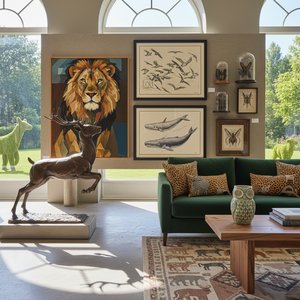 Djurens Bestående Närvaro i Konsten: Symbolik och InredningsdesignUtforska djurens fascinerande symbolik i konsten och hur du kan integrera dessa teman i din inredning. Expertinsikter om hundar, katter, hä…
 25 Masterpieces by Francisco de Zurbarán: The Soul of Spanish BaroqueExplore 25 iconic Spanish Baroque masterpieces by Zurbarán. Discover the soul of Tenebrism on OriginalUniqueArt.com.
 The Evolution of Form: A History of Sculpture from Classical Antiquity to ModernityTrace the evolution of sculpture from classical ideals to modern metaphor. Explore the history of form now.