
 Visa i rummet
 Skicka
 Dela
Dela
 Detaljer
 Studentguide för konstverk

 Ladda ner
 Liknande objekt
 Röntgen
 Bildspel
 Besökstatistik
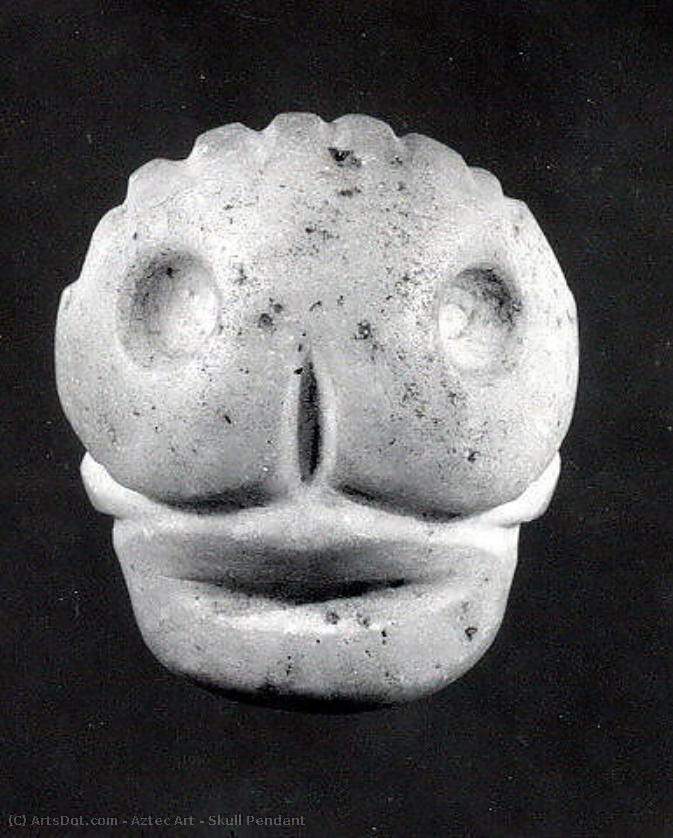
Skull Pendant


 Läs mer
Handgjord oljereproduktion
Handmålad olja på duk i din valda storlek och ram, tillverkad efter beställning av våra konstnärer. ( Byt till tryckta exemplar Byt till digital bildförsäljning)




P118B Skr10

P118H Skr10

P118W Skr10

P438Z Skr10

P508JH Skr12

P508YH Skr12

P805H Skr10

P805Z Skr10

P919BZ Skr10

P919G Skr10

P919XJ Skr10

P959ZH Skr10

P968JZ Skr12

W106C Skr8

W218G Skr10

W218JH Skr8

W218Y Skr10

W307PJ Skr10

W316G Skr10

W316PJ Skr8

W316Y Skr10

W398PJ Skr8

W4111J Skr10

W500HY Skr15

W500JH Skr15

W692G Skr12

W849H Skr8

W940BG Skr15

W953PJ Skr8




Välj bland våra förinställda storlekar som motsvarar konstverkets ursprungliga proportioner.

Ange den bredd och höjd du behöver för att passa din ram eller din vägg. Eftersom detta är handmålat kan konstnären vid en annan form måla lite mer runt bilden eller beskära den något – du väljer själv. Vi skickar en digital mockup för godkännande innan målningen påbörjas. Bilden som visas på denna sida representerar inte det slutgiltiga resultatet — det är endast mockuppen som visar det.
Efter beställning kommer OriginalUniqueArt.com team att mejla kunden för instruktioner och tillhandahålla en skissförhandsvisning
Leverans över hela världen () på 3–4 veckor istället för standard 5 veckor. (22 oktober). Inga kompromisser med kvaliteten.

Fri expressfrakt över hela världen

Högkvalitativ linnecanvas

Fullständig fraktförsäkring

Garantier för återbetalning av tullavgifter

Garantier för exakt färgåtergivning

100 dagars returrätt vid fabrikationsfel

100% pengarna tillbaka-garanti

Mängdrabatt erbjuds
 Glasalternativet är endast tillgängligt i storlekar under 110 cm.

Skull Pendant
Tryckteknik
Reproduktionsstorlek
-


Totalpris
Skr 2972
The Weight of Ancestors: An Exploration of the Aztec Skull Pendant
Gazing upon this black and white photograph, one is immediately drawn to the stark simplicity and profound symbolism of the Aztec skull pendant. More than a mere decorative object, it’s a window into a complex culture grappling with themes of death, remembrance, and the cyclical nature of existence – a potent visual echo of an empire both magnificent and tragically ephemeral. The image itself, meticulously rendered in grayscale, captures not just the physical form of the artifact but also the solemnity associated with its origins. The deep black background serves to amplify the pendant’s contours, emphasizing the intricate carvings that speak volumes about Aztec artistry and belief.
- Material & Technique: The pendant is believed to be crafted from a durable stone – perhaps jade or obsidian – showcasing the skill of Aztec artisans. The photographic process, likely utilizing traditional techniques, subtly captures the texture of the material, revealing minute imperfections that hint at its age and the hands that shaped it.
- Form & Detail: The stylized skull is instantly recognizable as a representation of *Mictecacihuatl*, the “Lady of the Dead,” a powerful goddess presiding over the underworld. The simplified features – the prominent nasal cavity, the carefully rendered eye sockets – are not intended to be realistic but rather symbolic, conveying an essence rather than a likeness.
- Composition & Lighting: The central framing draws the viewer’s attention directly to the pendant, creating a sense of intimacy and reverence. The directional lighting highlights the carving details while casting subtle shadows that lend depth and dimensionality to the image.
Echoes of Tenochtitlan: Historical Context and Aztec Ritual
To truly appreciate this pendant, it’s essential to understand its place within the broader context of Aztec society. The Aztecs, who flourished in central Mexico from roughly 1345 to 1521, were deeply preoccupied with death and the afterlife. Their religion centered on a complex pantheon of gods, including Huitzilopochtli, the god of war and sun, and Coatlicue, the goddess of earth and fertility – both frequently depicted in association with skulls. This pendant wouldn’t have been worn casually; it was likely employed as an amulet or offered during rituals honoring deceased ancestors, a tangible link to those who had passed beyond the veil.
The Aztecs believed that the souls of the dead continued to influence the living, and maintaining a strong connection with ancestors through remembrance and offerings was paramount. Skulls themselves held significant symbolic weight – representing both mortality and regeneration. They were often used in elaborate ceremonies involving human sacrifice, intended to appease the gods and ensure the continuation of the cosmos. While the specific purpose of this particular pendant remains open to interpretation, it undoubtedly served as a powerful reminder of these fundamental beliefs.
Symbolism & Emotional Resonance: A Dialogue with Mortality
Beyond its historical context, the skull pendant possesses a potent emotional resonance. The stark simplicity of the form, combined with the grayscale palette, evokes a sense of melancholy and contemplation. It’s not a celebratory image; rather, it invites reflection on the inevitability of death and the enduring power of memory. The Aztec reverence for ancestors is palpable – this object isn't simply a representation of death but a testament to the importance of honoring those who came before.
Consider the deliberate choice of grayscale. Color would have been far less prevalent in Aztec art, emphasizing the symbolic weight of each element. The absence of vibrant hues forces us to focus on form, texture, and the underlying narrative embedded within the carving. The pendant becomes a conduit for connecting with a distant past, prompting questions about our own mortality and the legacies we leave behind.
A Legacy in Stone: Reproduction & Artistic Interpretation
Reproductions of this remarkable artifact offer a unique opportunity to bring a piece of Aztec artistry into your home or collection. When selecting a reproduction, consider the materials used – a high-quality print on archival paper will ensure that the image retains its clarity and vibrancy for years to come. The detail and accuracy of the reproduction are also crucial; look for an artist who has meticulously studied the original artifact and captured its essence with sensitivity and respect.
More than just a decorative object, this skull pendant represents a profound cultural legacy – a testament to the ingenuity, spirituality, and artistic skill of the Aztec people. It’s a powerful reminder that even in death, memory endures, and that our connection to those who came before shapes our own identities.
Frågor och svar
Var kan jag köpa ett tryck av "Skull Pendant" av Aztekriket?
Ett tryck av "Skull Pendant" av Aztekriket kan beställas direkt på dess Konsttryck i hög kvalitet-sida: ett konsttryck på bomullscanvas eller arkivbeständigt canvaspapper.
Vilken kontrastnivå uppvisar "Skull Pendant" av Aztekriket?
"Skull Pendant" av Aztekriket uppvisar en Statement kontrast mellan sina ljusa och mörka partier.
Vilken storlek bör jag välja för tryck av "Skull Pendant" till mitt rum?
För ett Living Room är den rekommenderade tryckstorleken för "Skull Pendant" av Aztekriket Medium.
Om konstnären
Stenens ekon: En utforskning av Aztekrikets konst och arv
Namnet ”Aztek” – härlett från det nahuatlska ordet ātl-ce-tlācati–tlān, som betyder ”folket av många former” – frammanar bilder av ett vidsträckt och komplext imperium som dominerade Mesoamerika under århundraden. Mer än bara krigare och erövrare var aztekerna djupt konstnärliga individer som vävde in en intrikat skönhet i varje aspekt av sina liv – från monumental arkitektur till delikat fjäderkonst, från heliga ritualer till vardagliga föremål. Deras konst var inte enbart dekorativ; den utgjorde ett levande språk som kommunicerade religiös tro, politisk makt, historiska berättelser och sociala hierarkier inom ett samhälle som var både strikt strukturerat och anmärkningsvärt innovativt.
De aztekiska konsttraditionerna föddes i början av 1400-talet i Tenochtitlan, Aztekrikets hjärta, och var djupt rotade i arvet från tidigare mesoamerikanska civilisationer. Olmekerna, med sina kolossala huvuden och sofistikerade kalendersystem, Teotihuacán-folket, kända för sina massiva pyramider och stadsplanering, samt toltékerna, mästare inom metallarbete och skulptur, bidrog alla till den rika konstnärliga väv som aztekerna ärvde. Aztekerna var dock inte bara efterföljare; de syntetiserade dessa influenser med sin egen unika estetiska känsla och utvecklade en särpräglad stil kännetecknad av djärva färger, intrikata geometriska mönster och symboliska representationer.
Maktens palett: Material och tekniker
Aztekisk konst var anmärkningsvärt mångsidig och använde en häpnadsväckande variation av material och tekniker. Stenhuggarkonsten intog en framträdande plats, exemplifierad av monumentala skulpturer som föreställde gudomar, härskare och mytiska varelser. Den massiva Solstenen (Kalenderstenen), som upptäcktes 1946, står som ett bevis på deras mästerskap inom detta medium – ett komplext, skiktat stenrelief som förenade kalendarisk information med kosmologisk symbolism. Skickliga hantverkare arbetade även med trä, lera, fjädrar – särskilt de vibrerande quetzal-fjädrarna – jade, turkos, obsidian och guld, vilket återspeglade både rikedom och status.
Fjäderkonsten var kanske den mest visuellt slående aspekten av aztekisk konst. Intrikat utformade huvudbonader, mantlar, sköldar och andra dekorativa föremål skapades med tusentals noggrant arrangerade fjädrar – en process som krävde enorm skicklighet och tålamod. Dessa föremål var inte bara vackra; de fungerade som kraftfulla symboler för auktoritet, religiös hängivenhet och social rang. Färgerna i sig bar på specifika betydelser: blått representerade himlen, grönt symboliserade fertilitet, rött betydde krigföring och gult representerade solen.
Vidare var de aztekiska konstnärerna mästare på mosaikarbete, där de skapade fantastiska dekorativa paneler med hjälp av små, precist tillskurna stenplattor. Dessa mosaiker prydde tempel, palats och privata bostäder och tillförde ett lager av visuell rikedom till den byggda miljön. Deras keramik var lika imponerande, med intrikata geometriska mönster och avbildningar av djur och gudomar.
Symbolernas språk: Teman och motiv
Aztekisk konst är genomdränkt av symbolism, där varje bild bär på lager av mening som krävde noggrann tolkning av präster, skrivare och härskare. Den centrala gudomen, Huitzilopochtli, krigets och solens gud, avbildades ofta i praktfulla huvudbonader prydda med fjädrar och ädelstenar. Quetzalcoatl, den befjädrade ormguden förknippad med kunskap, visdom och skapelse, intog en framstående plats i deras panteon och förekom i otaliga konstnärliga representationer.
Kalendersystemet – en anmärkningsvärt sofistikerad kombination av sol- och rituella cykler – var ett annat återkommande motiv. Bilder av kalendrar, glyfer och astronomiska symboler integrerades i skulpturer, mosaiker och codices (illustrerade böcker), vilket återspeglade aztekernas djupa förståelse för tid och kosmologi. Framställningar av majs, basfödan i deras kost, symboliserade näring och fertilitet. Djurmotiv – särskom jaguarer, örnar, ormar och kolibrier – bar på en symbolisk betydelse kopplad till makt, mod och gudomlighet.
Ett arv i fragment: Konst och historisk betydelse
Aztekrikets plötsliga kollaps under de spanska conquistadorernas händer år 1521 innebar en förödande förlust för den mesoamerikanska kulturen. Tragiskt nog förstördes mycket av deras konstnärliga arv under erövringen – tempel jämnades med marken, skulpturer krossades och codices brändes. Men trots dessa förluster lever fragment av aztekisk konst kvar än idag och erbjuder ovärderliga inblickar i denna anmärkningsvärda civilisation.
Bland de mest betydelsefulla exemplen finns Solstenen, en monumental skulptur som visar upp aztekernas avancerade kunskaper inom astronomi och matematik; intrikata huvudbonader och mantlar av fjädrar som bevarats på museer runt om i världen; samt överlevande codices – handskrivna böcker som innehåller historiska redogörelser, religiös tro och kalendarisk information. Colección Andrés Blaisten i Mexiko hyser en betydande samling latinamerikansk konst, inklusive exempel som belyser de aztekiska konsttraditionerna.
Inflytandet från Aztekrikets konstnärliga arv kan fortfarande ses idag och inspirerar både samtida konstnärer och designers. Deras innovativa tekniker, symboliska bildspråk och djupa koppling till naturen fortsätter att resonera med en publik över hela världen. Att utforska aztekernas konst är inte bara en övning i historisk uppskattning; det är en resa in i hjärtat av en komplex och fängslande civilisation – ett vittnesbörd om mänsklig kreativitet, uppfinningsrikedom och andligt djup.
För att utforska fler konstverk från Aztekriket och andra framstående konstnärer, besök OriginalUniqueArt.com.

Aztekriket
1300 - 1521 , Mexiko
Snabbfakta
- Artistic Movement Or Style: Mesoamerikansk konst
- Artists Or Movements Influenced By This Artist: ['Modern konst']
- Artists Who Influenced This Artist:
- Olmeker
- Teotihuacan
- Toltek
- Date Of Birth: 1300 (Tenochtitlan)
- Date Of Death: 1521
- Full Name: Aztekriket
- Nationality: Mexikansk
- Notable Artworks:
- Aztekisk kalender
- Solpyramiden
- Mexica-fjäderarbete
- Place Of Birth: Tenochtitlan, Mexiko
Relaterade artiklar

Pre-Raphaelite Romanticism: The Revival of Medieval Beauty and Nature in Victorian Art
Explore the profound beauty of Pre-Raphaelite Romanticism. Discover how visionaries like Rossetti and Millais revived medievalism and nature through meticulous detail and vibrant color in Victorian art history.
The Pre-Raphaelite Brotherhood: Reclaiming Beauty, Nature, and Truth in Victorian Art History
Explore the revolutionary Pre-Raphaelite Brotherhood. Discover how these visionary artists rejected academic tradition to reclaim beauty, nature, and truth through luminous detail and literary depth in Victorian art history.

Pre-Raphaelite Romanticism: A Guide to Vivid Detail and Medieval Beauty in Victorian Art
Explore the vivid detail and medieval beauty of Pre-Raphaelite Romanticism. Discover the history of masters like Rossetti and Millais through our expert guide to Victorian art, perfect for collectors and professionals seeking authentic, museum-quality reproductions.

Dante Gabriel Rossettis 25 Mästerverk: Konst, Symbolik & Heminredning
Utforska Dante Gabriel Rossettis 25 mest ikoniska konstverk! Upptäck prerafaeliternas symbolik, romantisk konst och tidlösa berättelser bakom mästerverken. Köp museumkvalitativa tryck & inred med vacker väggkonst på OriginalUniqueArt.com.
Beyond the Basics: The Bold, Dreamy World of Pre-Raphaelite Art
Dive into the vivid, rebellious world of Pre-Raphaelite art. Explore the intense detail, romantic myths, and bold colors of this iconic movement, and learn how to bring these timeless, hand-painted masterpieces into your modern space with expert curation.

