
 Förhandsvisa
 Skicka
 Dela
Dela
 Visa detaljer
 Guide
Guide

 Ladda ner
 Liknande objekt
 Röntgen
 Bildspel
 Statistik
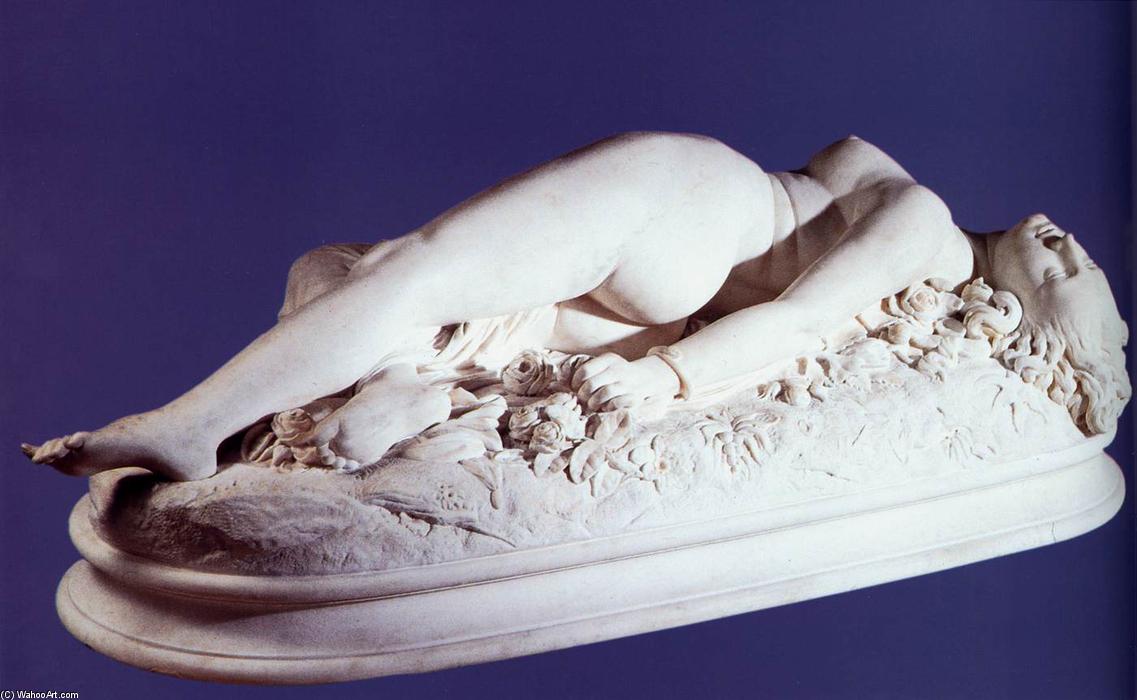
Woman Bitten by a Snake
 Neoclassicism
 1847
1847 56.0 x 180.0 cm
 Musée d'Orsay
 Visa mer
Giclée / Konsttryck
Giclée- eller canvasprint av museumskvalitet med snabb produktion och flexibla ytbehandlingsalternativ. ( Beställ handmålad reproduktion Byt till digital bild)




P118B Skr10

P118H Skr10

P118W Skr10

P438Z Skr10

P508JH Skr12

P508YH Skr12

P805H Skr10

P805Z Skr10

P919BZ Skr10

P919G Skr10

P919XJ Skr10

P959ZH Skr10

P968JZ Skr12

W106C Skr8

W218G Skr10

W218JH Skr8

W218Y Skr10

W307PJ Skr10

W316G Skr10

W316PJ Skr8

W316Y Skr10

W398PJ Skr8

W4111J Skr10

W500HY Skr15

W500JH Skr15

W692G Skr12

W849H Skr8

W940BG Skr15

W953PJ Skr8




Välj bland våra förinställda storlekar som motsvarar konstverkets ursprungliga proportioner.

Ange den bredd och höjd du behöver för att passa din ram eller vägg. Ett tryck kan endast beskäras, aldrig göras större än originalbilden, vilket innebär att ett format med en annan proportion leder till att en del av bilden går förlorad. Vi skickar en digital mockup för godkännande innan vi påbörjar tryckningen. Bilden som visas på denna sida visar inte den faktiska beskärningen — det är endast mockuppen som gör det.
Leverans över hela världen () på 2 veckor istället för standard 4/5 veckor. (26 oktober)

Fri expressfrakt över hela världen

Högkvalitativ linnecanvas

Fullständig fraktförsäkring

Garantier för återbetalning av tullavgifter

Garantier för exakt färgåtergivning

100 dagars returrätt (endast vid fel)

100% pengarna tillbaka-garanti

Mängdrabatt erbjuds
 Glasalternativet är endast tillgängligt i storlekar under 110 cm.

Woman Bitten by a Snake
Giclée / Konsttryck
Storlek på reproduktion
-


Slutgiltigt pris
Skr 793
A Serpent’s Embrace: Auguste Clésinger's *Woman Bitten by a Snake*
Auguste Clésinger’s 1847 marble sculpture, *Woman Bitten by a Snake*, is far more than a depiction of a dramatic, even unsettling, scene. It’s a potent distillation of Neoclassical ideals colliding with the burgeoning currents of Realism and Romanticism, a work that ignited controversy upon its debut at the Paris Salon and continues to hold an undeniable allure. The sculpture captures a moment of exquisite torment – a reclining nude female figure, her left arm entwined around a small serpent poised to deliver its venomous bite. The pose itself is crucial; it’s not one of passive suffering but of intense, almost ecstatic, vulnerability. Her body curves with a languid grace, yet every muscle seems taut with the sudden shock and pain of the attack. The drapery, meticulously carved to mimic the folds of luxurious fabric, cascades around her like a storm cloud, intensifying the drama and obscuring details while simultaneously emphasizing the contours of her form.
Neoclassical Roots, Romantic Intensity
Clésinger’s style firmly anchors *Woman Bitten by a Snake* within the Neoclassical tradition. The idealized beauty of the figure—a deliberate echo of classical sculpture—is evident in her balanced proportions and serene expression (despite the obvious distress). However, beneath this surface lies a distinctly Romantic sensibility. The heightened emotion, the dramatic lighting that casts deep shadows across her face and body, and the unsettling subject matter – a venomous bite – all point to an exploration of intense feeling and psychological depth, qualities often associated with the Romantic movement. The sculpture wasn’t simply about depicting a beautiful woman; it was about conveying a powerful emotional experience.
The Scandal and the Secret: A Life-Cast Revelation
The initial reception of *Woman Bitten by a Snake* at the 1847 Salon was explosive, not for its artistic merit alone, but due to a scandalous revelation. Theophile Gautier, a prominent literary critic and staunch defender of artistic integrity, exposed a secret behind Clésinger’s creation: the sculpture was based on a life-cast taken from Apollonie Sabatier, a celebrated *demi-mondaine* (a fashionable courtesan) who was also the muse of Charles Baudelaire. This practice of using actual models—particularly those with imperfections like cellulite – was considered highly unorthodox and even vulgar at the time. The revelation fueled public outrage, accusing Clésinger of exploiting his model’s physical flaws for artistic gain. The controversy surrounding the life-cast underscored a broader debate about the role of realism in art and the ethical considerations of representing the human body.
Symbolism and Interpretation: Venom, Beauty, and Desire
Beyond the scandal, *Woman Bitten by a Snake* is rich with symbolic meaning. The serpent itself is an ancient symbol of temptation, danger, and transformation – often associated with both death and rebirth. The bite represents not just physical pain but also a profound psychological wound, a loss of innocence or a confrontation with forbidden desires. The reclining pose suggests vulnerability and surrender, while the figure’s expression hints at a complex mixture of fear, pleasure, and resignation. Some scholars interpret the sculpture as an allegory for the perils of beauty and the seductive power of desire, suggesting that even in its idealized form, the female body remains susceptible to harm and corruption. The choice of marble, known for its durability and timelessness, further elevates the image, imbuing it with a sense of permanence and enduring fascination.
This reproduction captures the essence of Clésinger’s masterpiece, offering a stunning addition to any art collection or interior space. Its dramatic composition and evocative symbolism will undoubtedly spark conversation and admiration for years to come.
Frågor och svar
Hur förhåller sig "Woman Bitten by a Snake" till resten av Auguste Clésingers konstnärskap?
"Woman Bitten by a Snake" delar med Auguste Clésingers övriga verk sin Neoclassicism-stil och de återkommande temana: neoclassical mastery, monumental figures, salon success, classical antiquity, roman sculpture, renaissance ideals, idealized beauty, mythological allusion.
När skapades "Woman Bitten by a Snake" av Auguste Clésinger och vilken stil tillhör det?
"Woman Bitten by a Snake" skapades år 1847 inom Neoclassicism-rörelsen.
Kan jag se "Woman Bitten by a Snake" av Auguste Clésinger på min egen vägg innan jag köper den?
"Woman Bitten by a Snake" har en förhandsvisning med förstärkt verklighet: konstverkets Förhandsvisning i AR-sida visar det i ditt eget utrymme på en kompatibel enhet.
Konstnärsbiografi
Auguste Clésinger: Life and Legacy
Early Life and Training
- Born: October 22, 1814, in Besançon, France.
- Auguste Clésinger came from an artistic family; his father, Georges-Philippe Clésinger, was a sculptor who provided Auguste with his initial training.
- This early exposure instilled in him a foundational understanding of sculptural techniques and aesthetics.
Artistic Development and Style
- Clésinger’s artistic style evolved through the 19th century, initially embracing Neoclassical principles but gradually incorporating elements of Realism and Romanticism.
- He skillfully blended technical precision with emotional intensity in his works.
- His sculptures often depict dramatic narratives and sensuous figures, showcasing a mastery of anatomy and form.
Major Works and Achievements
- Woman Bitten by a Serpent (1847): This sculpture caused a sensation at the Paris Salon due to its dramatic realism and erotic undertones. It was modeled from life casts of Apollonie Sabatier.
- Madame Sabatier (1847): A marble portrait of his model, Apollonie Sabatier, further establishing Clésinger’s reputation for capturing beauty and sensuality.
- Chopin's Funerary Monument (1850): Commissioned after the composer Frédéric Chopin’s death, this white marble monument at Père Lachaise Cemetery is a poignant tribute to the musician.
- Angel of Grief: A deeply moving sculpture embodying Baroque drama and pathos.
- He also created busts of prominent figures like Rachel Félix and Théophile Gautier, and a statue of Louise of Savoy.
Influences and Relationships
- Influenced by: His father, Georges-Philippe Clésinger, provided his initial artistic foundation.
- Clésinger’s association with Apollonie Sabatier, a salonnière and mistress of several prominent artists including Charles Baudelaire, exposed him to intellectual and artistic circles.
- His marriage in 1847 to Solange Dudevant, daughter of George Sand, further connected him to literary society.
Historical Significance and Legacy
- Clésinger’s work reflects the artistic currents of 19th-century France, bridging Neoclassicism with emerging Realist tendencies.
- Recognition: He received the Knight's Cross of the Légion d'honneur in 1849 and was promoted to Officer in 1864.
- His sculptures continue to be admired for their technical skill, emotional depth, and dramatic impact. His works are displayed at prominent museums such as the Musée d’Orsay.
- Death: He died on January 5, 1883, in Paris, and is buried in Père Lachaise Cemetery.

Auguste Clésinger
1814 - 1883 , France
Kortfakta
- Birth Date: 1814-10-22
- Death Date: 1883-01-05
- Influenced: None, 'influenced by': 'Georges-Philippe Clésinger (father)', 'movement': ['Realism', 'Romanticism'], 'name': 'Auguste Clésinger', 'nationality': 'French', 'notable works': ['Woman Bitten by a Serpent', 'Angel of Grief', 'Madame Sabatier',
- Birth Place: Besançon, France
- Date Of Birth: 1814
- Date Of Death: 1883
- Place Of Birth: Besançon, France
Relaterade artiklar

Bronsålderns Mästerverk: 10 Skulpturer Som Förändrade Konsthistorien | OriginalUniqueArt
Upptäck 10 legendariska brons skulpturer som revolutionerade konsthistorien! Lär känna Rodin, Michelangelo och andra mästare. Köp museumkvalitativa repliker & hitta inspiration för din inredning på OriginalUniqueArt.com.
Renoirs Mästverk: Topp 25 Konstverk för Hemmet & Själens Frid
Utforska Renoirs 25 mest älskade konstverk! Fördjupa dig i impressionismens värld, från balettscener till romantiska porträtt. Hitta inspiration & museumkvalitativa reproduktioner på OriginalUniqueArt.com.

10 Bronsskulpturer Som Förändrade Konsthistorien – Upptäck Mästerverken
Utforska 10 legendariska bronsmästerverk som revolutionerade konsten! Lär känna Michelangelo, Rodin och andra ikoniska skulptörer. Hitta inspiration & museumskvalitativa konsttryck på OriginalUniqueArt.com – för en tidlös inredning.
Timeless Elegance: A Complete Guide to the Sublime Beauty and Artistry of Marble Sculpture
Discover the sublime beauty of marble art through an expert exploration of Renaissance and Neoclassical masterpieces. From the delicate textures of Carpeaux to the grandeur of Sansovino, immerse yourself in a guide to timeless elegance and sculptural perfection.

The Enduring Allure of Marble in Art History: From Classical Sculpture to Modern Abstraction
Explore the captivating history of marble sculpture from ancient Greece to modern art. Discover renowned artists like Canova & Michelangelo, carving techniques, and investment insights at OriginalUniqueArt.