

 Visa i rummet
 Skicka
 Dela
Dela
 Detaljer
 Studentguide för konstverk

 Ladda ner
 Liknande objekt
 Röntgen
 Bildspel
 Besökstatistik
Theseus and the Minotaur
 Neoclassical Sculpture
 1781
1781 145.0 x 158.0 cm
 Victoria and Albert Museum
 Läs mer
Giclée / Konsttryck
Giclée- eller canvasprint av museumskvalitet med snabb produktion och flexibla ytbehandlingsalternativ. ( Köp handmålat konstverk Byt till digital bildförsäljning)




P118B $10

P118H $10

P118W $10

P438Z $10

P508JH $12

P508YH $12

P805H $10

P805Z $10

P919BZ $10

P919G $10

P919XJ $10

P959ZH $10

P968JZ $12

W106C $8

W218G $10

W218JH $8

W218Y $10

W307PJ $10

W316G $10

W316PJ $8

W316Y $10

W398PJ $8

W4111J $10

W500HY $15

W500JH $15

W692G $12

W849H $8

W940BG $15

W953PJ $8




Välj bland våra förinställda storlekar som motsvarar konstverkets ursprungliga proportioner.

Du kan ange egna mått för att passa en specifik ram eller yta. Om det valda måttet inte överensstämmer med originalbildens proportioner kommer vi antingen att beskära konstverket eller utöka bilden med en speglad eller enfärgad kant. En digital mockup skickas för ditt godkännande innan produktionen påbörjas.
Vänligen notera att förhandsvisningen på skärmen inte återspeglar den faktiska beskärningen eller utökningen. Endast mockuppen visar den slutgiltiga kompositionen korrekt.
Även om anpassade storlekar är möjliga, rekommenderar vi att du väljer ett mått från den fördefinierade listan för att bevara de ursprungliga proportionerna.
Leverans över hela världen () på 2 veckor istället för standard 4/5 veckor. (26 september)

Fri expressfrakt över hela världen

Högkvalitativ linnecanvas

Fullständig fraktförsäkring

Garantier för återbetalning av tullavgifter

Garantier för exakt färgåtergivning

100 dagars returrätt vid fabrikationsfel

100% pengarna tillbaka-garanti

Mängdrabatt erbjuds
 Glasalternativet är endast tillgängligt i storlekar under 110 cm.

Theseus and the Minotaur
Giclée / Konsttryck
Reproduktionsstorlek
-


Totalpris
$ 80
The Narrative Power of Stone: Antonio Canova’s ‘Theseus and the Minotaur’
Antonio Canova's “Theseus and the Minotaur,” a monumental marble sculpture completed in 1782, isn’t merely a depiction of Greek myth; it’s a profound meditation on victory, sacrifice, and the enduring struggle between order and chaos. This artwork, now housed within the Victoria and Albert Museum in London, transcends its classical subject matter to resonate with viewers centuries later through its masterful execution and deeply layered symbolism. Canova, already establishing himself as the preeminent sculptor of his era, delivers a scene brimming with dramatic tension—a moment frozen in time where the hero’s triumph is tempered by the tragic defeat of his monstrous foe.
The sculpture immediately commands attention through its sheer scale and the exquisite detail of the marble. Canova's skill lies not just in replicating the forms of human and animal anatomy with breathtaking accuracy, but in imbuing them with a palpable sense of emotion. Theseus, seated atop the fallen Minotaur, is rendered with muscular strength and a resolute expression—a testament to his victory. Yet, there’s also an underlying solemnity, a recognition of the cost of triumph. The Minotaur, sprawled in exhaustion or perhaps death, embodies defeat, his massive form conveying both vulnerability and primal power. The smooth, polished surface of the marble itself contributes significantly to the work's impact; it reflects light subtly, creating delicate shadows that define the figures’ contours and heighten their dramatic presence.
Neoclassical Ideals: Form, Composition, and Light
“Theseus and the Minotaur” is a quintessential example of Neoclassicism. Canova meticulously adheres to the principles established by artists like Michelangelo – prioritizing idealized forms, balanced compositions, and a clear narrative. The sculpture’s composition is remarkably centered, drawing the viewer's eye directly from Theseus’s victorious posture towards the defeated Minotaur. This deliberate arrangement reinforces the story’s central theme: the triumph of reason and civilization over barbarity. The use of lines is primarily defined by the curves and contours of the figures, creating a dynamic sense of movement despite the sculpture's stillness. The dark background serves to accentuate the lightness and luminosity of the marble, further emphasizing the heroic drama.
Furthermore, Canova’s masterful manipulation of light and shadow adds depth and realism to the scene. The subtle variations in tone across the marble surface create a sense of volume and texture, while strategically placed highlights draw attention to key details—the musculature of Theseus's body, the contours of the Minotaur’s form, and the laurel wreath adorning Theseus’s head – a potent symbol of victory and honor. The sculpture’s perspective is relatively straightforward, offering a comprehensive view of both figures, while depth is achieved through layering forms and the interplay of light and shadow.
Symbolism and Myth: A Story of Heroic Conflict
At its core, “Theseus and the Minotaur” tells the story of Athenian hero Theseus’s legendary slaying of the monstrous Minotaur within the Labyrinth. The myth itself is rich in symbolism – representing the triumph of order over chaos, civilization over savagery, and the heroic journey against overwhelming odds. The laurel wreath on Theseus's head serves as a clear visual marker of his victory, echoing the traditional symbols of honor and achievement. Conversely, the prone position of the Minotaur signifies defeat, exhaustion, or even death – a poignant reminder of the consequences of unchecked power.
Beyond its mythological narrative, the sculpture can be interpreted as an allegory for human conflict and the struggle to overcome adversity. Theseus embodies courage, intelligence, and strategic thinking—qualities essential for navigating life’s challenges. The Minotaur represents the forces of darkness, ignorance, and destruction that threaten to overwhelm us. Canova's ability to capture this complex interplay of opposing forces within a single, breathtaking sculpture is what elevates “Theseus and the Minotaur” beyond mere historical representation; it becomes a timeless meditation on the human condition.
Om konstnären
Antonio Canova: Ett liv i marmor
- Född: Possagno, Italien (1757)
- Död: 1822
Antonio Canova står som en monumentall gestalt i den västerländska konsthistorien och betraktas allmänt som den främsta neoklassiska skulptören. Hans mästerskap i marmorhuggning och hans förmåga att besjäla klassiska former med djupgående känslor säkrade hans plats bland alla tiders största konstnärer. Canova föddes i Possagno, Italien, som son till stenhuggaren Pietro Canova, och hans tidiga liv formades av den konstnärliga miljö som omgav honom.
Tidigt liv och utbildning
- <Familjebakgrund: Hans fars yrke gav en första kontakt med stenhuggarkonsten, och hans farfar, Pasino Canुova, en skulptör specialiserad på altaren och lågrelief, spelade en avgörande roll i att odla hans talang.
- <Tidig konstnärlig utveckling: Redan före tio års ålder uppvisade Canova en anmärkningsvärd skicklighet genom att skapa små marmorskrin som visade hans medfödda förmåga. Han arbetade som lärling under Giuseppe Bernardi ('Torretto') och Giovanni Ferrari, vilket ytterligare förfinade hans färdigheter.
- <Studier vid akademin: Hans studier vid Accademia di Belle Arti di Venezia resulterade i ett flertal priser, vilket befäste hans rykte som en lovande ung konstnär. En verkstad inom ett kloster gav honom utrymme att utveckla sitt hantverk.
- <Tidiga uppdrag: Tidiga beställningar, såsom statyerna av Orfeus och Eurydike för senator Giovanni Falier (1775–1777), uppvisade en framväxande rokokostil som förebådade hans senare neoklassiska förfining.
Vägen till berömmelse och den neoklassiska stilen
- <Definitionen av neoklassicism: Canovas verk kännetecknas av eleganta former, idealiserade figurer och en återgång till de estetiska principerna från det antika Grekland och Rom. Han undvek skickligt barockkonstens melodrama, samtidigt som han motstod den kyla som ofta förknippades med tidigare försök till klassisk pånyttfödelse.
- <Huvudverk och erkännande: Skulpturer som Cupid och Psyke (ca 1787–1793), Den botfärdiga Maria Magdalena och Hercules och Lichas etablerade hans rykte över hela Europa. Hans arbete var högt eftertraktat av både kungligheter och adeln.
- <Främjande av sitt rykte: Canova främjade strategiskt sin karriär genom att publicera gravyrer av sina verk och skapa marmorversioner av gipsavgjutningar, vilket säkerställde en vidsträckt spridning av hans konst.
- <Internationellt erkännande: Uppdrag från hela Europa, inklusive en staty av Theseus och Minotaurus för Girolamo Zulian (den venetianska ambassadören i Rom), cementerade hans status som en av Europas mest hyllade konstnär.
Stora verk och arv
- <Betydande skulpturer: Utöver de redan nämnda inkluderar Canovas betydelsefulla verk Venus Italica, Musan Polyhymnia, De tre gracernas dans och hans gripande skildring av Eurydike.
- <Monumentala uppdrag: Han mottog prestigefyllda uppdrag för gravmonument, mest notabelt det påkostade Gravmonumentet över påve Clemens XIII i Peterskyrkan i Rom – ett bevis på hans skicklighet inom både skulptur och arkitektonisk design.
- <Gipsoteca Antonio Canova: Museet Gipsoteca Antonio Canova hyser den mest betydelsefulla samlingen av hans verk, vilket ger en ovärderlig inblick i hans kreativa process och konstnärliga evolution.
- <Inflytande på efterföljande generationer: Canovas inflytande sträckte sig långt bortom hans livstid; han formade den neoklassiska skulpturens bana och inspirerade generationer av konstnärer med sin tekniska mästerlighet och expressiva kraft.
Historisk betydelse
- <Neoklassicismens förkroppsligande: Antonio Canova blev synonym med den neoklassiska rörelsen och förkroppsligade dess ideal om ordning, klarhet och en återgång till antiken.
- <Hovskulptör och diplomat: Hans position som hovskulptör åt flera europeiska härskare gav honom betydande politiskt inflytande och gjorde det möjligt för honom att forma den konstnärliga smaken över hela kontinenten.
- <Teknisk innovation: Canovas oöverträffade skicklighet i att hugga marmor tänjde på gränserna för vad som ansågs vara möjligt och satte en ny standard för skulptural excellens.
- <Ett bestående konstnärligt arv: Hans skulpturer fortsätter att fängsla publiken världen över och befäster hans plats som en av de viktigaste och mest inflytelserika konstnärerna i historien.

Antonio Canova
1757 - 1822 , Italien
Snabbfakta
- Artistic Movement Or Style: Neoklassisk
- Artists Or Movements Influenced By This Artist: ['Senbarock']
- Artists Who Influenced This Artist: ['Barockskulptörer']
- Date Of Birth: 1757
- Date Of Death: 1822
- Full Name: Antonio Canova
- Nationality: Italiensk
- Notable Artworks:
- Cupid & Psyche
- Gracerna
- Hercules
- Place Of Birth: Possagno, Italien
Relaterade artiklar

The Enduring Allure of Marble in Art History: From Classical Sculpture to Modern Abstraction
Explore the captivating history of marble sculpture from ancient Greece to modern art. Discover renowned artists like Canova & Michelangelo, carving techniques, and investment insights at OriginalUniqueArt.

Bronsålderns Mästerverk: 10 Skulpturer Som Förändrade Konsthistorien | OriginalUniqueArt
Upptäck 10 legendariska brons skulpturer som revolutionerade konsthistorien! Lär känna Rodin, Michelangelo och andra mästare. Köp museumkvalitativa repliker & hitta inspiration för din inredning på OriginalUniqueArt.com.
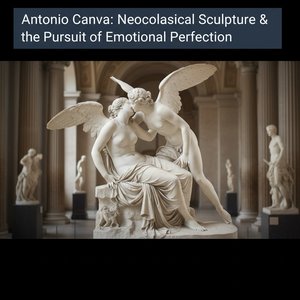
Antonio Canova: Neoclassical Sculpture & the Pursuit of Emotional Perfection
Explore the life & art of Antonio Canova, the greatest Neoclassical sculptor. Discover his masterpieces, innovative techniques, and lasting influence on fine art collecting. Expert insights for discerning investors.
Timeless Grandeur: Exploring the Eternal Beauty and Art-Historical Legacy of Marble Sculpture
Explore the profound legacy of marble sculpture, from Classical antiquity to Neoclassical mastery. A definitive guide for elite collectors and designers seeking to integrate the luminous, eternal beauty of stone into sophisticated, high-end architectural spaces.
Timeless Elegance: A Complete Guide to the Sublime Beauty and Artistry of Marble Sculpture
Discover the sublime beauty of marble art through an expert exploration of Renaissance and Neoclassical masterpieces. From the delicate textures of Carpeaux to the grandeur of Sansovino, immerse yourself in a guide to timeless elegance and sculptural perfection.
