
 Förhandsvisa
 Skicka
 Dela
Dela
 Visa detaljer
 Guide
Guide

 Ladda ner
 Liknande objekt
 Röntgen
 Bildspel
 Frågor och svar
 Statistik
Ecce Homo


 Visa mer
Giclée / Konsttryck
Giclée- eller canvasprint av museumskvalitet med snabb produktion och flexibla ytbehandlingsalternativ. ( Beställ handmålad reproduktion Byt till digital bild)




P118B Skr10

P118H Skr10

P118W Skr10

P438Z Skr10

P508JH Skr12

P508YH Skr12

P805H Skr10

P805Z Skr10

P919BZ Skr10

P919G Skr10

P919XJ Skr10

P959ZH Skr10

P968JZ Skr12

W106C Skr8

W218G Skr10

W218JH Skr8

W218Y Skr10

W307PJ Skr10

W316G Skr10

W316PJ Skr8

W316Y Skr10

W398PJ Skr8

W4111J Skr10

W500HY Skr15

W500JH Skr15

W692G Skr12

W849H Skr8

W940BG Skr15

W953PJ Skr8




Välj bland våra förinställda storlekar som motsvarar konstverkets ursprungliga proportioner.

Ange den bredd och höjd du behöver för att passa din ram eller vägg. Ett tryck kan endast beskäras, aldrig göras större än originalbilden, vilket innebär att ett format med en annan proportion leder till att en del av bilden går förlorad. Vi skickar en digital mockup för godkännande innan vi påbörjar tryckningen. Bilden som visas på denna sida visar inte den faktiska beskärningen — det är endast mockuppen som gör det.
Leverans över hela världen () på 2 veckor istället för standard 4/5 veckor. (8 november)

Fri expressfrakt över hela världen

Högkvalitativ linnecanvas

Fullständig fraktförsäkring

Garantier för återbetalning av tullavgifter

Garantier för exakt färgåtergivning

100 dagars returrätt (endast vid fel)

100% pengarna tillbaka-garanti

Mängdrabatt erbjuds
 Glasalternativet är endast tillgängligt i storlekar under 110 cm.

Ecce Homo
Giclée / Konsttryck
Storlek på reproduktion
-


Slutgiltigt pris
Skr 809
Ecce Homo av Antoine Étex – Ett möte mellan klassisk elegans och romantisk längtan
Antoine Étex (1808-1888) var en konstnär av exceptionell mångsidighet, vars verk präglas av en unik förmåga att förena klassiska ideal med den växande känslomässiga upplevelsen som karakteriserade romantiken. Han var inte bara skulptör utan även målare och arkitekt – vilket speglas i hans omfattande produktion och gjorde honom till en betydelsefull figur inom den franska konstvärlden under andra halvdelen av 1800-talet. Étexs konstnärliga resa är berättelsen om en konstnär som sökte efter harmoni mellan tradition och nyhet, vilket återspeglas i hans mästerverk och erbjuder ett fascinerande perspektiv på den konsthistoriska övergången. Hans tidiga talang för skulptur gav honom grundläggande kunskaper om klassisk teknik och anatomi, vilket senare skulle påverka hans stil och verk.Första mötet med klassicismens elegans
Étexs första stora projekt var skapandet av monumentala statyer för offentliga byggnader och kyrkor i Paris och dess omgivningar. Han arbetade främst inom Neoklassicismen, en konststil som hämtade inspiration från antikens grekiska och romerska konst och arkitektur. Detta genomfördes med hjälp av tekniker som användes sedan flera hundra år tillbaka och där Étexs mål var att skapa verk som skulle vara både estetiskt tilltalande och symboliskt betydelsefulla. Hans skulpturer återspeglar ofta klassiska idéer om balans, proportion och perfektion – egenskaper som präglade den konstnärliga smakens tid och fortsätter att fascinera oss än idag. Ett särskilt imponerande exempel är hans arbete med Arc de Triomphe, där han skapade flera statyer för att hedra Napoleons segrar och där Étexs tekniska färdigheter verkligen blomstrade fram.Romantikens inflytande och ett hjärtligt uttryck
Men Étex var inte bara en mästare inom klassisk teknik utan också en konstnär som vågade sig bort från dess strikta regleringar och utforskade romantikens känslomässiga djup. Detta märks särskilt i hans målningar, där han använde ljus och färg för att skapa atmosfär och förmedla emotionella stämningar. Han var särskilt engagerad i att fånga människans psykologi och subjektiva upplevelser – vilket är något som ofta saknas i klassiska verk. Ett exempel på detta är hans målning Ecce Homo, där Étex använder ett svartvitt ljus för att skapa en dramatisk effekt och där detaljerna i draperierna och ansiktena förmedlar både sorg och respekt inför Jesu kärlek till mänskligheten. Detta arbete visar hur Étex lyckades kombinera klassiska former med romantiska känslor och skapa ett verk som är både tekniskt imponerande och estetiskt övertygande.Symbolik och emotionell resonans
Ecce Homo är mer än bara en skulptur; det är ett symboliskt uttryck för kristendomens kärna – mötet mellan Gud och människa. Statyns uppställning är symmetrisk och centrerad kring Jesu figur, vilket förstärker dess betydelse som ett verk av balans och harmoni. De tre angelerna flankerar Jesus och representerar gudomlig närvaro och vägledning, medan deras draperier förmedlar rörelse och elegans – egenskaper som är typiska för romantiken. Statyns placering i Saint-Eustache kyrkan förstärker dess religiösa betydelse och skapar en atmosfär av kontemplation och respekt. Detta verk erbjuder oss möjlighet att reflektera över frågor om tro, kärlek och mänskligheten själv – vilket är något som många konsthistoriker har betonat genom åren.En klassisk teknik möter ett hjärtligt ögonblick
Antoine Étexs tekniska skicklighet var utan tvekan imponerande, särskilt när det gäller användningen av marmor och ljus för att skapa verk som både är estetiskt tilltalande och emotionellt resonanta. Hans förmåga att fånga klassiska idéer om perfektion och balans samtidigt som han uttryckte mänskliga känslor var verkligen unik och gjorde honom till en av sina tids mest framstående konstnärer. Ecce Homo är ett testament till denna konstnärliga vision och ett exempel på hur klassisk teknik kan användas för att skapa verk som berör oss djupast inom oss själva. Detta mästerverk kommer säkert att fortsätta inspirera konstälskare och samlare i många år framöver.Frågor och svar
Vilket rum rekommenderas "Ecce Homo" av Antoine Étex för?
"Ecce Homo" av Antoine Étex rekommenderas för ett Vardagsrummet. Detta förslag baseras på verkets motiv, färger och stämning.
Kan "Ecce Homo" av Antoine Étex, som finns i samlingen på Saint-Eustache, reproduceras lagligt?
Upphovsrättsläget för "Ecce Homo" av Antoine Étex är tydligt: verket är allmän egendom – upphovsrätten har löpt ut. Dess närvaro på Saint-Eustache ändrar inte den statusen.
Var kan jag hitta statistik för "Ecce Homo" av Antoine Étex?
En Besöksstatistik-sida finns för "Ecce Homo". Den visar månatliga besök för konstverket och konstnärens övriga verk, uppdelat per land och språk.
Konstnärsbiografi
A Life Bridging Worlds: Antoine Étex and the French Artistic Transition
Antoine Étex, born in Paris in 1808 and passing away in Chaville in 1888, occupies a fascinating, if sometimes overlooked, position within the landscape of 19th-century French art. He was an artist of remarkable versatility—a sculptor first and foremost, but also a painter and architect—who embodied the shifting currents that moved France from the formality of Neoclassicism toward the emotional intensity of Romanticism. Étex’s career wasn't defined by radical innovation, but rather by a skillful synthesis of tradition and emerging sensibilities, making his work a compelling reflection of its era. His early aptitude for the arts led him to formal training in sculpture, a discipline that would remain central to his artistic identity throughout his life, instilling within him a meticulous technique and deep understanding of classical forms.Early Recognition and Monumental Commissions
Étex first presented his work to the public at the prestigious Paris Salon in 1833, immediately signaling his arrival as a talent to watch. Two pieces were exhibited that year: a marble reproduction of *Death of Hyacinthus* and a plaster cast titled *Cain and His Race Cursed by God*. These early works demonstrated not only technical proficiency but also an ability to imbue mythological narratives and biblical scenes with dramatic weight and emotional resonance. However, it was a commission from Adolphe Thiers, then Minister of Public Works, that truly propelled Étex into the forefront of French artistic life. He was entrusted with creating the sculptural groups of *Peace* and *War* intended to adorn the east facade of the Arc de Triomphe. Completed between 1833 and 1837, these monumental sculptures were more than just decorative elements; they were statements of national identity and civic virtue, and their successful execution cemented Étex’s reputation as a leading sculptor of his generation. The scale and ambition of this project established him as an artist capable of handling large-scale public works with both technical skill and artistic vision.A Diverse Oeuvre: Sculpture, Painting, and Architecture
While best known for the Arc de Triomphe sculptures, Étex’s creative output was remarkably diverse. His oeuvre encompassed a wide range of sculptural groups exploring mythological and religious themes, demonstrating his continued engagement with classical subject matter. Beyond sculpture, he also undertook architectural projects, designing tombs and monuments that showcased his understanding of spatial relationships and decorative detail. Perhaps surprisingly to some, Étex also produced paintings, such as *Eurydice* and *The Martyrdom of Saint Sebastian*, revealing a versatility across different media that speaks to the breadth of his artistic interests. His style is characterized by a compelling blend of Neoclassical precision—evident in the anatomical accuracy and careful modeling of his figures—and Romantic expressiveness, which manifests in the dramatic narratives and heightened emotionality of his compositions. He didn’t abandon classical forms entirely, but infused them with a new sense of dynamism and psychological depth.A Poignant Tribute: The Tomb of Théodore Géricault
Among Étex's most poignant achievements is the tomb he designed for fellow artist Théodore Géricault in Père Lachaise Cemetery. This memorial stands as a powerful testament to both artistic skill and personal respect. It features a bronze figure of Géricault himself, gazing thoughtfully into the distance, alongside a low-relief depiction of his controversial masterpiece, *The Raft of the Medusa*. The choice to include this specific work is particularly significant; it acknowledges Géricault’s bold departure from academic conventions and his unflinching portrayal of human suffering. Étex's tomb isn’t merely a marker of death but a celebration of artistic courage and a poignant dialogue between two generations of French artists. It demonstrates Étex’s ability to capture complex emotions and translate them into enduring sculptural form.Legacy and Historical Significance
Antoine Étex was not solely dedicated to the practical execution of art; he also engaged with its intellectual underpinnings, authoring essays on subjects related to artistic theory and practice. This demonstrates a thoughtful engagement with the broader artistic discourse of his time. While perhaps not as widely celebrated today as some of his contemporaries, Étex’s contributions remain vital for understanding the development of 19th-century French sculpture and art. His work reflects the transitional period between Neoclassicism and Romanticism, bridging the gap between classical tradition and modern expression. He influenced subsequent generations of sculptors who sought to combine technical mastery with emotional depth, leaving behind a legacy that continues to resonate within the history of French art. His influence can be seen in the continued exploration of narrative sculpture and the integration of dramatic storytelling into monumental public works.
Antoine Étex
1808 - 1888 , France
Kortfakta
- Full Name: Antoine Étex
- Nationality: French
- Date Of Birth: 1808
- Date Of Death: 1888
- Place Of Birth: Paris, France
- Notable Artworks:
- Peace
- War
- Géricault's Tomb
- Blanche de Castille
- Eurydice
- The Martyrdom of Saint Sebastian
- Artistic Movement Or Style: Neoclassical, Romanticism
Relaterade artiklar

Bronsålderns Mästerverk: 10 Skulpturer Som Förändrade Konsthistorien | OriginalUniqueArt
Upptäck 10 legendariska brons skulpturer som revolutionerade konsthistorien! Lär känna Rodin, Michelangelo och andra mästare. Köp museumkvalitativa repliker & hitta inspiration för din inredning på OriginalUniqueArt.com.

The Enduring Form: Exploring Themes & Techniques in Sculpture Across Historical Periods
Explore the rich history of sculpture from ancient masterpieces to contemporary innovations. Discover key techniques, influential artists & investment potential for discerning art collectors.
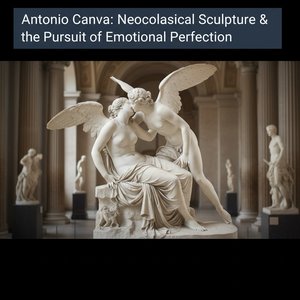
Antonio Canova: Neoclassical Sculpture & the Pursuit of Emotional Perfection
Explore the life & art of Antonio Canova, the greatest Neoclassical sculptor. Discover his masterpieces, innovative techniques, and lasting influence on fine art collecting. Expert insights for discerning investors.

10 Bronsskulpturer Som Förändrade Konsthistorien – Upptäck Mästerverken
Utforska 10 legendariska bronsmästerverk som revolutionerade konsten! Lär känna Michelangelo, Rodin och andra ikoniska skulptörer. Hitta inspiration & museumskvalitativa konsttryck på OriginalUniqueArt.com – för en tidlös inredning.

The Enduring Form: Sculpture Across History, Technique & Emotional Resonance
Explore the rich history of sculpture with OriginalUniqueArt. Discover key techniques, influential artists & investment potential for discerning collectors. Expert insights into valuing and collecting timeless masterpieces.
