
 Förhandsvisa
 Skicka
 Dela
Dela
 Visa detaljer

 Ladda ner
 Liknande objekt
 Röntgen
 Bildspel
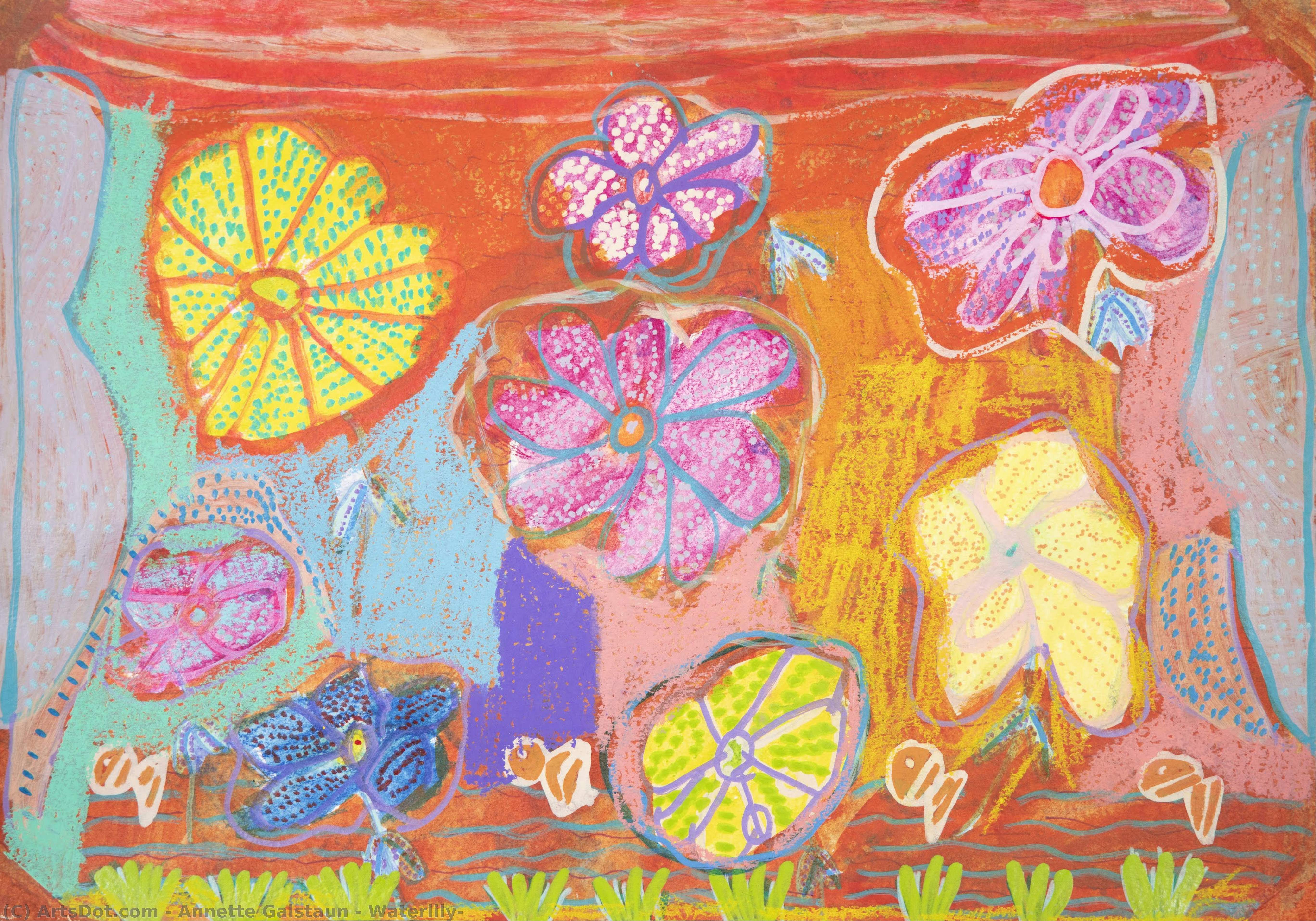
Waterlily


 Visa mer
Köp en högupplöst, förbättrad digital bild med betydligt högre kvalitet än förhandsvisningen online.
Varje fil är noggrant förberedd av våra interna specialister med hjälp av avancerade verktyg och professionell manuell retuschering. Vi säkerställer att varje bild har exceptionell skärpa, exakt färgåtergivning och fina detaljer.
Den slutgiltiga filen levereras via e-post inom 72 timmar, optimerad för omedelbar användning i professionella sammanhang, redaktionellt bruk och tryckmiljöer. Detta är samma kvalitet som med förtroende används av ledande designstudior, förlag och gallerier.
Digital bild
Ladda ner en högupplöst fil för personlig visning, utskrift och kreativa projekt. ( Beställ tryck Beställ handmålad reproduktion)
Ingår i varje beställning av digital bild
Professionell digital leverans, garanterad
När du väljer OriginalUniqueArt.com får du inte bara en bild – du får ett professionellt förädlat digitalt konstverk, skapat med precision och med en garanterad tillfredsställelse. Här är allt som ingår i din beställning, automatiskt:

Snabb leverans via e-post
Din högupplösta digitala bild skickas till dig via e-post inom 72 timmar efter beställning – redo för omedelbar användning.

AI-förbättrad digital bild
Ditt konstverk optimeras professionellt med hjälp av avancerade AI-verktyg och manuell redigering, vilket garanterar maximal detaljrikedom, skärpa och färgnoggrannhet.

Gratis livstidsåterutskick
Har du råkat radera eller tappa bort din fil? Ingen oro – vi skickar den kostnadsfritt till dig när som helst.

Inga importavgifter – någonsin
Njut av ditt konstverk omedelbart utan tull, importavgifter eller leveranskostnader – digitala nedladdningar är alltid skattefria.

Garanterad färgåtergivning
Vi säkerställer att din digitala bild återger de ursprungliga färgerna så exakt som möjligt med hjälp av professionella verktyg och färghantering.

60 dagars nöjdhetsgaranti
Om du inte är nöjd med din digitala bild kommer vi att revidera den eller återbetala 100% inom 60 dagar – utan frågor.

100% pengarna-tillbaka-garanti
Inte nöjd? Få full återbetalning inom 60 dagar efter att du har tagit emot din digitala fil – utan frågor och diskussioner.

Rabatt vid storköp
Köp 3 bilder, spara 10% – Köp 5, spara 15% – Köp 10+, spara 20%. Perfekt för kreativa projekt, gallerier och byråer.
Beskrivning av samlarobjektet
A Dreamscape of Petals and Flight
In the delicate dance of Waterlily, the viewer is invited into a realm where the boundaries between reality and memory begin to dissolve. Created by the Australian artist Annette Galstaun, this captivating work serves as a window into a world that feels both intimately familiar and hauntingly otherworldly. The painting presents a lush, vibrant tapestry of flora, where water lilies take center stage, their petals unfurling in a rhythmic display of color and form. Interspersed among these aquatic blooms are daisies and soft purple blossoms, creating a dense, patterned garden that pulses with life. This is not merely a depiction of nature, but a curated dreamscape where every stroke of the brush contributes to a sense of serene enchantment.
The composition is brought to life by the presence of two birds, positioned strategically within the frame. One bird drifts toward the left while another finds its place on the right, their silhouettes suggesting a gentle movement that breaks the stillness of the water. These avian figures act as messengers between the terrestrial and the ethereal, adding a layer of kinetic energy to an otherwise tranquil scene. For the collector or interior designer, this piece offers a profound sense of motion and vitality, making it an ideal focal point for spaces that require a touch of organic elegance and a breath of fresh, imaginative air.
Technique and the Art of Impressionistic Nostalgia
Executed with a masterful command of color, Waterlily utilizes a palette that celebrates the brilliance of the natural world. The technique evokes the spirit of early 20th-century impressionism, where light and texture are prioritized to evoke emotion rather than mere anatomical accuracy. Through the use of gouache, Galstaun achieves a rich, opaque quality that allows colors to sit boldly upon the surface, creating a layered effect that mimics the depth of a sunlit pond. The interplay of light across the petals and the subtle shadows beneath the leaves creates a tactile sensation, inviting the eye to wander through the thicket of blooms.
The artist’s style is deeply rooted in the concept of nostalgia, reminiscent of a lingering dream or a cherished childhood memory. There is a deliberate softness to the edges of the flowers and birds, a stylistic choice that prevents the scene from feeling static. Instead, the artwork breathes with a rhythmic pattern, where color and shape coalesce into a singular, harmonious vision. This approach makes the piece exceptionally versatile for high-end decor; it possesses the sophistication required for a formal gallery setting while maintaining a warmth that integrates seamlessly into a cozy, lived-in residential sanctuary.
Symbolism and Emotional Resonance
Beyond its aesthetic splendor, Waterlily carries a deeper symbolic weight. The water lily itself has long been a symbol of purity, rebirth, and the cyclical nature of life, emerging from murky depths to bloom in radiant light. By placing these flowers alongside free-roaming birds, Galstaun explores themes of coexistence and the harmony found within the wild. The painting suggests a sanctuary where different elements of the natural world—the aquatic, the floral, and the avian—can exist in a state of perfect, unbothered peace.
For those seeking to adorn their homes with art that inspires tranquility, this work offers an emotional refuge. It is a piece that does not demand attention through aggression, but rather captures it through beauty and grace. Owning a high-quality reproduction of this masterpiece allows one to bring a fragment of this peaceful, patterned universe into the modern home, providing a constant source of inspiration and a quiet reminder of the magic that exists in the natural world.
Konstnärsbiografi
Jean-Michel Basquiat: A Voice of the Streets and a Revolutionary Artist
Born in Brooklyn, New York City, on December 22, 1960, Jean-Michel Basquiat emerged from the vibrant, chaotic crucible of the Lower East Side during the late 1970s and early 1980s. His life was tragically cut short at the age of 27 in August 1988 due to a heroin overdose, but within those brief years, he left an indelible mark on the art world – a legacy defined by raw emotion, social critique, and a unique visual language that continues to resonate today.
Basquiat’s early life was shaped by his Haitian-American heritage. His father, Gerard Basquiat, was a Dominican immigrant who worked as a licensed practical nurse, while his mother, Laurinda Banks, was an African American schoolteacher. This complex background instilled in him a deep awareness of racial identity and social injustice – themes that would become central to his artistic explorations. Initially involved with the graffiti duo SAMO alongside Al Diaz, Basquiat began tagging subway cars with cryptic epigrams under the pseudonym “SAMO,” quickly gaining notoriety for their provocative and often politically charged messages. This early street art experience provided a crucial foundation for his later work, imbuing it with an immediacy and directness that distinguished him from many of his contemporaries.
The Rise of Neo-Expressionism and Basquiat’s Unique Style
By the early 1980s, Basquiat transitioned from graffiti to painting, quickly establishing himself as a leading figure in the burgeoning neo-expressionist movement. This style, characterized by its bold colors, expressive brushstrokes, and often raw emotionality, represented a reaction against the perceived coldness of minimalism and conceptual art. Unlike many of his peers who embraced slick commercialism, Basquiat’s work retained an intensely personal and confrontational quality.
His canvases became a collage of references – historical figures, anatomical studies, musical lyrics, poetry fragments, and symbols drawn from African tribal art and Haitian folklore. He frequently incorporated text into his paintings, layering words and phrases alongside images to create complex narratives that explored themes of race, power, poverty, and identity. His distinctive style was instantly recognizable: a chaotic blend of meticulous detail and spontaneous scribbles, often utilizing found objects like cardboard, aluminum foil, and Xerox copies within the composition. His use of crowns – a recurring motif – symbolized royalty, authority, and the assertion of black identity in a society riddled with systemic inequality.
Themes of Race, Power, and Social Commentary
Basquiat’s art was deeply rooted in social commentary. He confronted issues of racism, police brutality, and economic disparity with unflinching honesty. Works like *Irony of Negro Policeman* (1981) and *Defacement* (1982), depicting a black policeman wearing a crown and holding a skull, directly challenged the established power structures and exposed the hypocrisy inherent in American society. His paintings weren’t simply aesthetically pleasing; they were urgent calls to action, demanding recognition of marginalized voices and challenging viewers to confront uncomfortable truths.
Furthermore, Basquiat explored themes of cultural appropriation and the commodification of art. He was acutely aware of how his work was being interpreted and marketed within the commercial art world, often using irony and self-deprecation to critique the system itself. His collaboration with Andy Warhol, a symbol of mainstream art success, highlighted this tension – a pairing that simultaneously celebrated and questioned the dynamics of the art market.
Legacy and Historical Significance
Despite his tragically short life, Jean-Michel Basquiat’s impact on contemporary art is undeniable. His work continues to be exhibited in major museums around the world, and his paintings command staggering prices at auction. He is remembered not only for his artistic brilliance but also for his courage in speaking out against injustice and challenging conventional notions of beauty and value.
Basquiat’s legacy extends beyond the art world; he became a symbol of black creativity and cultural pride, inspiring generations of artists to use their voices to address social issues. His work remains a powerful reminder of the importance of confronting uncomfortable truths and advocating for a more just and equitable society. His influence can be seen in countless contemporary artists who continue to grapple with themes of identity, power, and representation – solidifying his place as one of the most important and influential figures of the late 20th century.

annette galstaun
1980 - , Australia
Snabbfakta
- Artistic Movement Or Style: Neo-expressionism
- Artists Or Movements Influenced By This Artist:
- Graffiti art
- Hip-hop culture
- Artists Who Influenced This Artist:
- Andy Warhol
- Keith Haring
- Date Of Birth: December 22, 1960
- Date Of Death: August 12, 1988
- Full Name: Jean-Michel Basquiat
- Nationality: American
- Notable Artworks:
- Irony of Negro Policeman
- Skull of Doom
- Untitled
- Boy and Dog in a Johnnypump
- Defacement
- Hollywood Africans
- Place Of Birth: New York City, U.S.

