Fauvism
Cassis (André Derain)
André Derain (1880–1954) skapade Cassis. Det tillhör Fauvism-rörelsen. Den är utförd i Oil On Canvas.
- Oil On Canvas

 Förhandsvisa

 Handmålad oljemålning
 Skicka
 Dela
 Faktablad


 Ladda ner
 Liknande objekt
 Röntgen
 Bildspel
 Frågor och svar

 Statistik
Cassis i korthet
- Titel
- Cassis
- Konstnär
- André Derain (1880–1954)
- Konstnär född i
- Chatou, Frankrike
- Material
- Oil On Canvas
- Rörelse
- Fauvism
- Tidsperiod
- Modern
- Motiv
- village, trees, church, house, people, buildings
Vad föreställer Cassis?
Identification of the Landscape at Cassis
The artwork titled Cassis, also known as Landscape at Cassis, is an oil on canvas painting. This work was executed by the French artist André Derain in 1907. The subject matter focuses on a landscape setting located in Cassis, France.
The painting depicts a village scene characterized by various structures and natural elements. A church occupies a central position within the town. Surrounding this central building are numerous trees. The composition includes a house with a red roof and a building resembling a barn. Several people are positioned throughout the scene, appearing to move through or observe the village environment.
Visual Composition and Subject Matter
The composition centers on a hillside landscape where a house with a red roof sits among various trees. This structure is positioned on an incline, surrounded by dense vegetation. Several people are scattered throughout the scene, appearing as small figures engaged in activities or observing the view. The arrangement of the terrain and the placement of the buildings create a sense of a settled village environment.
The natural elements are rendered as a dense web of stylized forms. These shapes are distributed across a smooth surface, creating a patterned effect within the landscape. The trees and the surrounding greenery form a complex network of lines and colors that define the topography of the hillside. The presence of the church and the barn adds structural variety to the village setting, contrasting with the organic shapes of the foliage.
Artistic Style and Technique
The work exemplifies the essence of Fauvism through its use of vivid colors and energetic brushstrokes. The application of paint involves thick black outlines that define the various structures and natural elements within the scene. These heavy contours create a sharp separation between the buildings, the trees, and the sky. The color palette relies on stark contrasts to establish form and depth. This approach moves away from naturalistic shading in favor of direct, unmixed hues.
The composition occupies a position halfway between Fauvism and Cubism. While the color application remains bold and non-representational, there is an emerging interest in structure and form. The artist uses a dense web of stylized natural elements across the surface. These elements are rendered with a controlled, almost geometric quality that suggests a transition toward more structured compositions. The brushwork remains visible and rhythmic, contributing to the overall sense of movement within the landscape.
Related Works by André Derain
The artist's exploration of the French coastline includes The Cypresses at Cassis and Landscape near Cassis (Paysage aux environs de Cassis). These works focus on the specific light and topography of the region. In the latter, the composition features a house with a red roof situated on a hillside, surrounded by trees and figures. The palette in these studies often utilizes the intense colors associated with the Fauvist movement, employing bold and non-naturalistic hues to define the landscape.
During a period of travel to the United Kingdom, Derain produced a series of thirty paintings focused on the urban environment of London. These works move away from the quietude of the French countryside to capture the structural weight of the city and the movement of the Thames. His later output also includes Harlequin and Pierrot, a work from 1924 that reflects a shift in his stylistic direction following his earlier experimental years.
- The Cypresses at Cassis
- Landscape near Cassis (Paysage aux environs de Cassis)
- Harlequin and Pierrot
Where to See This Artwork Today
The oil on canvas painting is currently held within the collection of the New Orleans Museum of Art. This institution maintains the work as part of its permanent holdings. Visitors seeking to observe the piece in person can find it within this specific museum setting.
The provenance and ownership of the work involve the Hermann und Margrit Rupf-Stiftung, Kunstmuseum Bern. This association links the painting to the collection at the Kunstmuseum Bern. Additionally, the artist's broader body of work is represented in the Musee d'art moderne Andre Malraux, which houses other pieces by the same hand.
Högupplösta bilder av Cassis

Allmän egendom: konstnären avled 1954.
Andra storlekar, beskärningar och citering →André Derain, Cassis. Allmän egendom
Färgerna är matchade mot originalet av en digital expert och filen är noggrant retuscherad för att vara trogen konstnärens penseldrag.
Köp högupplöst filFrågor om Cassis besvarade
Vilken teknik användes för "Cassis" av André Derain?
André Derain använde tekniken Oil On Canvas för "Cassis". Tekniken definierar det ursprungliga verkets materiella karaktär.
Vad föreställer "Cassis"?
Teman som återfinns i "Cassis" av André Derain inkluderar village, trees, church, house, people, buildings, red roof. Tillsammans sammanfattar de verkets motiv.
Är "Cassis" fri från upphovsrätt?
"Cassis" av André Derain är allmän egendom – upphovsrätten har löpt ut. Denna status avgör hur bilden av verket får återges.
Vem har skapat "Cassis"?
Konstnären bakom "Cassis" är André Derain. Verket är katalogiserat under André Derains namn.
Vilken konstnärlig inriktning tillhör "Cassis" av André Derain?
Konststilen som förknippas med "Cassis" av André Derain är Fauvism. Denna klassificering placerar verket bland relaterade konstnärer och konstverk.
Var i André Derains karriär placerar sig "Cassis"?
Inom André Derains karriär tillhör "Cassis" perioden Fauvist Period. Denna fas underlättar jämförelser med konstnärens övriga verk.
Är "Cassis" av André Derain fri från upphovsrätt, och varför?
"Cassis" av André Derain är allmän egendom – upphovsrätten har löpt ut. Upphovsrätten beräknas utifrån konstnärens dödsår, och André Derain avled år 1954.
Hur förhåller sig "Cassis" till resten av André Derains konstnärskap?
"Cassis" tillhör André Derains Fauvism-period, vars dokumenterade teman inkluderar influenced by matisse, influenced by cézanne, fauvist movement essence, key fauvist work.
Hur förhåller sig "Cassis" till André Derains återkommande motiv?
André Derains återkommande teman inkluderar influenced by matisse, influenced by cézanne, fauvist movement essence, key fauvist work; "Cassis" fokuserar på village, trees, church, house, people, buildings, red roof.
Om konstnären, André Derain
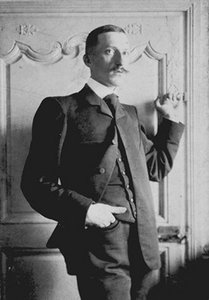
1880–1954, Frankrike
André Derain
Tidiga år, familj och utbildning Året var 1880 när André Derain trädde in i världen i Chatou, en by som vilar tryggt i den franska regionen Yvelines. Hans tidiga år formades av de stillsamma landskapen i Île-de-France, där en naturlig nyfikenhet för omgivningarna började slå rot. Redan vid 1895 års början hade han påbörjat sina studier på egen hand, i en strävan efter att förstå den visuella världen genom sina egna ögon snarare än genom formell undervisning. Denna period av självstyrd utforskning gav honom möjlighet att utveckla ett personligt seende, innan akademins stränga disciplin hann påtvinga honom sin vilja.
Andra verk av André Derain
 bathers1907
 London Bridge1906
 Charing Cross from sw1906
 Landscape at L'Estaque1906
Essäer om Cassis
 Fauvism and Cubism: Distinguishing Color Revolution from Spatial AnalysisMaster the core differences between Fauvism and Cubism through expert analysis. Discover how color and space redefined modern art today.
 Early Netherlandish Painting vs. Italian Renaissance: A Comparative StudyMaster the differences between Netherlandish detail and Renaissance perspective. Explore this expert comparative study now.
 Virgin Islands artworks of the 1870s1870s masterpieces from the US Virgin Islands include works by Camille Pissarro, Paul Gauguin, and Paul Cézanne. See the full collection on…