

 Förhandsvisa
 Skicka
 Dela
Dela
 Visa detaljer
 Guide
Guide

 Ladda ner
 Liknande objekt
 Röntgen
 Bildspel
 Statistik
Writing Table
 Baroque
 1710
1710- Early Modern
 80.0 x 188.0 cm
 The Frick Collection
 Visa mer
Handgjord oljereproduktion
Handmålad olja på duk i din valda storlek och ram, tillverkad efter beställning av våra konstnärer. ( Byt till tryck Byt till digital bild)




P118B Skr10

P118H Skr10

P118W Skr10

P438Z Skr10

P508JH Skr12

P508YH Skr12

P805H Skr10

P805Z Skr10

P919BZ Skr10

P919G Skr10

P919XJ Skr10

P959ZH Skr10

P968JZ Skr12

W106C Skr8

W218G Skr10

W218JH Skr8

W218Y Skr10

W307PJ Skr10

W316G Skr10

W316PJ Skr8

W316Y Skr10

W398PJ Skr8

W4111J Skr10

W500HY Skr15

W500JH Skr15

W692G Skr12

W849H Skr8

W940BG Skr15

W953PJ Skr8




Välj bland våra förinställda storlekar som motsvarar konstverkets ursprungliga proportioner.

Ange den bredd och höjd du behöver för att passa din ram eller din vägg. Eftersom detta är handmålat kan konstnären, vid ett annat format, måla lite mer runt bilden eller beskära den något – det är du som väljer. Vi skickar en digital mockup för godkännande innan målningen påbörjas. Bilden som visas på denna sida representerar inte det slutgiltiga resultatet — det är endast mockuppen som visar det.
Efter beställning kommer OriginalUniqueArt.com team att mejla kunden för instruktioner och tillhandahålla en skissförhandsvisning
Leverans över hela världen () på 3–4 veckor istället för standard 5 veckor. (25 oktober). Inga kompromisser med kvaliteten.

Fri expressfrakt över hela världen

Högkvalitativ linnecanvas

Fullständig fraktförsäkring

Garantier för återbetalning av tullavgifter

Garantier för exakt färgåtergivning

100 dagars returrätt (endast vid fel)

100% pengarna tillbaka-garanti

Mängdrabatt erbjuds
 Glasalternativet är endast tillgängligt i storlekar under 110 cm.

Writing Table
Reproduktionsmetod
Storlek på reproduktion
-


Slutgiltigt pris
Skr 2973
The Elegance of Innovation: A Masterpiece of the Louis XIV Era
In the grand tapestry of seventeenth-century decorative arts, few names resonate with as much prestige and opulence as André-Charles Boulle. His Writing Table, dating to approximately 1710, serves as a profound testament to a transformative era in furniture design. This piece is not merely a functional object but a sculptural triumph that captures the transition from the heavy, structured grandeur of Louis XIV’s early reign to a more fluid, graceful aesthetic. As one gazes upon its silhouette, one witnesses the birth of the bureau plat—the flat writing table—a design revolution that stripped away the cumbersome drawers and numerous legs of previous generations in favor of a streamlined, sophisticated elegance.
The artistry of this table lies in its masterful balance of strength and delicacy. The piece features an exquisite marble top, providing a cool, stately surface that contrasts beautifully with the warmth of the intricate carvings below. The legs, once straight and rigid in earlier centuries, were reimagined by Boulle with an elegant curve, lending the furniture a sense of rhythmic movement. This structural evolution reflects a broader cultural shift toward the Regence style, where the rigidity of absolute monarchy began to soften into a more refined, ornamental grace. For the discerning collector or interior designer, this table represents the pinnacle of French craftsmanship, offering a focal point that commands attention through its historical weight and aesthetic poise.
A Legacy of Marquetry and Material Mastery
To understand the soul of this writing table, one must delve into the technical brilliance of Boulle himself. Renowned for his revolutionary Boulle marquetry—a painstaking process involving the inlay of tortoiseshell, brass, and pewter—the master cabinetmaker treated wood as a canvas for complex, swirling patterns. While this specific piece highlights the structural innovation of the bureau plat, it carries the unmistakable DNA of Boulle’s decorative genius. The interplay of light upon the polished surfaces and the meticulous attention to every carved detail evoke an era of unparalleled luxury, where every object in a room was intended to reflect the status and sophisticated taste of its owner.
For those seeking to integrate such timeless beauty into a contemporary space, a high-quality reproduction of this Writing Table offers more than just decoration; it offers a connection to history. Whether placed in a sunlit library or as a statement piece in a modern study, the table brings an air of old-world nobility and intellectual depth. It serves as an emotional anchor, inviting moments of quiet reflection and scholarly pursuit. Owning a tribute to Boulle’s work is an invitation to surround oneself with the enduring spirit of French excellence, ensuring that the grandeur of the seventeenth century continues to breathe life into the homes of the twenty-first.
Frågor och svar
Vilka färger dominerar "Writing Table" av André-Charles Boulle?
"Writing Table" av André-Charles Boulle använder en Earthy-palett, där Espresso (#605745) är den dominerande färgen.
Är "Writing Table" av André-Charles Boulle ett ljust eller mörkt konstverk?
De registrerade värdena för "Writing Table" av André-Charles Boulle är: balanced i ljusstyrka och Soft Shadow i luminans.
Är "Writing Table" typisk för vad André-Charles Boulle vanligtvis skapade?
"Writing Table" skildrar writing table, marble top, gold frame, intricate carvings, furniture, medan André-Charles Boulles dokumenterade teman är louis xiv grandeur, french royal style, innovation in furniture design, boulle marquetry technique, evolution of bureau plat. En jämförelse mellan dessa visar hur verket förhåller sig till konstnärens vanliga motiv.
Konstnärsbiografi
The Architect of Louis XIV Style
André-Charles Boulle (1642 – 1732) stands as a titan amongst French cabinetmakers, his name synonymous with opulent craftsmanship and the very embodiment of Louis XIV’s grandeur. More than just a furniture maker, Boulle was an innovator who fundamentally reshaped European taste, establishing a distinctive style—the ‘Boulle’ marquetry—that captivated royalty and aristocrats alike for decades to come. His legacy continues to inspire artisans today, cementing his place as one of the most influential figures in 17th-century decorative arts.
Born in Paris around 1642, he descended from a family steeped in artisanal tradition; his father, Jean Boulle, was himself a respected cabinetmaker. This familial connection provided him with an invaluable grounding in the craft, instilling within him not merely skill but also a deep appreciation for meticulous detail and artistic vision. While biographical details of his early years remain shrouded in the mists of time, his training undoubtedly prepared him for the extraordinary achievements that would follow, allowing him to rise to the prestigious position of ébéniste du roi.
The Revolution of Marquetry
Boulle’s genius resided primarily in his mastery of marquetry—a technique involving inlaying decorative materials like tortoiseshell, brass, pewter, and ivory into ebony or walnut veneers. Unlike previous methods which relied on simpler carving techniques, Boulle perfected a revolutionary process that achieved unparalleled levels of intricacy and realism. He meticulously hammered thin sheets of metal – primarily brass – onto the surface of the wood veneer, creating a raised relief effect that mimicked natural textures like foliage and stone.
This painstaking labor demanded exceptional precision and patience, resulting in furniture pieces that possessed breathtaking beauty and technical complexity. His work often featured:
- Intricate Brass Inlay: The use of fine metalwork to create shimmering, light-catching patterns.
- Tortoiseshell Elegance: The incorporation of organic, translucent materials to add depth and warmth.
- Royal Symbolism: Designs that reflected the power, prestige, and absolute authority of the French monarchy.
A Legacy of Opulence and Innovation
The impact of Boulle's work extended far beyond the borders of France, influencing the decorative arts of entire continents. His ability to blend neoclassical design with the emerging flourishes of the Rococo period allowed his pieces to remain relevant through shifting aesthetic tides. Whether it was a Barômetre en ébène et bronze doré reflecting the scientific curiosity of the age, or an opulent Cabinet from 1675 showcasing royal grandeur, each piece served as a testament to his unparalleled skill.
Even in smaller, more delicate works like his 1715 clock faces, one can observe the breathtaking detail of gilded gold and cherubs that defined his era. His mastery of gilded bronze and complex patterns created a visual language of luxury that remains the benchmark for fine cabinetry. Today, when we look upon the intricate layers of brass and ebony, we are not merely looking at furniture, but witnessing the enduring spirit of an artist who turned wood and metal into eternal poetry.

André-Charles Boulle
1642 - 1732 , France
Kortfakta
- Full Name: André-Charles Boulle
- Nationality: French
- Date Of Birth: 1642
- Date Of Death: 1732
- Place Of Birth: Paris, France
- Notable Artworks:
- Barometer Clock
- Writing Table
- Wardrobe and Clock
- Artistic Movement Or Style: Louis XIV Style / Boulle Marquetry
- Artists Who Influenced This Artist: ['Jean Boulle']
- Artists Or Movements Influenced By This Artist: ['Rococo']
Relaterade artiklar
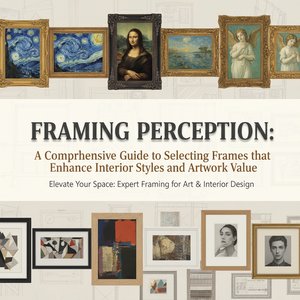
Ramverkets Konst: En omfattande guide till val av ramar som förstärker interiörstilar och konstvärde
Upptäck konsten att välja rätt ram! Vår omfattande guide hjälper dig att förstärka din interiör och konstverkets värde med expert tips om material, stil och professionell inramning. Få inspiration & skapa ett harmoniskt hem.

Inramning: Så Väljer Du Rätt Ram för Din Konst – En Expertguide
Expertguide till rätt inramning av din konst! Lär dig välja ramar som skyddar, framhäver och bevarar dina tavlor och posters. Tips från professionella.

The Frame as Argument: An Expert Guide to Selecting the Perfect Frame for Your Art
Master the art of presentation with our expert guide on choosing the perfect frame. Learn how to enhance your artwork's value, complement your interior design, and ensure long-term preservation through professional framing techniques for collectors and enthusiasts alike.

Bortom Ornamentet: Den Psykologiska Inverkan av Ramar på Estetisk Perception och Konstnärligt Värde
Utforska ramen som ett psykologiskt verktyg i konsten! Lär dig hur ramar påverkar värde och upplevelse. Expertinsikter, historisk forskning & kvalitetsramar hos OriginalUniqueArt.

Beyond the Canvas: Framing as a Catalyst for Value & Aesthetic Impact in Luxury Art Reproduction
Discover how expert framing elevates your art investment & interior design. Explore museum-quality options, bespoke sizing, and preservation techniques for discerning collectors. Enhance value & aesthetic impact with OriginalUniqueArt.
