

 Visa i rummet
 Skicka
 Dela
Dela
 Detaljer
 Studentguide för konstverk

 Ladda ner
 Liknande objekt
 Röntgen
 Bildspel
 Besökstatistik
General interrogating a mobile guard, supporting an injured lieutenant


 Läs mer
Giclée / Konsttryck
Giclée- eller canvasprint av museumskvalitet med snabb produktion och flexibla ytbehandlingsalternativ. ( Köp handmålat konstverk Byt till digital bildförsäljning)




P118B Skr10

P118H Skr10

P118W Skr10

P438Z Skr10

P508JH Skr12

P508YH Skr12

P805H Skr10

P805Z Skr10

P919BZ Skr10

P919G Skr10

P919XJ Skr10

P959ZH Skr10

P968JZ Skr12

W106C Skr8

W218G Skr10

W218JH Skr8

W218Y Skr10

W307PJ Skr10

W316G Skr10

W316PJ Skr8

W316Y Skr10

W398PJ Skr8

W4111J Skr10

W500HY Skr15

W500JH Skr15

W692G Skr12

W849H Skr8

W940BG Skr15

W953PJ Skr8




Välj bland våra förinställda storlekar som motsvarar konstverkets ursprungliga proportioner.

Ange den bredd och höjd du behöver, för att passa din ram eller din vägg. Ett tryck kan endast beskäras, aldrig göras större än bilden, vilket innebär att ett format med en annan formform leder till att en del av bilden går förlorad. Vi skickar en digital mockup för godkännande innan vi trycker något. Bilden som visas på denna sida visar inte den faktiska beskärningen — det är endast mockuppen som gör det.
Leverans över hela världen () på 2 veckor istället för standard 4/5 veckor. (24 oktober)

Fri expressfrakt över hela världen

Högkvalitativ linnecanvas

Fullständig fraktförsäkring

Garantier för återbetalning av tullavgifter

Garantier för exakt färgåtergivning

100 dagars returrätt vid fabrikationsfel

100% pengarna tillbaka-garanti

Mängdrabatt erbjuds
 Glasalternativet är endast tillgängligt i storlekar under 110 cm.

General interrogating a mobile guard, supporting an injured lieutenant
Giclée / Konsttryck
Reproduktionsstorlek
-


Totalpris
Skr 793
A Frozen Moment of Command: Alphonse de Neuville’s “General Interrogating a Mobile Guard Supporting an Injured Lieutenant”
Alphonse de Neuville's "General Interrogating a Mobile Guard Supporting an Injured Lieutenant," painted in 1879, is more than just a depiction of a military scene; it’s a meticulously crafted tableau of tension, duty, and the lingering weight of conflict. The painting transports us to a bleak, snow-swept landscape – likely inspired by the aftermath of the Franco-Prussian War – where a seasoned general, radiating authority, engages in a serious conversation with a young lieutenant bearing the visible wounds of battle. The scene isn’t one of triumphant victory, but rather a quiet assessment amidst the ruins of war, a moment suspended between interrogation and judgment.
De Neuville's artistic lineage is deeply rooted in the Romantic tradition, particularly influenced by Eugène Delacroix’s dramatic use of color and composition. This influence manifests powerfully here through the carefully orchestrated arrangement of figures against the stark backdrop. The triangular structure, anchored by the central interaction between the general and the lieutenant, draws the viewer’s eye directly to this pivotal exchange. The horses, rendered with a remarkable sense of realism – their coats gleaming faintly beneath the overcast sky – contribute significantly to the painting's dynamic energy, suggesting movement and urgency even within the stillness of the scene.
A Palette of Winter: Color, Light, and Atmosphere
The color palette is deliberately restrained, dominated by a muted range of grays, whites, and browns that perfectly capture the harshness and desolation of the winter landscape. Subtle hints of warmer tones – in the uniforms of the officers and the horse coats – provide a delicate contrast, preventing the scene from becoming entirely bleak. De Neuville masterfully employs atmospheric perspective; distant figures are rendered with increasing softness and detail loss, creating an illusion of depth that anchors the viewer within this frozen world. The diffused lighting, characteristic of overcast days, casts a soft, even illumination across the canvas, eliminating strong shadows and contributing to the painting’s somber mood.
The Language of Line and Texture
De Neuville's technique is firmly rooted in academic painting, evident in his skillful rendering of form and detail. Visible brushstrokes – particularly prominent in the depiction of the snow-covered ground and the textures of clothing – add a tactile quality to the work, inviting the viewer to almost feel the cold wind and rough fabric. Lines are used strategically to define shapes and create a sense of realism, while also subtly conveying the tension within the scene. The musculature of the horses is particularly well-defined, adding to their powerful presence. The artist’s attention to detail extends to the subtle nuances of facial expressions – the general's stern gaze, the lieutenant’s wounded composure – revealing a profound understanding of human psychology.
Symbolism and Emotional Resonance
Beyond its realistic depiction of military life, “General Interrogating a Mobile Guard Supporting an Injured Lieutenant” is rich in symbolic meaning. The injured lieutenant represents sacrifice and loss—a tangible reminder of the brutal cost of war. The general’s questioning posture suggests responsibility, authority, and perhaps even regret. The scene evokes feelings of uncertainty, duty, and the lingering trauma of conflict. It's a poignant meditation on leadership, accountability, and the enduring consequences of violence. The painting doesn’t offer easy answers or heroic narratives; instead, it presents a complex and emotionally resonant portrait of a moment caught between action and reflection.
A Legacy in Oil: Materials and Historical Context
Created using traditional oil paints on canvas, this artwork stands as a testament to de Neuville's mastery of his medium. The choice of oil paint allowed for layering and blending, contributing to the painting’s rich textures and nuanced color palette. Painted during the late 19th century, it reflects the artistic and political climate of France following the Franco-Prussian War – a period marked by nationalistic fervor and a desire to commemorate military achievements. De Neuville's work served as both a historical record and a powerful expression of patriotic sentiment. The painting’s acquisition by the Musée de l’Armée in Paris underscores its significance within French art history.
Frågor och svar
Var kan jag hitta konstverk som liknar "General interrogating a mobile guard, supporting an injured lieutenant" av Alphonse de Neuville?
Konstverk som liknar "General interrogating a mobile guard, supporting an injured lieutenant" av Alphonse de Neuville finns samlade på verkets sida Liknande verk.
Vilken färgmättnad har "General interrogating a mobile guard, supporting an injured lieutenant" av Alphonse de Neuville?
Färgpaletten i "General interrogating a mobile guard, supporting an injured lieutenant" har en mättnad på Muted.
Är "General interrogating a mobile guard, supporting an injured lieutenant" av Alphonse de Neuville en målning, en teckning eller ett tryck?
"General interrogating a mobile guard, supporting an injured lieutenant" av Alphonse de Neuville är klassificerat som WallArt. Kategorin beskriver vilken typ av konstverk originalet är.
Om konstnären
Alphonse de Neuville: A Painter of War and Patriotism
Alphonse-Marie-Adolphe de Neuville, en namn som ekar med drama och patriotisk passion från 1800-talets Frankrike, föddes i Saint-Omer år 1835. Hans liv, tragiskt avkortat vid fyrtioåtten, utspelades mot en bakgrund av omfattande historiska förändringar – en tid präglad av imperialistiska ambitioner, förödande krig och en växande nationell identitet. Medan han initialt lockades till en sjökarriär, visade de Neuville’s konstnärliga begåvning sig vara för starka att ignorera, vilket ledde honom bort från havet och mot studier i Paris ateljéer. Han sökte först vägledning inom det etablerade akademiska systemet, deltog kortvarigt på den maritima skolan i Lorient innan han slutligen ägnade sig åt formell träning under uppsynen av François-Edouard Picot. Men det var Eugène Delacroix’ inflytande – en mästare inom romantiken med en flair för dynamisk komposition och emotionell intensitet – som verkligen formade de Neuville’s konstnärliga vision. Denna mentorskap inställde i honom en passion för dramatiska berättelser och en skarp förståelse för hur man kunde översätta historiska händelser till målningar med övertygande kraft.Skapandet av ett Rykte genom Krig och Illustration
De Neuville etablerade snabbt sig som en konstnär djupt engagerad i de konflikter som definierade sin era. Han skildrade inte bara krig; han fördjupade sig i dess verkligheter, utnyttjade personliga erfarenheter – inklusive tjänstgöring under det Franco-Prussianiska kriget – för att ge autenticitet till sitt arbete. Detta engagemang för realism, kombinerat med en talang för att fånga den mänskliga kostnaden för konflikt, drev honom framåt i karriären. Tidiga framgångar inkluderade skildringar av strider från det Krimkriget och scener som illustrerade episoder från Garibaldi’s kampanjer i Italien. Men det var genom sitt samarbete med Jules Verne som de Neuville fick bredare erkännande. Hans illustrationer till *Tjugo tusen sjömil under havsytan* gav en visuell dynamik till Verneys fantastiska undervattensvärld, fängslade läsarna och fastställde de Neuville’s rykte som en mångsidig konstnär kapabel att både historisk noggrannhet och fantasifull berättande. Dessa illustrationer var inte bara ackompanjement till texten; de var integrerade i att forma allmänhetens uppfattning om Verneys banbrytande roman.Mästare av Militärberättelse: Nyckelaspekter och Konstnärlig Stil
De Neuville’s konstnärliga styrka låg i hans förmåga att förvandla historiska händelser till känslomässigt resonanta berättelser. Hans målningar var inte bara register över strider; de var noggrant konstruerade dramer, fyllda med engagerande karaktärer och en känsla av brådskande. ”The Charge of the Light Brigade” (1860), en gripande skildring av det Krimkrigets kavallerieangrepp, exemplifierar detta tillvägagångssätt. Målningen glorifierar inte krig utan förmedlar soldaternas mod och meningslösheten i att vara fångade i korselden. På liknande sätt visar ”The Defense of Palma Major” (1875), som illustrerar en skrämmande episod från det Zulu-kriget, de Neuville’s behärskning av dramatisk komposition och hans förmåga att fånga intensiteten i närstrid. Hans stil kännetecknas av noggrann detaljrikedom, realistiska porträtt av uniformer och vapen samt en skicklig användning av ljus och skugga för att skapa atmosfär och förstärka den emotionella effekten. Han var inte intresserad av stora allegorier eller idealiserad heroism; istället fokuserade han på de individuella upplevelserna hos soldater – deras mod, rädsla och lidande.Inflytanden och Konstnärlig Utveckling
- Eugène Delacroix: Den mest betydelsefulla influensen på de Neuville’s stil, som förmedlade en känsla av drama, emotionell intensitet och dynamisk komposition.
- François-Edouard Picot: Tillhandahöll tidig utbildning och grundläggande färdigheter i akademiska målningsmetoder.
- Personliga erfarenheter: Hans tjänstgöring under det Franco-Prussianiska kriget informerade direkt hans realistiska skildringar av militärliv och strid.
- Jules Verneys litteratur: Samarbete med *Tjugo tusen sjömil under havsytan* utvidgade hans konstnärliga räckvidd och introducerade honom till en bredare publik.
Historisk Betydelse och Arv
Alphonse de Neuville’s plötsliga död 1885 berövade konstvärlden en betydande talang. Men hans arv består genom de många målningar som fortfarande fångar publikens uppmärksamhet idag. Hans verk finns i prestigefyllda samlingar som Hermitage-museet i St Petersburg och Metropolitan Museum i New York, vilket är ett bevis på deras konstnärliga värde och historiska betydelse. Utöver dessa institutionella innehav njuter de Neuville’s konst av en bred allmän attraktion, drivet av ett nytt intresse för 1800-talets militära historia och en önskan om autentiska skildringar av det förflutna. Idag tillåter högkvalitativa reproduktioner – tillgängliga via plattformar som OriginalUniqueArt och OriginalUniqueArt – konstentusiaster att ta dramatikens och den historiska djupen i de Neuville’s mästerverk in i sina egna hem. Hans målningar tjänar inte bara som konstnärliga prestationer utan också som kraftfulla påminnelser om den mänskliga kostnaden för krig och det bestående arvet hos dem som kämpade i det.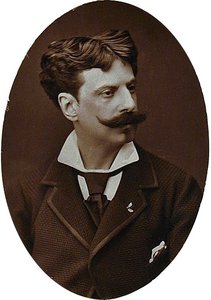
Alphonse de Neuville
1835 - 1885 , Frankrike
Snabbfakta
- Artistic Movement Or Style: Akademisk konst
- Artists Or Movements Influenced By This Artist: ['Romanticism']
- Artists Who Influenced This Artist:
- Eugène Delacroix
- Picot
- Date Of Birth: 1835
- Date Of Death: 1885
- Full Name: Alphonse-Marie-Adolphe de Neuville
- Nationality: Fransk
- Notable Artworks:
- Slaget vid Champigny
- The Last Cartridges
- Place Of Birth: Saint-Omer, Frankrike
Relaterade artiklar
Beyond the Fabric: Decoding Identity, Authority, and Symbolism in the Art of Military Uniforms
Explore the profound symbolism of military uniforms in art history. From Victorian portraits to realistic lithographs, discover how artists capture power, identity, and historical legacy through the intricate details of martial regalia and command.

Goyas 25 Mästerverk: En Konstnärlig Resa Genom Spansk Historia | OriginalUniqueArt
Utforska Goyas 25 mest ikoniska målningar! Fördjupa dig i spansk konsthistoria, romantikens dramatik och mörka färger. Köp museumkvalitativa reproduktioner & inred med tidlösa klassiker på OriginalUniqueArt.com.

Willem de Kooning: Abstraction, Gesture & the Evolution of Post-War American Painting
Explore the evolution of Willem de Kooning's iconic Abstract Expressionist paintings. Discover his signature style, key themes & investment potential with expert insights for discerning art collectors.

Om oss
Upptäck vår historia! Vi för in konst i världsklass i ditt liv genom experturval, skräddarsydda lösningar och kostnadsfria förhandsvisningar. Godkänt av privatpersoner och företag sedan år 2000.

William Owen: A Poetic Vision of War & Landscape in British Modernism
Explore the poignant war poetry of Wilfred Owen, a key figure in British Modernism. Discover his innovative style, themes of loss & camaraderie, and lasting impact on 20th-century literature. Analysis & historical context included.